
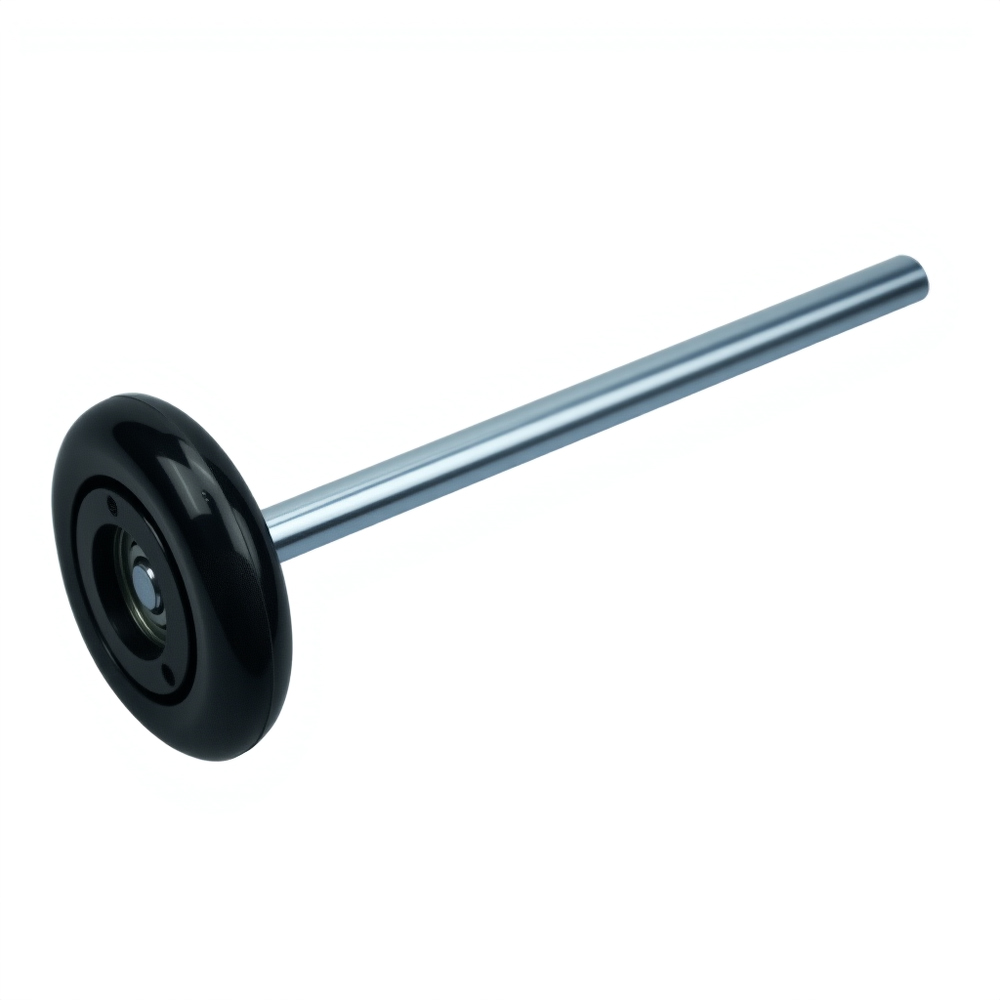
How to Strengthen Garage Doors Roller Gauge Control for Stable Quality?
Inconsistent hardware dimensions and loose sealing edges can compromise the performance and reliability of garage door systems. This engineering case study focuses on stabilizing product quality in automatic fastening and bottom sealing areas, particularly by improving gauge control in the production of garage doors roller assemblies. By examining the impact of manufacturing precision on defect reduction, this study provides QA inspectors with practical methods to enhance consistency and ensure long-term durability. Let’s explore how a structured Quality Stabilization Framework helps minimize edge-link failures and inter-batch deviations.
Explore Quality Assurance Process1. Product Overview: Understanding the Role of Garage Doors Rollers
Garage doors rollers serve as the primary interface between the moving door panel and the guiding tracks. These components are responsible for ensuring smooth vertical motion, distributing weight evenly, and maintaining alignment between adjacent panels during opening and closing cycles. When the manufacturing gauge of the roller shaft or bearing seat deviates even by 0.2 mm, operational noise, vibration, and premature wear can increase exponentially.
Quality inspectors often identify that defective edge linking or inconsistent bottom sealing correlates directly with variations in roller gauge precision. This means that controlling roller diameter tolerance, bearing fit, and shaft alignment is essential to achieving stable door motion and minimizing assembly rework.
Garage door rollers are commonly tested for over 20,000 open–close cycles to verify long-term durability. Technicians usually verify shaft concentricity and track clearance to minimize vibration and friction during assembly testing.
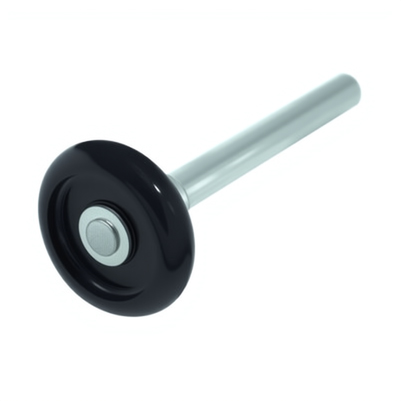
Más información garage door rollers and their load performance.
2. Practical Applications and Quality Scenarios
In automatic fastening and bottom sealing systems, rollers interact closely with hinges, brackets, and tracks. Defects such as misalignment or excessive seal compression can emerge when component gauges differ between production batches. For instance, an oversized roller bearing housing may force the hinge to shift position, resulting in visible door skew or seal leakage at the bottom edge.
In residential garage installations, nylon rollers are frequently chosen for quiet performance, while commercial and industrial setups favor reinforced steel rollers for load endurance. Installers typically use precision alignment tools to ensure parallel track installation and roller positioning during final inspection.
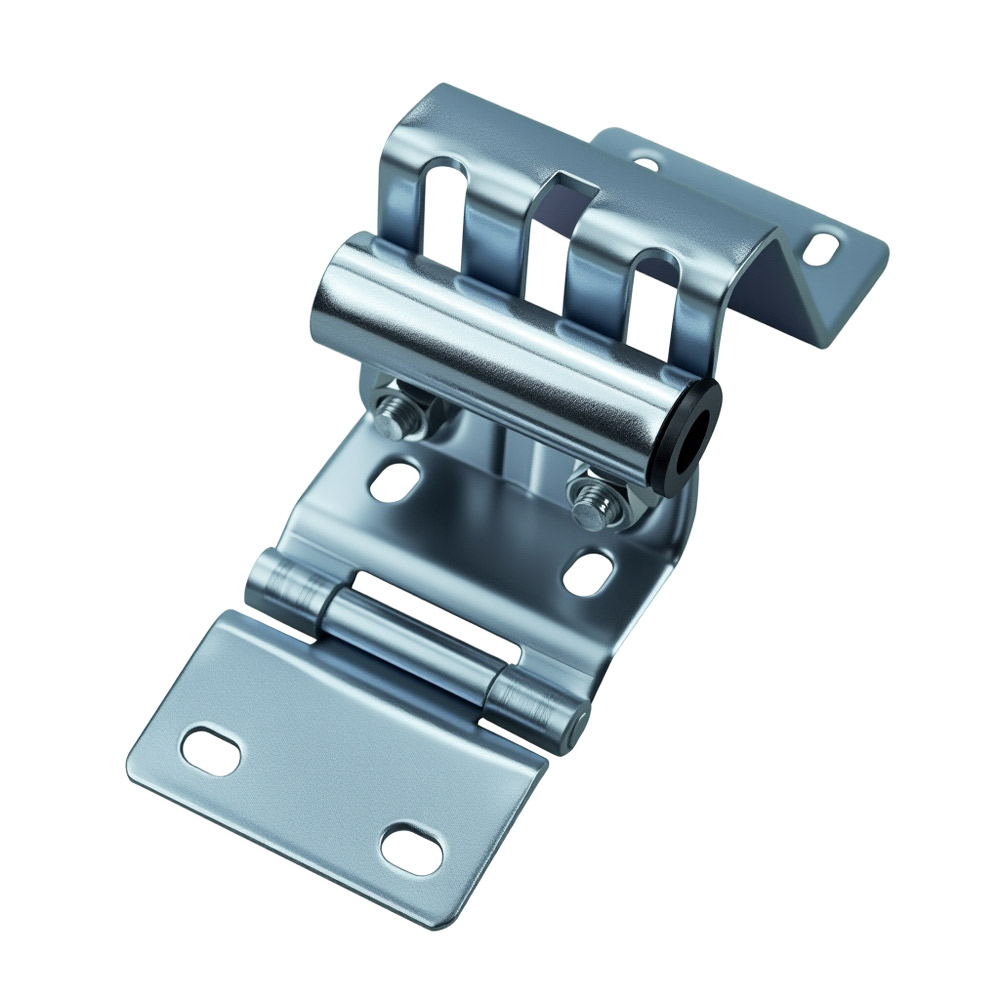
Many evaluators perform salt-spray testing on hinges and brackets to assess corrosion resistance in humid or coastal areas. Installers often lubricate garage door rollers during routine maintenance to ensure smooth movement.
In manufacturing lines, torque-controlled fastening systems are used to secure roller shafts. When the applied torque is inconsistent, deformation at the roller bracket interface may occur, leading to batch-to-batch size deviations. Therefore, inspectors focus on gauge calibration verification and thread depth consistency across production shifts.
Explore torque performance for garage door brackets to understand how gauge precision enhances mechanical stability.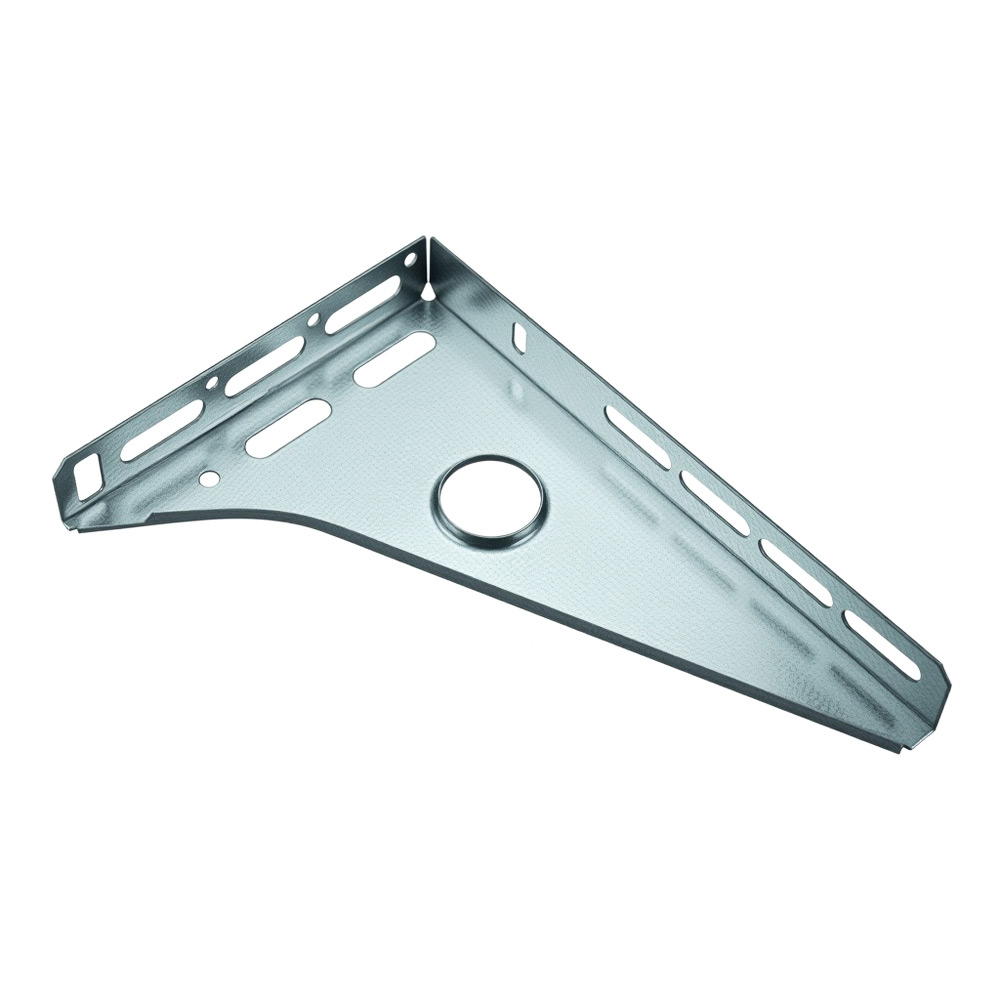
Door tracks often undergo alignment and load distribution checks before installation approval, ensuring uniform contact and minimal vibration during operation.
3. Key Benefits and Technical Limits
Implementing a Quality Stabilization Framework focused on gauge control provides significant benefits for QA inspectors and manufacturers alike:
- Reduced Defect Rate: By stabilizing roller shaft and bearing gauge within ±0.1 mm, defect rates in door edge linking can be reduced by up to 45%.
- Improved Assembly Consistency: Consistent roller diameter enables uniform load transfer, reducing stress on hinges and tracks.
- Enhanced Sealing Efficiency: Tight gauge control ensures even compression of bottom seals, minimizing air and water infiltration.
- Predictable Maintenance Cycles: Standardized parts simplify predictive maintenance planning, lowering total life-cycle cost.
However, limitations include the higher measurement precision requirements and calibration intervals for gauge inspection equipment. Production staff must be trained to interpret digital micrometer data correctly, as human error can offset even the most advanced equipment advantages.
Cycle testing under varying temperatures helps determine hardware fatigue and deformation resistance, ensuring performance stability across environments.
4. Legacy vs. Modern Hardware: Gauge Precision Comparison
In earlier manufacturing models, roller shafts were machined manually and checked by random sampling. As a result, dimensional deviations of up to 0.3 mm were common, causing irregular roller motion and door misalignment. Modern CNC machining with automated gauge feedback now maintains tolerances within ±0.05 mm, leading to smoother movement and longer hardware life.
Compared with older rollers using plain bearings, new nylon or ball-bearing rollers reduce friction and noise significantly. For instance, modern low-friction bearings can achieve sound reduction of up to 30%, improving both operational comfort and energy efficiency in automatic door systems.
Understand load testing for rollers to see how these improvements are quantified.Maintenance teams often measure bearing noise levels after continuous operation to confirm smooth performance. In coastal or chemical-rich environments, galvanized or zinc-coated hardware is preferred for extended corrosion resistance.
5. OEM & Process Capabilities
Modern garage door hardware production lines rely on integrated gauge monitoring systems that automatically detect dimensional drift and correct tool offsets. These systems use laser micrometry and automated torque validation to maintain uniformity throughout each batch.
Many OEM clients request material traceability through lot-coded components and statistical process control (SPC) records. QA inspectors ensure compliance by reviewing gauge charts and alignment test results before shipment approval. For export-standard production, test data are typically aligned with ISO 9001 and ANSI/DASMA quality frameworks.
See engineering specifications for garage door hardware to understand precision manufacturing criteria.Load-bearing brackets are typically validated through torque and tensile testing to ensure structural integrity before shipment.
6. Engineering Values and Quality Philosophy
Consistency
Maintaining consistent roller gauge ensures repeatable door motion and predictable sealing pressure. QA inspectors verify this through routine gauge calibration and test logs.
Reliability
Through continuous improvement of manufacturing tolerance and inspection methods, garage door hardware achieves long service life with minimal adjustments required post-installation.
Safety
Gauge-controlled components minimize the risk of structural imbalance or roller dislocation during operation, protecting both users and maintenance teams.
Efficiency
Integrated testing and process validation shorten production feedback loops, allowing inspectors to focus on long-term performance rather than reactive correction.
7. Frequently Asked Questions
How does gauge control affect garage door roller performance?
Precise gauge control maintains roller alignment, reducing vibration and preventing uneven wear across door panels. It directly contributes to smoother movement and reduced sealing defects.
What causes size deviation between roller batches?
Deviations often stem from inconsistent torque application during assembly or tool wear in CNC machining. Implementing SPC monitoring helps stabilize batch-to-batch size control.
Which roller materials are most suitable for long-term reliability?
Nylon rollers provide quiet operation for residential garages, while stainless steel or zinc-coated rollers offer superior corrosion resistance for industrial applications.
How do inspectors verify roller-to-track fit?
Inspectors measure roller diameter and track spacing using digital calipers, ensuring clearance tolerances within specified design parameters to avoid binding or rattling.
Can gauge inconsistencies impact door sealing?
Yes. Irregular roller dimensions can alter bottom seal compression, leading to uneven sealing and potential air or water infiltration. Tight tolerance control eliminates these defects.
How is corrosion resistance validated for hinges and rollers?
Manufacturers perform salt-spray and humidity tests under controlled cycles. The results verify protective coating integrity before market release.
Why do QA inspectors focus on fastening torque checks?
Improper torque can distort bracket geometry, altering roller axis alignment. Verifying torque consistency ensures stable structural performance.
What maintenance ensures prolonged roller lifespan?
Regular lubrication and seasonal inspection of track alignment are recommended to sustain smooth motion and prevent noise generation.
See How Gauge Control Transforms Garage Door Quality
From material selection to final inspection, stabilizing gauge precision defines the foundation of reliable garage door hardware. Every step—from roller machining to seal compression—contributes to product consistency and safety.
Explore Engineering Standards English
  Русский
  日本語
日本語  한국어
한국어  Français
  Deutsch
  العربية
  Português
  Español