
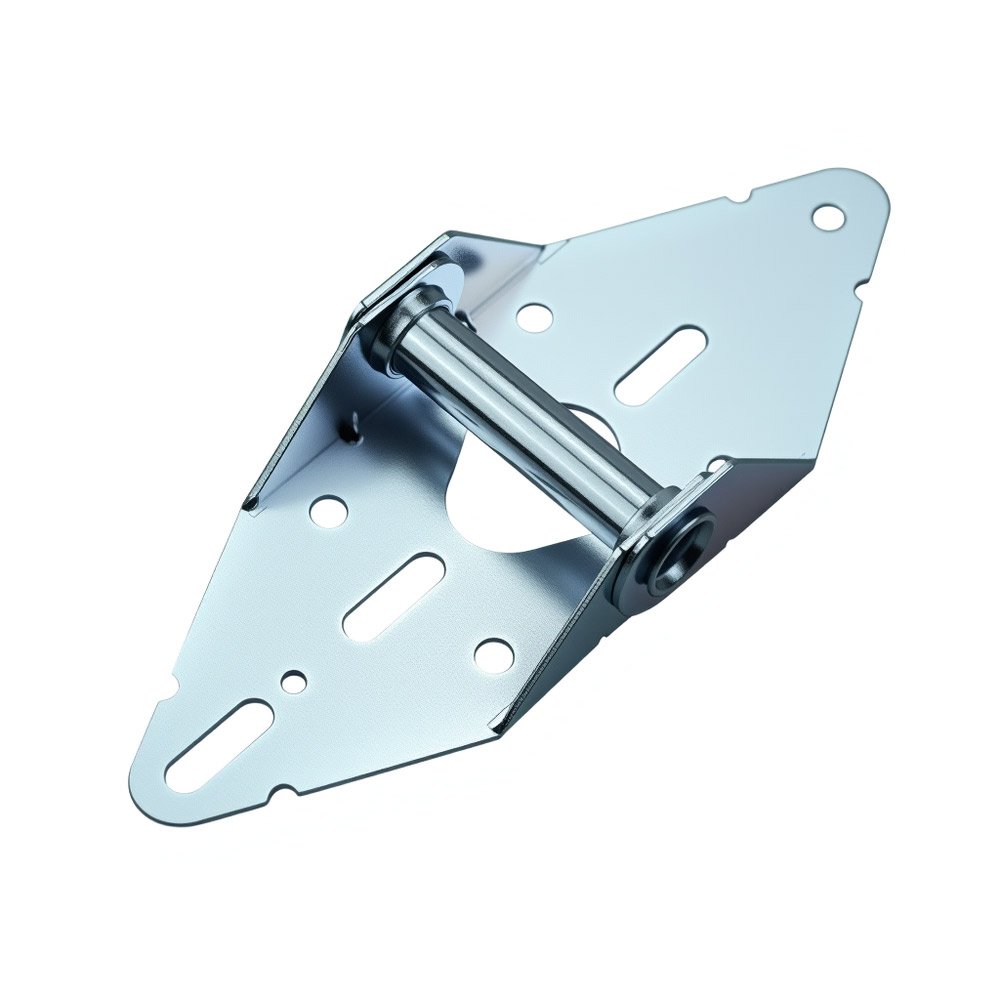
Sectional articulation and stress dispersion in industrial gate hinges heavy duty
For industrial environments, the operational reliability and quiet performance of industrial gate hinges heavy duty are essential for maintaining smooth sectional door movement and minimizing acoustic disturbances. Advanced Quiet Hinges are engineered to optimize articulation, reduce stress concentrations, and ensure long-term durability under heavy load conditions.
Reliability of industrial gate hinges heavy duty in sectional articulation
Industrial gate systems frequently operate under demanding conditions, where the articulation of heavy-duty sectional doors is a critical factor influencing both operational reliability and acoustic performance. The mechanical behavior of industrial gate hinges, particularly those designed for heavy-duty applications and quiet operation, is central to the long-term function of these systems. For door system designers and maintenance engineers, understanding the interplay between hinge structure, stress dispersion, and noise generation during repeated articulation is essential. The following analysis systematically examines the engineering principles that underpin the reliability and noise characteristics of industrial gate hinges heavy duty, with a focus on sectional articulation and the mechanisms by which stress is distributed and mitigated.
Industrial gate hinges heavy duty are engineered to accommodate substantial loads, frequent cycles, and the dynamic forces associated with sectional-movement. The articulation of these hinges must not only support the weight of the door panels but also manage the transfer and dissipation of stresses that arise during opening and closing. Quiet hinges, in this context, are not merely a matter of convenience but a functional requirement to minimize wear and extend service intervals. The technical evaluation presented here follows a structured approach: first, the fundamental mechanical design and articulation mechanics are described; next, the reliability factors and stress dispersion mechanisms are analyzed; this is followed by a technical evaluation of noise and wear performance; and finally, recommendations for engineering validation and maintenance are provided.
The architecture of industrial gate hinges heavy duty is defined by several key parameters: material selection, sectional geometry, articulation axis configuration, and bearing surface design. Heavy-duty hinges typically employ high-strength alloys such as heat-treated steel or ductile iron, selected for their superior fatigue resistance and load-bearing capacity. The hinge leaf geometry is optimized to maximize moment resistance while minimizing localized stress concentrations at the knuckle and mounting interfaces. Sectional articulation is achieved through a multi-leaf or continuous hinge design, allowing each door panel to move independently while maintaining alignment and load transfer across the hinge line.
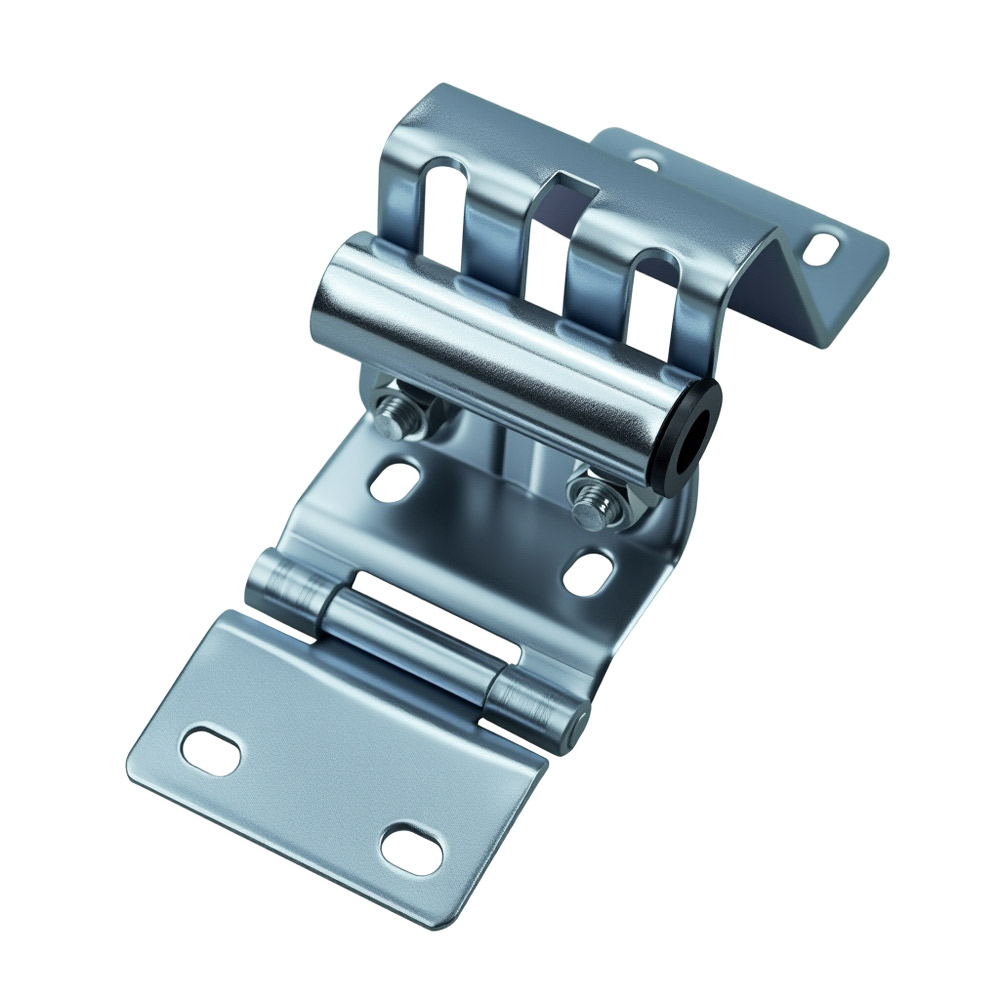
The articulation axis is often supported by precision-ground pins, sometimes incorporating bushings or roller bearings. These features reduce friction during movement, directly impacting both noise generation and wear rates. The bearing surfaces are engineered to provide uniform load distribution, minimizing the risk of galling or surface fatigue. In quiet hinge designs, elastomeric or polymeric inserts may be introduced at the bearing interface to further dampen vibration and suppress noise transmission during articulation.
Sectional-movement imposes complex loading scenarios on the hinges, including bending, shear, and torsional stresses. The hinge must accommodate misalignment and minor deflections between door sections without inducing excessive stress concentrations. Finite element analysis (FEA) is frequently employed during design to predict stress fields under various loading conditions, ensuring that the hinge geometry and material specifications are sufficient to withstand operational demands.
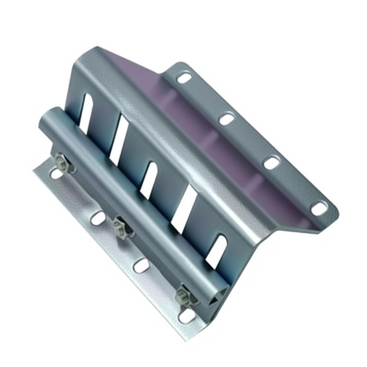
Technical evaluation: stress dispersion and noise reduction in Quiet Hinges
Reliability in industrial gate hinges heavy duty is fundamentally linked to their ability to disperse articulation-induced stresses over a large area, thereby reducing peak stresses that lead to fatigue failure. The fatigue resistance of the hinge assembly is determined by the quality of materials, the precision of manufacturing tolerances, and the effectiveness of the surface treatments applied to load-bearing components. Shot peening, induction hardening, or specialized coatings are commonly used to enhance surface hardness and prevent micro-crack initiation.
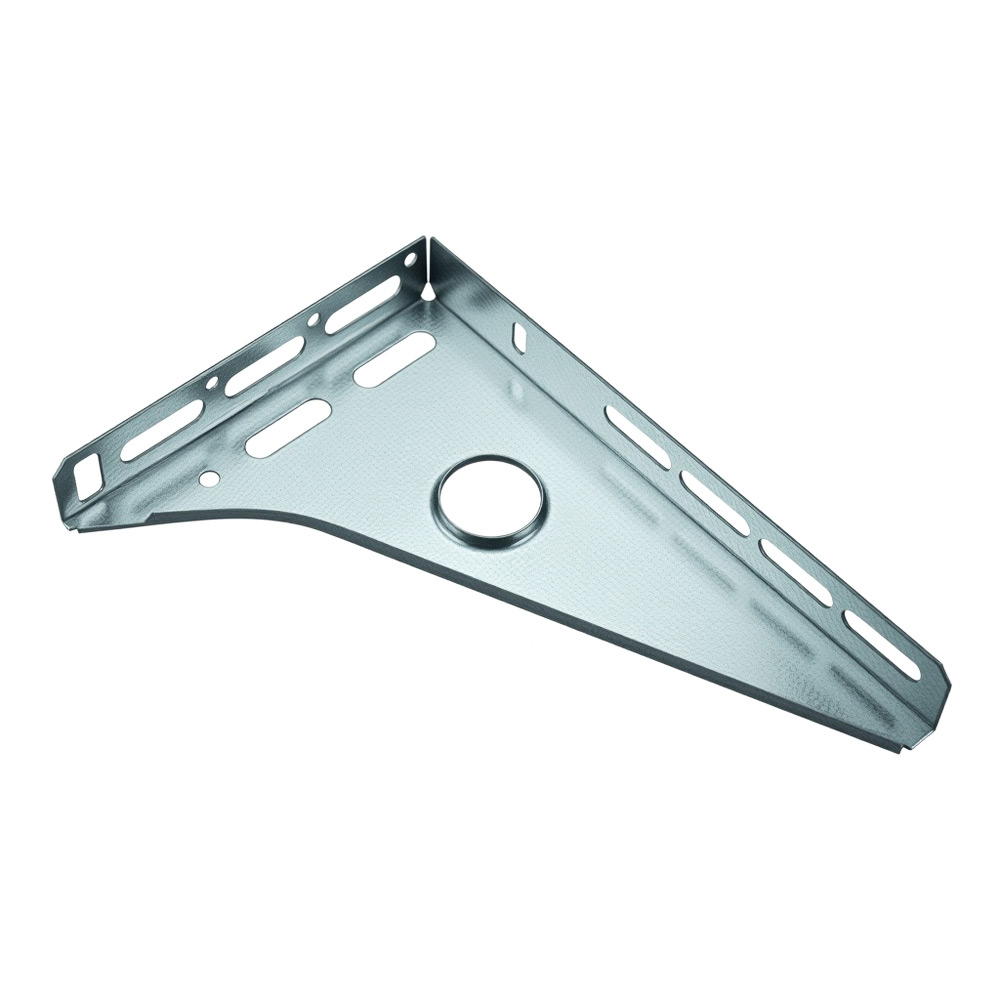
The mounting interface between the hinge and the door structure is another critical factor in stress dispersion. Oversized mounting plates, reinforced welds, and multi-point fastener patterns are employed to distribute loads and prevent localized deformation of the door frame or panel. In sectional doors, the articulation of each panel must be synchronized to avoid binding or uneven loading, which can accelerate hinge wear and increase noise output.
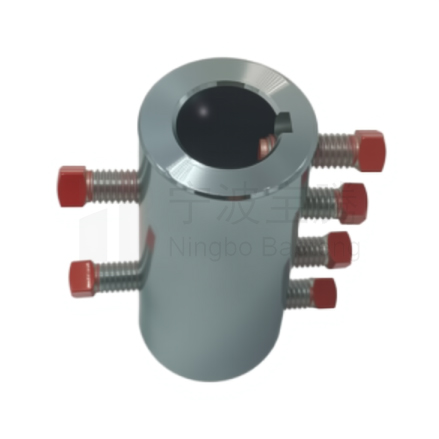
Noise generation during hinge articulation is primarily a function of friction, impact, and vibration at the bearing surfaces. In heavy-duty applications, the mass and inertia of the door panels can amplify these effects, resulting in undesirable acoustic emissions and accelerated wear. Quiet hinges address this core pain point through several engineering strategies. First, the use of self-lubricating bushings or precision roller bearings reduces metal-to-metal contact and associated noise. Second, the incorporation of vibration-damping materials at the bearing or mounting interface interrupts the transmission of structure-borne sound. Third, precise fit and finish of mating surfaces ensure uniform movement and prevent stick-slip phenomena, which are a common source of squeaks and rattles.
Field evaluation complements laboratory data by capturing the effects of real-world variables such as temperature fluctuations, contamination, and installation tolerances. Maintenance engineers monitor hinge condition through periodic inspection, looking for signs of abnormal wear, misalignment, or increased noise. Data collected from operational installations is used to refine hinge design and maintenance protocols, with the goal of extending service life and minimizing unscheduled downtime.
Noise reduction is evaluated not only in terms of absolute sound pressure level but also the frequency content and duration of acoustic events. Quiet hinges are engineered to suppress both broadband noise (caused by friction and vibration) and impulse noise (resulting from impact or misalignment). The effectiveness of noise mitigation strategies is quantified by comparing pre- and post-installation acoustic signatures, with particular attention paid to frequencies that are most perceptible to human operators or that indicate incipient mechanical issues.
In the context of sectional-movement, the articulation of multiple hinges in series introduces additional considerations for stress dispersion and noise control. The synchronization of hinge movement is essential to prevent torsional loads and racking forces that can compromise door alignment and increase mechanical noise. Engineering controls such as precision machining, matched hinge sets, and adjustable mounting brackets are used to ensure consistent articulation across the entire door assembly.
From a maintenance perspective, the core pain point of noise and wear during articulation under heavy load is addressed through both design and operational protocols. Regular lubrication of bearing surfaces, inspection for fastener integrity, and timely replacement of worn components are standard practices. The selection of hinge materials and finishes is guided by the anticipated service environment, with corrosion-resistant coatings and sealed bearings specified for harsh or outdoor applications.
For door system designers and industrial gate maintenance engineers, the verification of hinge parameters against engineering-grade safety standards is a critical step in ensuring system reliability. This involves not only reviewing manufacturer specifications but also conducting independent validation through testing and simulation. Parameters such as maximum allowable load, articulation angle, fatigue life, and acoustic performance must be documented and compared to project requirements. Where possible, hinge designs should be selected or customized based on the specific stress dispersion and noise reduction needs of the application.
Ensuring long-term performance of industrial gate hinges heavy duty
In summary, the technical evaluation of industrial gate hinges heavy duty for sectional articulation requires a comprehensive understanding of stress dispersion, fatigue resistance, and noise mitigation. The reliability and quiet operation of these hinges are achieved through careful material selection, optimized geometry, precision manufacturing, and rigorous testing. By adhering to engineering best practices and validating hinge performance against established standards, door system designers and maintenance engineers can address the core challenges of noise and wear, ensuring long-term functionality and safety of industrial gate systems. Regular technical review and data-driven maintenance protocols are recommended to sustain optimal hinge performance throughout the service life of the installation.
For further technical documentation, engineering validation resources, and maintenance protocols, visit the Baoteng Technical Documentation page or explore corrosion resistance testing for hinges to support your project requirements.
 English
  Русский
  日本語
日本語  한국어
한국어  Français
  Deutsch
  العربية
  Português
  Español