
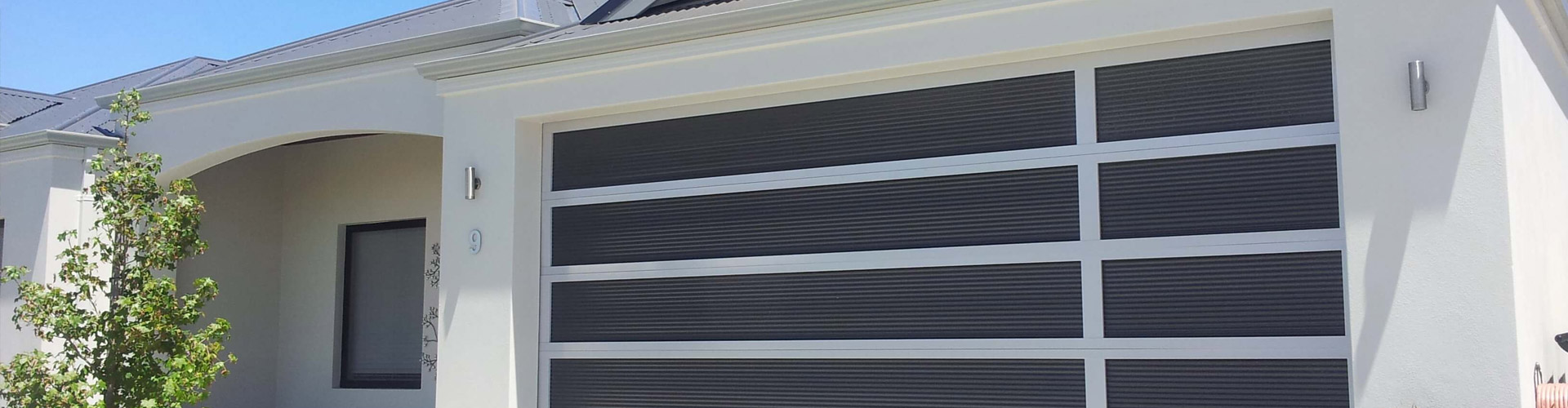
Precision and Reliability in Doors Garage Roller Alignment
Ensuring the stability and smooth operation of doors garage roller systems is essential for achieving precise rolling friction and minimizing operational noise in sliding garage doors. By focusing on alignment deviation, engineers can address friction control and noise reduction, resulting in consistently reliable door movement.
Reliability Factors in Doors Garage Roller Systems
The fundamental structure of doors garage roller systems is defined by the interaction between rollers, tracks, and the door panels themselves. Most sectional garage doors employ either nylon, steel, or composite rollers mounted on precision axles, which traverse cold-formed galvanized steel tracks. The geometry of both the roller and track is engineered to minimize rolling resistance while maintaining lateral stability. The rolling friction behavior is primarily governed by the materials in contact, surface finish, and the presence of lubrication. In properly aligned systems, the roller axis remains perpendicular to the track plane, ensuring uniform load distribution and minimizing both frictional losses and wear.
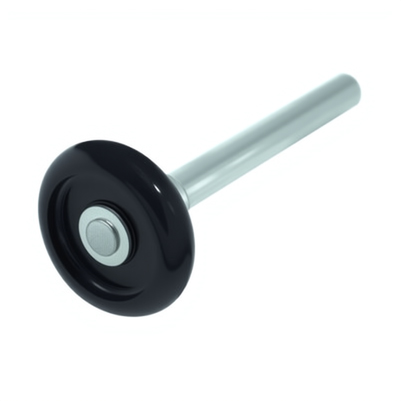
However, even minor deviations in alignment can introduce significant increases in rolling resistance. Misalignment often results from improper installation, track deformation, or wear in the roller bearings. When the roller axis is not parallel to the track, the contact area between the roller and track edge increases, shifting the frictional regime from pure rolling towards sliding. This transition not only elevates the required operating force but also generates localized heating and material degradation, further exacerbating the misalignment over time. For engineers, the challenge is to identify and correct these deviations before they propagate into more severe mechanical failures.
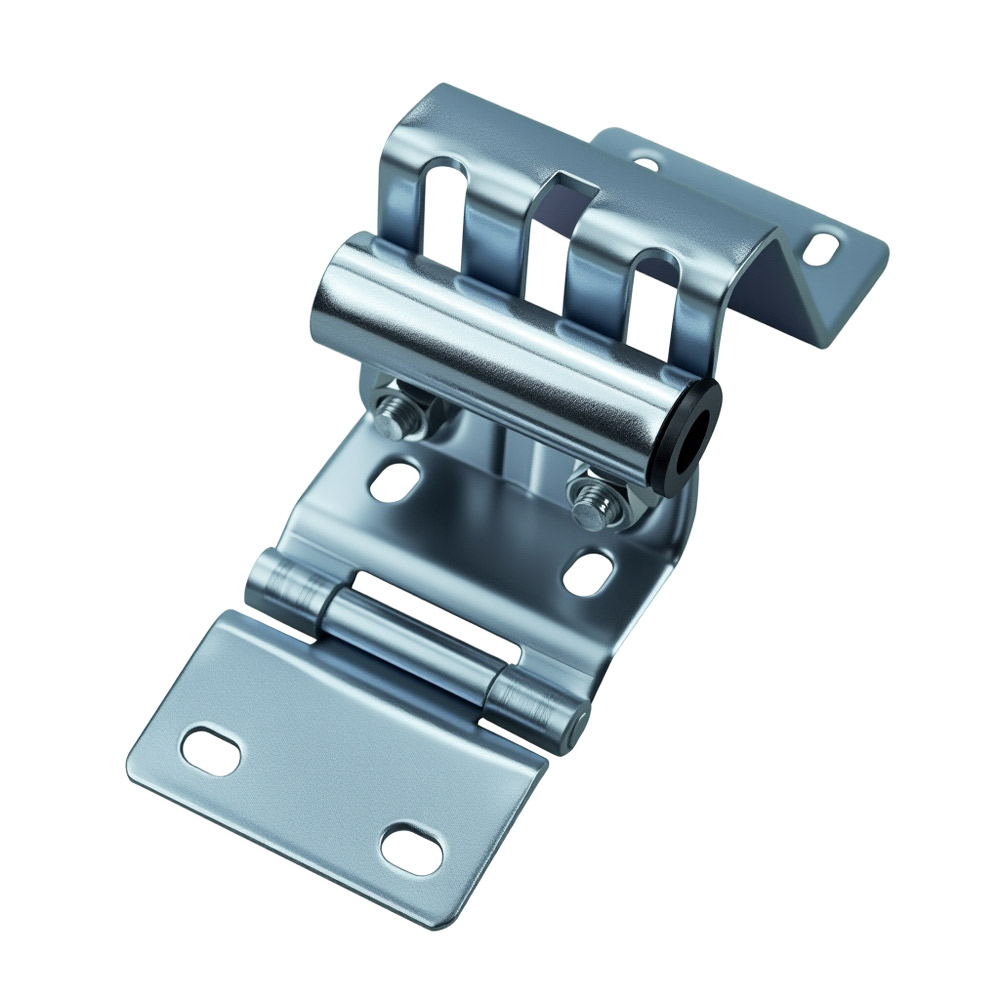
Reliability in doors garage roller systems is intrinsically linked to the control of rolling friction and the minimization of noise. The primary sources of unreliability stem from cumulative alignment errors, which may be introduced during installation or develop through cyclic loading and environmental exposure. In garage environments, thermal fluctuations and humidity can cause track expansion, contraction, or corrosion, subtly altering the track geometry and affecting roller path integrity. Additionally, particulate contamination—such as dust or grit—can infiltrate the roller bearings, increasing internal friction and promoting uneven rolling behavior.
The reliability of the rolling mechanism is further influenced by the selection of roller material and bearing type. Nylon rollers, for example, offer reduced noise levels due to their inherent damping properties but may be more susceptible to deformation under high loads, leading to misalignment. Steel rollers, while robust, tend to transmit more vibration and noise unless paired with precision-sealed bearings. Engineers must carefully balance these material properties against the anticipated load cycles and environmental conditions. The key reliability metric is the system’s ability to maintain alignment within specified tolerances, typically less than 2 mm lateral deviation over the full travel length, to prevent the onset of sliding friction and associated noise.
Evaluation and Maintenance of Doors Garage Roller Alignment
To evaluate the operational state of doors garage roller systems, a systematic approach is required. The first step involves a visual and tactile inspection of the track and roller assembly. Engineers should look for signs of uneven wear, track deformation, or debris accumulation. Using a calibrated straightedge or laser alignment tool, the track geometry must be checked for both vertical and horizontal deviations. Any detected misalignment should be measured and compared against manufacturer specifications. In cases where the deviation exceeds allowable limits, corrective actions such as track realignment, roller replacement, or bearing lubrication are warranted.
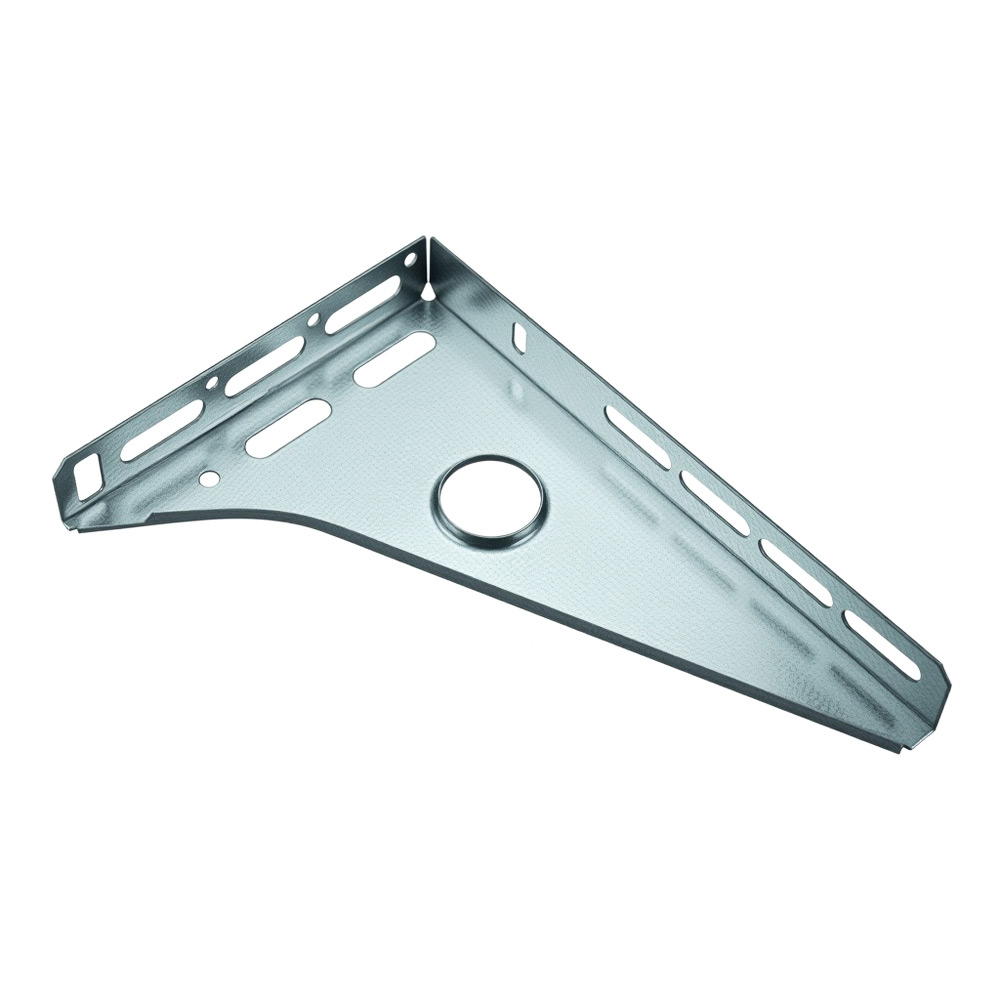
Quantitative evaluation of rolling friction can be performed by measuring the force required to manually move the door along its travel path. A spring scale or force gauge is attached to the door handle, and the peak force is recorded at several points along the track. Consistent increases in required force typically indicate localized friction spikes due to misalignment or contamination. For a more detailed analysis, engineers may employ vibration sensors or acoustic measurement devices to detect abnormal noise signatures, which often correlate with frictional anomalies. These diagnostic tools are invaluable for identifying hidden issues that may not be visible during routine inspections.
Noise reduction is a parallel objective to friction control in doors garage roller systems. Excessive noise is not merely a nuisance but a technical indicator of underlying mechanical inefficiency, often stemming from alignment deviation. The primary sources of noise include roller-track impact, bearing chatter, and resonance within the door panels. To mitigate these effects, engineers should ensure that all fasteners are torqued to specification, that the rollers are free of flat spots or surface defects, and that the track mounting brackets are rigidly secured to the supporting structure. Application of appropriate lubricants—such as lithium-based grease for steel rollers or silicone-based compounds for nylon rollers—can further dampen noise and reduce friction, but must be applied sparingly to avoid attracting contaminants.
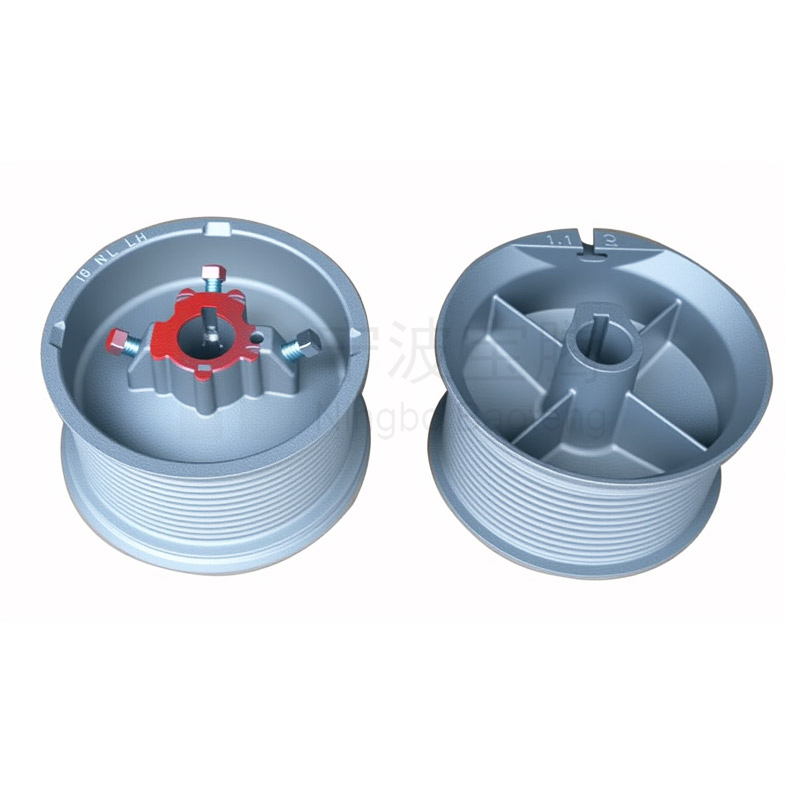
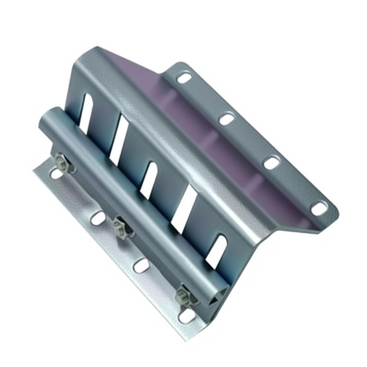
The core pain point of alignment deviation must be addressed through both preventive and corrective engineering measures. Preventively, during installation, all components should be checked for manufacturing tolerances and free of defects. Tracks must be mounted on plumb and level surfaces, with all mounting hardware tightened to prevent future movement. During periodic maintenance, engineers should re-verify alignment using calibrated tools, inspect rollers for bearing play, and replace any components exhibiting excessive wear. Correctively, if alignment deviation is detected, the affected section of track should be realigned using mechanical shims or adjustable brackets, and any deformed rollers should be replaced with components of equal or superior specification.
The evaluation phase is not complete without documenting all findings and corrective actions. Engineers should maintain a log of alignment measurements, friction force readings, and noise levels, enabling trend analysis over time. This data-driven approach allows for early detection of recurring issues, facilitating proactive maintenance and reducing the likelihood of unplanned downtime. In high-cycle environments, such as commercial garages, the implementation of a scheduled inspection protocol is recommended to ensure ongoing system reliability.
From an engineering verification standpoint, it is essential to validate that all alignment parameters conform to design specifications. This includes confirming that the roller axis remains perpendicular to the track plane within a tolerance of ±1°, that lateral deviation does not exceed 2 mm, and that rolling resistance remains within acceptable limits as defined by the door manufacturer. Any deviation from these parameters should trigger a root cause analysis to identify underlying mechanical or installation faults. Verification should also include functional testing of the door’s full travel, ensuring smooth, uniform motion without perceptible binding or noise spikes.
Ensuring Long-Term Performance of Doors Garage Roller Systems
In summary, the technical management of doors garage roller systems demands a rigorous approach to alignment, friction control, and noise reduction. Alignment deviation, if left unchecked, is a primary contributor to increased rolling resistance, mechanical wear, and acoustic inefficiency. Through systematic inspection, quantitative measurement, and engineering verification, door alignment engineers can ensure that roller systems operate within their intended design envelope, delivering reliable and precise door movement over extended service intervals. For optimal door performance, it is imperative to verify roller alignment parameters at every maintenance cycle, employing both visual and instrumental methods to uphold the mechanical integrity of the system.
For further technical resources on garage door hardware, including detailed installation tutorials and engineering specifications, visit the Tutoriales de instalación or explore Especificaciones técnicas at Baoteng. For product selection and support, refer to the Preguntas frecuentes page.
 English
  Русский
  日本語
日本語  한국어
한국어  Français
  Deutsch
  العربية
  Português
  Español