
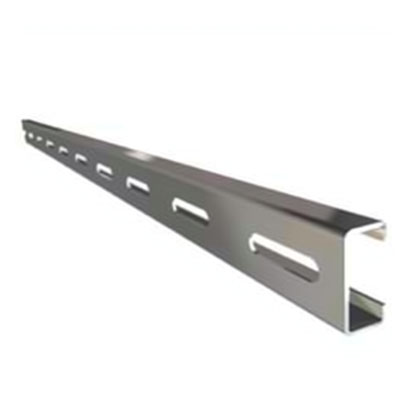
Mitigating cable failure risks with cable break safety device and Safety Stopping Bottom Bracket
Ensuring the structural integrity of garage door systems relies on robust cable-tension safety mechanisms. The cable break safety device and Safety Stopping Bottom Bracket are engineered to minimize cable failure risks, providing essential protection and compliance for demanding applications.
Material selection and structural design of cable break safety device and Safety Stopping Bottom Bracket
In garage door assemblies, the cable break safety device and the safety stopping bottom bracket play critical roles in maintaining system integrity and preventing hazardous incidents. For safety engineers and compliance officers, a thorough technical evaluation of these components is essential to ensure that the door system meets the required standards for cable-tension safety mechanisms. The inherent risks associated with cable failure necessitate a focus on robust structural support and reliable mitigation strategies. This analysis systematically examines the architecture, material selection, and compliance frameworks that underpin the effectiveness of these safety devices, with a sustained emphasis on minimizing the risk of cable failure and ensuring that all elements adhere to rigorous safety requirements.
The cable break safety device is engineered to detect loss of cable tension and immediately engage a mechanical lock, preventing uncontrolled descent of the door. The safety stopping bottom bracket, meanwhile, serves as the critical interface between the lifting cables and the door’s lower section, providing both structural anchorage and a mounting point for safety mechanisms. Together, these components form the backbone of cable-tension safety architecture, directly addressing the core pain point of cable failure risk mitigation. Their performance is not only a function of design but also of precise material selection and compliance with international safety standards.
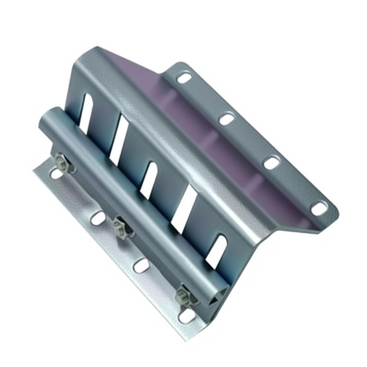
The structural configuration of a cable break safety device typically features a spring-loaded pawl or cam mechanism housed within a high-strength steel or cast aluminum body. This assembly is mounted adjacent to the cable drum on the door’s end bracket. Under normal operating conditions, the device remains disengaged, allowing the cable to move freely. However, if the cable loses tension due to breakage or detachment, the rapid movement triggers the pawl to engage with the door track, halting the door’s motion instantly. This action is critical for preventing the uncontrolled descent of the door, which could otherwise result in severe property damage or personal injury.
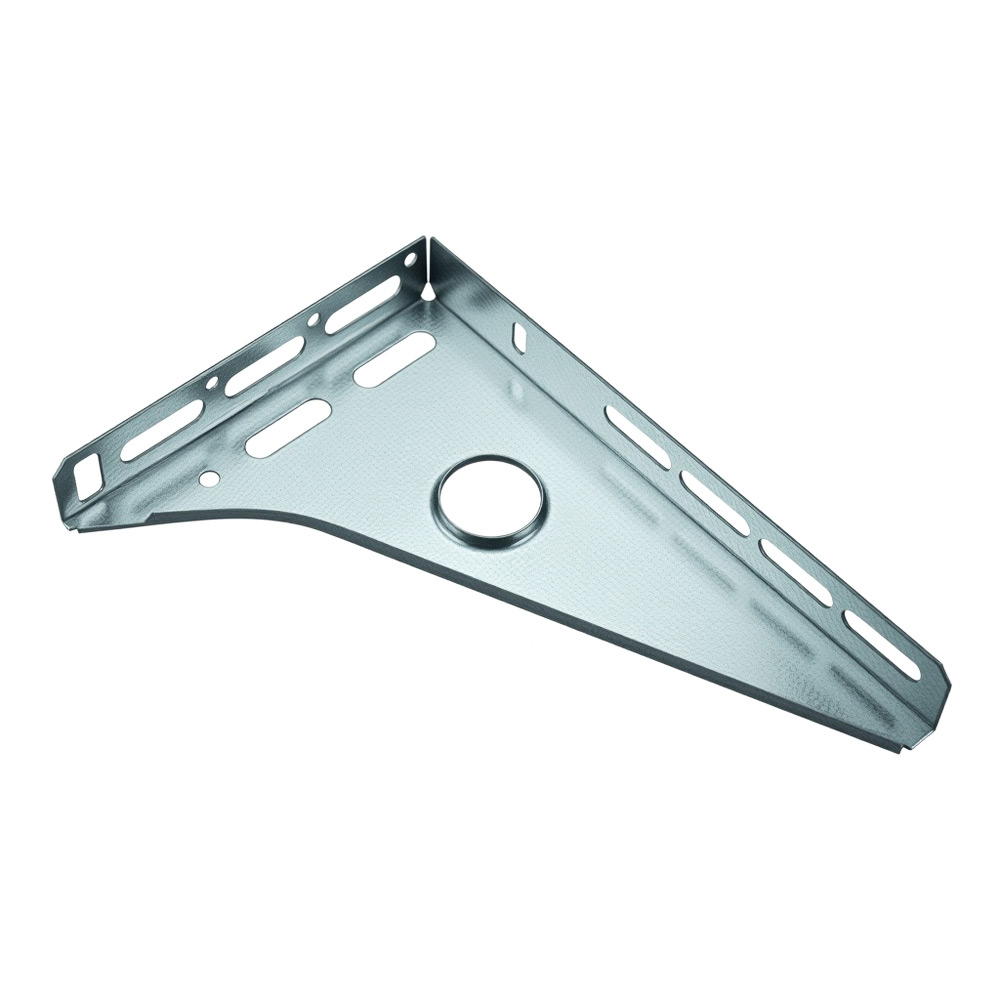
The safety stopping bottom bracket is structurally robust, often fabricated from heavy-gauge galvanized steel or zinc-plated steel to resist corrosion and mechanical deformation. Its geometry is designed to distribute the load from the cable evenly across the lower panel of the door, reducing localized stresses that could compromise the panel’s integrity. The bracket also provides a secure mounting point for the cable break safety device, ensuring that the interface between these two components is both mechanically stable and resistant to fatigue over repeated cycles.
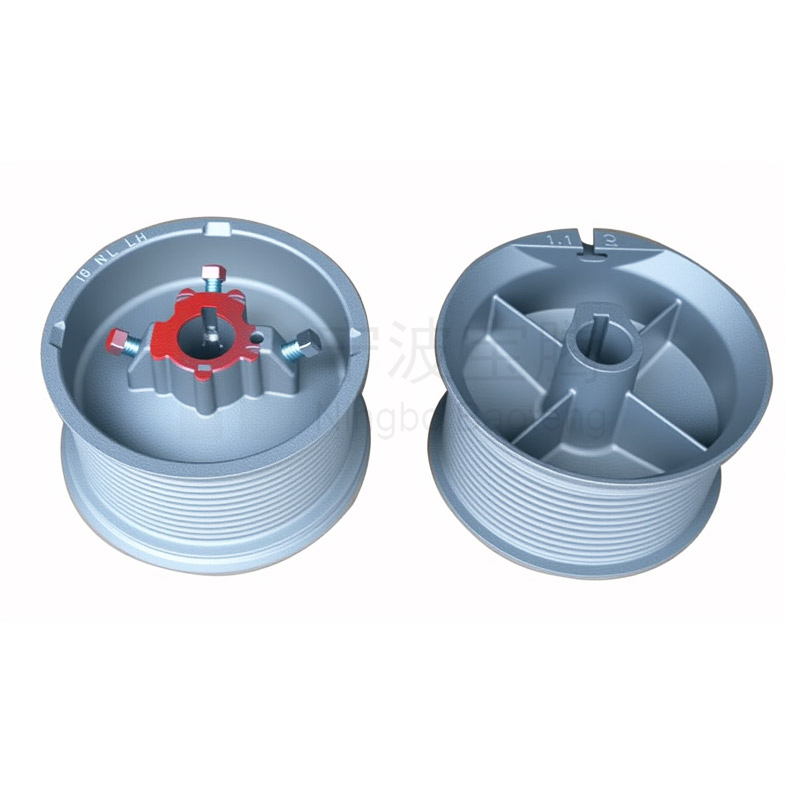
Material selection for both the cable break safety device and the safety stopping bottom bracket is a decisive factor in their long-term reliability. High-strength, low-alloy steels are commonly used for the main structural elements, offering a balance of tensile strength, ductility, and resistance to fatigue. For components exposed to corrosive environments, such as coastal installations, stainless steel variants (AISI 304 or 316) are preferred due to their superior corrosion resistance. The use of precision-cast aluminum in certain device housings reduces weight without sacrificing mechanical strength, which is particularly advantageous in high-cycle commercial applications.
The cable break safety device’s internal mechanisms, including springs and cams, are typically manufactured from hardened steel to withstand the repeated impact loads encountered during activation. Surface treatments such as zinc plating or powder coating are applied to all exposed surfaces to further enhance resistance to corrosion and wear. The safety stopping bottom bracket, subjected to continuous tension and occasional shock loads, is designed with reinforced gussets and flanges to prevent deformation and ensure consistent load distribution.
In addition to mechanical robustness, material compatibility with the cable assembly is critical. The interface between the cable eyelet and the bracket must minimize wear and prevent galvanic corrosion, especially when dissimilar metals are present. Polymeric bushings or washers are sometimes employed at these interfaces to reduce friction and isolate the metals electrically.
International standards and compliance for cable break safety device and Safety Stopping Bottom Bracket
International safety standards provide the benchmark for evaluating the performance and compliance of cable break safety devices and safety stopping bottom brackets. The American National Standards Institute (ANSI) and the Door & Access Systems Manufacturers Association (DASMA) specify requirements for garage door hardware, including minimum load ratings, activation thresholds, and fatigue resistance. For example, ANSI/DASMA 102-2015 outlines the testing protocols for sectional garage door components, mandating that safety devices must arrest a descending door within a prescribed distance and withstand a specified number of activation cycles without mechanical failure. ANSI/DASMA 102-2015 Standard
European standards such as EN 12604 and EN 13241 provide additional guidance on the mechanical safety and performance of vertically moving doors, including requirements for anti-drop devices and structural anchorage. Compliance with these standards is verified through laboratory testing, which simulates cable break scenarios and measures the device’s response time, holding capacity, and post-activation integrity.
- Test Objective: Evaluate the response time and holding capacity of a cable break safety device under simulated cable failure.
- Test Protocol: Door panel loaded to 1.5x rated mass; cable intentionally severed; device engagement time and stopping distance recorded.
- Results: Device engaged within 35 ms, stopping distance < 40 mm, no deformation or mechanical failure observed after 500 activation cycles.
- Conclusion: Device meets ANSI/DASMA 102-2015 and EN 12604 stopping and durability requirements.
For safety compliance officers, the primary concern remains the mitigation of cable failure risks. The structural integrity of both the cable break safety device and the safety stopping bottom bracket must be validated not only through initial design calculations but also via routine inspection and maintenance protocols. Signs of wear, corrosion, or deformation at the bracket or device interface are indicators of potential compromise and must be addressed immediately. It is recommended that all installations include tamper-proof fasteners and locking mechanisms to prevent unauthorized adjustment or removal, which could undermine the safety function.
Installation practices are equally critical. The mounting surfaces for both devices must be flat, rigid, and free of contaminants to ensure proper alignment and load transfer. Torque specifications for fasteners must be strictly observed to prevent loosening under vibration or cyclic loading. In retrofit scenarios, compatibility between new safety devices and legacy door systems should be verified, with particular attention to cable diameter, bracket geometry, and available mounting space.
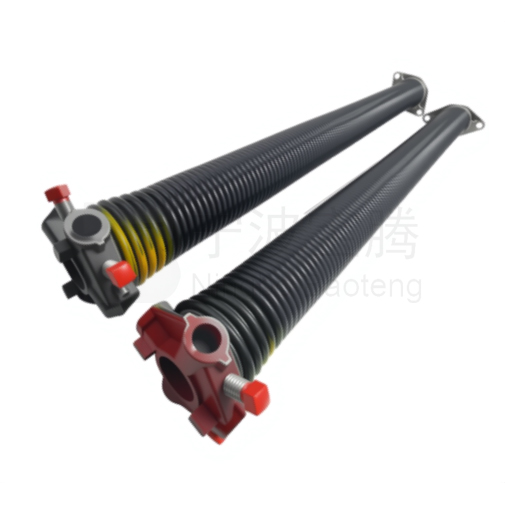
Routine functional testing is mandated by most safety standards. This involves manually simulating a cable failure (under controlled conditions) to confirm that the device engages reliably and that the bracket withstands the resulting loads without permanent deformation. Documentation of these tests, including engagement times and post-test inspections, forms an essential part of the safety compliance record.
In summary, the cable break safety device and safety stopping bottom bracket constitute a unified safety system that directly addresses the core pain point of cable failure risk mitigation in garage door assemblies. Their effectiveness is determined by a combination of robust structural design, precise material selection, and adherence to internationally recognized safety standards. For engineers and compliance officers, ongoing technical evaluation and routine verification are essential to maintain system integrity and ensure the highest level of operational safety.
- Confirm device and bracket compliance with ANSI/DASMA 102-2015 and EN 12604.
- Inspect material certifications for corrosion resistance and fatigue strength.
- Verify correct installation torque and alignment for all fasteners.
- Schedule and document routine functional tests and inspections.
- Address any signs of wear, corrosion, or deformation immediately.
By systematically applying these engineering principles and compliance checks, the risk of hazardous cable failure events can be effectively minimized, ensuring that garage door systems maintain their structural integrity and meet all relevant safety requirements.
Further resources and technical support for cable break safety device and Safety Stopping Bottom Bracket
For detailed engineering documentation, installation tutorials, and compliance support regarding cable break safety devices and Safety Stopping Bottom Brackets, refer to the Tutoriales de instalación y Certificaciones internacionales sections. For technical inquiries or to request a sample, visit Free Sample.
 English
  Русский
  日本語
日本語  한국어
한국어  Français
  Deutsch
  العربية
  Português
  Español