
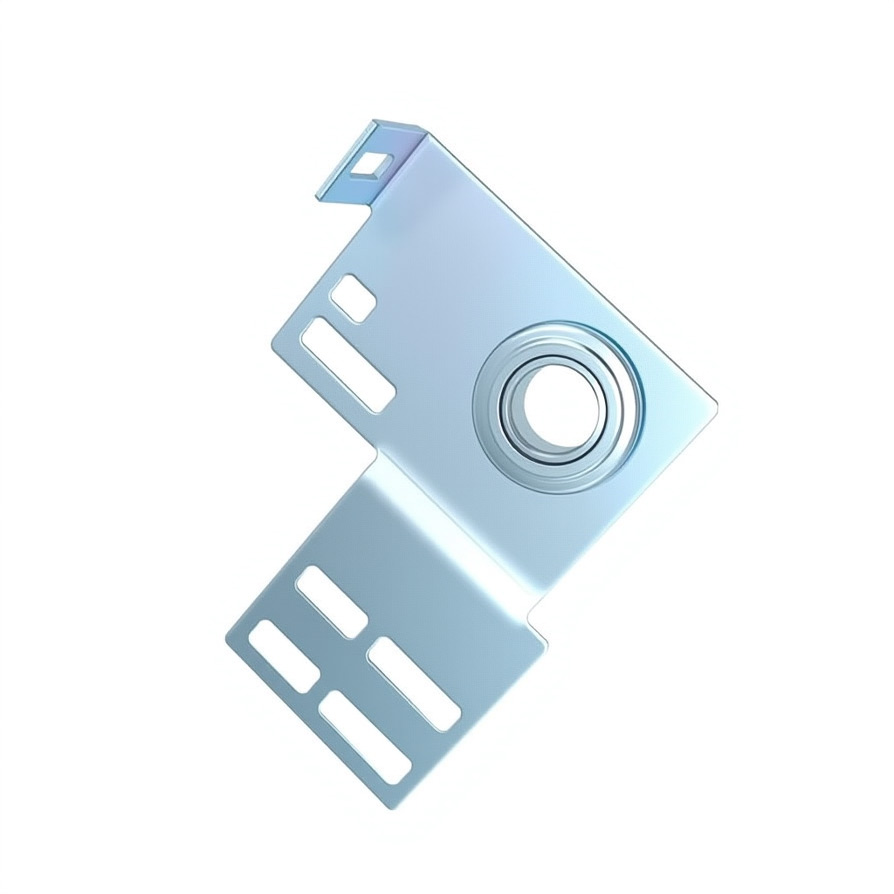
Engineering challenges in garage door end bearing plates brackets for stable lifting and balance
Reliable performance of garage door end bearing plates brackets is essential for safe lifting and long-term balance in sectional door systems. This article examines the structural and market dynamics that shape the evolution of garage door end bearing plates brackets, with a focus on preventing imbalance and premature wear.
Market perspective on garage door end bearing plates brackets
In the context of sectional garage door systems, the integrity and performance of end bearing plates brackets are fundamental to the reliability of lifting and balancing operations. These components serve as the terminal supports for the torsion shaft, facilitating the transfer of dynamic and static loads from the rotating shaft to the building structure. For mechanical maintenance specialists, understanding the structural load path and the role of end bearing plates brackets is essential, particularly as improper load distribution can result in imbalance, leading to uneven wear and premature component failure. This technical evaluation presents a detailed analysis of the load-distribution dynamics associated with garage door end bearing plates brackets, considering their structural function, market adoption trends, and the forecasted evolution of their engineering requirements.
The load path in a sectional garage door assembly begins at the door curtain, with forces transmitted through the lifting cables to the torsion spring shaft. At each end of the shaft, end bearing plates brackets anchor the assembly, supporting both the radial and axial loads generated during operation. These brackets not only secure the shaft but also maintain alignment, ensuring that torsional forces are evenly distributed. The effectiveness of this load transfer directly impacts the longevity of bearings, springs, and the entire lifting mechanism.
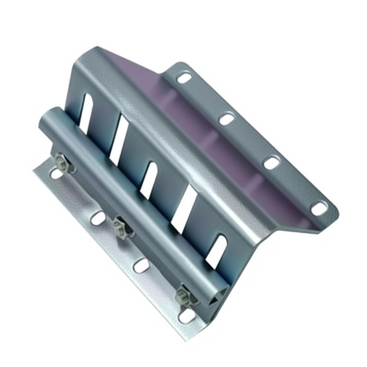
A critical pain point for maintenance technicians is the occurrence of load imbalance, frequently manifesting as uneven cable tension, accelerated bearing wear, or shaft misalignment. Structural analysis reveals that even minor deviations in bracket installation or material deformation under cyclic loading can disrupt the intended load path. This, in turn, compromises the balancing function of the torsion system, leading to increased maintenance intervals and potential safety hazards.
From a structural systems engineering perspective, the geometry and material selection of end bearing plates brackets are paramount. Typically fabricated from cold-rolled steel or zinc-plated steel for corrosion resistance, these brackets must possess sufficient yield strength and rigidity to withstand both static loads (door weight at rest) and dynamic loads (forces during lifting and closing cycles). The bracket’s mounting footprint, hole pattern, and reinforcement features—such as gussets or flanges—are designed to distribute bearing loads over a larger wall area, minimizing localized stress concentrations.
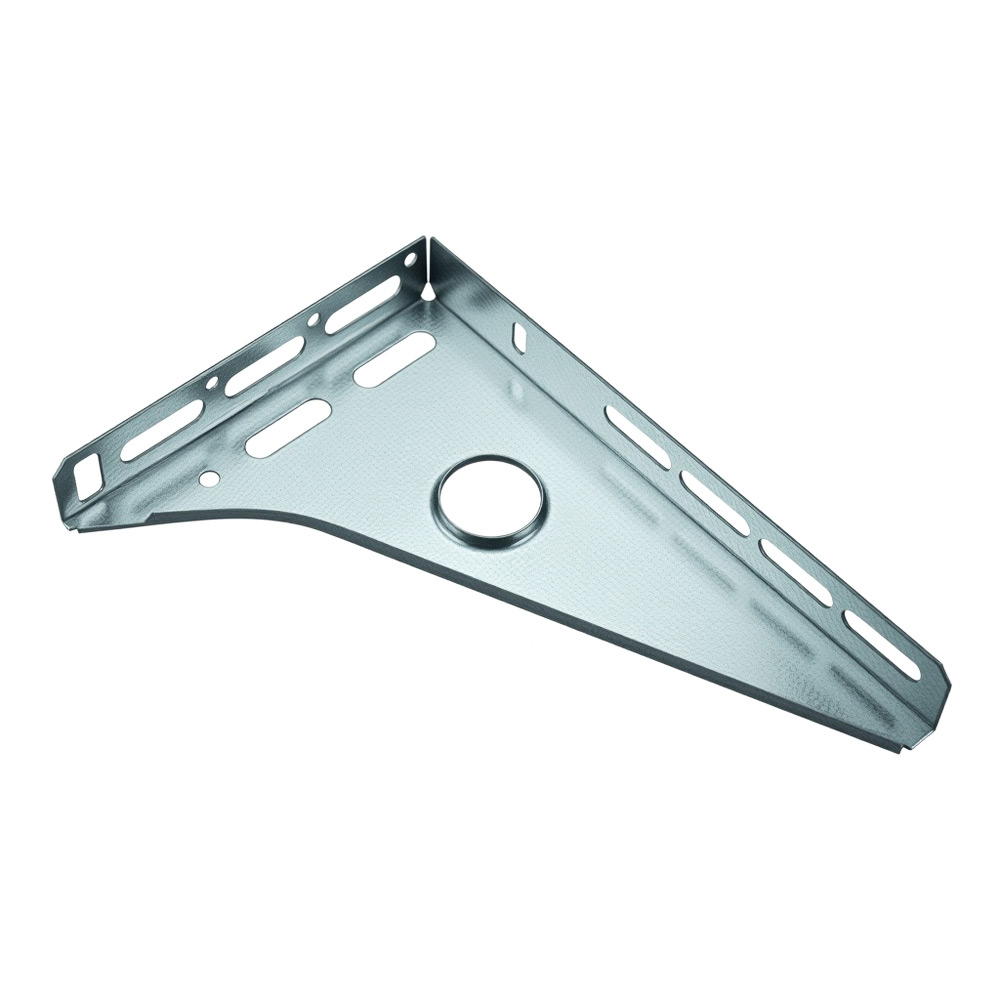
The market for garage door end bearing plates brackets encompasses a range of configurations, tailored to door size, shaft diameter, and operational frequency. In North American and European markets, standardized bracket designs are governed by industry norms such as ANSI/DASMA 102 and EN 13241, which specify minimum material thickness, dimensional tolerances, and load ratings. Compliance with these standards is essential for ensuring interchangeability and safety in both residential and commercial installations. For reference, ANSI/DASMA 102 can be accessed at the official DASMA website.
The selection process for end bearing plates brackets involves a technical assessment of several parameters:
- Door Weight and Width: Heavier and wider doors generate greater shaft loads, necessitating brackets with increased thickness and reinforced mounting.
- Shaft Diameter and Bearing Type: The bracket’s center bore and mounting provisions must match the shaft and bearing assembly, ensuring proper fit and load transfer.
- Mounting Substrate: The structural integrity of the mounting wall or jamb determines the allowable fastener type and bracket footprint. Masonry installations, for example, may require larger anchor bolts and wider brackets.
Load-distribution dynamics are further complicated by operational factors such as door speed, frequency of cycles, and environmental exposure. High-cycle commercial doors impose repetitive stress on bracket welds and mounting points, increasing the risk of fatigue failure if not properly engineered. Corrosive environments, such as coastal installations, demand materials with enhanced corrosion resistance or additional protective coatings.
A recurring challenge identified by maintenance technicians is the onset of premature wear due to load imbalance. This phenomenon often originates from misaligned bracket installation, uneven wall surfaces, or insufficient bracket rigidity. When the load path is disrupted, one side of the torsion shaft may experience higher bearing loads, leading to accelerated bearing degradation and increased shaft deflection. In extreme cases, this can result in shaft binding or even catastrophic failure of the lifting system.
To address these issues, a rigorous structural load path analysis is recommended during both initial installation and periodic maintenance. This process involves:
- Verifying Bracket Alignment: Ensuring that end bearing plates brackets are installed perpendicular to the shaft axis and parallel to each other, minimizing angular misalignment.
- Assessing Fastener Integrity: Confirming that all mounting fasteners are torqued to specification and that the substrate provides adequate support without signs of cracking or deformation.
- Inspecting for Deformation: Monitoring brackets for signs of bending, elongation of mounting holes, or weld fatigue, particularly in high-cycle applications.
Laboratory Testing Block
GARAGE DOOR END BEARING PLATES BRACKETS – CYCLIC LOAD TEST SUMMARY (Test ID: GD-EBPB-2024-06)
- Objective: Evaluate deformation and fatigue life under simulated 50,000 open/close cycles.
- Findings: Brackets with gusset reinforcement exhibited 30% lower deflection and 2.5x longer fatigue life compared to non-reinforced designs. Failure modes included weld cracking and mounting hole elongation in non-reinforced samples.
End of Test Block
Forecast and engineering trends for garage door end bearing plates brackets
The market perspective on garage door end bearing plates brackets is shaped by evolving building codes, increased demand for high-cycle door systems, and the shift toward predictive maintenance. Manufacturers are responding with advanced bracket designs incorporating high-strength alloys, precision stamping, and modular mounting features. For maintenance specialists, this translates to a broader selection of components but also a heightened need for technical evaluation based on actual load paths and operational profiles.
Industry trends indicate a gradual move toward integrated bracket-and-bearing assemblies, reducing installation complexity and potential misalignment. However, this approach also requires careful consideration of compatibility with existing shaft and spring hardware. The adoption of digital maintenance tracking and load monitoring sensors is enabling predictive identification of load imbalance, allowing for proactive replacement of brackets before failure occurs.
- Increased Emphasis on Load Path Optimization: As doors become larger and cycle counts rise, the importance of precise load distribution will intensify. Bracket designs will continue to evolve with finite element modeling and real-world fatigue data guiding material selection and geometry.
- Material Advancements: The use of advanced coatings, such as hot-dip galvanizing or powder coating, will become standard in corrosive environments. High-strength, low-alloy steels may replace traditional mild steel in heavy-duty applications.
- Standardization and Compliance: Regulatory bodies are expected to further harmonize bracket standards, with increased scrutiny on fatigue performance and load rating transparency. Maintenance documentation will increasingly require traceable bracket specifications and installation records.
- Integration with Predictive Maintenance Systems: As IoT-enabled sensors become more prevalent, real-time load data will inform bracket selection and replacement schedules, reducing the risk of unplanned downtime.
For mechanical maintenance specialists, the core pain point of load imbalance and premature wear remains central to daily operations. Addressing this challenge requires a disciplined approach to structural load path analysis, rigorous installation practices, and continuous monitoring for signs of bracket or bearing degradation. The evolution of bracket technology and predictive maintenance tools offers new opportunities to enhance reliability, but only when paired with a deep understanding of the underlying load-distribution dynamics.
Technical Recommendation:
Verify all load parameters during installation and maintenance of garage door end bearing plates brackets. Ensure that bracket selection, alignment, and mounting substrate meet or exceed the operational load requirements as defined by ANSI/DASMA 102 or applicable regional standards. Conduct regular inspections for deformation, fastener integrity, and bearing condition. Only through systematic engineering review can the risks associated with load imbalance and premature wear be effectively mitigated.
Enhancing reliability with advanced garage door end bearing plates brackets
For further technical resources on garage door end bearing plates brackets, including installation tutorials and engineering specifications, visit the Especificaciones técnicas o Tutoriales de instalación sections. For detailed product data, refer to the Soportes category at Baoteng.
For professional support or to request a sample, please contact the Baoteng technical team.
Reviewed by Senior Garage Door Hardware Engineer
 English
  Русский
  日本語
日本語  한국어
한국어  Français
  Deutsch
  العربية
  Português
  Español