
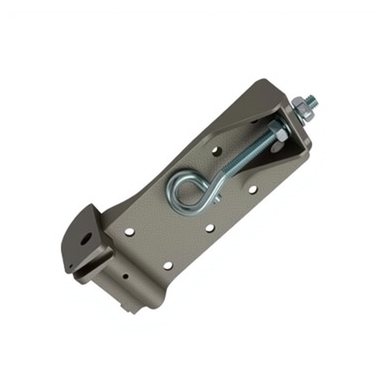
Engineering load balance and durability in garage door torsion spring bracket systems
Proper management of torque and load distribution in a garage door torsion spring bracket is vital for reliable lifting system performance. By understanding the mechanical principles and maintenance strategies behind these brackets, technicians can prevent premature failure and ensure structural durability in both residential and commercial applications.
Principles of load management in garage door torsion spring bracket design
The garage door torsion spring bracket is a critical component in sectional door lifting systems, directly responsible for the secure anchoring and efficient transfer of spring-generated torque. For mechanical maintenance specialists and experienced technicians, understanding the structural and fatigue characteristics of these brackets is essential for ensuring reliable door operation and preventing early component failure. This discussion examines the mechanics of load balancing, the principles underlying robust bracket design, and the validation methods used to confirm bracket integrity under cyclic loading. Emphasis is placed on the importance of proper load distribution and torque management, as these factors are central to the bracket’s role in maintaining the equilibrium of the entire torsion spring system.
In most modern sectional garage doors, the torsion spring bracket is mounted at the header or end plate, serving as the primary interface between the spring shaft and the building structure. Its function extends beyond simple support; it must withstand fluctuating torsional forces, absorb shock loads during door movement, and maintain precise alignment to avoid introducing eccentric stresses. When load imbalance occurs—often due to uneven spring tension, misalignment, or bracket deformation—the bracket is subjected to localized stress concentrations, accelerating fatigue and increasing the risk of sudden failure. This core pain point, if unaddressed, can compromise the entire lifting mechanism and result in costly downtime or hazardous incidents.
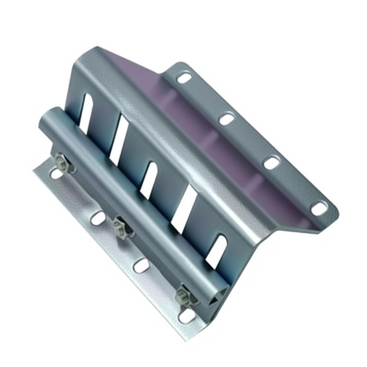
A thorough understanding of the bracket’s structural load path is fundamental to both design and maintenance. The bracket must transmit the torque generated by the wound torsion spring to the shaft, which in turn rotates the cable drums and lifts the door. The magnitude and direction of these forces fluctuate with each cycle, especially as the door transitions between open and closed positions. The bracket’s mounting hardware—typically lag screws or through-bolts—must anchor into solid framing to prevent pull-out or progressive loosening under repeated loading. The interface between the bracket and the spring shaft must also accommodate minor misalignments while minimizing friction and wear.
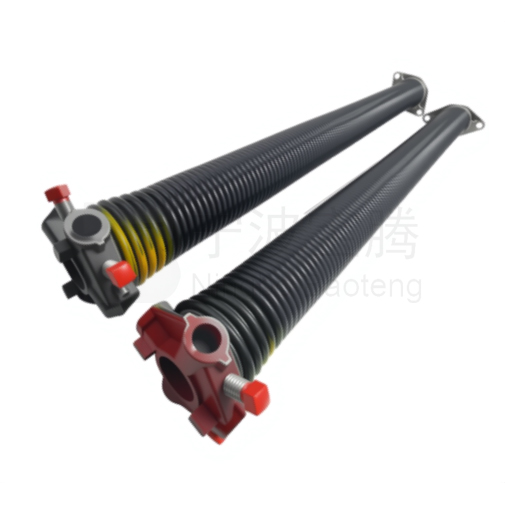
Material selection for torsion spring brackets is another critical factor in fatigue resistance. High-strength, cold-rolled steel is commonly used due to its favorable yield properties and resistance to crack propagation. The bracket’s geometry—particularly the fillet radii at load-bearing corners, the thickness of the mounting plate, and the reinforcement of bolt holes—directly influences its ability to distribute stress and avoid premature yielding. Inadequate material quality or poor fabrication (such as sharp internal corners or undercut bolt holes) can create stress risers, which are common initiation points for fatigue cracks.
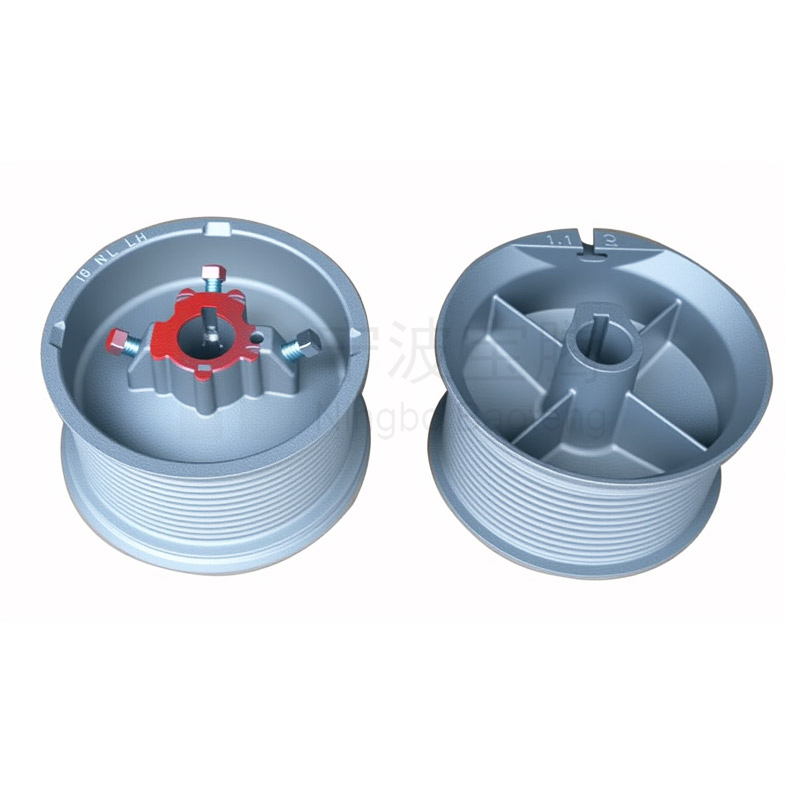
From a maintenance perspective, the most frequent cause of bracket failure is not gross overload but rather the gradual accumulation of micro-cracks at stress concentration points. These are often exacerbated by improper installation, such as insufficient torque on mounting fasteners, misaligned shaft bearings, or the use of undersized hardware. For technicians, regular inspection of the bracket’s mounting integrity, visual checks for deformation or cracking, and verification of fastener tightness are essential preventive measures. Lubrication of the shaft-bracket interface can also reduce frictional wear, but care must be taken to avoid contaminating the spring coils, which could alter their performance.
The principles governing effective load distribution in garage door torsion spring brackets are rooted in classical mechanics and materials science. The bracket must act as a rigid anchor, ensuring that the spring’s torque is transmitted evenly to both sides of the door. Any asymmetry in the system—whether from uneven spring winding, off-center mounting, or bracket deformation—will result in uneven cable tension and increased wear on the lifting hardware. This is particularly problematic in wide or heavy doors, where the forces involved are substantial and even minor misalignments can produce significant side loads.
To address the core pain point of load imbalance, engineers employ several design strategies. Reinforced gussets or flanges may be added to the bracket to increase its moment of inertia and reduce flexing. Bolt patterns are optimized to distribute loads over a larger area of the supporting structure, minimizing the risk of localized crushing or pull-out. In high-cycle or heavy-duty applications, brackets may be fabricated from thicker plate or incorporate welded stiffeners to further enhance fatigue resistance. The use of finite element analysis (FEA) during the design phase allows for detailed mapping of stress concentrations and the identification of potential failure points before fabrication.
Industry standards, such as those from the American National Standards Institute (ANSI) and the Door & Access Systems Manufacturers Association (DASMA), specify minimum material properties, allowable deflections, and safety factors for torsion spring hardware. For example, DASMA Technical Data Sheet #161 provides guidelines on torsion spring mounting and bracket requirements for sectional doors. Adherence to these standards is essential for ensuring that the bracket performs reliably over its intended service life. For further reference, see the official ANSI standards page y DASMA technical resources (both links open in a new tab).
Validation and inspection of garage door torsion spring bracket performance
Validation of bracket performance is typically achieved through a combination of laboratory testing and field observation. Laboratory tests may include static load tests, where the bracket is subjected to increasing torque until yielding or fracture occurs, and fatigue tests, where the bracket is cycled through thousands of load-unload sequences to simulate years of service. Instrumented testing can reveal the onset of micro-cracking, bolt loosening, or deformation long before catastrophic failure. Field validation involves periodic inspection of installed brackets, monitoring for signs of distress such as paint cracking, metal distortion, or unusual noise during operation.
STATIC LOAD TEST – EXPERIMENT #BT-TB-2024-03
Maximum applied torque: 650 Nm | Yield observed at 590 Nm | No fracture at standard operating loads
Conclusion: Bracket design meets recommended safety factor for typical residential sectional doors
In practice, the most reliable indicator of bracket performance is its ability to maintain shaft alignment and load balance throughout the door’s operational cycle. Any observed deviation—such as uneven cable tension, door skewing, or abnormal resistance during lifting—should prompt immediate inspection of the bracket and associated hardware. For maintenance specialists, establishing a routine inspection schedule, including non-destructive testing (NDT) methods such as dye penetrant or magnetic particle inspection, can help detect early-stage fatigue cracks that are not visible to the naked eye.
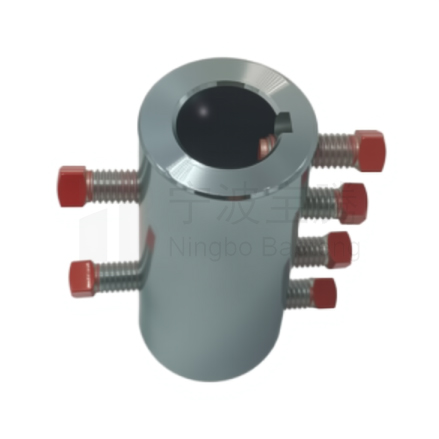
- Material yield strength and ductility (preferably certified by mill test reports)
- Plate thickness and reinforcement geometry
- Mounting hardware grade and installation torque
- Compatibility with shaft diameter and bearing type
- Compliance with relevant ANSI and DASMA standards
Failure to address these parameters can result in under-specified brackets that are prone to early fatigue or catastrophic failure under peak loads. For heavy commercial doors or high-cycle environments, it is advisable to select brackets with a higher safety factor and to consider the cumulative effects of environmental factors such as corrosion, temperature cycling, and vibration.
In summary, the garage door torsion spring bracket is a structurally critical element whose design and maintenance directly impact the safety and reliability of sectional door lifting systems. The core issue of load imbalance—manifested as premature bracket fatigue or failure—can be effectively mitigated through rigorous attention to structural load paths, material selection, and adherence to engineering standards. For mechanical maintenance specialists, a disciplined approach to inspection, validation, and component selection is the most effective strategy for ensuring long-term system integrity.
Ensuring long-term reliability of garage door torsion spring brackets
To ensure the continued performance and safety of garage door lifting systems, always verify bracket parameters using engineering-grade safety checks. Confirm that each bracket is installed according to manufacturer specifications and that all load-bearing connections are routinely inspected for signs of fatigue or loosening. For detailed technical guidance, consult the latest DASMA and ANSI standards, and consider engaging with a qualified mechanical engineer for complex or high-load applications.
For more information about garage door hardware components and technical support, visit the Baoteng bracket product page or review our especificaciones técnicas for detailed compliance data.
Reviewed by Senior Garage Door Hardware Engineer
 English
  Русский
  日本語
日本語  한국어
한국어  Français
  Deutsch
  العربية
  Português
  Español