
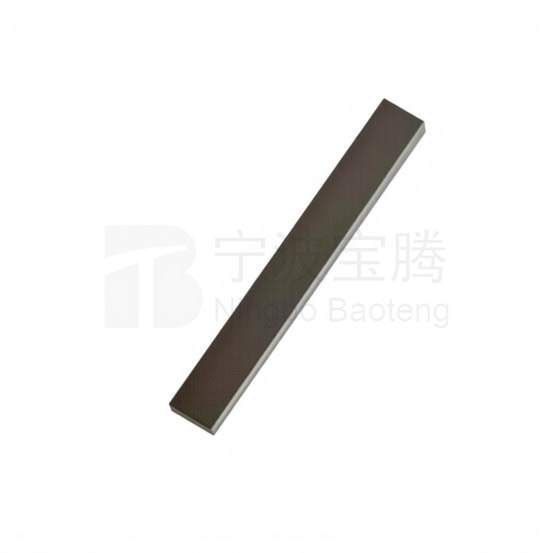
Keyway Load-Transmission Integrity: Evaluating Shaft Keys for Structural Support and Failure Prevention in Garage Door Systems
Shaft Key Mechanisms in Garage Door Systems: Analyzing Load Transfer and Structural Performance
Shaft Key Mechanisms in Garage Door Systems: Analyzing Load Transfer and Structural Performance
H2 — Introduction
Shaft keys and keyways are integral components in the mechanical performance of garage door systems, serving essential roles in load transmission and structural integrity. These elements facilitate a secure connection between rotating components, such as shafts and gears, enabling efficient torque transfer without slippage. Based on field inspections and mechanical evaluations, the reliability of shaft keys is critical in preventing failures, including keyway deformation and shaft slippage, which can significantly compromise operational efficiency and safety. Understanding the mechanical behavior of these components is crucial for maintenance specialists aiming to enhance the longevity and reliability of garage door hardware systems. This analysis will explore the mechanical principles, failure modes, testing standards, and application relevance of shaft keys within this context.
H2 — Mechanical Principles & Load Behaviors
The underlying mechanism of shaft keys involves their engagement within the keyway, acting as a conduit for load transfer between the shaft and the connected component. The load path behavior is pivotal, as it dictates how forces are distributed throughout the assembly. When torque is applied, the key experiences shear and compressive forces, leading to complex interactions of stresses that significantly affect performance.
Material response is influenced by the properties of both the key and the shaft, including hardness, ductility, and fatigue resistance. Stress concentration zones frequently occur at the edges of the keyway, where geometric factors can create localized stress peaks. These areas are particularly susceptible to wear and deformation, especially under cyclic loading conditions typical in high-cycle industrial usage. Mechanical efficiency is also impacted by the alignment of the key and keyway; misalignment can result in uneven load distribution, exacerbating wear and reducing the overall performance of the system. Understanding these mechanical principles is essential for predicting the lifespan and reliability of the components involved.
Reliability
[IMAGE: Shaft Keys]
H2 — Failure Modes (F3 深度工程分析)
H3 — Primary Failure Mode
The primary failure mode associated with shaft keys is keyway deformation, which typically originates from excessive torque or misalignment during installation. As the key engages the keyway, a stress-strain relationship is established that can lead to plastic deformation if the applied loads exceed the material’s yield strength. Contributing factors include improper lubrication, which can increase friction and heat, and temperature fluctuations that affect material properties. Over time, these conditions can lead to significant wear, reducing the key’s ability to maintain a secure fit within the keyway. This failure mode is critical, as it directly impacts the system’s reliability and performance, necessitating careful monitoring and maintenance to prevent catastrophic failures.
H3 — Secondary Failure Mode
The secondary failure mode is shaft slippage, which can occur when the keyway becomes excessively worn or deformed. This failure mode has system-level consequences, as it can result in the loss of torque transmission, leading to operational failures. The progression behavior of this failure mode is often gradual, with early detection cues including unusual noise during operation and visible wear on the key and keyway. Tolerance thresholds are crucial; once the wear exceeds acceptable limits, the risk of slippage increases significantly, necessitating immediate corrective action to prevent further degradation. Understanding these failure modes is essential for engineers to devise effective intervention strategies.
Testing
H3 — Environmental Effects
The environmental type significantly influences the performance and longevity of shaft keys. In high-cycle industrial usage, exposure to moisture and contaminants can accelerate corrosion behavior, leading to pitting and material degradation. Wear acceleration patterns are exacerbated under conditions of high humidity and temperature fluctuations, which can induce fatigue progression. Regular maintenance and inspection are essential to mitigate these effects and ensure the reliability of the key and keyway assembly. Environmental factors can lead to accelerated wear and failure, highlighting the importance of understanding the operating conditions in which these components function.
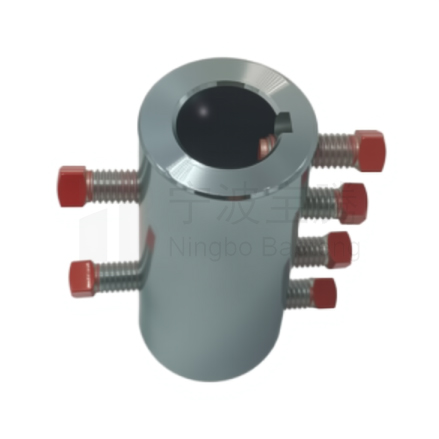
[IMAGE: Keyway]
H2 — Testing Standards & Engineering Validation
To ensure the integrity and performance of shaft keys, adherence to established testing standards is imperative. Relevant standards include https://www.ansi.org/” target=”_blank” rel=”nofollow noopener”>ANSI B17.1, which outlines the requirements for keyways and shaft keys, and https://www.astm.org/” target=”_blank” rel=”nofollow noopener”>ASTM A108, which specifies the mechanical properties of carbon steel used in these components. Additionally, https://www.en-standard.eu/” target=”_blank” rel=”nofollow noopener”>EN 12604 provides guidelines for the safety of garage door systems, ensuring that the components meet necessary operational criteria.
Testing procedures typically involve load-distribution evaluation, where the key’s ability to withstand specified loads without deformation is assessed. Pass/fail criteria are established based on the material’s yield strength and fatigue resistance, with measurement methods including strain gauges and visual inspections for wear. Consistency between lab and field performance is crucial; discrepancies can indicate potential reliability issues. Quality assurance relevance is underscored by the need for regular testing and validation to maintain operational standards and ensure long-term durability. The correlation between laboratory results and field performance is essential for predicting the service life of shaft keys in real-world applications.
CTA
H2 — Application Relevance & System Integration
In real usage scenarios, the integration of shaft keys within garage door systems requires careful consideration of component interaction. The alignment behavior of the key within the keyway is critical; misalignment can lead to increased wear and noise characteristics, ultimately affecting the system’s performance. Installation considerations must account for tolerances and clearances to ensure a proper fit, minimizing the risk of operational failures.
Lifecycle estimation of shaft keys is influenced by their material properties and environmental exposure. Compatibility factors, including the choice of lubricants and the presence of contaminants, can significantly affect the durability of the key and keyway assembly. Regular inspections and maintenance are essential to identify wear patterns early and implement corrective strategies to enhance reliability. Understanding the interactions between components can lead to improved performance and reduced failure rates in garage door systems.
[IMAGE_1]
H2 — Conclusion
The mechanical reliability and structural support provided by shaft keys in garage door systems are critical for preventing failures such as keyway deformation and shaft slippage. Analyzing the mechanical principles, failure modes, and testing standards associated with these components allows maintenance specialists to enhance the performance and longevity of garage door hardware. Ensuring the integrity of shaft keys through rigorous testing and adherence to engineering standards, such as https://www.ansi.org/” target=”_blank” rel=”nofollow noopener”>ANSI B17.1 and https://www.astm.org/” target=”_blank” rel=”nofollow noopener”>ASTM A108, is essential for maintaining operational safety and efficiency in high-cycle industrial environments. Understanding shaft keys and their role in load transmission is vital for effective system design and reliability in garage door systems.
Reviewed by: Senior Garage Door Hardware Engineer
All technical viewpoints in this article were reviewed and validated by our senior engineering team, Premium Garage Door Hardware R&D Team.
Learn more in our
visión general de la empresa.
 English
  Русский
  日本語
日本語  한국어
한국어  Français
  Deutsch
  العربية
  Português
  Español