
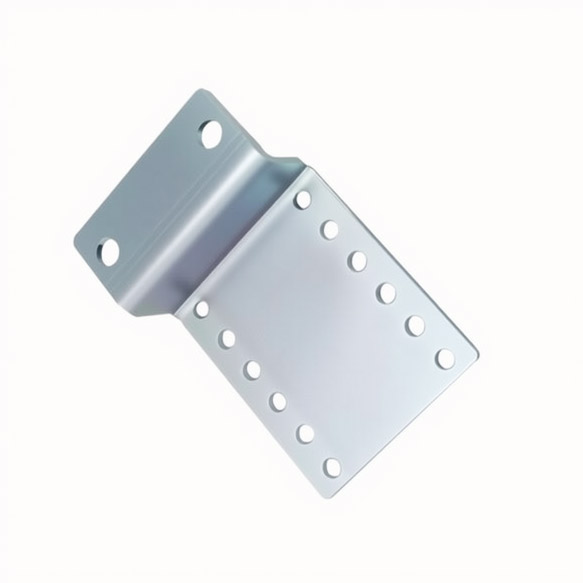
Mechanical load path insights for Pusher Plate stability in garage door assemblies
In garage door and industrial panel systems, the Pusher Plate is essential for distributing lifting and balancing forces, directly impacting operational reliability. Understanding its mechanical load path is crucial for maintaining system equilibrium and preventing premature wear or failure.
Principles of Pusher Plate Load Distribution
In the context of sectional garage doors and similar mechanical assemblies, pusher plates play a pivotal role in managing how force is transferred during lifting, balancing, and load-bearing operations. A comprehensive understanding of the mechanical load path within these systems is essential for maintenance professionals seeking to ensure operational stability and reliability. When load imbalance arises, it can lead to premature wear, misalignment, or even catastrophic failure of door systems. This article, authored from the perspective of a seasoned garage door technician, systematically explores the underlying mechanics, functional principles, and real-world applications of pusher plates, with a focus on load-distribution dynamics and the persistent challenge of maintaining equilibrium under variable loading conditions.
Pusher plates are engineered components designed to distribute force from an actuator or drive mechanism—such as a torsion spring assembly or lifting cable—across the broader structure of a sectional door. Their primary function is to prevent localized stress concentrations, which can otherwise cause deformation, fatigue, or failure of the door panel or track system. The analysis of mechanical load paths in these assemblies reveals how even subtle imbalances can propagate through the system, underscoring the importance of precise engineering and routine maintenance.
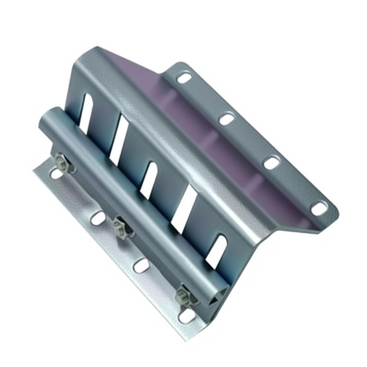
Understanding the operational context of pusher plates requires an appreciation for the complex interplay between static and dynamic loads. In a typical sectional door, the weight of the door is offset by a counterbalance system—often torsion springs—while the pusher plate transmits the lifting force from the drive mechanism to the door sections. If the pusher plate is improperly sized, misaligned, or fabricated from inadequate materials, load imbalance can result. This imbalance manifests as uneven movement, excessive wear on rollers and tracks, and increased risk of mechanical failure.
From a maintenance specialist’s perspective, the core pain point is the recognition and mitigation of these load imbalances. Routine inspection protocols should include checks for visible deformation of the pusher plate, unusual wear patterns on adjacent components, and verification of secure attachment points. Mechanical load path analysis, an essential diagnostic tool, involves tracing the transfer of force from the actuator through the pusher plate and into the structural members of the door. This process enables the identification of weak points or misalignments that could compromise the system’s integrity.
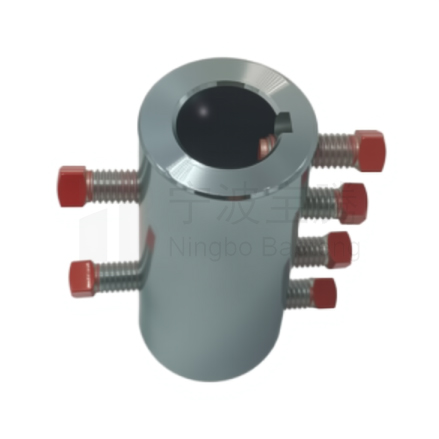
At the heart of pusher plate functionality lies the principle of distributed loading. Unlike point-loading, where force is applied to a single location, distributed loading spreads the force across a larger area, reducing peak stresses and enhancing structural longevity. The geometry of the pusher plate—its thickness, width, and mounting configuration—directly influences its ability to distribute load effectively. Material selection is equally critical; high-strength steels or engineered composites are preferred for their superior fatigue resistance and dimensional stability.
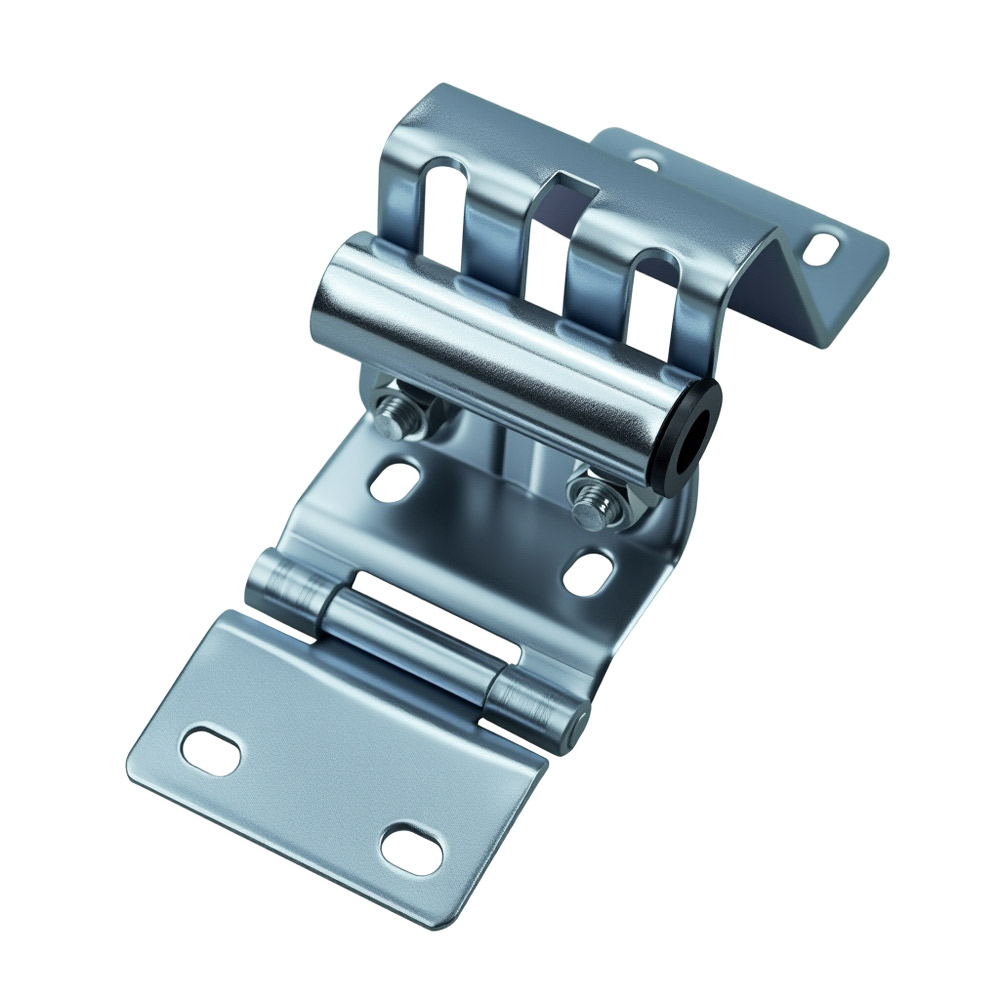
During lifting operations, the pusher plate must accommodate not only the static weight of the door but also dynamic forces resulting from acceleration, deceleration, and potential impact loads. Load path analysis reveals that any discontinuity—such as a crack, improper weld, or loose fastener—can disrupt the even flow of force, causing localized overloads. Over time, these overloads may lead to plastic deformation or sudden failure, particularly in high-cycle environments.
To address the persistent issue of load imbalance, maintenance professionals should adopt a systematic approach to inspection and remediation. Key steps include:
- Visual and tactile inspection of the pusher plate for signs of bending, cracking, or corrosion.
- Measurement of deflection under load, using dial indicators or laser alignment tools, to detect uneven force distribution.
- Verification of fastener torque and integrity, ensuring that all mounting points are secure and free from elongation or wear.
- Assessment of adjacent hardware—rollers, tracks, and hinges—for secondary signs of imbalance, such as uneven wear or misalignment.
Material degradation is another critical factor influencing pusher plate performance. Exposure to corrosive environments, temperature fluctuations, and repeated loading cycles can reduce the effective strength of the plate. Maintenance protocols should specify periodic cleaning, lubrication of moving interfaces, and, where necessary, application of protective coatings. In cases where material fatigue is suspected, non-destructive testing methods—such as dye penetrant inspection or ultrasonic thickness measurement—can be employed to assess structural integrity without disassembly.
Industry standards, such as those outlined by the American National Standards Institute (ANSI) and the International Organization for Standardization (ISO), provide guidelines for the design and testing of load-bearing components in mechanical assemblies. For example, ANSI/DASMA 102 specifies minimum material thickness and performance criteria for garage door hardware, including pusher plates. Adherence to these standards is essential for ensuring safety and compliance in both new installations and retrofit applications.
Material degradation is another critical factor influencing pusher plate performance. Exposure to corrosive environments, temperature fluctuations, and repeated loading cycles can reduce the effective strength of the plate. Maintenance protocols should specify periodic cleaning, lubrication of moving interfaces, and, where necessary, application of protective coatings. In cases where material fatigue is suspected, non-destructive testing methods—such as dye penetrant inspection or ultrasonic thickness measurement—can be employed to assess structural integrity without disassembly.
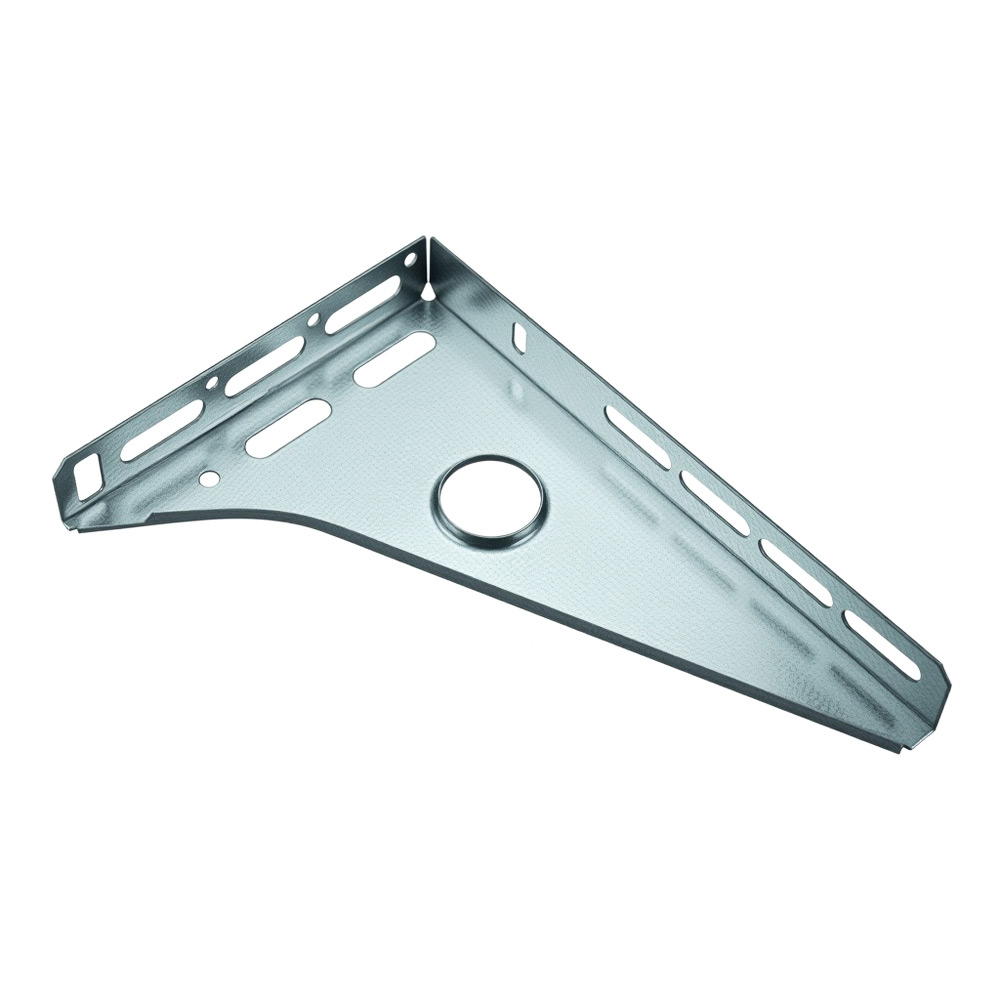
- Test Objective: Evaluate the fatigue life of standard steel pusher plates under cyclic loading representative of 10,000 door cycles.
- Result: Plates exhibited no visible deformation or crack initiation up to 9,800 cycles; minor surface wear observed at mounting holes.
- Conclusion: Properly specified pusher plates maintain structural integrity under typical service conditions, provided that mounting hardware is periodically inspected and replaced as necessary.
Applications and Load Path Considerations for Pusher Plate Systems
In practical applications, pusher plates are found not only in residential garage doors but also in industrial overhead doors, automated loading bays, and other mechanical systems requiring controlled movement of large panels. The selection and configuration of the pusher plate must be tailored to the specific load profile, door geometry, and operational environment. For example, doors subject to high wind loads or frequent cycling may require reinforced plates with additional gusseting or increased cross-sectional area.
The interaction between the pusher plate and the counterbalance system is of particular interest in load path analysis. An improperly balanced torsion spring assembly can impose asymmetric forces on the pusher plate, exacerbating the risk of load imbalance. Maintenance specialists should verify that the counterbalance system is correctly calibrated and that the pusher plate is centered with respect to the door’s vertical axis. Misalignment in either component can lead to skewed loading, resulting in uneven door movement and accelerated wear.
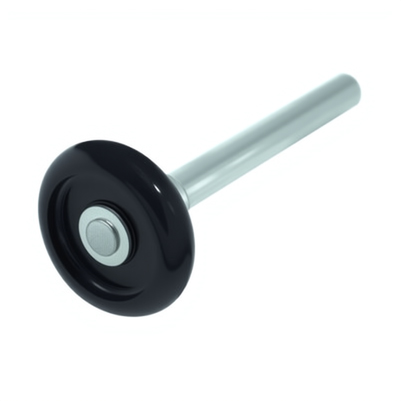
In some advanced installations, load sensors or strain gauges are integrated into the pusher plate or its mounting hardware to provide real-time feedback on force distribution. This data can be used to optimize maintenance intervals, detect emerging imbalances, and prevent unscheduled downtime. While such instrumentation may not be standard in all applications, it represents a forward-looking approach to predictive maintenance and system reliability.
For maintenance professionals, the ongoing challenge is to balance the demands of operational reliability with the realities of wear, environmental exposure, and evolving load profiles. The application of mechanical load path analysis—combined with adherence to industry standards and the use of robust inspection protocols—enables the early detection and correction of load imbalance issues, thereby extending the service life of both the pusher plate and the broader door assembly.
- Confirm plate material and thickness per ANSI/DASMA 102.
- Inspect for signs of fatigue, corrosion, or mechanical damage.
- Verify alignment with door centerline and counterbalance system.
- Measure and record deflection under operational load.
- Replace fasteners showing elongation, corrosion, or thread damage.
- Document all findings and corrective actions for compliance records.
In summary, the pusher plate is a critical component in the mechanical load path of sectional doors, directly influencing the system’s ability to maintain balanced, reliable operation. Addressing the core pain point of load imbalance requires a disciplined approach grounded in engineering principles, regular inspection, and adherence to established standards. Maintenance professionals equipped with a thorough understanding of load-distribution mechanics are best positioned to ensure the safety, durability, and performance of these essential assemblies.
Ensuring Compliance and Technical Support for Pusher Plate Installations
To ensure engineering safety compliance, always verify load parameters for each pusher plate installation. This includes cross-referencing material specifications, confirming proper alignment, and documenting maintenance actions in accordance with recognized standards. For further technical guidance, consult the Baoteng Company Overview or relevant ANSI and ISO documentation.

Reviewed by Senior Garage Door Hardware Engineer
 English
  Русский
  日本語
日本語  한국어
한국어  Français
  Deutsch
  العربية
  Português
  Español