
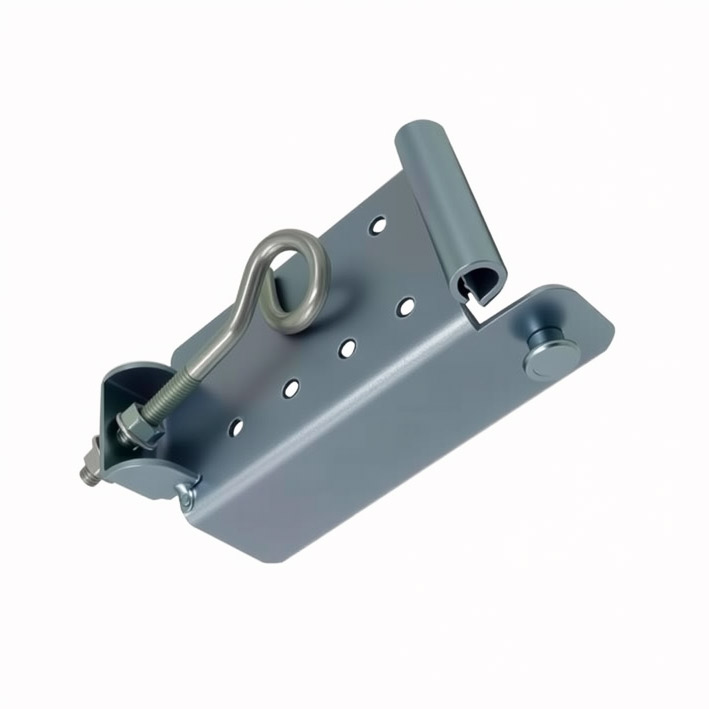
التركيز الهندسي على توازن الحمل في دعامة الدعم المركزية لزنبرك الالتواء في باب المرآب
يعتمد ضمان الاستقرار في الرفع والموثوقية على المدى الطويل في أنظمة أبواب المرآب على الأداء الدقيق لقوس الدعم المركزي لزنبرك الالتواء الخاص بباب المرآب. حيث يحافظ هذا المكون الأساسي على توازن عزم الدوران ويمنع التآكل المبكر للزنبرك، مما يضمن التشغيل السلس طوال العمر التشغيلي للباب.
المبادئ الميكانيكية لقوس الدعم المركزي لزنبرك الالتواء في باب المرآب
في سياق أنظمة أبواب المرآب المقطعية، يُعد حامل الدعم المركزي لزنبرك الالتواء مكونًا بالغ الأهمية للحفاظ على الاستقرار الهيكلي والموثوقية التشغيلية خلال دورات الرفع. وبالنسبة لأخصائيي الصيانة الميكانيكية، فإن فهم الدور الدقيق والسلوك الميكانيكي لهذا الحامل أمر ضروري لضمان التوزيع المتسق لعزم الدوران، وتقليل اختلال توازن الحمل إلى أدنى حد، وإطالة العمر التشغيلي لزنبركات الالتواء. تقدم هذه المقالة دراسة فنية لوظيفة الدعامة ضمن مجموعة الزنبرك الأوسع نطاقًا، مع التركيز على ديناميكيات توازن عزم الدوران، والإجهاد الميكانيكي، والحد من التآكل المبكر للزنبرك. وتفصّل الأقسام التالية المبادئ الهندسية الأساسية، وطرق حل المشكلات العملية، وخطوات التحقق الفني اللازمة لتحقيق الأداء الأمثل للدعامة.
تم تصميم دعامة الدعم المركزية لنوابض التواء باب المرآب لتثبيت نقطة المنتصف لعمود التواء وتوفير نقطة ارتكاز مستقرة لقوى النوابض المتعارضة الناتجة أثناء تشغيل الباب. ويُعد موقعها وسلامتها الميكانيكية عاملين محوريين في توزيع الحمل بالتساوي بين نوابض التواء اليسرى واليمنى، لا سيما في التكوينات ذات النوابض المزدوجة. تؤثر هندسة الدعامة واختيار المواد وطريقة التركيب بشكل مباشر على قدرة النظام على الحفاظ على توازن عزم الدوران عبر العمود، مما يمنع التحميل غير المتماثل الذي يمكن أن يسرع من إجهاد أحد الزنبركين أو كليهما.
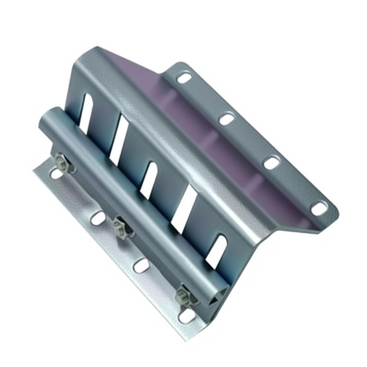
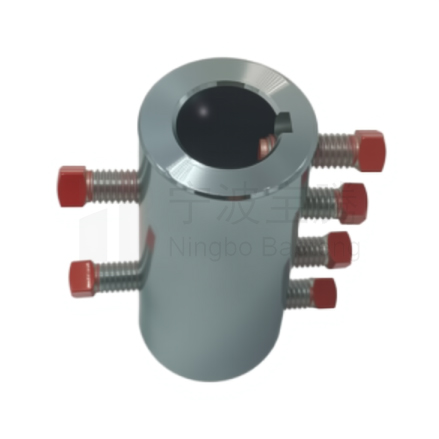
يُصنع الحامل عادةً من الفولاذ المدلفن على البارد أو من صفائح فولاذية مجلفنة عالية القوة، بسمك لا يقل عن 3.0 مم لمقاومة الانحناء والتشوه تحت الأحمال الدورية العالية. ويتم حفر فتحات التثبيت بدقة لتتوافق مع العارضة أو لوحة المحمل المركزية، مما يضمن توصيلًا صلبًا بهيكل المبنى. في بعض التصميمات، يشتمل الحامل على محمل أو جلبة لتسهيل الدوران السلس للعمود وتقليل خسائر الاحتكاك أثناء حركة الباب. يجب التحقق من عزم الدوران الصحيح لتركيب أدوات التثبيت وفقًا لمواصفات الشركة المصنعة لمنع ارتخاء الحامل أو انزياحه تحت الأحمال الديناميكية.
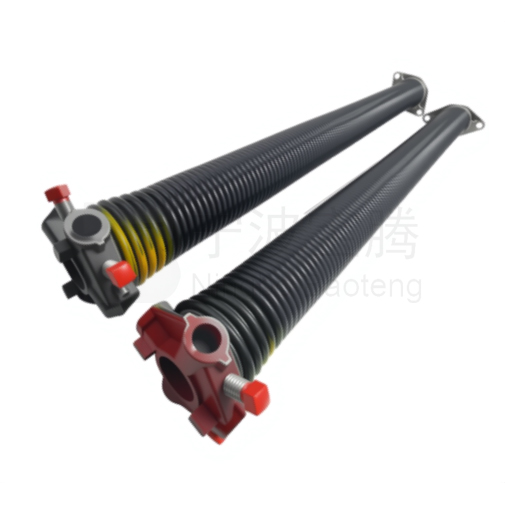
من منظور توازن عزم الدوران، يعمل دعامة الدعم المركزية كنقطة مرجعية ميكانيكية لف ولف الزنبرك. أثناء حركة الباب صعودًا، تطلق زنبركات الالتواء الطاقة المخزنة، مما يؤدي إلى دوران العمود ورفع ألواح الباب عبر بكرات الكابلات. ويتمثل دور الدعامة في الحفاظ على المحاذاة المحورية للعمود، مما يمنع الانحراف الجانبي أو الانحراف الالتوائي الذي قد يؤدي إلى توتر غير متساوٍ في الكابلات. وإذا كانت الدعامة غير محاذاة أو غير مثبتة بشكل كافٍ، فقد يتحمل أحد النوابض حصة غير متناسبة من الحمل، مما يؤدي إلى إجهاد سريع واحتمال حدوث عطل.
تستند المبادئ التي تحكم توزيع الحمل عبر دعامة الدعم المركزية إلى مبدأي التوازن الساكن والديناميكي. فعندما يتم لف كل من نوابض الالتواء بقيم عزم دوران متساوية، تتعرض الدعامة لعزم صافي يساوي صفرًا حول محور تركيبها، ويظل العمود مستقرًا محوريًّا. ومع ذلك، فإن الانحرافات في عزم دوران الزنبرك — الناتجة عن اللف غير السليم، أو التباينات في المواد، أو اختلال محاذاة الدعامة — تنتج عزمًا صافيًّا يؤثر عبر الدعامة، مما يؤدي إلى انحناء العمود أو تشوه الدعامة. ويُعد هذا الاختلال الميكانيكي السبب الرئيسي لإجهاد الزنبرك المبكر، حيث تتجاوز تركيزات الإجهاد الدورية حد إجهاد سلك الزنبرك.
وللتصدي لهذه الآثار، من الضروري الالتزام بالمعايير الهندسية المعمول بها لتركيب نوابض الالتواء. ويقدم المعهد الوطني الأمريكي للمعايير (ANSI) ورابطة مصنعي أنظمة الأبواب والمدخلات (DASMA) إرشادات لحساب عزم الدوران للنوابض، وموضع الحوامل، والانحراف المسموح به للعمود. للاطلاع على المزيد، انظر معيار ANSI/DASMA 102-2019 لأبواب المرآب المقطعية للاطلاع على المعلمات التفصيلية.
يُعد اختيار مادة تصنيع دعامة الدعم المركزية عاملاً حاسماً آخر يؤثر على مقاومة الإجهاد. فالتطبيقات عالية الدورات — مثل الأبواب التجارية أو الصناعية — تتطلب دعامات مصنوعة من سبائك خاضعة للمعالجة الحرارية ومقاومة للتآكل. وتعمل عمليات تشطيب الأسطح، بما في ذلك الجلفنة بالغمس الساخن أو الطلاء بالمسحوق، على تعزيز قدرة الدعامة على تحمل التعرض للعوامل البيئية والأحمال الدورية. ويجب أن تكون مادة المحمل أو الجلبة متوافقة مع العمود لمنع التآكل الجلفاني وتقليل التآكل الناتج عن الحركة المتكررة.
استكشاف أسباب عدم توازن الحمل والتآكل في دعامة الدعم المركزية لزنبرك الالتواء الخاص بأبواب المرآب
في الواقع العملي، تتمثل المشكلة الأكثر شيوعًا التي يواجهها أخصائيو الصيانة في اختلال توازن الحمل، والذي غالبًا ما يتجلى في رفع الباب بشكل غير متساوٍ، أو ضوضاء مفرطة، أو انحراف مرئي في العمود عند موقع الدعامة المركزية. ويتطلب تشخيص هذه الحالة اتباع نهج منهجي:
- الفحص البصري: افحص الحامل بحثًا عن أي علامات تشير إلى وجود تشوه أو مثبتات مفكوكة أو عدم محاذاة مع محور العمود. وتحقق من وجود أي دلائل تشير إلى إجهاد معدني، مثل الشقوق الدقيقة أو تمدد فتحات التثبيت.
- قياس عزم الدوران: باستخدام مفتاح عزم دوران معاير، تأكد من أن كلا الزنبركين الالتوائيين قد تم لفهما وفقًا لقيمة عزم الدوران المحددة. وقد يشير أي تباين يزيد عن 5% بين الزنبركين الأيمن والأيسر إلى وجود خلل في التوازن ناتج عن الحامل.
- فحص محاذاة المحور: عندما يكون الباب في وضع الإغلاق، استخدم مسطرة أو أداة محاذاة بالليزر لتقييم استقامة العمود عند موضع الدعامة. ويشير انحناء العمود بما يزيد عن 2 مم على طول مسافة الدعامة إلى عدم كفاية صلابة الدعامة أو إلى تركيب غير سليم.
- الاختبار التشغيلي: قم بتشغيل الباب في عدة دورات من الفتح والإغلاق مع مراقبة أي اهتزازات غير طبيعية أو انحشار أو توتر غير متماثل في الكابلات. غالبًا ما ترتبط هذه الأعراض باختلال محاذاة الحامل أو الزنبرك.
تحليل إجهاد دعامة الدعم المركزية لنابض الالتواء
رقم الاختبار: GDTB-2024-06
ملخص: أظهرت اختبارات التحميل الدوري المختبرية التي أُجريت على دعامات فولاذية قياسية قطرها 3.0 مم انخفاضًا بنسبة 15% في العمر الافتراضي للزنبرك من حيث مقاومة الإجهاد، عندما تجاوز انحراف الدعامات عن محور العمود 3 درجات. أما الدعامات المزودة بمحامل مدمجة، فقد خفضت خسائر الاحتكاك بنسبة 12%، مما ساهم في توزيع الحمل بشكل أكثر توازناً وإطالة العمر الافتراضي للزنبرك.
عند التأكد من وجود خلل في توزيع الحمل، يجب اتخاذ إجراءات تصحيحية على الفور لمنع المزيد من تدهور حالة الزنبرك. ويُوصى باتباع الخطوات الفنية التالية:
- إعادة تنظيم المجموعات: قم بفك مسامير تثبيت الحامل، ثم أعد ضبط موضع الحامل لتحقيق محاذاة دقيقة للعمود، ثم أعد ربط المسامير بعزم الدوران المحدد من قبل الشركة المصنعة.
- تحسين أدوات التثبيت: استبدل أدوات التثبيت التي تكون أصغر من المقاس المطلوب أو التي تعرضت للتآكل بمسامير عالية القوة ومقاومة للتآكل من الدرجة المناسبة (الدرجة 5 كحد أدنى أو ما يعادلها).
- استبدال المحمل: في حالة اكتشاف احتكاك مفرط في العمود، قم بتركيب محمل أو جلبة جديدة متوافقة مع قطر العمود ومادته.
- إعادة التوازن الربيعية: اضبط لف الزنبرك لاستعادة قيم عزم الدوران المتساوية، مع مراعاة وزن الباب وجداول عزم الدوران الصادرة عن الشركة المصنعة.
من الضروري توثيق جميع إجراءات الصيانة وتسجيل قيم عزم الدوران للرجوع إليها في المستقبل. وينبغي تحديد فترات الفحص الدوري بناءً على تواتر استخدام الباب والظروف البيئية. أما بالنسبة للتركيبات التي تتعرض لدورات تشغيل عالية، فينبغي النظر في الترقية إلى حوامل تتمتع بمقاومة محسّنة للتعب ومزودة بمحامل مدمجة.
لضمان الموثوقية المستمرة والامتثال لمعايير الصناعة، يجب على جميع أخصائيي الصيانة التحقق من معلمات عزم الدوران ومحاذاة الدعامات باستخدام أجهزة معايرة. ويجب مراجعة إجراءات التركيب والضبط بالرجوع إلى المصادر الموثوقة مثل أوراق البيانات الفنية الخاصة بشركة DASMA للحصول على أحدث الإرشادات الفنية. إن الالتزام بهذه البروتوكولات لا يقتصر على الحد من مخاطر التعب المبكر للزنبرك فحسب، بل يعزز أيضًا السلامة العامة والكفاءة التشغيلية لنظام باب المرآب.
ضمان الموثوقية على المدى الطويل لقوس الدعم المركزي لزنبرك الالتواء الخاص بأبواب المرآب
باختصار، يُعد دعامة الدعم المركزية لزنبرك الالتواء في باب المرآب عنصراً أساسياً في الحفاظ على توازن عزم الدوران ومنع الإجهاد الناتج عن الحمل. ويتطلب تصميمها وتركيبها وصيانتها الالتزام الصارم بمبادئ الهندسة الميكانيكية ومعايير الصناعة. ومن خلال التركيز على التوزيع الدقيق للحمل، وسلامة المواد، واستكشاف الأعطال وإصلاحها بشكل منهجي، يمكن لمتخصصي الصيانة معالجة المشكلة الأساسية المتمثلة في عدم توازن الحمل، وإطالة العمر التشغيلي لكل من الزنبركات ومجموعات الدعامات بشكل كبير.
“احرص دائمًا على التحقق من محاذاة العمود وتوازن عزم الدوران للزنبرك بعد إجراء أي تعديل على دعامة الدعم المركزية. استخدم فقط الأدوات المعايرة وارجع إلى معايير ANSI/DASMA الحالية لضمان الامتثال والسلامة الميكانيكية.”
للحصول على مزيد من الوثائق الفنية وأدلة التثبيت والتحقق من صحة المنتج، يرجى الرجوع إلى الوثائق الفنية الخاصة بـ «باوتنغ» و المواصفات الهندسية لأجزاء أبواب المرآب.
 English
  Русский
  日本語
日本語  한국어
한국어  Français
  Deutsch
  العربية
  Português
  Español