
Rolling-Friction Mechanics of Nylon Garage Door Roller for Noise Reduction and Alignment Stability
In garage door systems, the Nylon Garage Door Roller is a critical component for achieving quiet, stable, and reliable sliding performance. By optimizing rolling-friction mechanics, these rollers help maintain precise alignment and minimize operational noise in demanding sliding door applications.
This article explores the technical evaluation of Nylon Garage Door Roller, focusing on how its material properties and bearing design contribute to smooth, long-lasting operation in real-world installations.
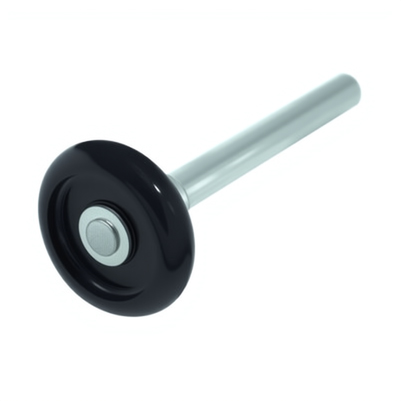
The operational stability of sliding garage doors is fundamentally influenced by the rolling elements that guide their movement along the track. For engineers tasked with optimizing door alignment and minimizing operational noise, the selection and assessment of the nylon garage door roller are of primary concern. The mechanical behavior of these rollers, especially in terms of rolling friction and noise generation, directly impacts the smoothness and reliability of door travel. This article presents a detailed, technically focused analysis of nylon garage door rollers, emphasizing their rolling-friction mechanics, reliability in alignment-critical scenarios, and the methodologies for evaluating their performance in real-world applications.
Nylon garage door rollers are engineered to address the dual challenges of friction management and noise suppression within sectional and sliding door systems. Their polymeric construction, combined with precise bearing integration, is intended to deliver consistent rolling action while minimizing acoustic disturbances and maintaining alignment accuracy. The technical assessment herein is structured to provide alignment engineers with actionable insights into the mechanical properties, reliability factors, and evaluation protocols essential for engineering-grade performance assurance.
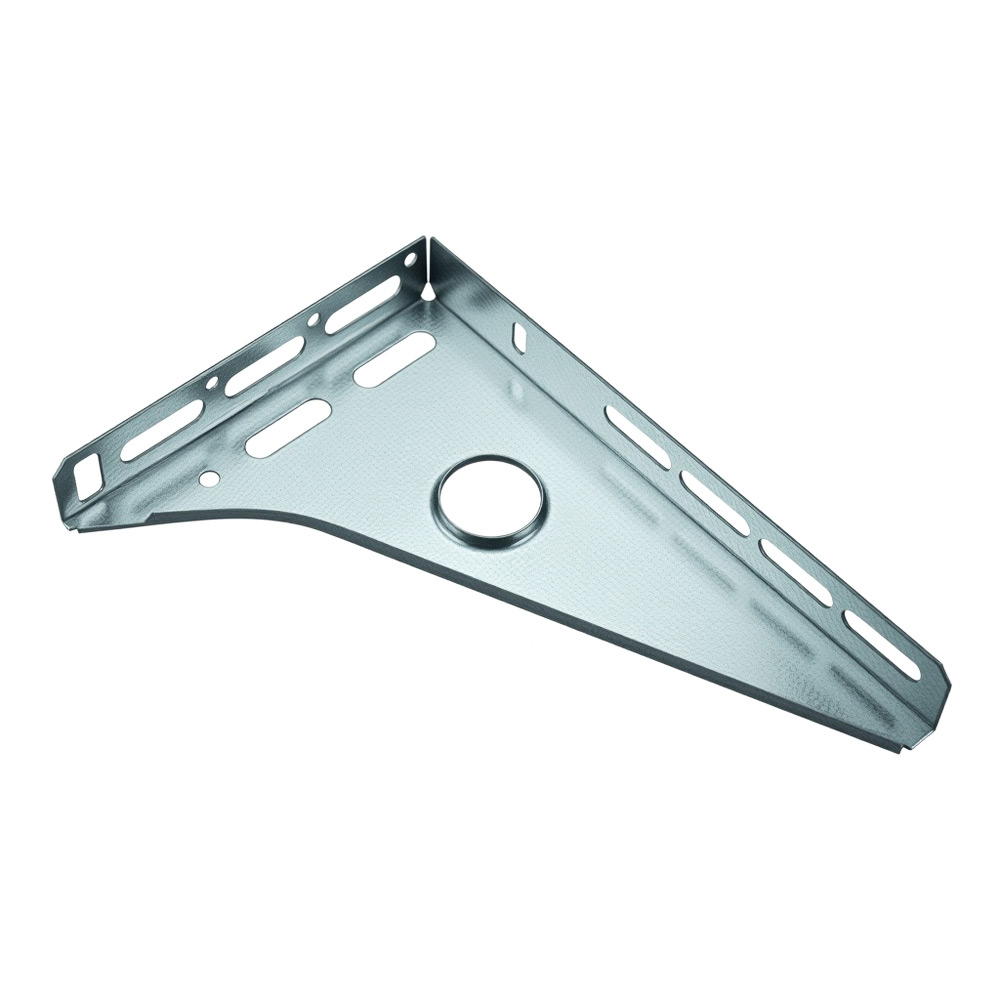
The core mechanical function of the nylon garage door roller is to translate rotational input into linear motion with minimal resistance. The roller typically consists of a nylon tread, steel or polymer inner race, and a ball bearing assembly. The rolling-friction behavior is dictated by the material properties of nylon, the surface finish of both the roller and the track, and the quality of the bearing interface. Nylon, as a thermoplastic polymer, exhibits a low coefficient of friction against galvanized or anodized steel tracks, which is a critical factor in reducing both rolling resistance and noise.
From a rolling-friction mechanics perspective, the performance of the nylon roller is defined by the interplay between normal load, surface roughness, and the viscoelastic properties of the nylon compound. When subjected to the typical loads encountered in residential and light commercial garage doors (ranging from 50 N to 200 N per roller), the nylon tread deforms elastically, distributing contact stresses and dampening high-frequency vibration. This deformation, while beneficial for noise attenuation, must be carefully balanced to prevent excessive flattening that could increase rolling resistance or induce misalignment.
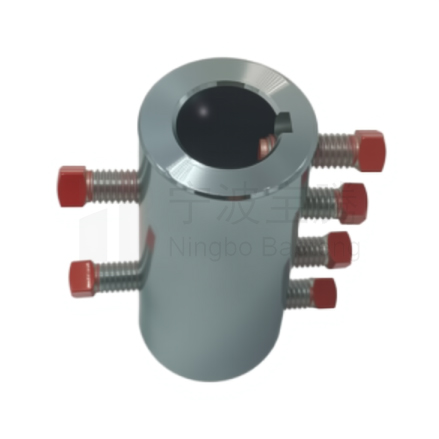
Reliability in sliding and alignment-critical applications is contingent upon the roller’s ability to maintain low and stable rolling friction over extended duty cycles. The bearing assembly, often a sealed or shielded deep-groove ball bearing, is designed to minimize internal friction and protect against contamination. However, the long-term reliability of the nylon tread is equally vital. Repeated rolling cycles can induce micro-abrasion, material creep, or fatigue cracking, particularly if the track surface is rough or contaminated with debris.
Noise and friction control represent the primary engineering pain points in garage door roller selection and application. The acoustic signature of a rolling door is largely determined by the interaction between the roller and the track. Nylon’s inherent damping characteristics enable significant noise reduction compared to metal rollers, but this advantage is only realized if the roller geometry, material composition, and bearing quality are optimized for the specific door mass and track profile. Misaligned tracks, improper roller installation, or substandard bearing lubrication can all exacerbate friction and noise, undermining the intended performance benefits.
Technical evaluation of nylon garage door rollers for alignment engineers involves both laboratory and field-based assessment protocols. Laboratory testing typically includes rolling resistance measurement using instrumented tracks, acoustic emission analysis under varying loads, and accelerated life testing to simulate long-term wear. Key parameters such as coefficient of rolling friction (μr), dynamic load rating of the bearing, and wear rate of the nylon tread are quantified to establish baseline performance metrics.
In field applications, engineers must monitor operational noise levels, door alignment accuracy, and evidence of roller or track wear. A systematic approach involves periodic inspection of roller concentricity, axial play, and surface integrity. Any deviation from specified tolerances can indicate impending reliability issues. For instance, increased rolling resistance or audible squeaking often signals bearing degradation or nylon surface hardening due to thermal cycling.
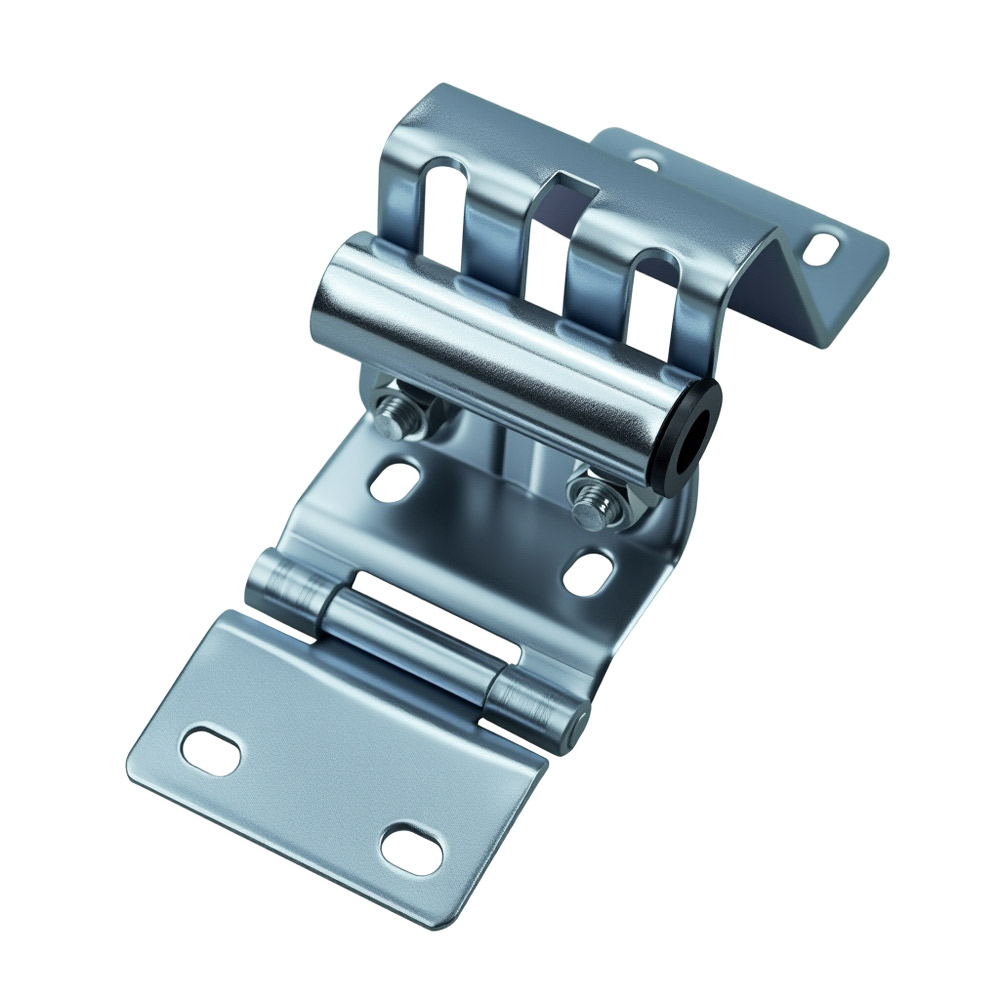
The alignment engineer’s perspective prioritizes the minimization of rolling friction not only for noise control but also to prevent lateral loading and track deformation. Excessive friction can lead to uneven load distribution across rollers, resulting in skewed door panels or premature track wear. Therefore, the integration of high-quality nylon rollers with precision bearings is essential for maintaining the geometric stability of the entire door system.
Material selection for nylon rollers must account for both mechanical and environmental stresses. Engineering-grade nylon (such as PA6 or PA66) is preferred for its balance of strength, toughness, and low friction. Additives such as glass fiber or lubricants may be incorporated to enhance wear resistance or further reduce friction. The roller’s dimensional tolerances, roundness, and surface finish are critical in ensuring uniform contact with the track and minimizing the risk of stress concentrations that could lead to crack initiation.
Track condition is another variable that significantly influences the rolling-friction behavior of nylon rollers. Engineers should specify track materials and surface treatments that are compatible with nylon, avoiding sharp edges or corrosion that could abrade the roller surface. Regular cleaning and inspection protocols are recommended to prevent particulate contamination, which can increase friction and accelerate wear.
Quantitative evaluation of rolling friction involves the use of force sensors or torque transducers to measure the resistance encountered by the roller under controlled loading. Comparative analysis between nylon and alternative roller materials (such as steel or composite) consistently demonstrates the superior noise attenuation and lower rolling resistance of nylon, provided that material quality and bearing integrity are maintained. However, engineers must remain vigilant for signs of material fatigue, especially in high-cycle applications or environments with significant temperature variation.
For alignment engineers, the integration of nylon garage door rollers should be accompanied by a documented maintenance schedule, including periodic lubrication of the bearing (if not permanently lubricated), inspection for tread wear, and verification of concentricity. Any deviation from the manufacturer’s specified parameters should trigger a root-cause analysis, focusing on rolling-friction mechanics and potential sources of increased resistance or noise.
The technical reliability of nylon garage door rollers is ultimately a function of material selection, bearing design, installation accuracy, and ongoing maintenance. Engineers should prioritize rollers with verified rolling-friction coefficients, robust bearing seals, and documented wear resistance under representative loading conditions. Where possible, field data should be correlated with laboratory results to validate the long-term performance of the roller-track system.
In conclusion, the engineering evaluation of nylon garage door rollers must be grounded in a rigorous analysis of rolling-friction behavior, noise generation, and alignment stability. By focusing on the mechanical interactions between the roller, bearing, and track, alignment engineers can systematically address the core pain points of noise and friction control. Reliable operation is achieved through the selection of high-grade nylon materials, precision bearing assemblies, and adherence to best practices in installation and maintenance.
For engineering-grade safety assurance, it is imperative to verify all roller parameters—including coefficient of rolling friction, bearing load rating, and tread wear characteristics—against the operational requirements of the specific door system. Only through such technical diligence can alignment engineers ensure the long-term reliability, noise control, and smooth operation demanded by modern sliding and sectional garage door applications.
For further technical documentation and installation guidance, engineers may refer to Baoteng’s technical resources or review دروس التثبيت for best practices in garage door hardware integration.
 English
  Русский
  日本語
日本語  한국어
한국어  Français
  Deutsch
  العربية
  Português
  Español