
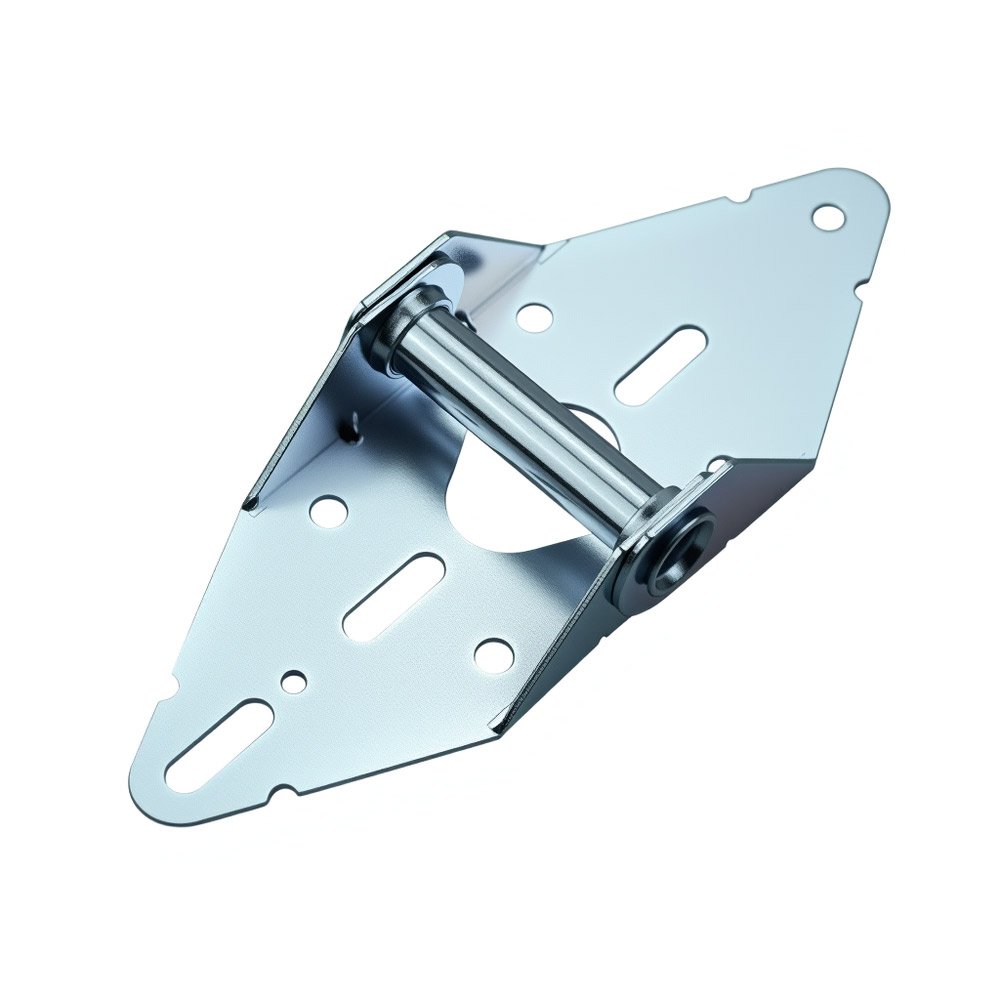
Sectional articulation and load management in heavy duty gate hinges
In industrial and commercial settings, the reliability of heavy duty gate hinges is essential for managing articulation and ensuring consistent load distribution. Proper hinge design and stress dispersion help prevent fatigue failure and maintain the structural integrity of sectional gates exposed to demanding cycles and variable forces.
Mechanical reliability of heavy duty gate hinges in sectional articulation
The articulation of large, sectional gates in industrial and commercial environments places significant mechanical demands on hinge assemblies. For door system designers, the performance of heavy duty gate hinges is critical, particularly in applications where repeated opening and closing cycles, high panel mass, and variable loading conditions are present. Effective management of stress concentration and fatigue is essential to ensure both the durability and the structural integrity of the entire door system. This discussion examines the mechanical behavior of heavy duty gate hinges, emphasizing the role of sectional articulation in dispersing stress and mitigating fatigue failure. The analysis proceeds by detailing hinge construction, exploring the mechanics of stress transfer, and evaluating reliability under real-world articulation scenarios, with a focus on actionable engineering checks for design verification.
Heavy duty gate hinges are engineered to accommodate substantial loads and frequent articulation, often in the context of sectional doors or multi-panel gates. The primary function of these hinges is to provide a pivot point that enables controlled rotation between adjacent sections, while simultaneously transmitting vertical and horizontal forces to the supporting frame. The geometry of the hinge, the selection of materials, and the method of attachment to both the gate and the supporting structure are all critical factors in achieving reliable articulation and effective stress dispersion.
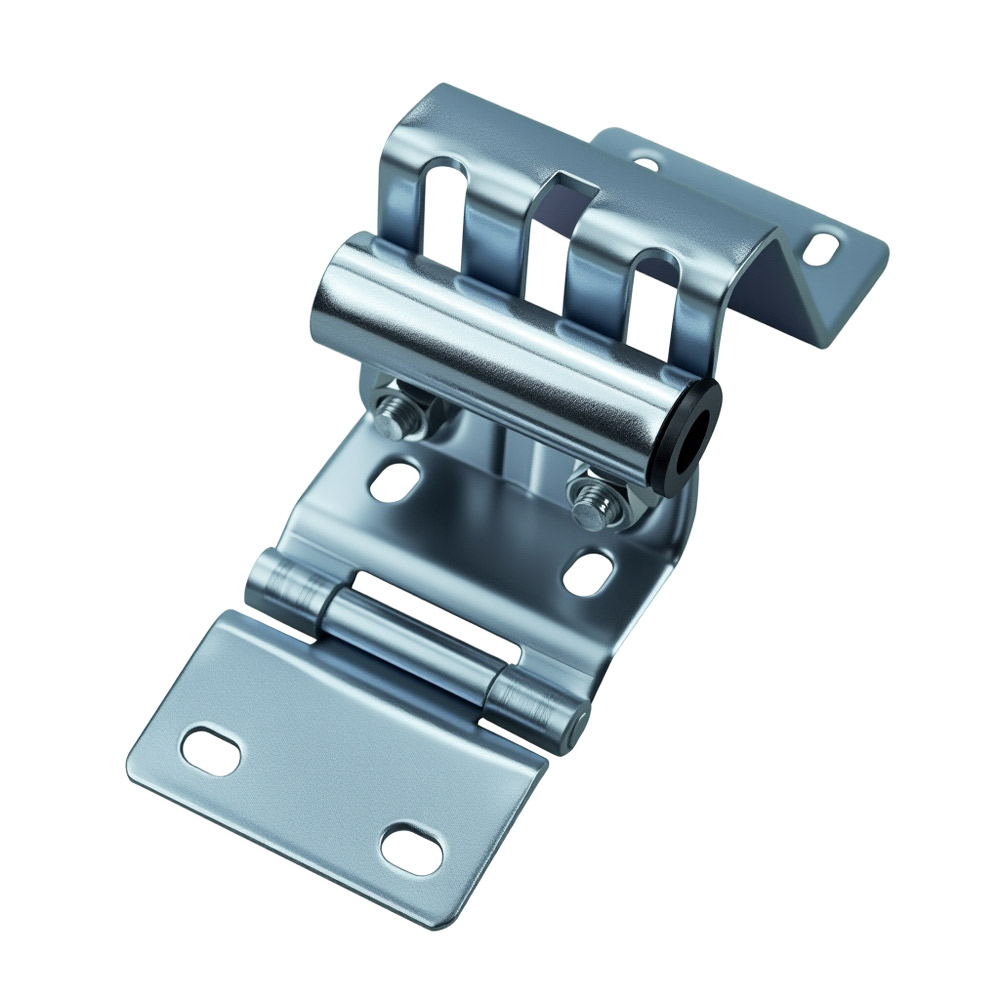
The typical construction of a heavy duty gate hinge involves precision-machined steel or ductile iron components, often with hardened bearing surfaces and corrosion-resistant coatings. The hinge knuckle, pin, and leaf plates must be dimensioned to withstand not only the static weight of the gate sections but also the dynamic loads induced by acceleration, deceleration, and impact during operation. In multi-panel configurations, each hinge is subjected to a unique combination of bending, shear, and torsional stresses, which vary according to the position of the hinge and the articulation angle at any given moment.
A key aspect of hinge design for sectional doors is the management of stress concentration at the articulation points. At the microstructural level, repeated rotation produces localized plastic deformation, especially at the interface between the pin and the knuckle bore. Over time, this can initiate crack propagation due to cyclic loading, leading to fatigue failure if not properly addressed in the design phase. To mitigate this, hinge pins are often case-hardened, and the knuckle geometry is optimized to distribute contact stresses over a larger area, reducing the likelihood of stress risers.
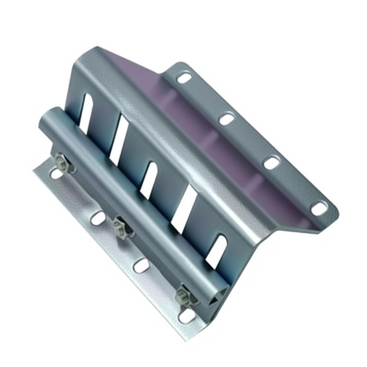
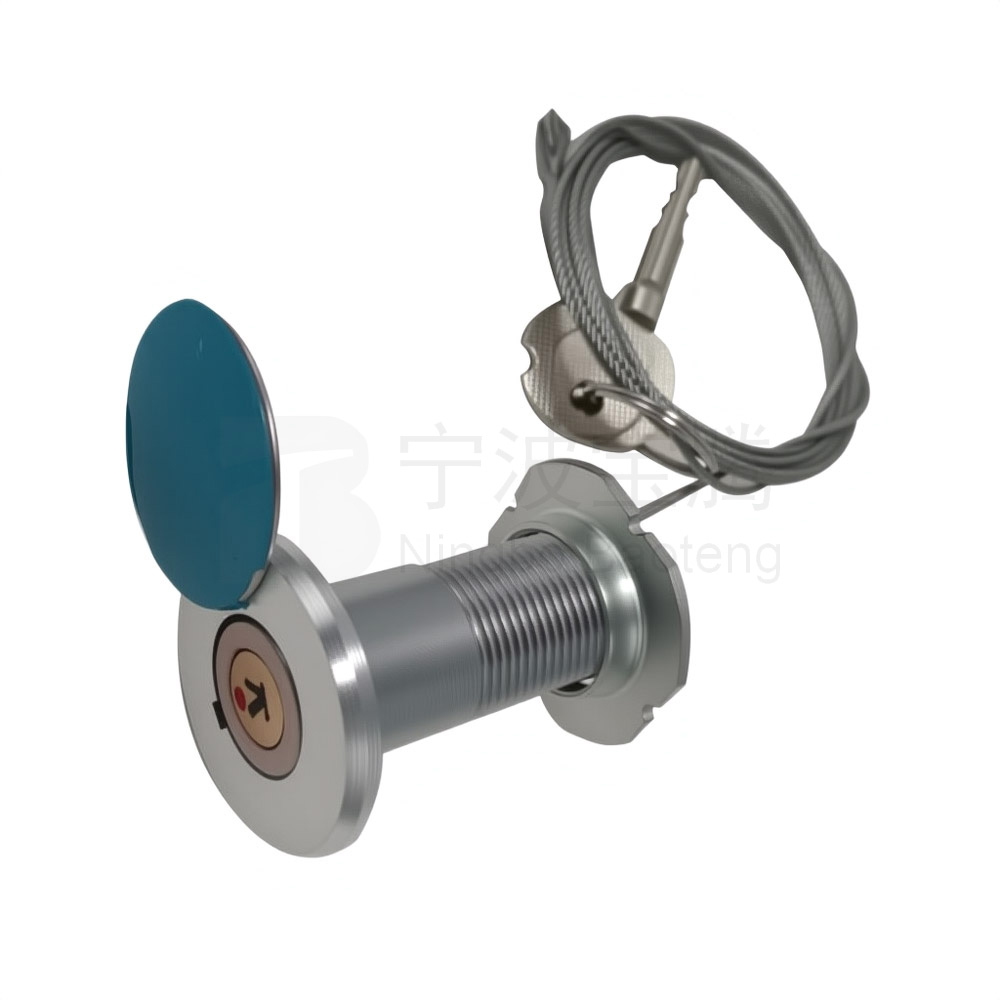
The reliability of heavy duty gate hinges is fundamentally linked to their ability to disperse mechanical stress across multiple articulation cycles. In a sectional gate system, hinges are strategically positioned to share the load among several points of articulation. This sectionalization reduces the magnitude of force experienced by any single hinge, thereby lowering the risk of localized overstress and subsequent fatigue. The spacing and alignment of hinges must be calculated based on the mass of each section, the anticipated frequency of operation, and the expected environmental conditions, such as wind loads or thermal expansion.
Material selection plays a pivotal role in hinge reliability. High-strength, low-alloy steels are commonly used for their favorable combination of toughness, ductility, and resistance to wear. In corrosive environments, additional surface treatments such as hot-dip galvanizing or electroplating are employed to prevent degradation of the hinge components. The use of self-lubricating bushings or sealed bearing assemblies can further enhance performance by minimizing friction and wear at the articulation interface, thus extending service life and reducing maintenance intervals.
From a mechanical engineering standpoint, the evaluation of hinge performance in sectional articulation scenarios requires detailed analysis of load paths and stress distribution. The core pain point for door system designers—stress concentration and fatigue failure—can be addressed through both analytical calculations and empirical testing. Analytical methods, such as finite element analysis (FEA), allow for the simulation of hinge behavior under varying loads and articulation angles. These models can identify regions of high stress and inform design modifications, such as increasing the fillet radius at the knuckle or specifying higher-grade materials for critical components.
Empirical evaluation involves cyclic testing of hinge assemblies under controlled conditions that replicate real-world operation. Parameters such as the number of cycles to failure, the magnitude of applied loads, and the presence of environmental factors (e.g., moisture, dust, temperature fluctuations) are systematically varied to assess hinge durability. The results of these tests provide valuable data for refining design parameters and establishing maintenance schedules.
A critical consideration in the evaluation process is the articulation angle range. In sectional gates, hinges must accommodate not only the primary opening and closing motion but also any misalignment or deflection that occurs due to frame settlement or thermal expansion. Excessive articulation beyond the design envelope can introduce secondary stresses, such as twisting or prying forces, which accelerate wear and increase the risk of fatigue failure. Therefore, hinge geometry should be optimized to provide sufficient articulation without compromising structural integrity.
The attachment method of hinges to both the gate and the supporting structure is another factor influencing reliability. Bolted connections are preferred in most heavy duty applications, as they allow for controlled preload and facilitate inspection or replacement. Welded attachments, while offering high initial strength, can introduce residual stresses and may be susceptible to fatigue cracking if not properly executed. The use of backing plates or reinforcement at the mounting points helps to distribute loads and prevent local deformation of the gate material.
In addition to structural considerations, the operational environment must be factored into hinge evaluation. Temperature extremes can affect material properties, while exposure to chemicals or abrasive particles can accelerate wear. For outdoor installations, hinges should be specified with seals or shields to exclude contaminants and retain lubrication. Periodic inspection protocols should be established to monitor for signs of wear, misalignment, or corrosion, enabling proactive maintenance and reducing the likelihood of unexpected hinge failure.
To verify that heavy duty gate hinges meet the required performance criteria for sectional articulation, door system designers should implement a series of engineering-grade safety checks. These include:
- Calculating the maximum expected load and ensuring that hinge components are specified with a suitable safety factor, typically between 2.5 and 4.0 for critical applications.
- Using FEA or equivalent analytical methods to model stress distribution and identify potential points of stress concentration.
- Specifying materials and surface treatments compatible with the operational environment, including corrosion resistance and wear protection.
- Validating hinge articulation range against the expected movement envelope of the sectional gate, accounting for possible misalignment or frame deflection.
- Establishing maintenance intervals based on empirical fatigue data and operational frequency.
Ensuring long-term performance of heavy duty gate hinges
In conclusion, the mechanical reliability of heavy duty gate hinges in sectional articulation scenarios depends on a comprehensive approach to stress dispersion, material selection, and articulation geometry. By addressing the core pain point of stress concentration and fatigue failure through rigorous engineering analysis and empirical validation, door system designers can ensure the long-term structural integrity and performance of their gate assemblies. It is essential to verify all hinge parameters using engineering-grade safety checks, supported by both analytical modeling and real-world testing, to achieve optimal results in demanding sectional door applications.
For further technical resources on hinge engineering, designers may consult the المواصفات الهندسية or explore Baoteng heavy duty gate hinges for detailed product data and support.
 English
  Русский
  日本語
日本語  한국어
한국어  Français
  Deutsch
  العربية
  Português
  Español