
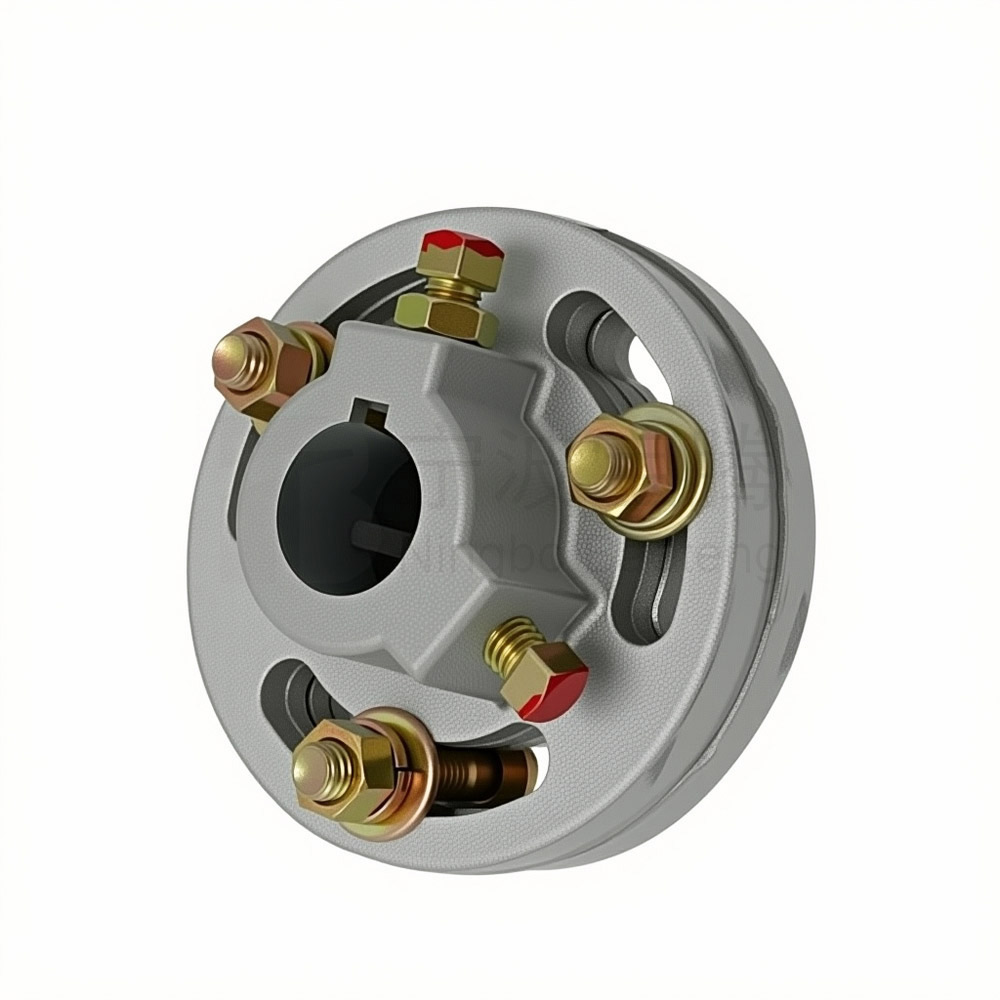
Torque-Transmission Integrity in Shaft Coupling Adapter for Reliable Load-Bearing and Torque Balance
H1 — Understanding Shaft Coupling Adapters: Engineering Principles and Failure Analysis
H1 — Understanding Shaft Coupling Adapters: Engineering Principles and Failure Analysis
H2 — Introduction
Shaft coupling adapters are critical components in mechanical systems, serving as connectors between two rotating shafts. Their primary function is to transmit torque and rotational motion while accommodating misalignment and axial movement. The design and selection of these adapters must consider various mechanical principles, load behaviors, and potential failure modes. This article delves into the engineering aspects of shaft coupling adapters, examining their mechanical principles, failure modes, testing standards, and applications, ultimately providing a comprehensive understanding of their role in mechanical systems.
H2 — Mechanical Principles & Load Behavior
The mechanical principles governing shaft coupling adapters revolve around torque transmission, alignment, and load distribution. When two shafts are coupled, the adapter must effectively transfer torque while minimizing stress concentrations that could lead to failure. The load behavior of a shaft coupling adapter is influenced by several factors, including the type of coupling, the materials used, and the operational environment.
Shaft coupling adapters can be classified into various types, such as rigid, flexible, and fluid couplings, each designed to handle specific load conditions. Rigid couplings provide a solid connection, ideal for applications with precise alignment and minimal misalignment. In contrast, flexible couplings can accommodate angular and parallel misalignments, making them suitable for applications where shaft alignment may vary due to thermal expansion or mechanical wear.
The load behavior is also affected by the environmental conditions in which the coupling operates. For instance, in high-temperature environments, materials may experience thermal expansion, altering the load distribution across the adapter. Similarly, in corrosive environments, the integrity of the coupling material can degrade, leading to potential failure. Understanding these mechanical principles and load behaviors is essential for engineers when designing and selecting shaft coupling adapters for specific applications.
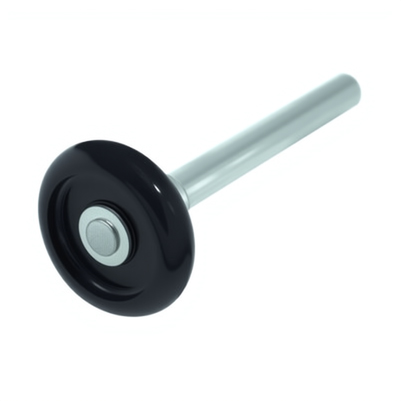
Certification
H2 — Failure Modes
H3 — Primary Failure
Primary failures in shaft coupling adapters typically arise from mechanical overload, misalignment, or material fatigue. When a coupling is subjected to loads beyond its design capacity, it can lead to shear failure or torsional deformation. Misalignment can exacerbate these issues, resulting in uneven load distribution and increased stress on the coupling. Material fatigue is another significant contributor to primary failure, particularly in applications with cyclic loading. Over time, repeated stress can lead to the development of micro-cracks, which can propagate and ultimately result in catastrophic failure.
H3 — Secondary Failure
Secondary failures often occur as a consequence of primary failures and can manifest in various forms, including vibration, noise, and increased wear on adjacent components. For instance, if a coupling fails due to overload, it may cause excessive vibration that can damage bearings or other connected components. Additionally, secondary failures can lead to misalignment in other parts of the system, further compounding the problem. Engineers must consider these secondary failure modes when conducting failure analysis, as they can significantly impact the overall reliability and longevity of the mechanical system.
H3 — Environmental Effects
The operational environment plays a crucial role in the performance and longevity of shaft coupling adapters. Factors such as temperature, humidity, and exposure to corrosive substances can significantly influence material behavior and failure modes. For example, high temperatures can alter the mechanical properties of materials, reducing their strength and increasing the likelihood of failure. Similarly, exposure to corrosive environments can lead to material degradation, weakening the coupling and increasing the risk of primary and secondary failures.
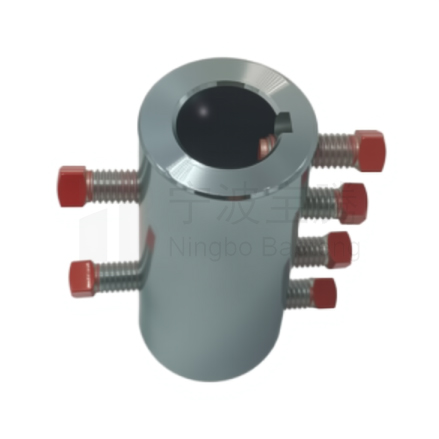
Requirements
Engineers must account for these environmental effects during the design and selection process, ensuring that the chosen materials and coupling types are suitable for the intended application. Implementing protective measures, such as coatings or seals, can also help mitigate the impact of environmental factors on coupling performance.
H2 — Testing Standards & Validation
To ensure the reliability and performance of shaft coupling adapters, engineers must adhere to established testing standards and validation procedures. Organizations such as the American National Standards Institute (https://www.ansi.org/” target=”_blank” rel=”nofollow noopener”>ANSI) and the American Society for Testing and Materials (https://www.astm.org/” target=”_blank” rel=”nofollow noopener”>ASTM) provide guidelines for testing mechanical components, including shaft couplings.
https://www.ansi.org/” target=”_blank” rel=”nofollow noopener”>ANSI standards outline specific requirements for the design, performance, and testing of couplings, ensuring that they meet industry benchmarks for safety and reliability. Similarly, https://www.astm.org/” target=”_blank” rel=”nofollow noopener”>ASTM standards provide methodologies for evaluating the mechanical properties of materials used in coupling adapters, including tensile strength, fatigue resistance, and corrosion resistance. Compliance with these standards is essential for validating the performance of shaft coupling adapters in various applications.
In addition to https://www.ansi.org/” target=”_blank” rel=”nofollow noopener”>ANSI و https://www.astm.org/” target=”_blank” rel=”nofollow noopener”>ASTM, the European Norm (EN) standards also play a significant role in the testing and validation of mechanical components. EN standards provide guidelines for the safety and performance of couplings, ensuring that they meet the regulatory requirements for use in European markets. By adhering to these testing standards, engineers can ensure that shaft coupling adapters are designed and manufactured to withstand the demands of their intended applications.
H2 — Application & Integration
CTA
Shaft coupling adapters find applications across a wide range of industries, including automotive, aerospace, manufacturing, and renewable energy. In automotive applications, for instance, they are used to connect the engine to the transmission, allowing for efficient torque transfer while accommodating misalignment due to engine vibrations. In aerospace, shaft couplings are critical for connecting various components within aircraft systems, where reliability and performance are paramount.
The integration of shaft coupling adapters into mechanical systems requires careful consideration of load behavior, failure modes, and environmental factors. Engineers must evaluate the specific requirements of each application, selecting the appropriate coupling type and materials to ensure optimal performance. Additionally, the design of the surrounding components must accommodate the characteristics of the coupling, including its load capacity and potential failure modes.
As industries increasingly adopt automation and advanced manufacturing techniques, the demand for high-performance shaft coupling adapters continues to grow. Engineers must remain vigilant in their approach to design and validation, ensuring that these critical components meet the evolving needs of modern mechanical systems.
H2 — Conclusion
Shaft coupling adapters play a vital role in the functionality and reliability of mechanical systems. By understanding the mechanical principles, load behaviors, and potential failure modes associated with these components, engineers can make informed decisions during the design and selection process. Adhering to established testing standards such as https://www.ansi.org/” target=”_blank” rel=”nofollow noopener”>ANSI و https://www.astm.org/” target=”_blank” rel=”nofollow noopener”>ASTM ensures that shaft coupling adapters perform reliably in various applications. As technology advances and industries evolve, the importance of effective coupling solutions will only continue to grow, underscoring the need for ongoing research and development in this critical area of engineering.
[IMAGE: Rollers]
[IMAGE_1]
[IMAGE_2]
Reviewed by: Senior Garage Door Hardware Engineer
All technical viewpoints in this article were reviewed and validated by our senior engineering team, Premium Garage Door Hardware R&D Team.
Learn more in our
نظرة عامة على الشركة.
 English
  Русский
  日本語
日本語  한국어
한국어  Français
  Deutsch
  العربية
  Português
  Español