
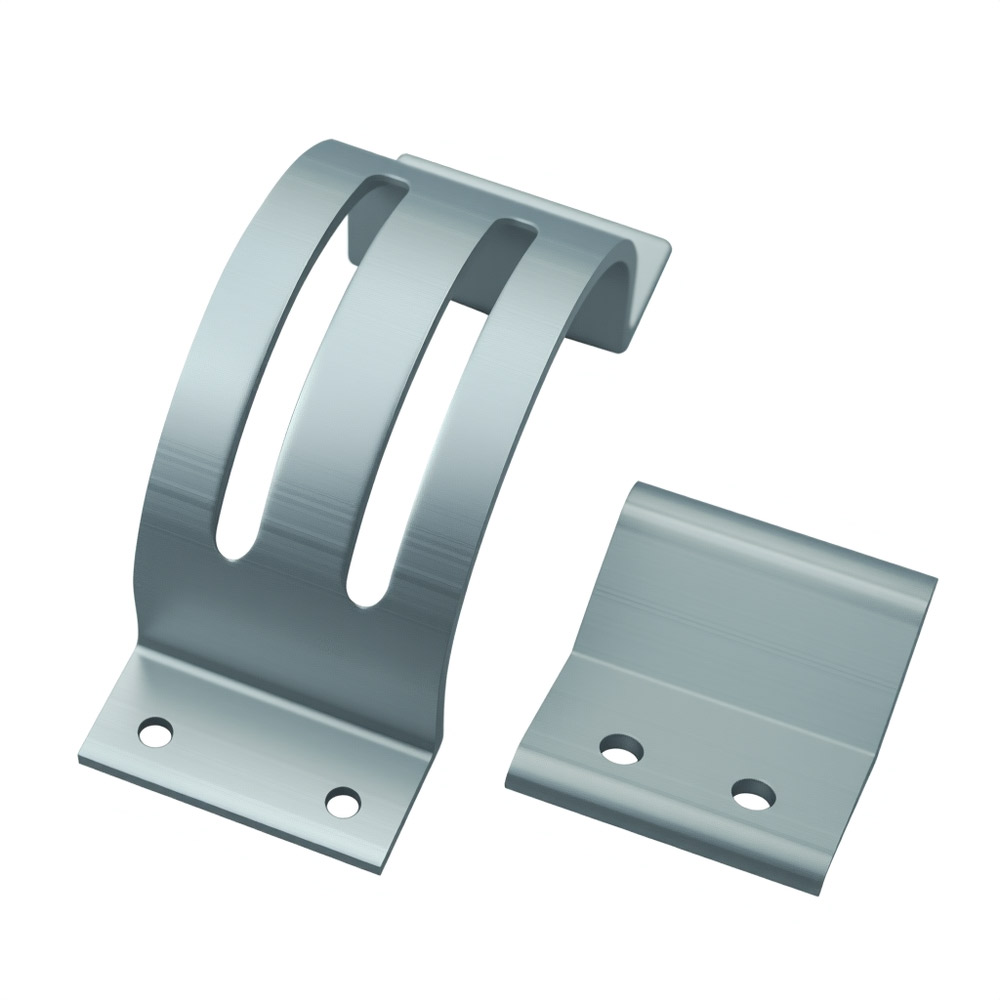
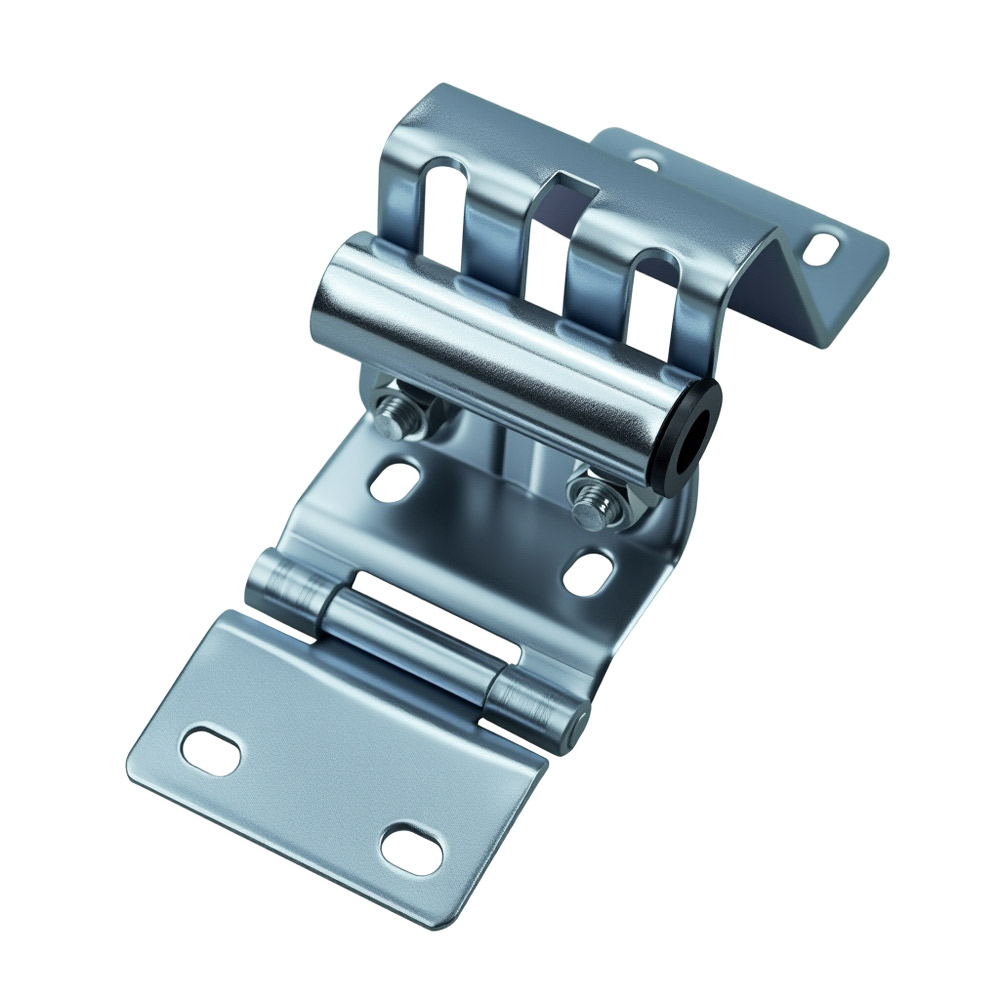
In the context of modern garage door systems, the articulation of sectional panels relies heavily on the performance characteristics of steel gate hinges, particularly when quiet operation is a design priority. As door system designers increasingly demand both durability and low-noise function, the technical evaluation of hinge reliability and stress dispersion becomes central to optimizing sectional movement. This article undertakes a detailed analysis of steel gate hinges for garage doors, with a focus on quiet hinge architectures, exploring how their structural and material properties influence articulation noise and wear. The discussion is structured to address the most pressing concerns of door system designers: minimizing operational noise and maximizing hinge lifespan under repeated sectional articulation.
Steel gate hinges in garage door applications are subjected to complex loading regimes due to the segmented nature of sectional doors. Each hinge must accommodate not only the weight of the panels but also the dynamic forces generated during opening and closing cycles. The quiet hinge variant introduces additional engineering considerations, as noise reduction must be achieved without compromising mechanical strength or articulation smoothness. The technical challenge lies in balancing these requirements through precise material selection, geometric optimization, and advanced joint design.
The reliability of steel gate hinges for garage doors is fundamentally determined by their ability to distribute articulation-induced stresses across the hinge body and mounting points. In a typical sectional door, each hinge is positioned at the interface between panels, forming a kinematic chain that must flex repeatedly without excessive deformation or noise generation. The stress dispersion architecture of the hinge is critical: poorly designed hinges concentrate loads at the pivot pin or mounting flanges, leading to accelerated wear, increased noise, and eventual mechanical failure. Conversely, a well-engineered hinge with optimized geometry and material thickness spreads stresses more evenly, reducing localized fatigue and maintaining quiet operation over a greater number of cycles.
Material selection plays a pivotal role in both noise control and durability. High-grade steel, commonly used in garage door hinges, offers favorable yield strength and fatigue resistance. However, the surface finish and hardness of the bearing surfaces, as well as the presence of any anti-friction coatings or bushings, directly influence articulation noise. Quiet hinge designs often incorporate polymer or composite bushings, which serve to dampen vibrations and reduce metal-to-metal contact noise during movement. The engineering trade-off involves ensuring that these bushings do not introduce excessive compliance or reduce the overall load-bearing capacity of the hinge.
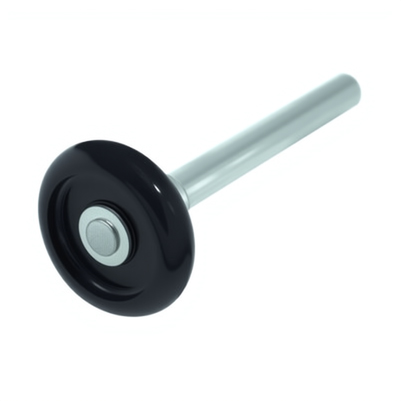
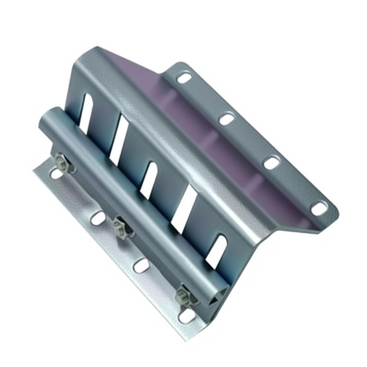
From a mechanical perspective, the articulation of sectional garage doors imposes both rotational and shear stresses on the hinge assembly. The hinge pin, typically the most stressed component, must be dimensioned to withstand repeated torsional loads without significant wear. In quiet hinge configurations, the pin is often encased in a low-friction sleeve or treated with a self-lubricating coating to further reduce operational noise. The interface between the hinge leaves and the door panels must also be engineered to prevent the transmission of vibrational energy, which can otherwise propagate as audible noise throughout the door structure.
The mounting strategy for steel gate hinges on garage doors is another critical factor in reliability and noise control. Rigid mounting with high-tolerance fasteners ensures that the hinge remains properly aligned under load, minimizing the potential for rattle or misalignment-induced noise. In some advanced designs, elastomeric washers or gaskets are employed at the mounting interface to absorb micro-movements and further isolate vibrational energy. The cumulative effect of these design choices is a hinge system that maintains quiet, smooth articulation throughout its service life, even under high-cycle usage conditions.
Evaluating the performance of steel gate hinges for garage doors, particularly quiet hinge variants, requires a systematic approach grounded in engineering metrics. Fatigue testing under cyclic loading is essential to quantify the hinge’s resistance to wear and deformation. Noise measurement protocols, typically involving accelerometers and sound level meters positioned at critical articulation points, provide objective data on the effectiveness of noise control features. In practice, the most reliable hinges are those that demonstrate minimal increase in articulation noise and negligible wear after extensive cycling, indicating effective stress dispersion and robust material selection.
Sectional articulation stress dispersion is best analyzed using finite element modeling (FEM), which allows for the visualization of stress concentrations and potential failure points within the hinge structure. Through iterative design and simulation, engineers can refine the hinge geometry to achieve optimal load paths and minimize peak stresses. For quiet hinge designs, additional simulation of vibrational modes helps identify opportunities for further noise reduction, such as the strategic placement of damping materials or the adjustment of hinge clearances.
Field evaluation complements laboratory testing by exposing steel gate hinges to real-world conditions, including temperature fluctuations, humidity, and particulate contamination. Quiet hinge performance is particularly sensitive to environmental factors, as dust or moisture ingress can degrade bushing materials or increase friction at the hinge pin. Periodic inspection and maintenance protocols, such as lubrication schedules and bushing replacement intervals, are therefore integral to maintaining both noise control and mechanical reliability over the operational lifespan of the door.
The core pain point for door system designers—noise and wear during articulation—remains a persistent challenge, especially in high-cycle or residential environments where quiet operation is paramount. By focusing on stress dispersion and noise control architecture, engineers can systematically address these issues through a combination of material science, geometric optimization, and advanced assembly techniques. The ongoing development of composite bushings, self-lubricating surfaces, and vibration-isolating mounts continues to push the boundaries of what is achievable in steel gate hinge design for garage doors.
Engineering review and selection guidance for steel gate hinges garage door Quiet Hinge
For door system designers engaged in the specification or selection of steel gate hinges for garage doors, a rigorous engineering review of hinge parameters is essential. Key factors to verify include material grade, bushing composition, pin diameter, mounting strategy, and documented fatigue performance. Particular attention should be paid to the hinge’s stress dispersion characteristics under simulated articulation cycles, as well as empirical noise measurements under operational loads. Only by confirming these parameters can designers ensure that the selected hinge will meet the dual requirements of quiet operation and long-term reliability.
To support engineering-grade safety and performance, it is recommended that all hinge designs undergo both laboratory and field validation, with results documented in terms of cycle life, noise emission, and failure modes. This data-driven approach enables the continuous refinement of quiet hinge architectures and supports the development of garage door systems that meet the highest standards of noise control and mechanical durability.
In summary, the technical evaluation of steel gate hinges for garage doors—especially quiet hinge variants—demands a comprehensive understanding of stress dispersion, material behavior, and noise control mechanisms. By applying rigorous engineering analysis and validation protocols, door system designers can effectively address the core challenges of noise and wear during sectional articulation, resulting in garage door systems that are both durable and quiet in operation.
For further technical documentation and product specifications, refer to the Baoteng Technical Documentation or explore corrosion resistance testing for hinges to ensure optimal selection for your garage door projects.
 English
  Русский
  日本語
日本語  한국어
한국어  Français
  Deutsch
  العربية
  Português
  Español