
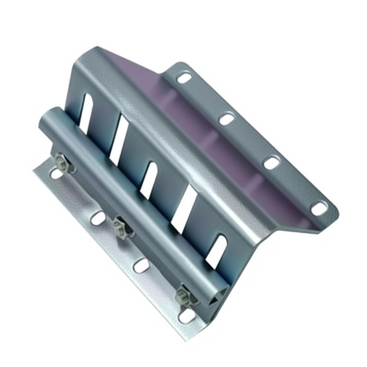
The top roller bracket for garage door systems is a critical component influencing the precision and durability of sectional door assemblies. In environments where sliding and rolling mechanisms dictate operational smoothness, even minor deviations in bracket alignment can significantly affect rolling friction and overall system reliability. For engineers tasked with ensuring precise door alignment, a comprehensive understanding of the top roller bracket’s mechanical role, its susceptibility to misalignment, and the resulting impact on running resistance is essential. This article analyzes the structural and mechanical aspects of the top roller bracket, with a focus on how alignment deviation contributes to increased rolling friction and potential long-term reliability concerns. The discussion proceeds through a detailed examination of bracket construction, reliability under operational stresses, technical evaluation of rolling-friction behavior, and concludes with engineering-focused recommendations for alignment verification.
The top roller bracket serves as the primary interface between the garage door’s uppermost roller and the vertical/horizontal track transition. Its structural configuration is designed to maintain precise roller orientation, ensuring that the rolling element remains correctly positioned within the track profile during both static and dynamic door movements. The bracket is typically fabricated from stamped or formed steel, occasionally reinforced with ribs or gussets to resist torsional and bending loads encountered during operation. Mounting geometry is defined by the door manufacturer’s specifications, with slot or hole patterns accommodating both initial installation and subsequent adjustment for fine-tuning door alignment.
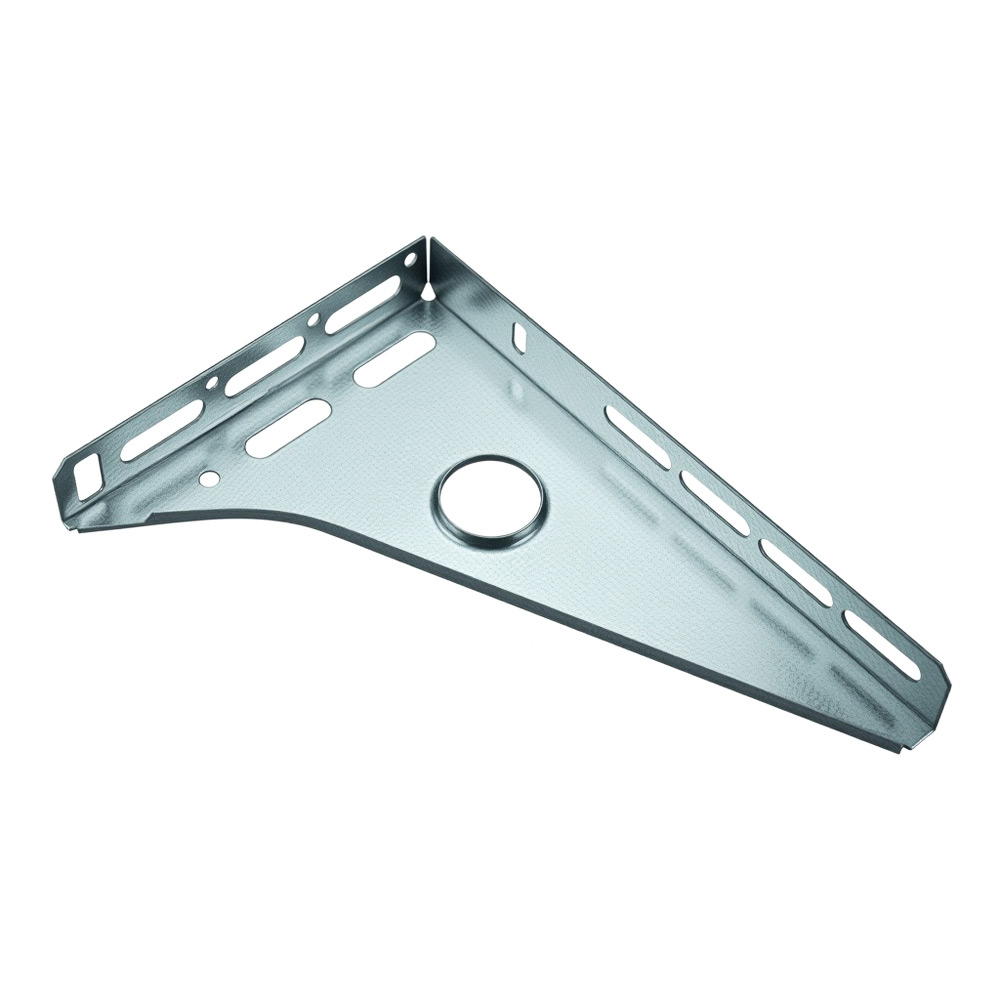
Mechanical reliability of the top roller bracket is determined by its ability to maintain dimensional stability under repeated loading cycles. During each opening and closing cycle, the bracket transmits both vertical and lateral forces from the door panel to the track system. Any deviation in bracket alignment—arising from improper installation, fastener loosening, or bracket deformation—can cause the roller to bind, tilt, or ride against the track edge. This misalignment introduces parasitic forces that increase rolling friction, resulting in higher running resistance and accelerated wear on both the roller and track surfaces.
The rolling friction behavior in a garage door system is highly sensitive to the angular and lateral positioning of the top roller bracket. When the bracket is perfectly aligned, the roller axis remains parallel to the track, allowing for pure rolling motion with minimal sliding or scrubbing. However, even a small angular deviation (on the order of 1–2 degrees) can shift the roller’s contact patch, causing uneven load distribution and localized stress concentrations. This leads to increased frictional resistance, which is often perceived as a stiffer or noisier door operation. Over time, the elevated friction accelerates material degradation, especially in the roller bearing and track interface.
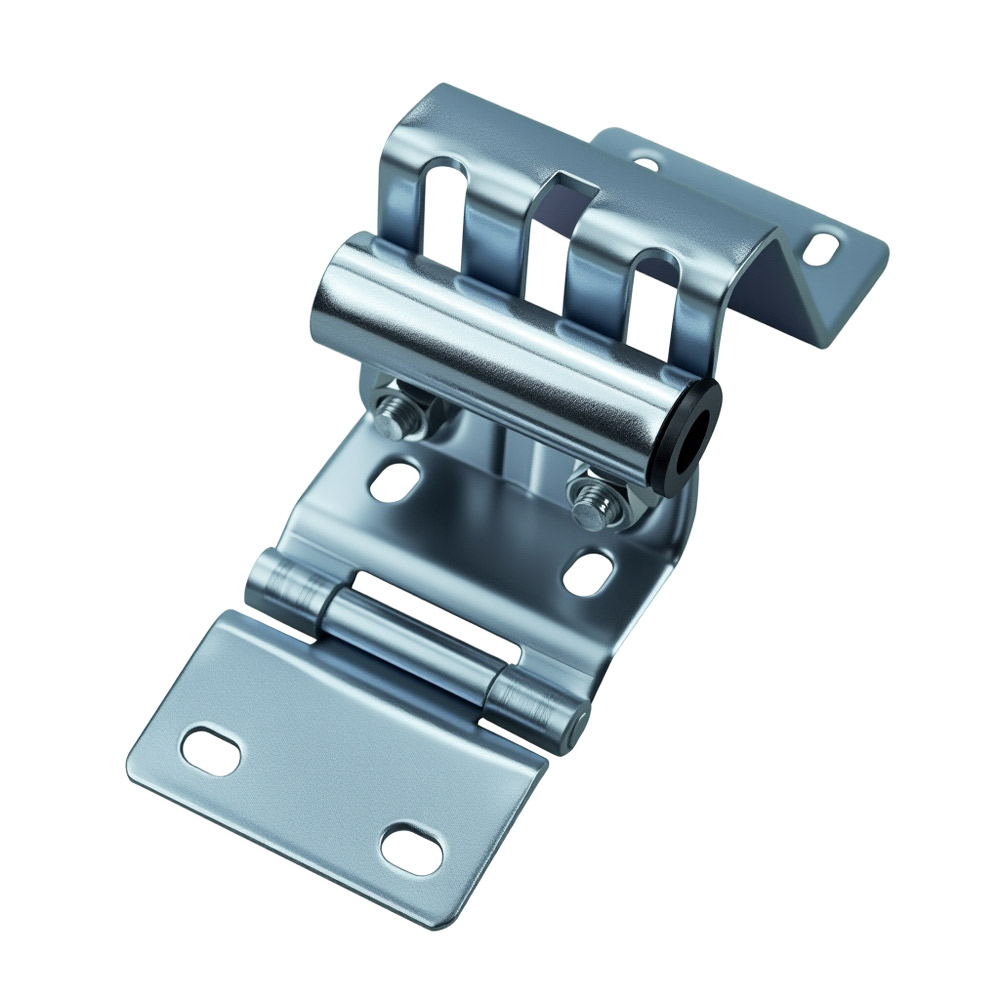
From a structural integrity perspective, the top roller bracket must resist both static and dynamic loads without permanent deformation. The most common failure modes observed in field applications include bracket bending at the mounting flange, elongation of adjustment slots, and fatigue cracking at stress risers. These failures are often precipitated by excessive running resistance due to misalignment, which amplifies the forces transmitted through the bracket. Material selection plays a crucial role; brackets manufactured from low-carbon steel with appropriate thickness (typically 2–3 mm) and surface treatments (such as zinc plating) offer improved resistance to corrosion and mechanical fatigue.
In real-world scenarios, the installation process is a primary determinant of bracket alignment accuracy. Engineers and technicians must ensure that the bracket is mounted flush against the door stile, with fasteners torqued to the manufacturer’s specifications to prevent loosening under vibration. The use of elongated mounting slots allows for minor adjustments during installation, but excessive slot elongation can compromise bracket rigidity. Precision measurement tools, such as digital inclinometers or laser alignment systems, are recommended for verifying bracket orientation relative to the track plane.
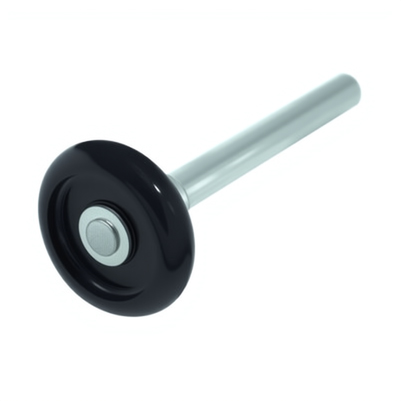
The reliability of the top roller bracket is further influenced by the interaction between the door panel, roller assembly, and track geometry. Sectional doors with higher mass or increased panel width impose greater loads on the uppermost roller bracket, magnifying the effects of any alignment deviation. In such cases, reinforcement of the bracket or the use of higher-capacity rollers may be necessary to maintain system integrity. It is essential to consider the cumulative effect of small misalignments across multiple door panels; even if each bracket is only slightly out of position, the aggregate deviation can result in significant running resistance and premature system failure.
A technical evaluation of rolling-friction behavior in misaligned top roller brackets can be conducted using force-displacement measurements during door operation. By comparing the required opening and closing forces before and after bracket adjustment, engineers can quantify the impact of alignment deviation on running resistance. Additionally, thermal imaging of the roller-track interface may reveal localized heating indicative of elevated frictional losses. These diagnostic techniques provide objective data to support maintenance decisions and bracket replacement schedules.

The core pain point for door alignment engineers remains the persistent issue of alignment deviation causing increased running resistance. This problem is exacerbated in high-cycle environments, such as commercial or industrial facilities, where doors are operated frequently and under varying load conditions. Regular inspection protocols should include visual assessment of bracket position, measurement of roller-to-track clearance, and verification of fastener tightness. Any evidence of bracket deformation, slot elongation, or abnormal roller wear should prompt immediate corrective action.
From a design perspective, incorporating features such as anti-rotation tabs, reinforced mounting flanges, and positive-locking adjustment mechanisms can enhance the mechanical reliability of the top roller bracket. These design improvements reduce the likelihood of bracket movement under load, thereby maintaining alignment and minimizing rolling friction throughout the service life of the door system. Additionally, specifying high-quality fasteners with appropriate locking features (such as nylon-insert lock nuts) can further mitigate the risk of loosening due to vibration or thermal cycling.
Systematic evaluation and engineering recommendations
Environmental factors, including temperature fluctuations and exposure to moisture or corrosive agents, also influence the long-term performance of the top roller bracket. Corrosion-induced material loss can weaken the bracket structure, leading to increased compliance and potential misalignment. Protective coatings and regular maintenance are essential for preserving bracket integrity in harsh operating conditions.
In summary, the top roller bracket for garage door systems plays an indispensable role in maintaining precise alignment and minimizing rolling friction. Alignment deviation, whether due to installation error, material fatigue, or environmental degradation, directly increases running resistance and accelerates component wear. For door alignment engineers focused on system precision and durability, a rigorous approach to bracket inspection, adjustment, and material selection is necessary to ensure long-term mechanical reliability.
To achieve engineering-grade safety assurance, it is imperative to verify alignment parameters systematically. This includes employing precision measurement tools during installation, conducting periodic checks for bracket deformation or slot elongation, and documenting running resistance trends over time. Only through such methodical evaluation and adjustment can the risk of alignment deviation and its associated increase in rolling friction be effectively mitigated. For critical applications, consider specifying brackets with enhanced structural features and corrosion protection, and ensure that all installation and maintenance procedures adhere strictly to engineering best practices. For further technical documentation and engineering guidelines, refer to the engineering specifications for garage door hardware و دروس التثبيت provided by Baoteng.
 English
  Русский
  日本語
日本語  한국어
한국어  Français
  Deutsch
  العربية
  Português
  Español