
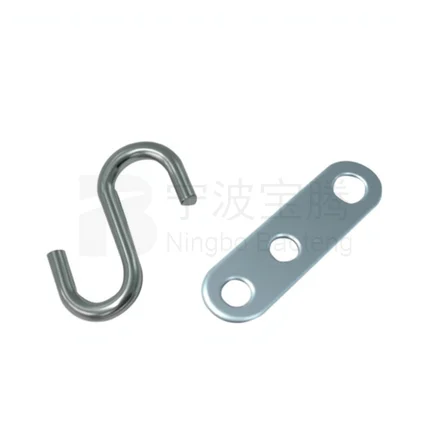
Understanding Torque-Balance Dynamics in Garage Doors Torsion Springs
Garage doors torsion springs are essential components that ensure the smooth operation and safety of overhead door systems.
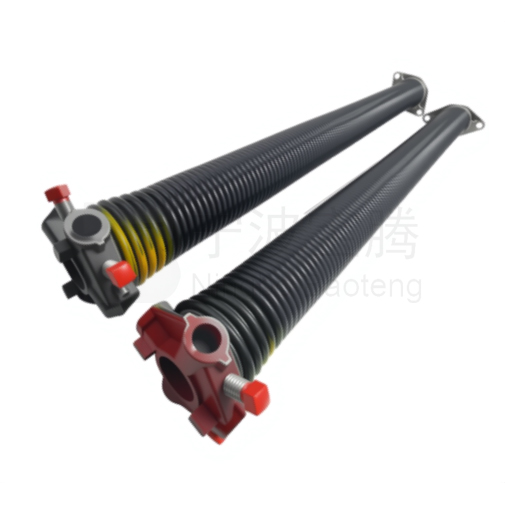
Torque-balance dynamics are critical for the functionality and longevity of overhead door torsion springs, particularly in load-bearing applications. These springs serve as essential components in garage door systems, where they counterbalance the weight of the door, enabling smooth operation during opening and closing cycles. A thorough understanding of the mechanics behind these springs, including their torque characteristics and fatigue resistance, is vital for mechanical maintenance specialists tasked with ensuring optimal performance and safety in these systems.
The significance of overhead door torsion springs cannot be overstated, as they play a pivotal role in the reliable operation of various door types, from residential to commercial applications. For further insights, refer to our دروس التثبيت that detail the proper setup and maintenance of these crucial components.
Key Takeaways
- Torsion springs store potential energy when wound.
- Proper torque balance is essential for smooth door operation.
- Excessive torque can lead to premature fatigue of the spring.
Maintenance Considerations for Torsion Springs
The maintenance of overhead door torsion springs is paramount to their longevity and performance. Regular inspections should focus on the condition of the springs, checking for signs of wear, corrosion, or deformation. Environmental factors, such as humidity and temperature fluctuations, can significantly affect the performance of these springs.
For instance, in humid environments, the risk of corrosion increases, which can compromise the integrity of the metal and lead to failure. It is essential to evaluate the springs in the context of their operating environment to ensure they remain functional and safe.
Key Maintenance Standards
Mechanical maintenance specialists should adhere to industry-relevant test standards when evaluating torsion springs. These standards typically outline parameters such as load capacity, cycle life, and fatigue resistance. Compliance with these standards not only enhances safety but also optimizes the performance of the springs in load-bearing applications.
“Understanding the interaction between environmental conditions and the mechanical properties of the springs is critical for maintenance specialists.”
Failure Modes and Maintenance Considerations
Failure modes in overhead door torsion springs can often be traced back to improper installation or inadequate maintenance. One common failure mode is the loss of torque due to metal fatigue, which occurs when the spring is subjected to repetitive loading cycles beyond its design capacity. This fatigue can lead to cracks or complete failure of the spring, resulting in potential safety hazards.
By analyzing the load cycles and ensuring that the springs are installed correctly, maintenance specialists can mitigate the risk of such failures. Regular inspections and adherence to maintenance schedules are critical in identifying early signs of fatigue, allowing for timely interventions.
Environmental Influences on Spring Performance
The environment in which overhead door torsion springs operate can significantly influence their performance and longevity. Factors such as temperature extremes, humidity, and exposure to corrosive agents can affect the material properties of the springs.
For instance, in colder climates, the metal may become brittle, increasing the likelihood of fracture under stress. Conversely, in warmer, humid environments, the risk of corrosion can lead to a reduction in the spring’s load-bearing capacity.
“Understanding the interplay between environmental conditions and material behavior is critical for ensuring the long-term performance of overhead door torsion springs.”
الخاتمة
The effective management of overhead door torsion springs is essential for ensuring their reliability and longevity. By focusing on maintenance strategies such as regular lubrication and inspection, specialists can significantly enhance the operational efficiency of these components. It is crucial to use appropriate lubricants that align with the materials of the springs and the operating environment to minimize wear and extend their lifespan. Additionally, proper installation practices are fundamental to achieving optimal performance, as incorrect installation can lead to uneven torque distribution and premature failure.
Moreover, the applications of overhead door torsion springs are not limited to residential settings; they are also vital in commercial and industrial environments where the demands on these springs are heightened. Understanding the torque-balance dynamics and adhering to industry standards are paramount for maintenance specialists to mitigate risks associated with failure. By implementing proactive maintenance strategies and scheduling regular inspections, the longevity and safety of torsion springs can be maximized, ultimately ensuring the reliability of overhead door systems.
Key Takeaways
- Regular lubrication and inspections are vital for extending the life of overhead door torsion springs.
- Proper installation is critical to prevent torque imbalance and ensure optimal performance.
- Understanding the torque dynamics and fatigue limits is essential for applications in commercial and industrial settings.
- Proactive maintenance strategies can significantly reduce the risk of failure and enhance safety.
 English
  Русский
  日本語
日本語  한국어
한국어  Français
  Deutsch
  العربية
  Português
  Español