
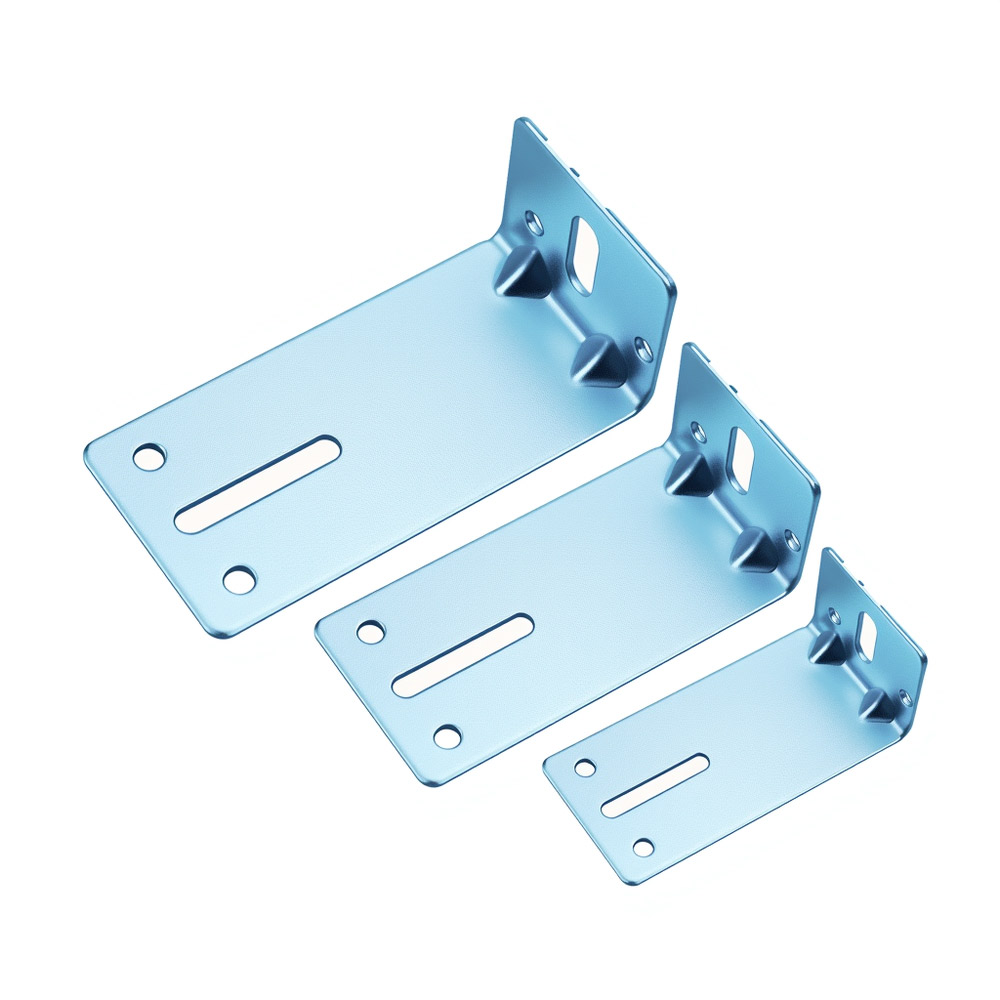
Bottom-Bracket Load-Path Analysis for Garage Door Bottom Bracket
A garage door bottom bracket is fundamental to the structural reliability of any sectional door system, serving as the main load transfer point between the door and supporting hardware. Understanding the garage door bottom bracket’s role in load distribution is essential for engineers and technicians aiming to prevent premature wear and ensure mechanical durability in demanding environments.
This article explores the technical framework for evaluating garage door bottom bracket reliability, focusing on structural load distribution and best practices for maintaining long-term load-bearing support.
Reliability of the garage door bottom bracket in load-bearing support
The garage door bottom bracket is a critical load-bearing component responsible for transferring operational forces from the door to the supporting hardware. In residential and commercial sectional doors, technicians frequently encounter issues related to load imbalance and premature wear, which are often traced to the bottom bracket’s ability to distribute structural loads effectively. A precise understanding of the bottom bracket’s mechanical durability and its role in the overall load path is essential for maintenance engineers aiming to optimize system reliability and prevent costly failures. This structured analysis examines the bottom bracket’s function in load-bearing support, evaluates its reliability under service conditions, and provides a technical framework for verifying structural integrity during maintenance.
The garage door bottom bracket serves as the primary interface between the door’s lower panel and the lifting mechanisms, including the torsion spring cables and roller assemblies. Its design must accommodate both static and dynamic loads, especially during door opening and closing cycles. Typically fabricated from galvanized steel or heavy-duty aluminum alloys, the bottom bracket is secured to the door’s bottom rail with multiple fasteners, ensuring robust attachment and resistance to shear forces. The bracket’s geometry is engineered to align the cable attachment point with the intended load path, minimizing eccentric loading and reducing the risk of stress concentrations that could lead to fatigue failure.
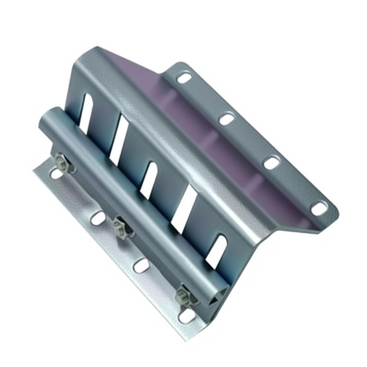
A key aspect of the bottom bracket’s structural function is its ability to distribute the combined weight of the door and the tension from the lifting cables evenly across the bottom section. The bracket must resist upward cable forces while simultaneously supporting the vertical load of the door. Any misalignment or deformation in the bracket can introduce unintended moments, leading to uneven load distribution. This is particularly problematic in wide or insulated door panels, where increased mass amplifies the effects of load imbalance.
The bracket’s material selection directly influences its mechanical durability. Galvanized steel offers high tensile strength and corrosion resistance, essential for withstanding both environmental exposure and cyclic loading. In contrast, aluminum alloys provide weight savings but may be susceptible to localized deformation if not adequately reinforced. The bracket’s thickness, mounting flange width, and gusseting are critical design parameters that determine its ability to resist bending and shear stresses during operation.
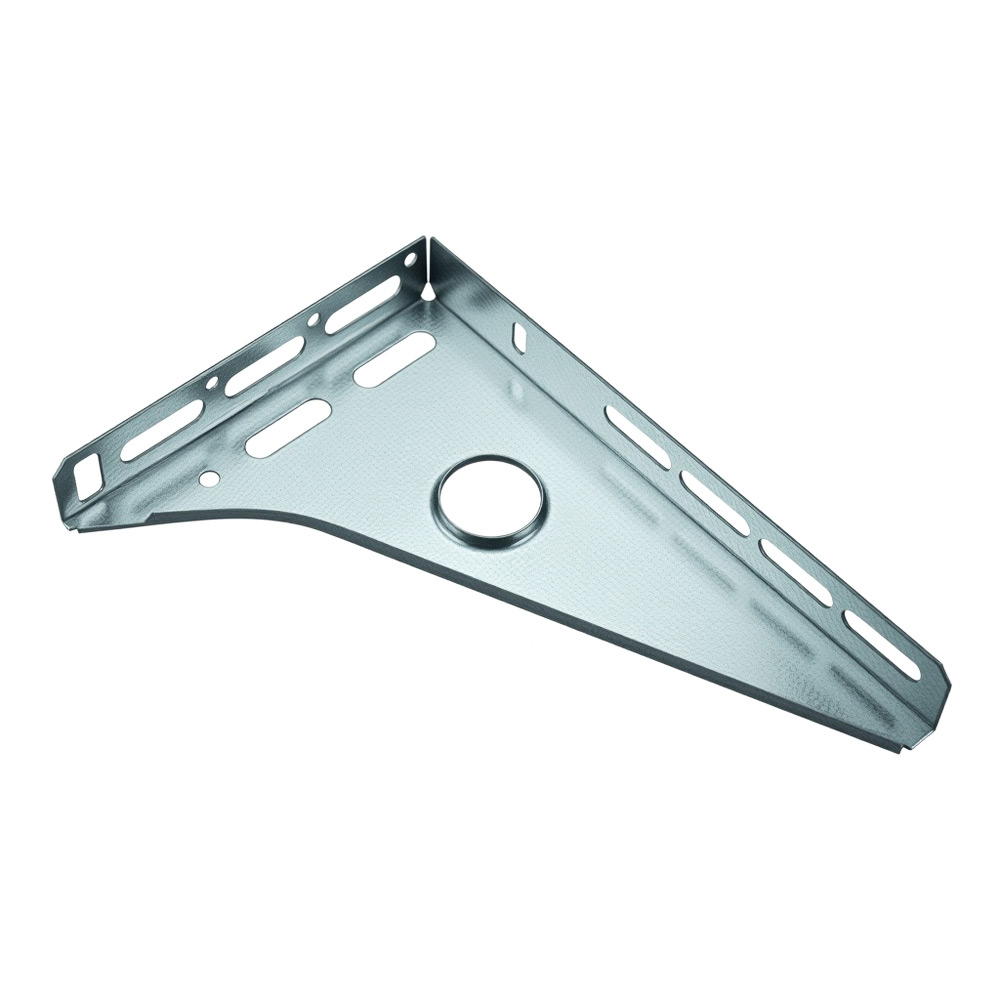
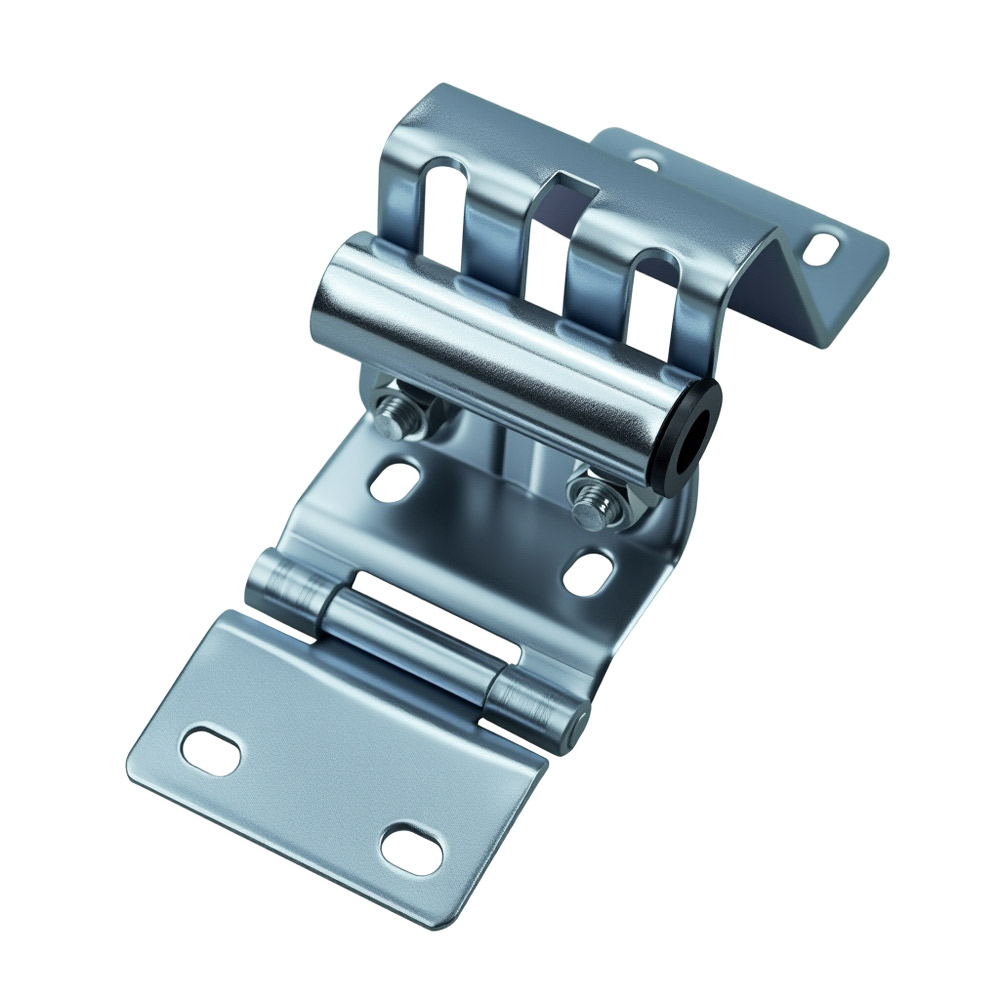
Reliability in the context of garage door bottom brackets is primarily defined by their capacity to maintain structural integrity under repeated loading cycles. Premature wear, often observed as elongation of the cable attachment hole or cracking near mounting points, is a direct consequence of load imbalance. Technicians must recognize that even minor deviations in bracket alignment or fastener torque can significantly alter the load path, accelerating fatigue and leading to early failure.
Routine inspection protocols should include checks for visible deformation, corrosion, and fastener loosening. The presence of elongated holes or cracked welds indicates that the bracket has experienced excessive stress, likely due to improper load distribution. In such cases, immediate replacement is warranted, and the root cause—often an out-of-balance door or misaligned track—must be addressed to prevent recurrence. Load imbalance not only compromises the bracket but also propagates wear to adjacent components such as rollers, hinges, and the door panel itself.
A systematic evaluation of the bottom bracket’s reliability involves both visual inspection and mechanical testing. Technicians should verify that the bracket’s mounting surface is flush with the door’s bottom rail and that all fasteners are torqued to manufacturer specifications. Any evidence of bracket movement under load, such as shifting or audible creaking during operation, suggests that the load path is compromised. In high-cycle environments, periodic non-destructive testing—such as dye penetrant inspection for cracks—can provide early warning of impending failure.
The core pain point for maintenance engineers is the persistent challenge of load imbalance, which not only accelerates bracket wear but also undermines the safety and operational lifespan of the entire door system. Load imbalance may be introduced by uneven spring tension, misaligned tracks, or asymmetric door construction. Addressing this requires a holistic approach: verifying spring calibration, ensuring parallel track alignment, and confirming that the bottom bracket is installed according to engineering best practices.
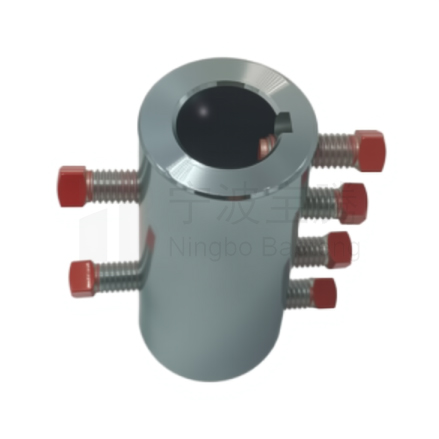
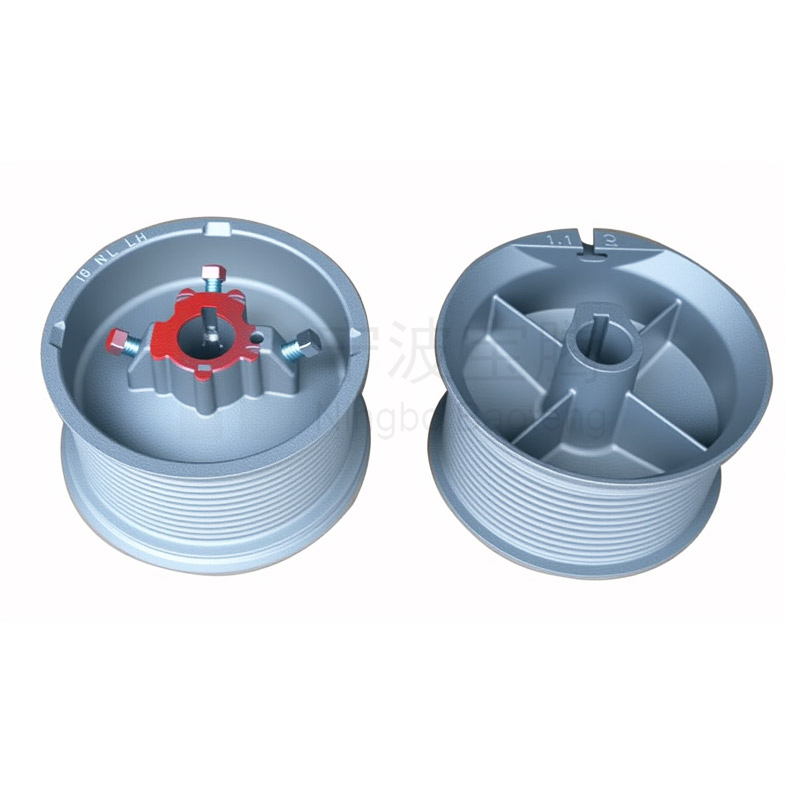
When evaluating the bracket’s performance, technicians should consider both the static load (door weight at rest) and dynamic loads (forces during movement). The bottom bracket must be capable of withstanding transient forces generated when the door reverses direction or encounters obstructions. Over time, repeated exposure to these dynamic loads can induce microstructural changes in the bracket material, leading to crack initiation and propagation. This underscores the importance of selecting brackets rated for the specific door mass and cycle frequency encountered in the application.
Field evaluation of bottom bracket reliability should also include assessment of environmental factors. Corrosive atmospheres, such as those found in coastal regions, can accelerate material degradation, necessitating the use of brackets with enhanced corrosion protection. In cold climates, freeze-thaw cycles may cause moisture ingress behind the bracket, promoting rust and reducing fastener retention strength. Maintenance protocols should be adapted to account for these site-specific risks.
Technicians must also be aware of the interaction between the bottom bracket and other load-bearing components. For example, if the roller stem is not fully seated in the bracket’s socket, lateral forces may be introduced, further exacerbating load imbalance. The interface between the bracket and the lifting cable should be free of sharp edges or burrs to prevent cable fraying, which can lead to sudden failure and hazardous conditions.
Ensuring long-term reliability of garage door bottom bracket systems
In summary, the garage door bottom bracket’s ability to distribute structural loads effectively is fundamental to the long-term reliability of sectional door systems. Maintenance engineers focused on mechanical durability must prioritize precise installation, regular inspection, and prompt remediation of any signs of load imbalance. Technical verification of load parameters—including bracket alignment, fastener torque, and cable seating—should be an integral part of every service routine. By maintaining a rigorous approach to structural integrity evaluation, technicians can mitigate the risk of premature wear and ensure that the bottom bracket fulfills its critical role in load-bearing support.
Verification of load parameters is not a one-time task but an ongoing responsibility. Technicians should document bracket condition, installation details, and any corrective actions taken during each maintenance visit. This data-driven approach enables trend analysis and early identification of systemic issues, such as recurring bracket failures in specific door models or environments. Where persistent load imbalance is observed, a root-cause analysis should be conducted, potentially involving rebalancing of springs, adjustment of track geometry, or specification of upgraded bracket materials.
Ultimately, the operational safety and mechanical durability of garage door systems depend on the technician’s diligence in monitoring and maintaining the bottom bracket’s structural integrity. By systematically verifying load distribution and addressing any deviations from engineering standards, maintenance professionals can extend component life, reduce downtime, and uphold safety standards in both residential and commercial settings.
For further technical documentation and maintenance resources on garage door bottom bracket reliability, refer to Baoteng’s technical documentation or explore Lasttestberichte for engineering reference.
 English
  Русский
  日本語
日本語  한국어
한국어  Français
  Deutsch
  العربية
  Português
  Español