
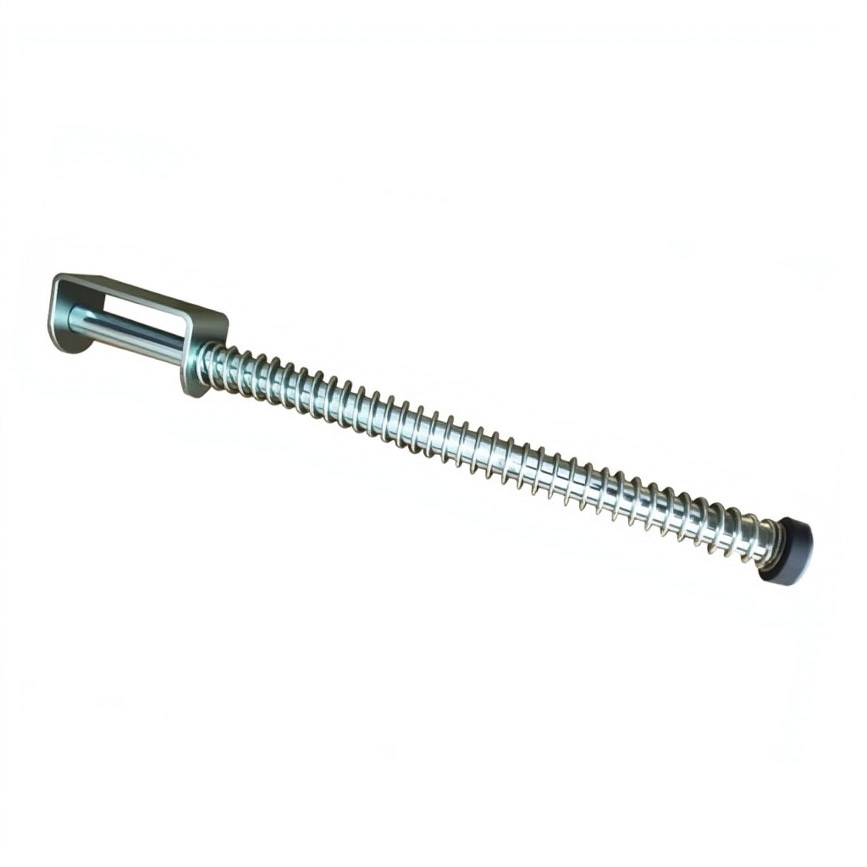
Understanding Garage Door Pusher Spring Mechanics for garage door pusher spring,spring bumper
The garage door pusher spring and spring bumper are essential components in modern garage door hardware engineering, contributing to structural reliability and long-term performance under load.
For further reference, you can review our Firmenübersicht.
Failure Modes of Garage Door Springs
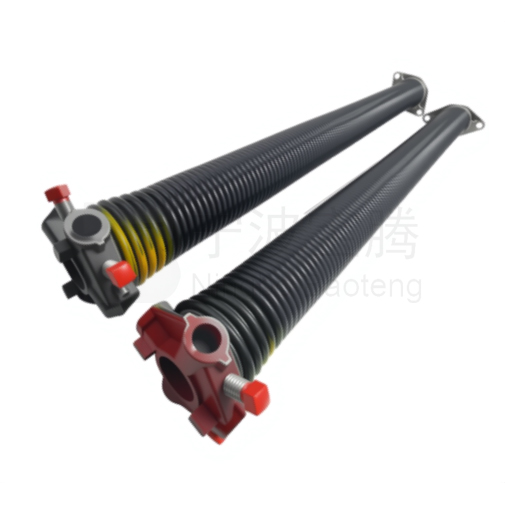
Garage door pusher springs and spring bumpers are critical in lifting and load-bearing applications. They counterbalance the weight of the door, allowing for smooth operation. However, metal fatigue and torque loss can compromise their mechanical integrity, leading to failures.
The pusher spring operates under tension and compression, while the spring bumper absorbs shock loads, protecting the door and hardware from wear. In high-cycle environments, these components face repetitive loading, leading to metal fatigue and potential failure.
Prevention Strategies for Spring Failures
To mitigate risks associated with failure modes, effective prevention strategies are essential. Regular inspection and maintenance can identify early signs of wear. Maintenance should include checking for corrosion, which can worsen metal fatigue, especially in humid environments.
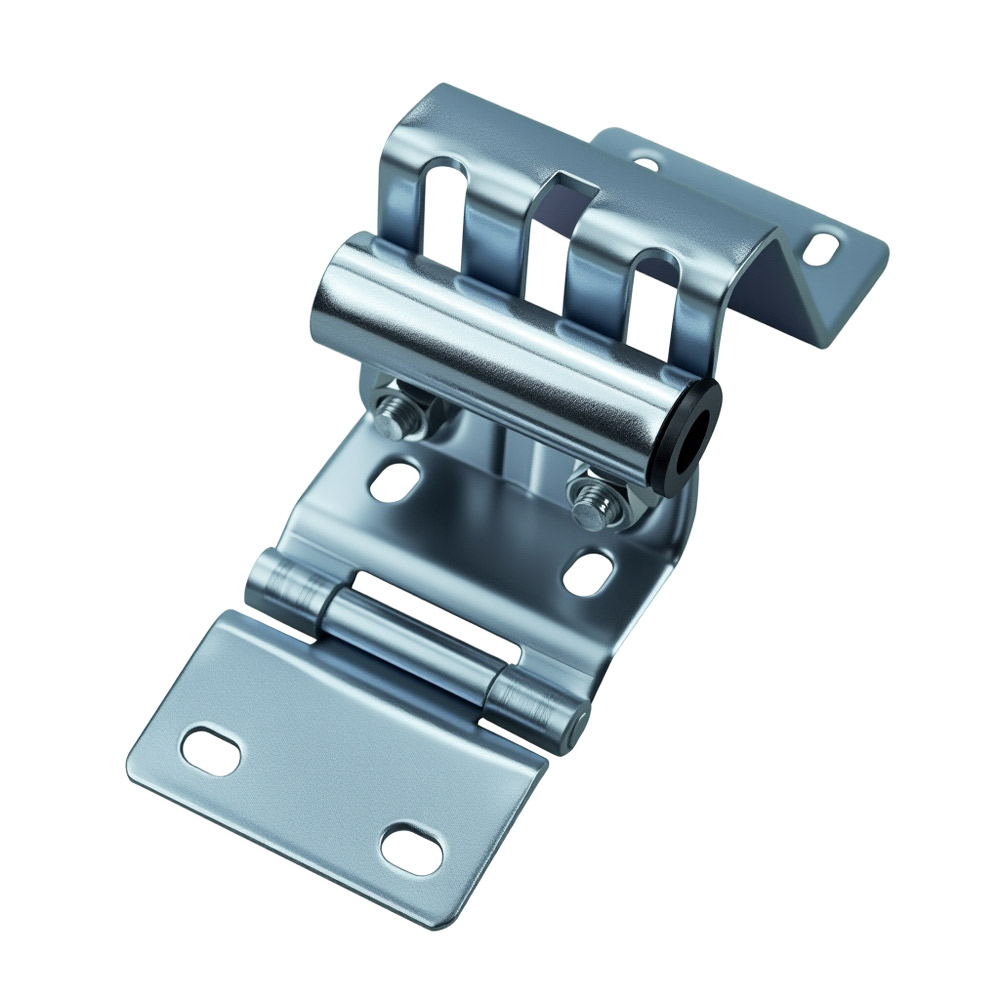
Proper installation of the pusher spring and spring bumper is crucial. Incorrect installation can lead to uneven load distribution, increasing fatigue failure risks. Compliance with industry standards, such as fatigue cycle testing, ensures reliability by simulating real-world usage scenarios.
Material Selection and Environmental Considerations
In high-cycle industrial environments, the demands on garage door pusher springs and bumpers are amplified. Selecting springs designed for high durability and fatigue resistance is imperative. Utilizing materials with superior fatigue properties can enhance component longevity.
Monitoring environmental conditions is also critical. High humidity and exposure to corrosive substances can adversely affect spring performance. Protective coatings or treatments can enhance corrosion resistance, significantly extending the lifespan of these components.
 English
  Русский
  日本語
日本語  한국어
한국어  Français
  Deutsch
  العربية
  Português
  Español