
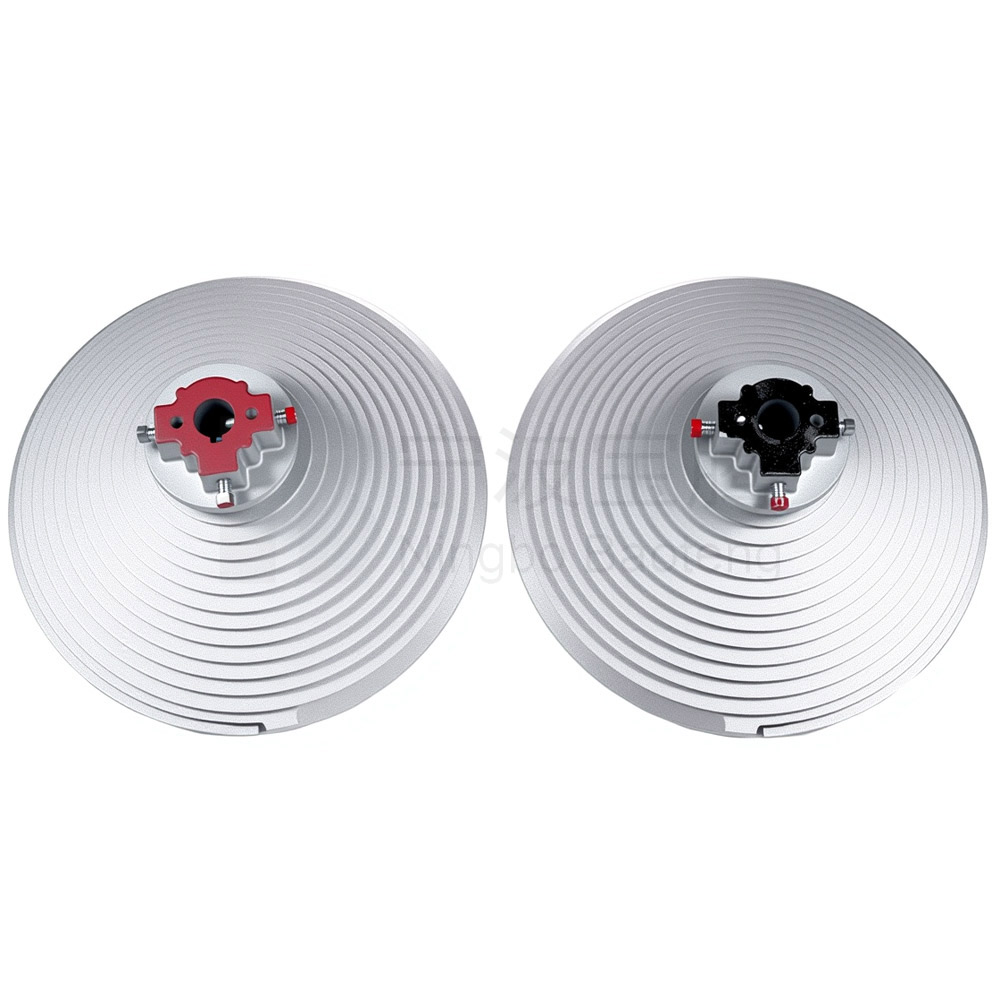
Understanding Garage Door Drums
Garage door drums are integral components in the mechanical dynamics of lifting and balancing garage doors. Their efficient operation is crucial for the stability and safety of overhead door systems.
Deployment of Garage Door Drums
The deployment of garage door drums requires a comprehensive understanding of their mechanical properties and operational context. Typically mounted at the top of the door frame, garage door drums are connected to torsion springs. As the springs unwind, they transfer torque to the drums, which in turn wind the lifting cables that raise and lower the door.
This system must accommodate various load conditions, ensuring that the door remains balanced throughout its travel. Precision in the design of these drums is paramount; any imbalance can lead to increased wear on the components and potential failure.
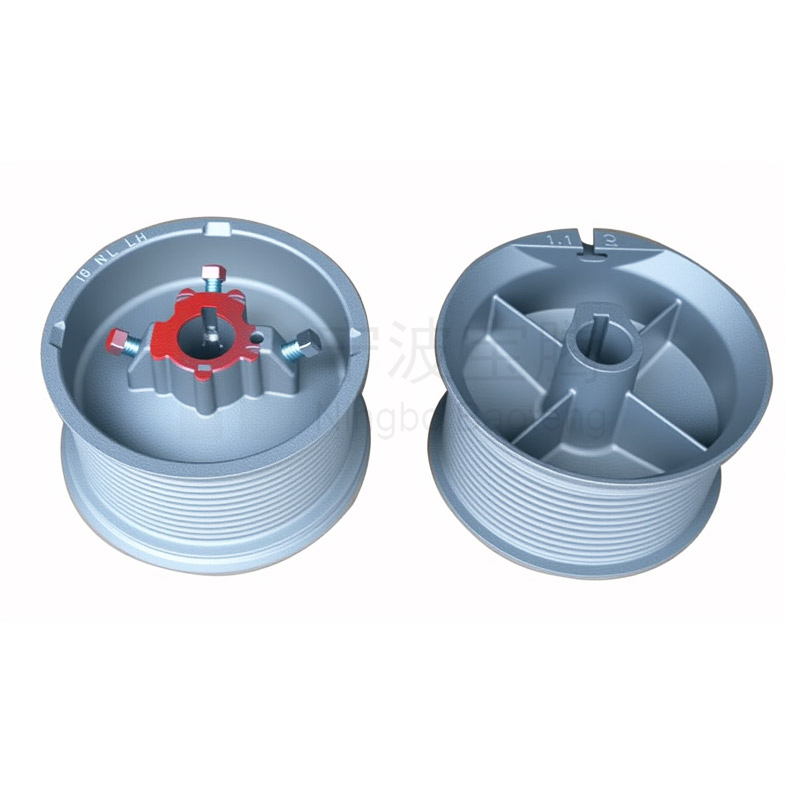
Key Takeaways
Understanding the mechanical advantages of garage door drums is vital for maintenance specialists seeking to optimize garage door systems for reliability and longevity.
Environmental Impact on Garage Door Drums
The environment in which the garage door operates significantly impacts the performance of the drums. Factors such as temperature fluctuations, humidity, and exposure to corrosive elements can affect the material properties and operational efficiency of the drums. For instance, in environments with high humidity, the risk of corrosion increases, leading to degradation of the drum material and affecting its load-bearing capacity.
Selecting appropriate materials and finishes for garage door drums is crucial for enhancing their durability and performance under varying environmental conditions. In addition, the mechanical behavior of the drums under different environmental stresses must be considered, as these factors can influence the longevity and reliability of the entire garage door system.
Performance Optimization of Garage Door Drums
Performance optimization of garage door drums is fundamentally linked to their ability to manage load distribution and torque. The mechanical principles governing these components involve analyzing stress paths and load cycles. When a garage door is in operation, the load is transferred from the door panels to the drums via the lifting cables.
The design of the drums must ensure that this load is evenly distributed to prevent localized stress concentrations that could lead to fatigue failure. Regular inspections and maintenance are essential to identify any signs of wear or damage, allowing for proactive measures to extend the lifespan of the drums and the garage door system as a whole.
For more detailed guidance on maintaining these components, refer to our Installationsanleitungen.
Material Behavior and Performance Standards
To mitigate the risk of failure, adherence to industry test standards is essential. These standards typically encompass parameters such as load capacity, fatigue resistance, and operational cycles. Compliance with established testing protocols ensures that the drums can withstand the expected loads while enhancing the overall safety and reliability of the garage door system.
Regular testing and verification against these standards can identify potential weaknesses in the drum design, allowing for timely interventions to prevent catastrophic failures. For detailed information on component testing, refer to the technische Spezifikationen.
Key Considerations for Material Selection
The choice of materials affects not only the strength and durability of the drums but also their resistance to wear and fatigue. High-strength steel is often used for its superior load-bearing capabilities and resistance to deformation. However, the material must also be treated to resist corrosion, particularly in environments where moisture exposure is prevalent.
The interaction between the drum material and environmental factors can significantly influence the longevity of the component, making it imperative to select materials that can withstand the specific conditions of use.
Schlussfolgerung
The mechanical dynamics of garage door drums play a vital role in the overall performance and reliability of garage door systems. Understanding how these components manage load distribution and torque is essential for preventing failure modes that could compromise safety and operational efficiency. By adhering to industry test standards and considering environmental factors, maintenance specialists can significantly enhance the durability and performance of garage door drums. As demands on these systems evolve, exploring advanced drum solutions is crucial for optimizing performance and ensuring operational reliability.
Furthermore, the installation guidelines for garage door drums are critical to ensuring their effective operation. Proper alignment and secure fastening are necessary to prevent misalignment during operation, which can lead to uneven wear and potential failure. Following the manufacturer’s specifications closely during installation is essential, as deviations can compromise the integrity of the entire system. Regular inspections should also be conducted to identify any signs of wear or damage, allowing for proactive maintenance that can extend the lifespan of the drums and the garage door system as a whole.
Key Takeaways
- Garage door drums are essential for load management and operational efficiency.
- Adhering to installation guidelines is crucial for preventing system failures.
- Regular inspections can prolong the lifespan of garage door components.
- Advanced drum designs are necessary for high-demand commercial applications.
 English
  Русский
  日本語
日本語  한국어
한국어  Français
  Deutsch
  العربية
  Português
  Español