
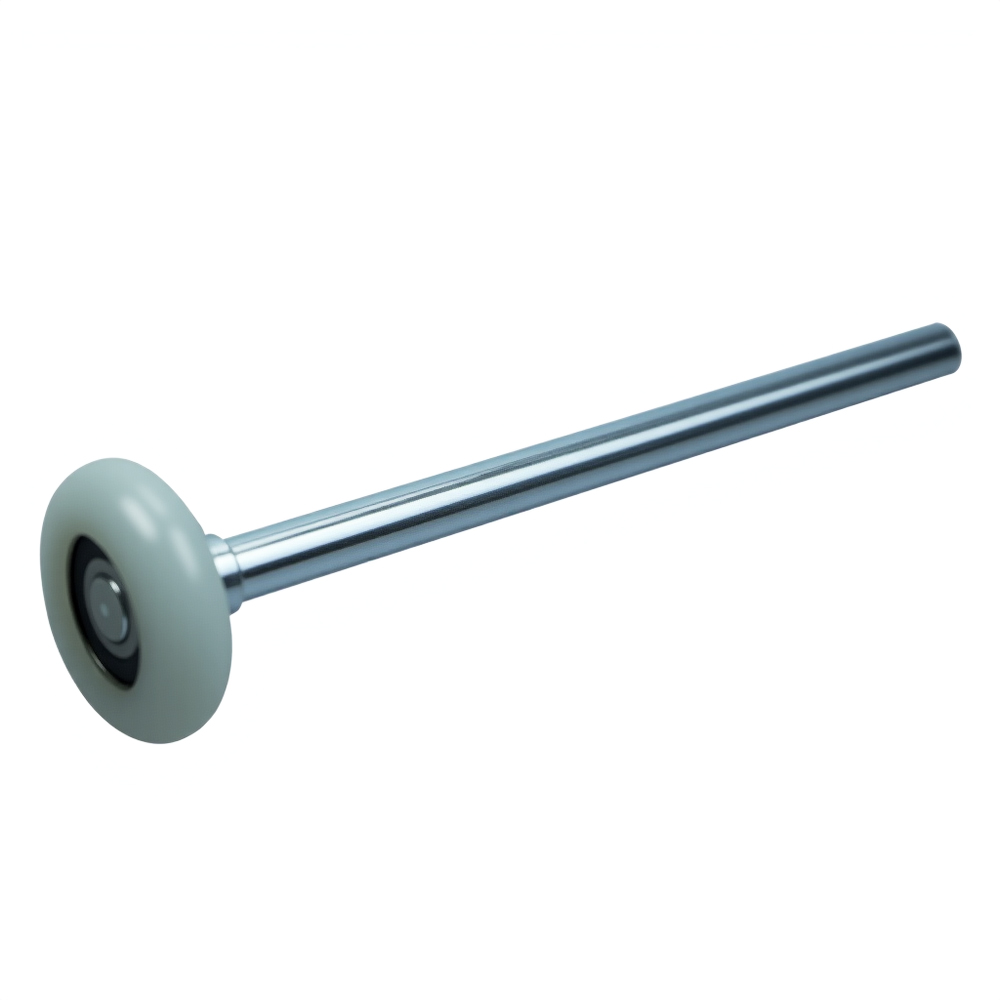
Rolling-friction reliability of nylon wheel roller in sliding door systems
Achieving stable sliding door alignment and minimizing operational noise depend on the engineering of the nylon wheel roller. This component’s rolling friction characteristics are central to mechanical reliability and friction control, ensuring smooth, quiet movement in demanding applications.
Engineers evaluating sliding door performance rely on the nylon wheel roller’s ability to reduce resistance and maintain alignment, making it a key factor in long-term system stability and maintenance reduction.
Reliability factors of nylon wheel roller for noise and friction control
In sliding door systems, precise alignment and stable operation are directly influenced by the behavior of the roller hardware, with the nylon wheel roller being a critical component. For engineers tasked with door alignment, the interplay between rolling friction, mechanical reliability, and noise management forms the core of technical evaluation. The performance of nylon wheel rollers, particularly their ability to minimize friction and control noise, is central to achieving consistent door movement and reducing maintenance interventions. This article systematically examines the rolling-friction characteristics, reliability factors, and performance evaluation methods for nylon wheel rollers in sliding and rolling alignment scenarios, with a focus on addressing the persistent engineering challenge of noise and friction control.
The nylon wheel roller is engineered for environments where low rolling resistance and quiet operation are essential. Its structure typically comprises a nylon wheel, a precision axle, and a bearing assembly, each contributing to the overall frictional profile and operational stability. The selection of nylon as a wheel material is driven by its favorable tribological properties—low coefficient of friction, inherent damping capacity, and resistance to wear under moderate loads. In sliding door applications, these properties translate to smoother movement along the track and reduced transmission of vibration-induced noise through the door assembly.
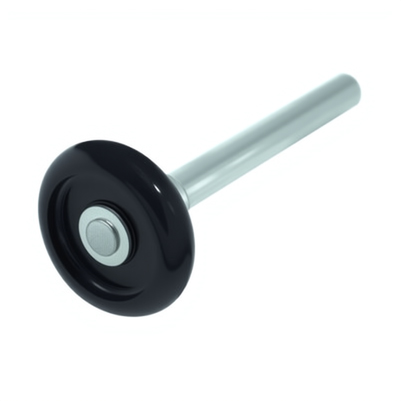
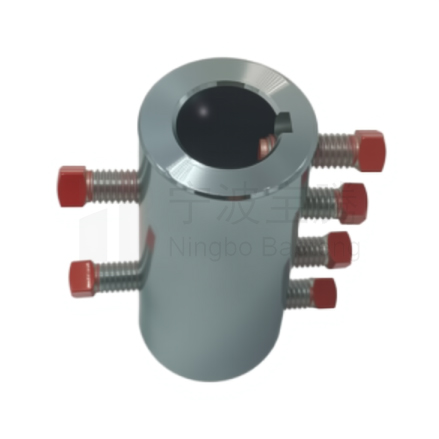
The wheel geometry and surface finish are instrumental in defining the initial contact mechanics. A properly rounded profile with a smooth surface minimizes localized stress concentrations and ensures uniform load distribution across the rolling interface. This directly affects the rolling friction coefficient, which, for nylon-steel contact pairs commonly found in door tracks, typically ranges from 0.02 to 0.05 under clean and lubricated conditions. The axle and bearing system further influence rolling efficiency. Precision ball bearings, when paired with a well-machined axle, reduce internal resistance and maintain concentricity, both of which are crucial for minimizing parasitic drag and ensuring consistent door alignment.
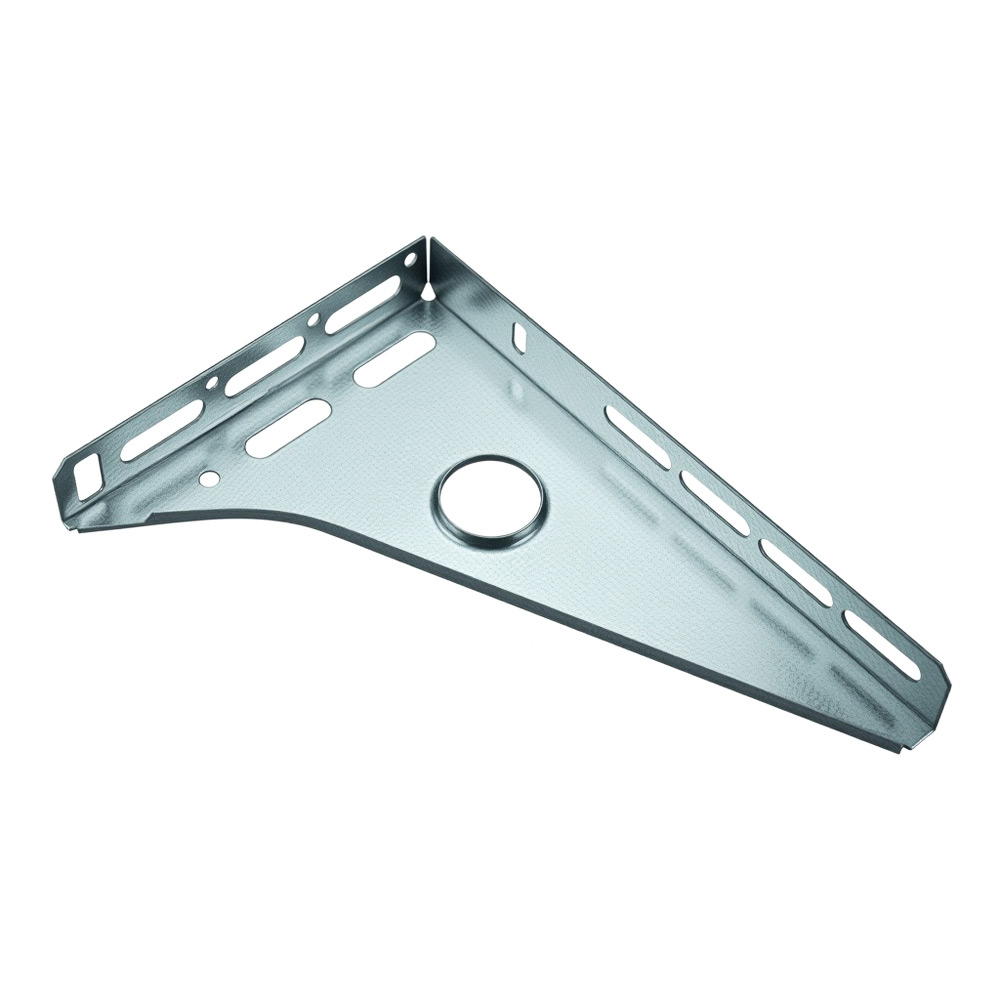
Performance evaluation and reliability testing
Reliability in the context of nylon wheel rollers is determined by the system’s ability to maintain low friction and noise levels over extended operational cycles. Several factors govern this reliability:
- Material Degradation: Nylon, while resistant to many chemicals and moderate abrasion, can undergo creep deformation under sustained loads, especially in high-temperature or high-humidity environments. This can lead to increased rolling resistance and eventual misalignment of the door. Engineers must consider the anticipated load spectrum and environmental exposure when specifying nylon grades, with glass-filled or lubricated nylon variants offering enhanced dimensional stability.
- Bearing Wear: The bearing assembly is subject to both radial and axial loads during door operation. Poor lubrication or contamination can accelerate wear, leading to increased noise and higher rolling friction. Regular inspection protocols and the use of sealed bearings are recommended to mitigate this risk.
- Track Interaction: The interface between the nylon wheel and the steel track is a primary source of rolling friction and noise. Track irregularities, debris, or corrosion can increase frictional forces and result in transient noise spikes. Engineers should specify track surface finishes within defined roughness tolerances (typically Ra < 1.6 µm) and implement maintenance schedules for debris removal.
- Assembly Tolerances: Misalignment during installation can induce side loading on the roller, causing uneven wear and increased friction. Precision in mounting hardware and adherence to alignment specifications are essential for maintaining long-term reliability.
Testing protocols and field monitoring
To quantitatively evaluate the performance of nylon wheel rollers, several test protocols and measurement techniques are employed. Rolling resistance is typically measured using a force gauge to determine the tangential force required to initiate and sustain movement along a representative track section. The coefficient of rolling friction (μr) is calculated as the ratio of this force to the normal load. For engineering-grade door systems, a μr below 0.05 is generally targeted to ensure smooth operation and minimal energy loss.
Noise performance is assessed using sound level meters positioned adjacent to the door system during operation. The primary noise sources are mechanical impacts (from track joints or debris) and vibrational transmission (from bearing or wheel surface irregularities). Acceptable noise thresholds are typically set below 45 dB(A) for residential applications, though commercial thresholds may vary based on environmental requirements.
Long-term reliability is validated through accelerated life testing, where rollers are subjected to repeated cycles under controlled load and environmental conditions. Key failure modes include wheel surface pitting, bearing seizure, and axle deformation. Data from these tests inform maintenance intervals and material selection criteria.
In the field, engineers monitor roller performance by tracking changes in door alignment, resistance to manual movement, and noise signatures. Any deviation from baseline performance—such as increased resistance or emergent noise—indicates potential degradation of the roller system. Root cause analysis often reveals issues such as bearing contamination, wheel surface wear, or track misalignment. Corrective actions are guided by engineering standards, with component replacement or realignment performed as necessary.
A comparative evaluation of nylon wheel rollers against alternative materials (e.g., steel or polyurethane wheels) further highlights the advantages and limitations of nylon. While steel wheels offer higher load capacity and wear resistance, they typically exhibit higher rolling noise and transmit more vibration to the door assembly. Polyurethane wheels provide enhanced damping but may suffer from hydrolysis or chemical degradation in certain environments. Nylon strikes a balance, offering adequate load support, low rolling friction, and superior noise attenuation, provided that material selection and assembly practices are rigorously controlled.
Mechanical reliability strategies
- Material Optimization: Selection of nylon grades with additives for improved wear and dimensional stability.
- Precision Machining: Ensuring tight tolerances for wheel roundness, bearing fit, and axle alignment.
- Instandhaltung der Gleise: Regular cleaning and inspection to maintain optimal surface conditions.
- Bearing Protection: Use of sealed or shielded bearings to prevent ingress of contaminants.
- Installation Protocols: Adherence to alignment specifications to avoid side loading and uneven wear.
For door alignment engineers, the technical evaluation of nylon wheel roller performance must be grounded in empirical data and guided by the principles of mechanical reliability and friction reduction. The interplay of material properties, assembly precision, and maintenance practices determines the long-term success of the roller system in minimizing noise and friction. By systematically verifying roller parameters—such as wheel geometry, bearing condition, and installation alignment—engineers can ensure that sliding door systems meet stringent operational requirements and maintain alignment stability over their service life.
In practice, engineering-grade safety assurance is achieved through a closed-loop process of specification, testing, installation, and monitoring. Each phase must address the core challenges of noise and friction control, with quantitative benchmarks established for rolling resistance and noise emission. Field data should be regularly reviewed to detect early signs of degradation, enabling timely intervention and component replacement.

Ensuring long-term performance of nylon wheel roller in sliding door alignment
In summary, the Nylon-Radrolle remains a preferred solution for sliding door alignment applications where rolling friction behavior and noise control are paramount. Its mechanical reliability is contingent on careful material selection, precision assembly, and proactive maintenance. Door alignment engineers are advised to verify roller parameters against engineering standards and to implement rigorous inspection protocols to uphold system performance and safety.
For further technical documentation, installation guidance, or to review engineering specifications for nylon wheel roller solutions, please refer to the technische Spezifikationen und Installationsanleitungen provided by Baoteng.
 English
  Русский
  日本語
日本語  한국어
한국어  Français
  Deutsch
  العربية
  Português
  Español