
Torque-Balance Dynamics in Torsion Spring Fittings for Load-Bearing and Fatigue Resistance in Garage Doors
Torsion spring fittings play a critical role in the functionality and safety of garage door systems, particularly in the context of load-bearing applications. These fittings are designed to accommodate the torque…
Torsion spring fittings play a critical role in the functionality and safety of garage door systems, particularly in the context of load-bearing applications. These fittings are designed to accommodate the torque generated by the torsion springs, which are essential for counterbalancing the weight of the door during operation. Properly engineered torsion spring fittings ensure that the load is evenly distributed, thereby minimizing the risk of mechanical failure. The integrity of these components is paramount, as any failure in the fittings can lead to catastrophic consequences, including the sudden collapse of the garage door.
One common failure mode associated with torsion spring fittings is the fatigue failure of the couplers. This occurs when the fittings are subjected to repeated load cycles, leading to the gradual accumulation of micro-cracks in the material. Over time, these cracks can propagate, ultimately resulting in a complete failure of the fitting. Factors such as environmental conditions, including temperature fluctuations and humidity levels, can exacerbate this issue. For instance, extreme temperatures can alter the mechanical properties of the materials used in the fittings, reducing their fatigue resistance and increasing the likelihood of failure.
To mitigate these risks, adherence to established testing standards is essential. These standards typically evaluate parameters such as load capacity, material strength, and fatigue life under simulated operational conditions. By ensuring that torsion spring fittings comply with these standards, manufacturers can enhance the safety and reliability of garage door systems. Compliance not only improves performance but also extends the lifespan of the fittings, thereby reducing the frequency of repairs and replacements.
The environment in which these fittings operate significantly influences their performance. For example, exposure to corrosive agents can weaken the structural integrity of the fittings, leading to premature failure. Understanding the interplay between environmental factors and mechanical performance is crucial for engineers tasked with designing and maintaining garage door systems. By selecting appropriate materials and ensuring robust installation practices, the risks associated with torsion spring fittings can be effectively managed, promoting long-term durability and safety in garage door applications.
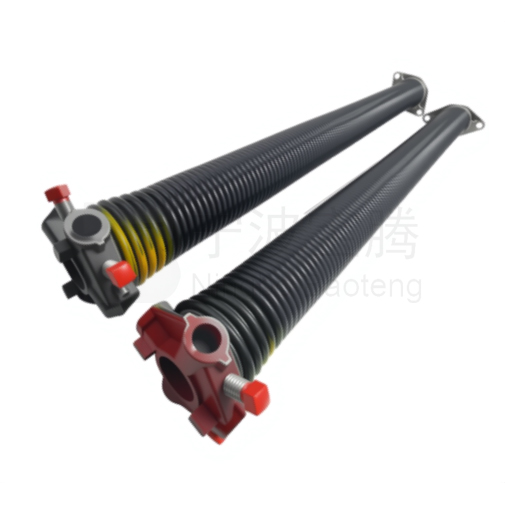
The safety of torsion spring fittings is a critical concern in the design and maintenance of garage door systems. These fittings must withstand significant mechanical stresses while ensuring reliable operation over time. A primary aspect of safety involves understanding the load distribution and torque transfer characteristics inherent in torsion spring systems. When properly installed, torsion spring fittings facilitate the balanced operation of garage doors, allowing for smooth opening and closing motions. However, improper installation or the use of substandard materials can lead to dangerous conditions, including the risk of sudden door failure.
One significant failure mode to consider is the fatigue failure of the fittings, particularly the repair couplers. These components are subjected to cyclical loading during the operation of the garage door, leading to the accumulation of stress over time. As load cycles increase, micro-cracks may develop within the material, eventually leading to catastrophic failure. The performance of torsion spring fittings is highly sensitive to environmental conditions, such as temperature and humidity. For instance, elevated temperatures can reduce the material’s yield strength, while high humidity can promote corrosion, further compromising the integrity of the fittings.
Adhering to relevant testing standards is essential for ensuring the safety of torsion spring fittings. These standards typically assess parameters such as load capacity, fatigue resistance, and material durability under simulated operational conditions. Compliance with these standards not only enhances the performance of the fittings but also contributes to their longevity, thereby minimizing the risk of failure. Regular inspections and maintenance, guided by these standards, can identify early signs of wear or damage, allowing for timely interventions that prevent accidents.
The environment type plays a crucial role in the overall performance and safety of torsion spring fittings. In locations with high humidity or exposure to corrosive substances, the risk of material degradation increases. Engineers must consider these factors when selecting materials for torsion spring fittings, opting for corrosion-resistant alloys or coatings that enhance durability. By understanding the interplay between environmental conditions and mechanical performance, engineers can design systems that not only meet safety standards but also provide reliable operation over extended periods. This proactive approach to safety ensures that torsion spring fittings function effectively, safeguarding users from potential hazards associated with garage door operation.
Failure prevention in torsion spring fittings, particularly in the context of garage door systems, requires a comprehensive understanding of mechanical stresses, material properties, and environmental influences. The primary failure mode associated with these fittings is fatigue failure, which can manifest in the repair couplers that connect the torsion springs to the door assembly. This failure occurs due to the cyclical loading experienced during the operation of the garage door, where repeated stress cycles can lead to the development of micro-cracks in the material. Over time, these cracks can propagate, ultimately resulting in a catastrophic failure that compromises the entire door system.
To mitigate the risk of fatigue failure, engineers must ensure that torsion spring fittings are designed and manufactured to withstand the expected load cycles inherent in their application. This involves selecting appropriate materials that exhibit high fatigue resistance and implementing design features that distribute loads evenly across the fittings. For example, utilizing high-strength steel alloys or composite materials can enhance the durability of the fittings, allowing them to endure the repetitive stress without succumbing to failure. Moreover, the integration of features such as fillets or radii in critical stress areas can help reduce stress concentrations, further extending the life of the components.
Compliance with relevant testing standards is vital for evaluating the performance of torsion spring fittings under realistic conditions. These standards typically assess parameters such as load capacity, fatigue resistance, and environmental durability. By adhering to these standards, manufacturers can ensure that their products meet safety requirements and perform reliably over time. Regular testing not only verifies the integrity of the fittings but also provides valuable data that can inform design improvements and material selection, ultimately leading to enhanced safety and performance.
Environmental factors significantly influence the longevity and reliability of torsion spring fittings. In environments characterized by high humidity or exposure to corrosive agents, the risk of material degradation increases, which can exacerbate fatigue failure. Engineers must account for these conditions when designing torsion spring fittings, opting for corrosion-resistant coatings or materials that can withstand harsh environments. By understanding how environmental conditions affect the mechanical performance of these components, engineers can implement strategies that enhance their resilience, ensuring that torsion spring fittings operate safely and effectively throughout their intended lifespan. This proactive approach to failure prevention not only safeguards users but also contributes to the overall reliability of garage door systems.
The integrity of torsion spring fittings is paramount in ensuring the reliable operation of garage door systems. Engineers must prioritize the selection of high-quality materials and robust design features to mitigate the risk of failure modes associated with fatigue and environmental degradation. Understanding the torque-balance dynamics inherent in these fittings is essential for optimizing their performance under load.
In practical applications, torsion spring fittings must be designed to accommodate the specific load cycles they will encounter, particularly in environments where temperature fluctuations and humidity levels can accelerate wear. The implementation of corrosion-resistant coatings and the use of materials with superior fatigue resistance are critical strategies for enhancing the longevity of these components.
Compliance with established testing standards plays a crucial role in validating the performance of torsion spring fittings. These standards provide a framework for evaluating parameters such as load capacity and environmental durability, ensuring that the fittings can withstand the stresses imposed during operation. Regular testing and adherence to these standards not only enhance safety but also facilitate continuous improvement in design and material selection, ultimately leading to more resilient hardware solutions.
As the discussion progresses, it will be essential to delve deeper into specific failure prevention techniques and the engineering principles that underpin the design of torsion spring fittings. This exploration will further illuminate how engineers can effectively address the challenges posed by varying environmental conditions and mechanical stresses, ensuring the reliability and safety of garage door systems.
Reviewed by: Senior Garage Door Hardware Engineer
All technical viewpoints in this article were reviewed and validated by our senior engineering team, Premium Garage Door Hardware R&D Team.
Learn more in our
Firmenübersicht.
 English
  Русский
  日本語
日本語  한국어
한국어  Français
  Deutsch
  العربية
  Português
  Español