
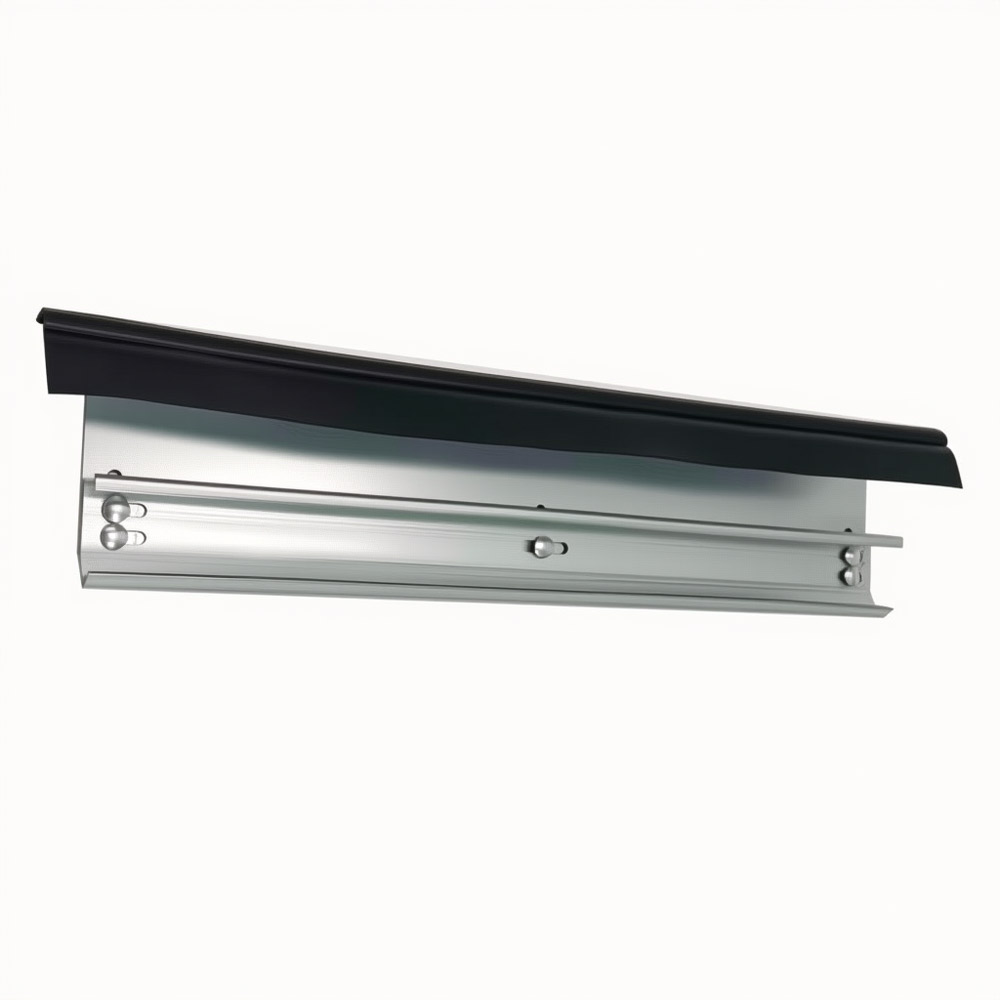
Engineering Challenges of Vertical Tracks for Angle Tracks with Seals
The effective operation of sliding garage doors relies heavily on the precision of the vertical track systems, especially when integrated with angle tracks and seals. The alignment of these components is critical to prevent operational issues, which can lead to misalignment and increased wear on the door system. This analysis will delve into the engineering challenges associated with maintaining track alignment, emphasizing the importance of structural rigidity and accuracy in installation practices. By addressing these concerns, installation planners can ensure optimal performance and longevity of the garage door systems.
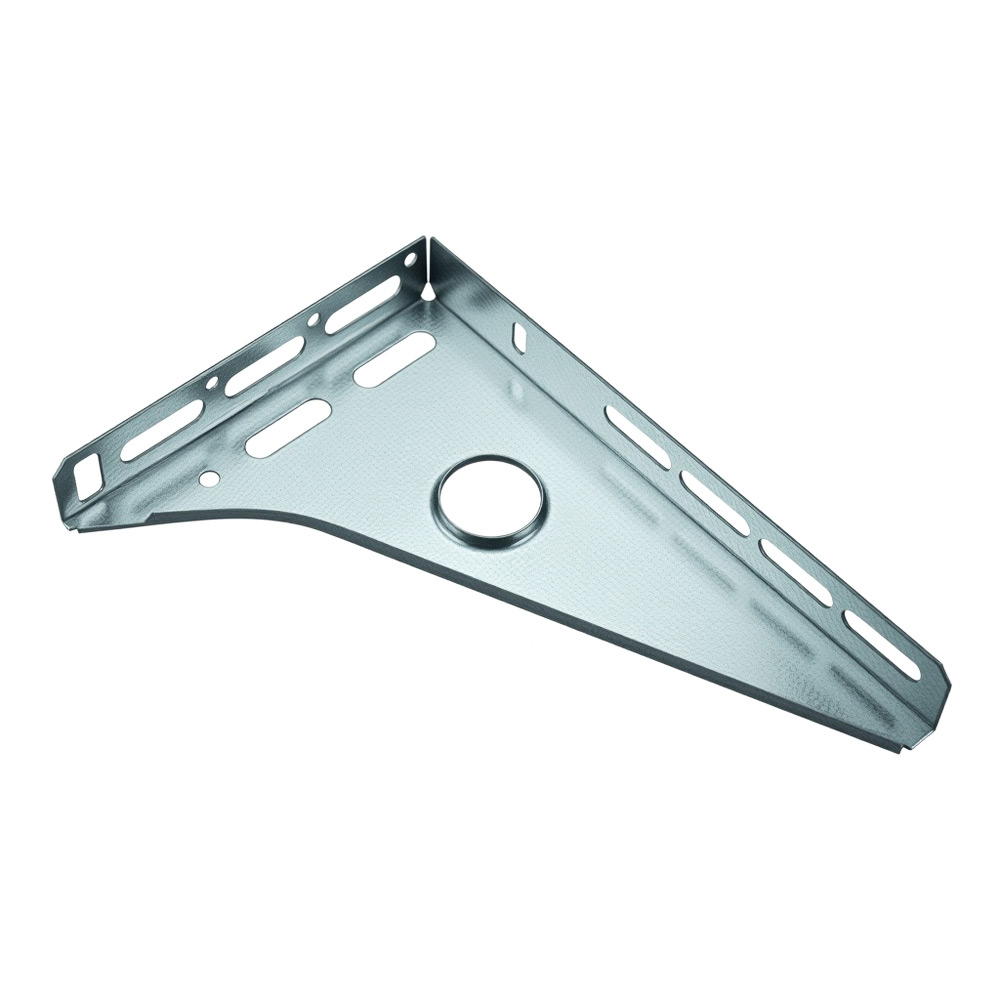
One of the primary engineering challenges in the installation of vertical tracks for angle tracks with seals is the potential for alignment deviation. Misalignment can occur due to various factors, including improper installation, material deformation, or environmental influences such as temperature changes. These deviations can lead to increased friction, noise, and even premature failure of the door system. Therefore, it is essential to understand the underlying causes of alignment issues and implement effective strategies to mitigate them.
The structural design of the vertical track plays a significant role in maintaining alignment. Tracks must be fabricated from materials that provide sufficient rigidity to withstand operational stresses while minimizing deformation. Common materials include galvanized steel and aluminum, which offer a balance of strength and weight. The choice of material must also consider the environmental conditions in which the door will operate, as factors like humidity and temperature can affect material properties.
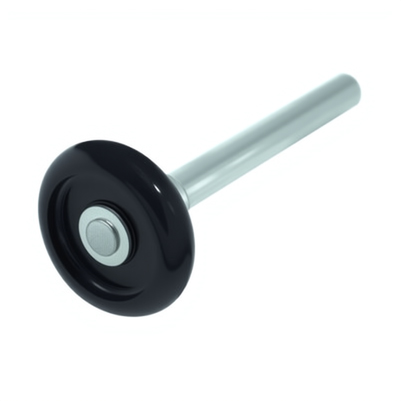
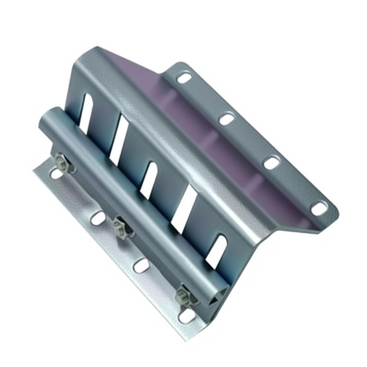
In addition to material selection, the design of the track itself is crucial. Tracks should be engineered to include features that facilitate precise alignment during installation. For instance, incorporating alignment guides or adjustable mounting brackets can help installation planners achieve the necessary accuracy. Furthermore, the geometry of the track must be carefully considered to ensure that it aligns correctly with the door rollers, which are critical for smooth operation.
Another challenge is the installation process itself. Installation planners must ensure that the vertical tracks are mounted vertically and parallel to each other. Any deviation from this can lead to misalignment, resulting in increased wear on the rollers and potential failure of the door system. To achieve this, it is advisable to use a plumb line or laser level during the installation process to verify that the tracks are correctly aligned.
After installation, it is essential to validate the alignment of the vertical tracks. This validation process should involve a thorough inspection of the installed tracks to ensure they meet specified engineering standards. Measurements should be taken at multiple points along the track to identify any deviations. If misalignment is detected, corrective measures such as adjusting the mounting brackets or realigning the tracks may be necessary.
The performance of the vertical track system is directly influenced by the accuracy of the alignment. A well-aligned track will minimize friction and wear on the door rollers, leading to smoother operation and extended service life. Conversely, alignment deviations can result in increased operational noise, higher energy consumption, and a greater likelihood of mechanical failure.
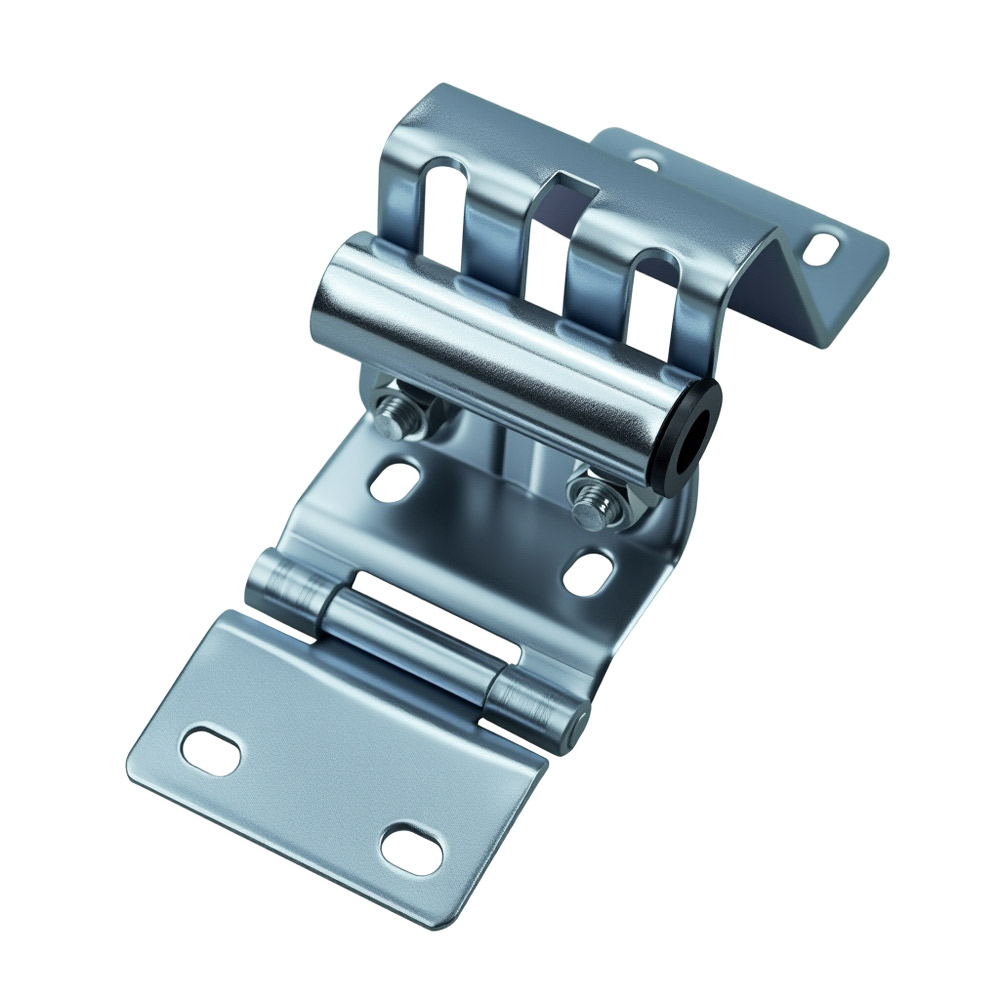
To further enhance the reliability of the vertical track system, it is advisable to implement regular maintenance checks. These checks should include verifying the alignment of the tracks and inspecting for any signs of wear or damage. If any issues are identified, prompt corrective action should be taken to prevent further complications.
In addition to regular maintenance, installation planners should also consider the use of seals in conjunction with the vertical tracks. Seals serve to protect the internal components of the garage door system from dust, debris, and moisture, which can contribute to alignment issues over time. Properly installed seals can also improve the energy efficiency of the garage, reducing heating and cooling costs.
In conclusion, managing alignment deviation in vertical tracks for angle tracks with seals is a multifaceted challenge that requires careful consideration of materials, design, installation practices, and ongoing maintenance. By focusing on structural rigidity and alignment accuracy, installation planners can significantly enhance the performance and longevity of sliding garage door systems. It is essential to verify track parameters with engineering standards and to conduct thorough inspections throughout the installation and maintenance processes.
As a final recommendation, installation planners should engage in continuous education regarding advancements in garage door technology and best practices for installation and maintenance. This proactive approach will help mitigate alignment issues and ensure that garage door systems operate efficiently and effectively.
Reviewed by Senior Garage Door Hardware Engineer
 English
  Русский
  日本語
日本語  한국어
한국어  Français
  Deutsch
  العربية
  Português
  Español