
Garage door sensor issues are a common reason a garage door opener may stop closing, reverse unexpectedly, or appear unresponsive. When people search for how to fix garage door sensor problems, the first step is usually not replacing parts immediately, but identifying whether the safety sensor is actually the source of the issue.
Ningbo Baoteng Co., Ltd., located at NO.6 Miaoqian Road, Fangqiao Town, Fenghua, Ningbo, Zhejiang Province, China, provides general education and information related to garage door hardware topics. The company context does not establish that it manufactures or supplies garage door sensors specifically. This article focuses on general troubleshooting preparation and information gathering before repair decisions.
Identify What a Garage Door Sensor Problem May Look Like
A garage door safety sensor problem can appear in several ways, but the visible symptom alone does not always prove the exact cause. A door that will not close, reverses after starting, or behaves differently from normal may involve the sensor system, opener settings, wiring conditions, power supply, or another part of the garage door setup.
Before attempting any fix, separate the observed behavior from assumptions about the cause. For example, a flashing indicator, unusual opener response, or failure during closing may provide useful clues, but the correct diagnosis depends on the specific opener model, installation history, and available documentation.
Common situations that may suggest a sensor-related question include:
- The garage door begins closing but immediately reverses.
- The opener behaves differently when the door reaches the closing position.
- The system works intermittently rather than failing consistently.
- A previous adjustment, replacement, or maintenance activity changed the door behavior.
A useful troubleshooting approach is to record exactly what happens:
| 観察 | Information to Record |
|---|---|
| ドアの動き | Opens normally, closes partially, reverses, or does not move |
| Timing | Happens every time or only occasionally |
| Recent changes | Maintenance, replacement, weather exposure, or adjustments |
| Opener response | Sounds, lights, indicators, or other visible signals |
Avoid assuming that every garage door closing problem is caused by the sensor. Garage door systems combine multiple components, and a sensor-related symptom can overlap with other issues.
Check the Information Needed Before Troubleshooting a Garage Door Sensor
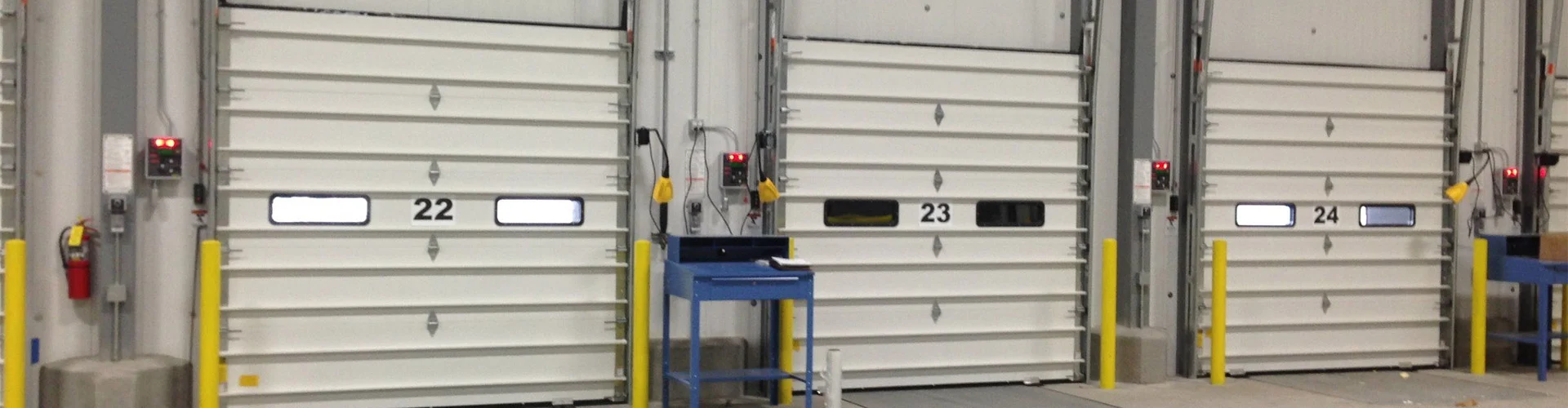
Good troubleshooting starts with collecting the right information. Without system details, it is easy to confuse different problems or request the wrong type of assistance.
Before asking for technical guidance, gather:
-
Opener information
Record the opener brand, model if available, and any documentation that came with the system. -
Current symptoms
Describe what happens step by step instead of only stating that the sensor is “broken.” -
Recent history
Note whether the problem appeared after installation, cleaning, maintenance, weather changes, or another event. -
Visual information
Photos of the installation area, visible components, and unusual conditions can help explain the situation. -
Existing records
Keep manuals, previous repair notes, purchase information, or replacement records available.
A clear description reduces unnecessary replacement decisions. For example, “the door reverses after touching the floor” provides different information from “the garage door sensor does not work.”
Troubleshooting is also easier when users understand what information is missing. A missing model number, unclear wiring history, or unknown previous modification can prevent accurate evaluation.
Separate Sensor Troubleshooting From Other Garage Door Problems
Garage door systems include many connected elements, and not every malfunction belongs to the sensor category. A sensor question should be separated from other topics such as opener programming, remote control problems, mechanical hardware wear, or door movement issues.
For example:
- Sensor-related questions usually focus on safety detection behavior during operation.
- Opener programming questions involve setup, remote pairing, or system configuration.
- Hardware questions involve physical components of the door assembly.
- Maintenance questions involve cleaning, lubrication, adjustment, or general care.
This separation helps prevent a common mistake: changing hardware when the actual issue is related to system setup or another component.
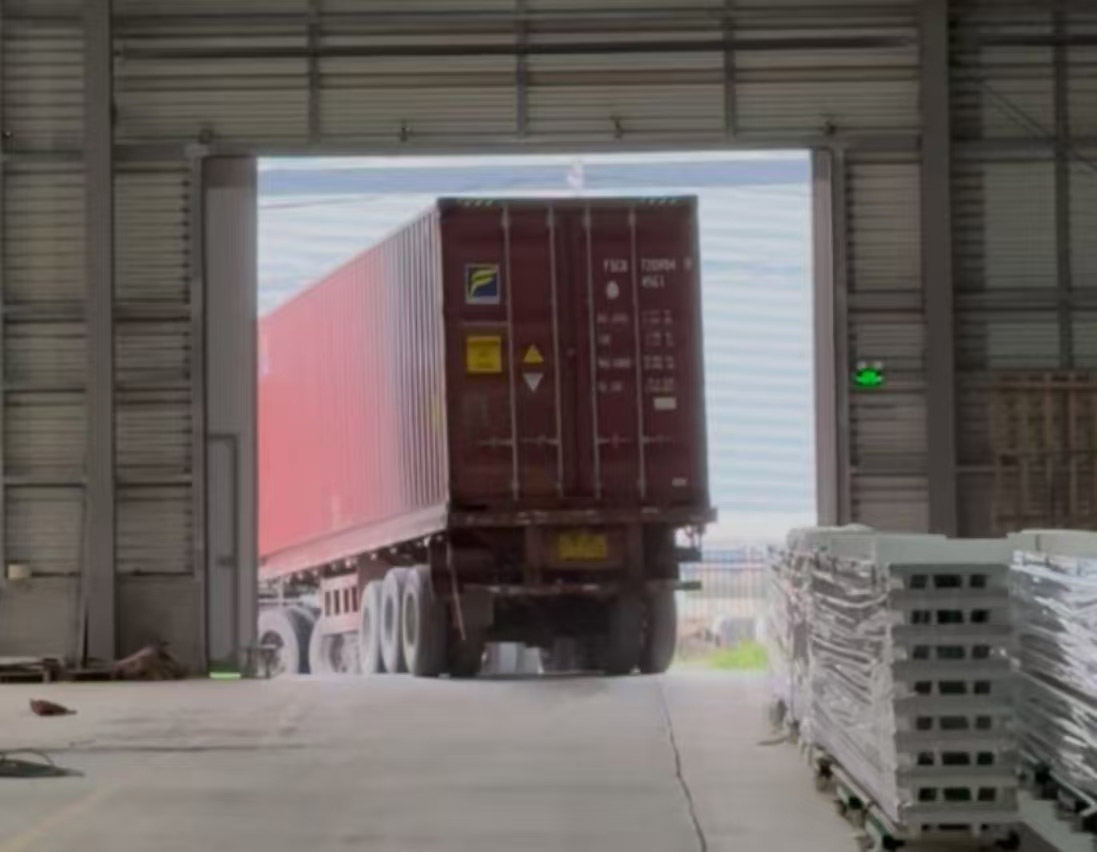
A careful diagnosis process should avoid unsupported conclusions. Without confirmed product information, drawings, or technical documentation, it is not possible to determine the exact repair method or replacement requirement from a symptom alone.
Signs That More Investigation May Be Needed
- The same symptom appears after multiple basic checks.
- The problem changes depending on operating conditions.
- Previous repairs or modifications are not documented.
- The observed issue does not match the expected opener behavior.
Prepare the Right Details Before Requesting Technical Guidance
When a garage door sensor issue requires additional assistance, the quality of the information provided often determines how quickly the problem can be understood.
A useful request should include:
- The garage door opener model and available documentation.
- A clear description of the problem sequence.
- Photos showing the relevant installation area.
- Information about previous replacements or repairs.
- Details about when the problem started.
- Any visible indicators, sounds, or changes in operation.
This approach creates a complete problem record instead of relying on a general statement such as “the sensor failed.”
For buyers, installers, and maintenance teams, accurate information also helps separate a sensor inquiry from a broader garage door hardware request. A hardware supplier or technical contact may need different details depending on whether the question involves components, installation context, or system behavior.
Practical Details to Confirm Before Seeking Help
- Confirm the exact garage door opener information available.
- Record the complete symptom instead of a single conclusion.
- Check whether manuals or previous records exist.
- Capture clear photos of the relevant area.
- Note any recent maintenance or replacement work.
- Avoid assuming compatibility between different systems without verification.
よくある質問
How do I fix a garage door remote instead of a sensor problem?
A remote control issue is a different troubleshooting category from a sensor issue. Check the remote model, battery condition, programming history, and opener documentation before assuming the sensor system is involved.
How do I program a garage door opener with a car?
Vehicle integration depends on the opener model, vehicle system, and available instructions. Confirm the exact equipment details before starting any programming process.
Can hardware replacement solve a garage door sensor problem?
Not necessarily. A sensor-related symptom may come from different parts of the system. Confirm the cause and required information before replacing components.
 English
  Русский
  日本語
日本語  한국어
한국어  Français
  Deutsch
  العربية
  Português
  Español