

How do garage door brackets prevent deformation and ensure reinforced load-path stability in high-cycle commercial use?
The challenge of maintaining predictable, long-term motion in high-cycle commercial door systems often begins with a single mechanical vulnerability: deformation at the bracket interfaces that carry and redirect the door’s operational loads. When brackets distort under repeated torsional or impact forces, the entire load path becomes inconsistent, producing misalignment, roller binding, and uneven track wear. Evaluating how garage door brackets resist these stresses forms the foundation for improving reliability in warehouse environments where doors may cycle hundreds of times per day. By understanding the structural behavior of these components, facilities can reinforce the stability required for continuous fleet traffic, controlled access, and time-sensitive logistics operations. This discussion focuses on how garage door brackets contribute to reinforced load-path stability and what their performance means for commercial hardware installations. Let’s explore why this matters in real-world door systems.
Commercial overhead doors in distribution centers operate under a steady rhythm of lifting and lowering that concentrates forces at predictable points along the supporting hardware. Garage door brackets—mounted at the lower corners, mid-sections, and upper termination points of sectional panels—serve as the nodes where loads transfer between the moving door and the fixed track system. In high-cycle conditions, these brackets experience repetitive torque from the lifting cables, compression from downward travel, and intermittent shock loads as powered operators engage at varying speeds. Field observations regularly show that bracket behavior largely determines whether the door maintains linear, repeatable motion or gradually drifts into misalignment and increased friction. During cycle testing performed on commercial roll-up bays, technicians consistently identified early signs of deformation at the bracket edges before any visible wear appeared at hinges or rollers, reinforcing the importance of bracket integrity in high-demand settings.
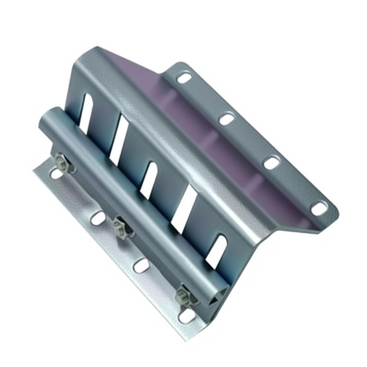
Structural role of garage door brackets in high-cycle systems
In large warehouse operations where loading docks handle constant inbound and outbound traffic, the performance of garage door brackets becomes critical for maintaining operational flow. High-cycle commercial garage facilities often experience more than 50,000 cycles per year, placing continuous stress on the bracket’s mounting points and cable attachment hardware. In these settings, brackets must not only support the static weight of the door but also absorb dynamic forces introduced by forklifts activating sensors, rapid-open operators, and pressure fluctuations caused by interior HVAC systems. Technicians working in multi-bay environments report that even slight bracket deformation can cause asymmetrical cable tension, which in turn increases operator strain and contributes to roller oscillation.
From an engineering standpoint, garage door brackets sit at the intersection of torsion spring torque, cable routing, track gauge, and panel stiffness. They translate rotational input from the torsion shaft into controlled vertical motion while keeping the rollers aligned inside the tracks. When the bracket geometry remains stable, the load rating of the entire hardware system is more likely to match its design intent, and the door can achieve its specified cycle life without excessive adjustments or unexpected stoppages.
Load-path control
Garage door brackets anchor the connection between lifting cables, rollers, and sectional panels, stabilizing the primary load path under high-cycle operation.
Cycle life influence
Bracket stiffness and fastener patterns directly affect how evenly torsion spring torque is distributed, influencing the system’s effective cycle life in commercial bays.
Alignment stability
Properly engineered garage door brackets help maintain track parallelism and roller alignment, reducing binding, noise, and localized track wear over time.
Inspection reference
Technicians often inspect bracket edges and cable anchor points first, since early deformation here is a leading indicator of broader hardware fatigue.

Where garage door brackets make the greatest impact
High-cycle commercial door applications with demanding load and thermal profiles
High-cycle loading docks in distribution warehouses
In large warehouse operations where loading docks handle constant inbound and outbound traffic, the performance of garage door brackets becomes critical for maintaining operational flow. High-cycle commercial garage facilities often experience more than 50,000 cycles per year, placing continuous stress on the bracket’s mounting points and cable attachment hardware. In these settings, brackets must not only support the static weight of the door but also absorb dynamic forces introduced by forklifts activating sensors, rapid-open operators, and pressure fluctuations caused by interior HVAC systems. Technicians working in multi-bay environments report that even slight bracket deformation can cause asymmetrical cable tension, which in turn increases operator strain and contributes to roller oscillation.
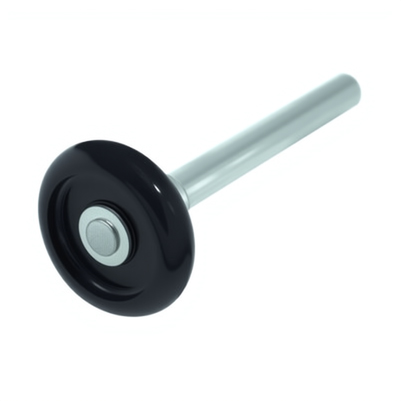
Heavy insulated panels in temperature-controlled logistics
In facilities where overhead doors must accommodate heavy insulated panels, the demands on garage door brackets increase significantly. Insulated door sections, often designed for thermal retention or acoustic control, impose greater weight per square foot and therefore require stronger bracket materials and more robust fastener patterns. In one field review during the installation of a heavy-panel system in a temperature-controlled logistics center, inspectors observed that bracket reinforcement ribs played a crucial role in preventing mid-panel flexing under motion load. Without these reinforcements, lateral drift and hinge misalignment would likely have increased maintenance frequency. This scenario emphasizes how garage door brackets must manage not only static weight but also bending moments generated along the vertical plane as the door transitions between positions.
Technicians report more predictable motion and fewer unexpected stoppages over time when brackets maintain their structural geometry. These findings underscore that system stability is not just dependent on operators or springs but on the distributed behavior of every load-bearing connection point, especially the bracket hardware.
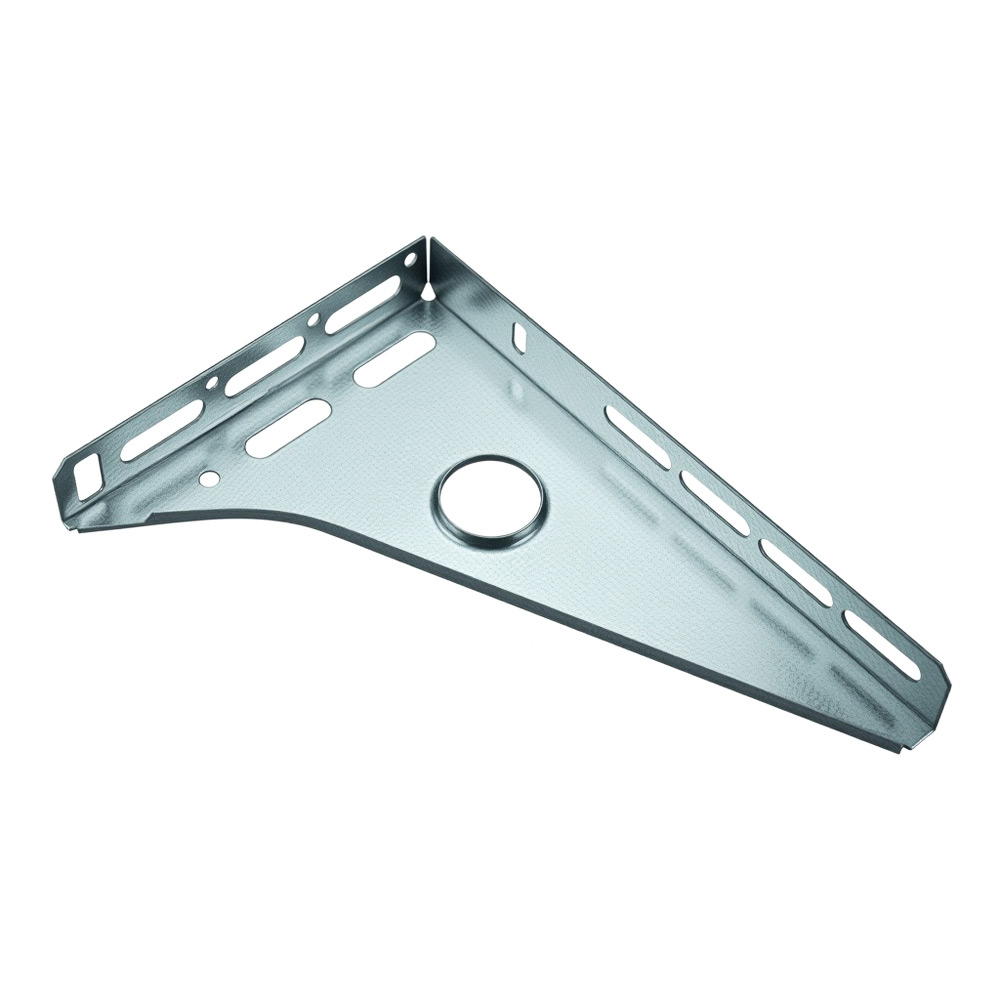
High-speed operator corridors in courier hubs
In high-traffic service corridors found in courier distribution hubs, garage door brackets must endure repeated impact-related disturbances caused by abrupt operator starts. Many commercial operators are configured for high-speed open cycles to reduce wait time for passing vehicles, but these rapid transitions create sharp load spikes at the lower bracket locations where lifting cables exert upward force. Maintenance logs from courier facilities repeatedly show that early stress marks appear at the cable-anchor holes long before spring systems reach their rated cycle limit. This pattern indicates that the mechanical integrity of garage door brackets often dictates overall system longevity in high-speed applications.
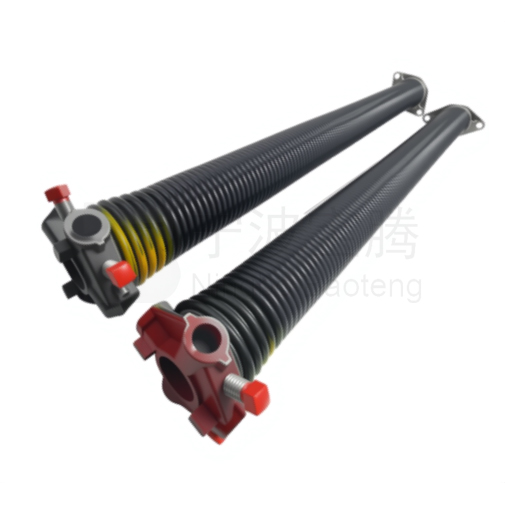
Thermal swing environments in manufacturing warehouses
In manufacturing warehouses with large temperature swings between exterior docks and interior assembly spaces, thermal strain compounds operational loading. Metal expansion and contraction can loosen fasteners over time, creating micro-movements that accelerate bracket fatigue. Observations from alignment verification sessions during seasonal transitions indicate that brackets with thicker gauge steel and structured gussets better maintain their position through repeated thermal cycles. This stability helps preserve track parallelism, reducing noise production and maintaining smoother roller travel during peak operational hours.
Technicians again report smoother lift profiles and fewer tension adjustments when thermal-resistant bracket assemblies retain their original form. These real-world experiences show that garage door brackets contribute significantly to operational consistency during temperature-related expansion cycles.
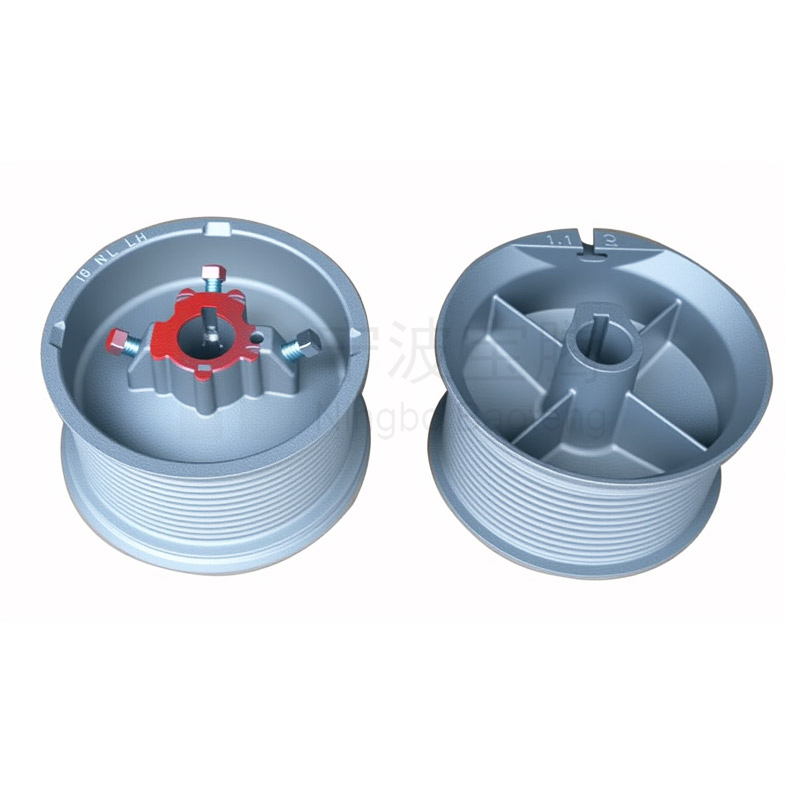
Operational behavior and engineering considerations for garage door brackets
Managing torsional and impact loads
Garage door brackets located at lower corners and intermediate panel positions absorb repeated torsional and impact loads from the torsion spring and operator cycles. When their geometry resists deformation, cable tension remains balanced across both sides of the door, and roller paths stay centered in the tracks. This reduces localized stress peaks that typically drive premature wear at hinges, rollers, and operator drive components.
Interfacing with insulated and heavy doors
As door weight increases with insulated or acoustically engineered panels, garage door brackets require higher load rating, thicker material sections, and optimized fastener layouts. Reinforcement ribs, extended mounting flanges, and carefully specified track gauge help distribute loads into the surrounding structure. These design practices reduce the risk of panel deflection and hinge misalignment over the door’s cycle life.
Thermal cycles and micro-movement control
Under repeated thermal swings, even small gaps between brackets, tracks, and mounting substrates can grow into measurable shifts that disturb alignment. Stiffer bracket designs combined with proper torque on mounting fasteners limit this micro-movement. Field measurements taken during alignment verification sessions confirm that doors equipped with robust brackets retain smoother motion and lower noise after seasonal temperature changes.
These insights guide specifiers and maintenance teams as they evaluate garage door brackets for demanding commercial projects. For deeper technical review of torque behavior and load-path design, it is useful to consult detailed характеристики крутящего момента для кронштейнов and related технические условия.
Sustainability and system-level value of robust garage door brackets
Sustainability in commercial garage door hardware is increasingly defined by lifecycle cost, material responsibility, and long-term operational resilience. Garage door brackets play an essential role in each of these areas because their structural reliability directly influences maintenance frequency, replacement intervals, and overall system durability. When brackets resist deformation and maintain alignment, the door experiences fewer binding events and requires less periodic intervention. This reduces both service labor and the volume of replacement components consumed over years of operation.
Mechanical Integrity
- Garage door brackets designed with reinforced bend lines, distributed fastener patterns, and corrosion-resistant coatings contribute directly to long-term mechanical integrity.
- By maintaining consistent load transfer between the door sections and the track system, these garage door brackets minimize the risk of cascading mechanical issues that typically arise from misalignment.
- In sustainability-focused evaluations of commercial facilities, inspectors often note that bracket systems with stable geometry reduce roller eccentricity and lower operator energy consumption.
Material Reliability
- The durability of garage door brackets depends heavily on the grade and treatment of their steel, including galvanized coatings, powder-coat finishes, or zinc-rich primers.
- Long-term field observations at coastal distribution hubs show that brackets with comprehensive protective coatings exhibit far less surface pitting and maintain tighter fastening tolerances.
- This material reliability ensures that the supporting structure of the door remains stable despite prolonged exposure to humidity, airborne contaminants, and cleaning agents.
Lifecycle Cost & Sustainability
- When garage door brackets maintain geometric stability, they prevent early wear on related components such as rollers, hinges, and operator drives.
- Reduced component replacement lowers material consumption and maintenance hours across the hardware set, particularly in multi-bay facilities with many high-cycle doors.
- This behavior supports more predictable budgeting and aligns with sustainability goals focused on fewer interventions and longer service intervals.
Responsibility
- Commercial operations that emphasize responsible resource use prioritize garage door brackets and related hardware that extend total system longevity.
- By selecting bracket assemblies that resist deformation under high-cycle loading, facilities demonstrate an engineering-driven approach to reliability and environmental responsibility.
- Maintaining bracket integrity reduces waste, prolongs door life, and supports predictable fleet operations that depend on uninterrupted door access.
Aligning garage door bracket design with long-term system reliability
Reinforcing the long-term performance of commercial door systems begins with understanding how each bracket influences the broader load path. When garage door brackets maintain structural stability under repetitive cycles, facilities experience smoother motion, fewer cable adjustments, and more consistent operational flow. Engineers, maintenance teams, and facility managers all benefit from hardware that delivers predictable behavior in demanding environments. As commercial buildings continue to prioritize reliability and efficiency, the stability provided by well-designed bracket assemblies remains an essential contributor to safe, consistent, and durable door operation. From high-speed logistics bays to insulated warehouse entrances, bracket resilience represents a key factor in ensuring that every lift and closure occurs as intended.
For teams reviewing specifications or planning upgrades, aligning garage door brackets with verified отчеты о нагрузочных испытаниях and documented quality assurance processes helps ensure that the selected hardware supports long-term mechanical and sustainability objectives.
 English
  Русский
  日本語
日本語  한국어
한국어  Français
  Deutsch
  العربية
  Português
  Español