
How Garage Door Rollers Improve Heat-Related Fatigue in Demanding Work Environments
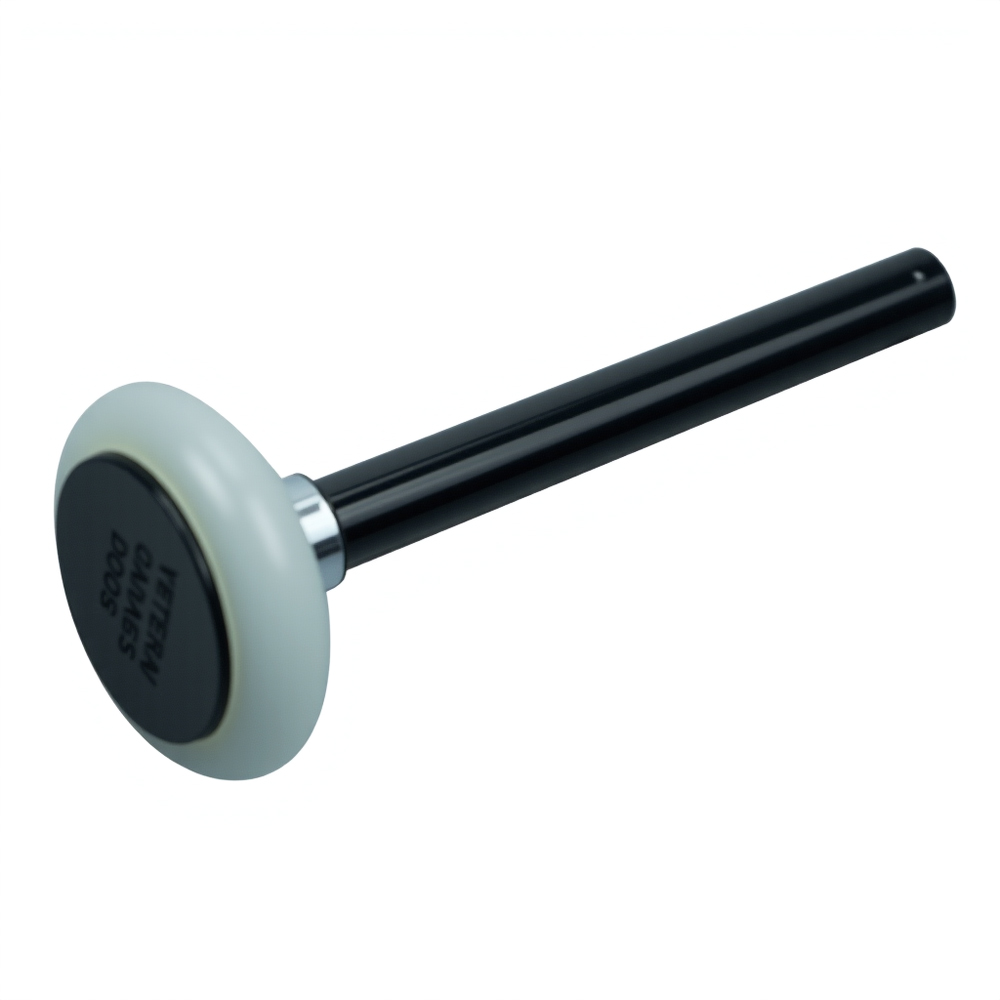
In industrial workshops, automotive service bays, distribution centers, and residential repair settings, garage door systems operate under high mechanical and environmental stress. Among all components, ролики гаражных ворот play an outsized role in determining how much physical effort an operator expends when lifting or guiding a door—especially during long shifts in high-temperature conditions. Heat-related fatigue is a common but often overlooked challenge for technicians, warehouse operators, and maintenance teams, and many facility managers underestimate how component-level design affects ergonomics and physiological stress. This article explores in depth how modern roller engineering reduces handling effort, limits unnecessary exertion in hot environments, and improves operator safety and endurance.
Before analyzing the connection between heat exposure and mechanical efficiency, it is important to understand that fatigue is not caused only by temperature. When a door system uses outdated or low-quality rollers, friction increases, track resistance spikes, and operators must supply more pulling or pushing force to compensate for mechanical inefficiencies. Under hot conditions, the increased metabolic output accelerates heat buildup in the body, raising the risk of exhaustion and reducing productivity. By contrast, high-grade rollers minimize mechanical resistance, allowing operators to conserve energy. This reduced physical load translates directly into slower fatigue accumulation.
1. Understanding the Connection Between Roller Engineering and Heat-Induced Fatigue
Heat-related fatigue occurs when the human body struggles to dissipate excess internal heat generated by muscle activity. Every action requiring physical force—such as pulling a stubborn overhead door—adds small but significant thermal load. Over time, this can lead to lowered performance, slower reaction times, higher accident likelihood, and decreased endurance.
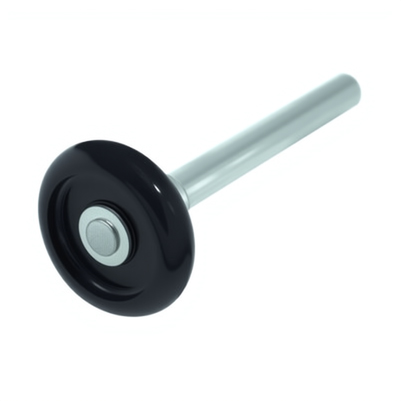
When garage door rollers are engineered with low-friction materials such as nylon, ball-bearing reinforcement, and vibration-dampening hubs, they substantially reduce the force required to move the door. Better rolling smoothness directly correlates with lower operator energy usage. This means that even during high-temperature periods, workers expend less muscular power, reducing the internal heat they generate.
For facilities operating in warmer climates, energy-efficient mechanical components become an ergonomic necessity. Smooth-rolling hardware, especially high-grade rollers, helps maintain predictable door movement even when thermal expansion affects other parts of the system. The lower the variability in operating resistance, the more consistent the operator’s energy expenditure becomes—an important factor for employee well-being.
2. Material Innovation: Why Modern Roller Materials Matter
Traditional steel rollers are durable but often heavy, noisy, and susceptible to heat-induced expansion. While steel performs well in many applications, it can generate unnecessary friction when paired with metal tracks during prolonged high-temperature exposure. Nylon rollers, by contrast, are lighter, quieter, and far more stable under thermal fluctuations. Their smooth surface reduces micro-abrasions inside the track, extending component lifespan while improving overall door performance.
Reduced friction has a dual benefit: mechanical longevity and lower operator effort. In high-temperature environments, this difference becomes more dramatic because friction itself produces additional heat within the mechanism. The more heat the system creates, the harder the operator must work against it. High-performance garage door rollers mitigate this problem by maintaining stable thermal characteristics and minimizing energy loss through friction.
Engineering documentation from professional manufacturers further highlights how ball-bearing systems inside rollers distribute load evenly, preventing binding, sticking, or “dragging”—all common causes of overexertion. In extreme working conditions, even a modest reduction in force requirement can significantly reduce the risk of heat-related fatigue for technicians.
3. Interaction With Hinges, Tracks, and Brackets: A Complete System Approach
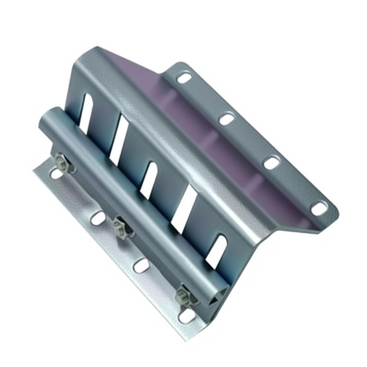
A roller does not operate in isolation. Hinges, tracks, brackets, and load-bearing components collectively shape the door’s mechanical behavior. When these parts are designed to complement roller performance, friction decreases across the entire system. High-quality hinges prevent lateral torque, tracks minimize vibration, and brackets support stable door articulation. Together, they allow rollers to function at optimal performance levels.
Inconsistent or low-quality support components can produce misalignment, which forces rollers to compensate by absorbing load they weren’t designed for. This increases rolling resistance, heightens operator exertion, and amplifies heat buildup during long work periods. For example, misaligned upper brackets can tilt the roller’s movement axis, forcing the user to add extra force to “break past” track resistance. Even slight deviations can increase the physical workload significantly over a long shift.
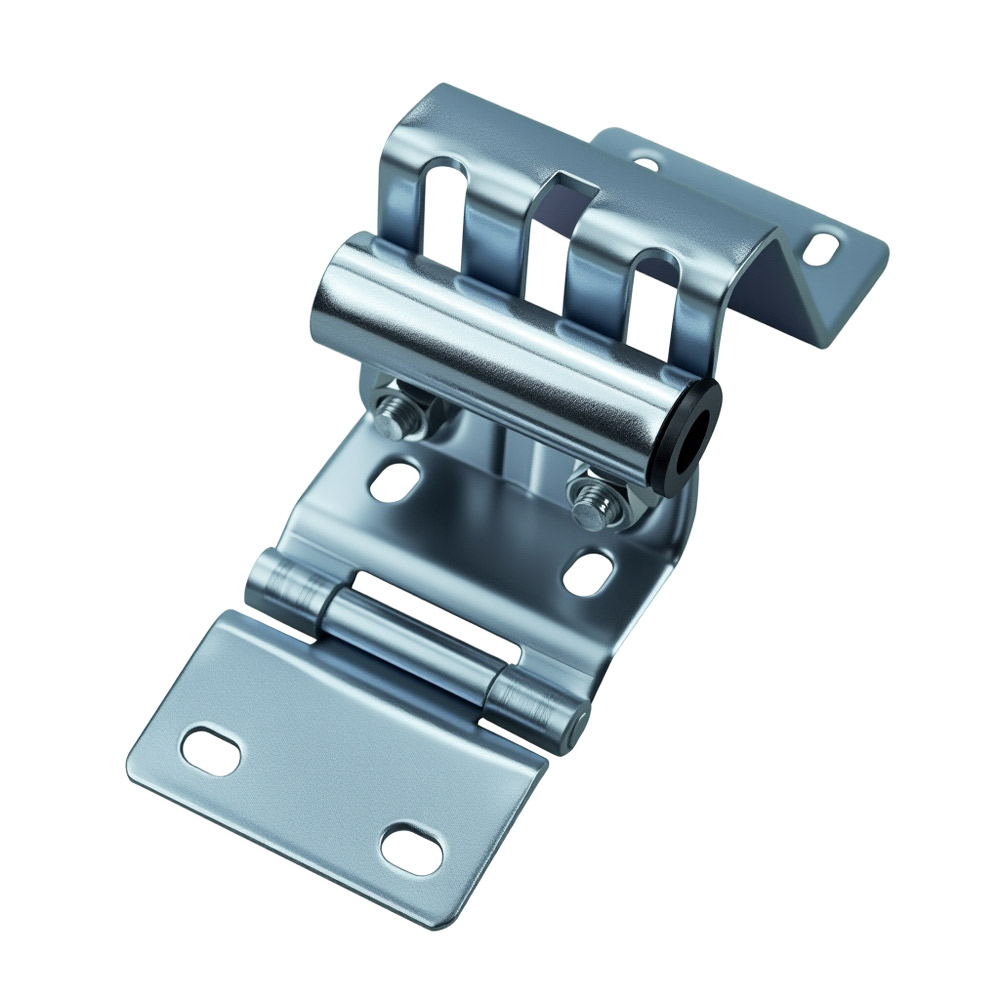
When hinges and rollers are engineered in tandem—as in many high-quality garage door systems—door movement becomes consistent across varying temperature conditions. This consistency is critical in preventing the sudden spikes in effort that contribute to heat-related exhaustion.
4. Real-World Scenarios: How Rollers Reduce Heat Stress in Workplaces
4.1 Automotive Repair Workshops
Auto repair facilities are notorious for elevated temperatures, especially in summer when heat from engines, machinery, and outdoor climate accumulate. Technicians frequently open and close heavy sectional doors to move vehicles in and out. If rollers are worn or outdated, each lift requires significantly more force—accelerating fatigue and increasing the risk of overheating. By installing modern garage door rollers, workshops ensure smoother handling and lower physical strain on employees working near heat sources.
4.2 Warehouses and Logistics Centers
Warehouse shift workers may open doors dozens of times per hour. Heat generated from repetitive exertion adds up quickly, particularly in facilities with limited airflow or large storage volumes. High-performance rollers maintain easy operation even after thousands of cycles, helping reduce thermal strain on workers and contributing to safer long-term ergonomics.
4.3 Residential Technicians and Field Installers
Not all high-temperature environments are indoors. Technicians installing or repairing doors outdoors may be exposed to high sun intensity, radiant heat, and prolonged physical activity. Labor efficiency becomes critical. Lightweight rollers decrease lifting effort and allow technicians to perform installations more safely and consistently without overheating.
5. Maintenance and Lubrication: Keeping Rollers Cool and Efficient
Even the best rollers require appropriate maintenance to preserve friction-reducing performance. Dust accumulation, track corrosion, and dried lubrication all worsen friction and increase operational resistance. In high-temperature environments, lubrication can evaporate faster, making regular inspection essential.
A well-maintained roller system:
- Reduces operator force requirements
- Slows heat accumulation in the human body during repetitive operations
- Prevents sudden mechanical resistance spikes that cause overexertion
- Maintains door stability regardless of thermal expansion
Facilities that implement scheduled maintenance cycles consistently report fewer worker fatigue incidents and longer hardware lifespan. The principle is simple: smooth motion requires less energy. Less energy generates less internal heat. And less internal heat reduces fatigue risk.
6. Extending the Benefit: How System-Level Improvements Multiply Heat-Fatigue Reduction
When evaluating how garage door rollers reduce fatigue, it helps to consider the entire system. Small friction reductions across hinges, shafts, springs, and brackets combine to form a major improvement in operator comfort. For example:
- Smoother rollers reduce track wear—leading to smoother future operation.
- Balanced springs reduce peak force requirements during lifting.
- High-quality hinges reduce lateral drag and vibration.
- Clean brackets maintain proper alignment and prevent binding.
Together, these upgrades eliminate the irregular force spikes that often cause rapid heat buildup in operators. When motion is predictable and smooth, workers exert only the energy necessary—no more, no less—and avoid unnecessary thermal stress during hot working conditions.
7. Practical Recommendations for Facilities Seeking to Reduce Heat-Related Fatigue
For facility managers, safety officers, and operations directors seeking to build a more ergonomic and heat-resilient environment, the following steps are highly effective:
- Upgrade to low-friction nylon rollers with high-quality bearings. This is the single most impactful improvement for reducing operator energy expenditure.
- Ensure all tracks remain clean and free of burrs or corrosion. Irregularities drastically increase rolling resistance.
- Use hinges and brackets engineered for compatibility. Mismatched components create misalignment that leads to overexertion.
- Perform quarterly maintenance checks. Heat accelerates lubrication breakdown, making scheduled service critical.
- Monitor employee fatigue levels. Smoothly operating doors are an ergonomic asset that directly improves safety.
Implementing these practices helps companies create safer, cooler, and more efficient workplaces—reducing fatigue while increasing long-term productivity. Improved mechanical efficiency benefits not only the operator but the entire facility by minimizing downtime, repairs, and energy waste.
8. Conclusion: Why Garage Door Rollers Matter More Than You Think
Although garage door rollers may appear to be a small component within a larger system, their effect on operator comfort and heat-related fatigue is substantial. Every time a worker opens or closes a door, mechanical efficiency determines how much physical energy they must expend. Over a full workday—especially in high-temperature environments—this adds up quickly.
Modern roller designs, engineered with precision materials and optimized for low friction, dramatically cut the physical effort required for door operation. When combined with high-quality hinges, brackets, and regular maintenance, they provide a comprehensive solution that protects workers from overheating and reduces fatigue across entire shifts.
For businesses aiming to maintain safe, productive environments, upgrading garage door rollers is not simply a hardware enhancement—it is a meaningful investment in human well-being and operational reliability.
 English
  Русский
  日本語
日本語  한국어
한국어  Français
  Deutsch
  العربية
  Português
  Español