
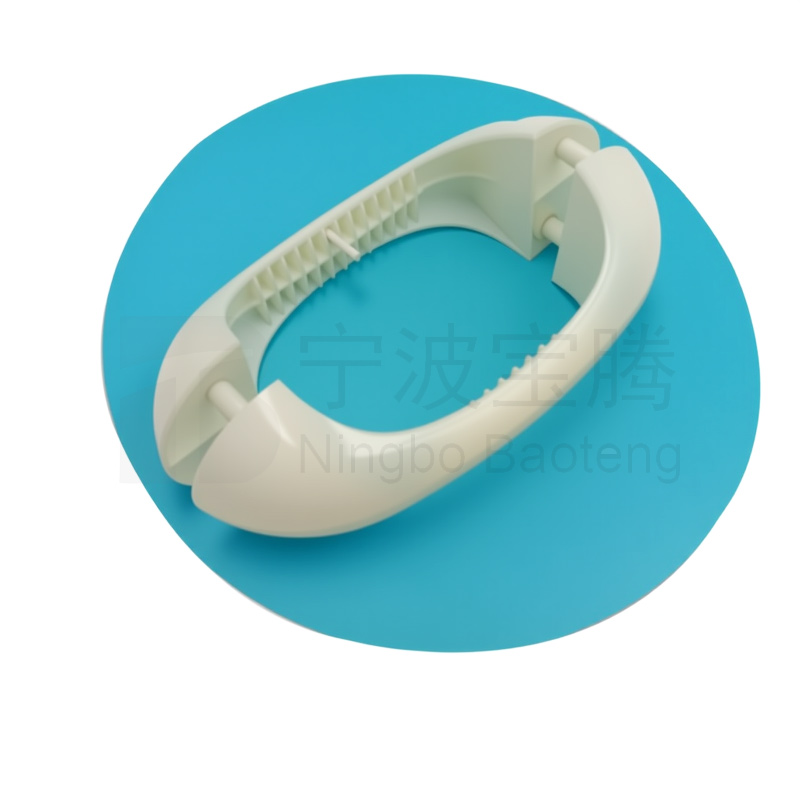
Structural reliability of the top bracket for garage door in demanding load-bearing scenarios
In modern garage door assemblies, the top bracket for garage door is pivotal for maintaining structural load distribution and ensuring operational safety. Its engineering directly affects load-bearing support, helping to prevent premature wear and mechanical stress in both residential and commercial settings.
A robust top bracket for garage door not only anchors the upper section but also manages the transfer of forces to supporting hardware, making it a key factor in the system’s overall reliability and long-term performance.
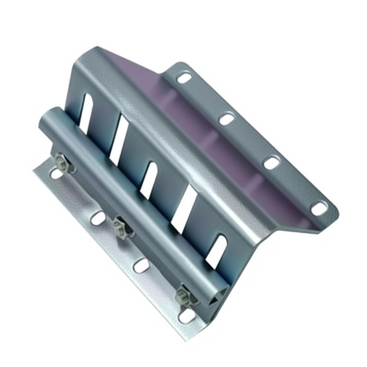
The top bracket for a garage door serves as a critical interface between the door’s upper section and the supporting hardware, directly influencing the structural load path and the overall reliability of the door system. In operational scenarios, especially where sectional doors are subjected to frequent cycling or variable loads, the integrity of the top bracket becomes central to maintaining consistent load-bearing support. For maintenance engineers and garage door technicians, understanding the distribution of mechanical stresses through this component is essential to prevent localized failures and to mitigate the core pain point of load imbalance, which is a primary cause of premature wear across the door assembly. This analysis systematically examines the structural behavior, reliability considerations, and evaluation protocols for the top bracket, with a focus on objective, engineering-based assessment.
The top bracket’s geometry and material selection are fundamental to its function. Typically fabricated from galvanized steel or, in some cases, high-strength aluminum alloys, the bracket is designed to withstand axial and shear forces transmitted from the door’s top section to the vertical track and, by extension, the supporting wall structure. The bracket’s mounting flange, fastener pattern, and reinforcement features (such as gussets or formed ribs) are engineered to optimize the distribution of both static and dynamic loads. The interface between the bracket and the door panel must be rigid enough to prevent deformation under load, while also accommodating minor misalignments that can occur during installation or as a result of thermal expansion and contraction.
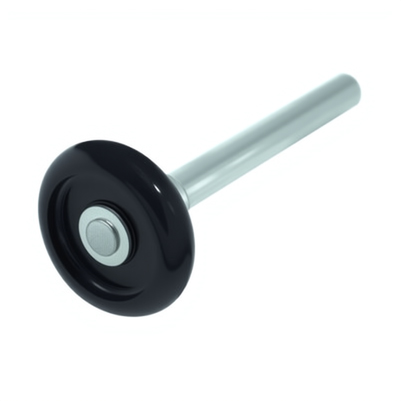
A key aspect of the top bracket’s role in load-bearing support is its function as an anchor point for the top roller. During door operation, particularly in upward movement, the top roller exerts a combination of vertical and horizontal forces on the bracket. These forces are not uniformly distributed; rather, they vary depending on door weight, spring tension, and the presence of any misalignment in the track system. If the bracket is inadequately specified or installed, the resulting load imbalance can manifest as localized stress concentrations, leading to fatigue cracks, elongation of mounting holes, or even catastrophic bracket failure.
From a structural stress evaluation perspective, the load path through the top bracket must be analyzed in both the open and closed positions of the door. When the door is closed, the bracket primarily resists the static load of the door’s upper section and the compressive force from the weather seal. In the open position, dynamic loads become more significant, especially as the door transitions through the curved section of the track. Here, the bracket must accommodate both the weight of the door segment and the inertial forces generated during movement. The bracket’s ability to distribute these loads evenly across its mounting points is crucial to minimizing the risk of premature wear, which is the core pain point for maintenance personnel.
Reliability of the top bracket is directly tied to its capacity to manage these complex load scenarios without yielding or experiencing permanent deformation. Material fatigue is a primary concern, especially in high-cycle environments where the door is operated multiple times per day. The bracket’s design must therefore account for both the ultimate strength of the material and its fatigue limit. Galvanized steel brackets, for instance, offer superior resistance to both corrosion and cyclic loading, but the quality of the galvanization process and the thickness of the base material are critical parameters that must be verified against engineering standards.
Fastener selection and installation torque are additional variables influencing bracket reliability. Undersized or improperly torqued fasteners can lead to micro-movements at the bracket interface, which, over time, will exacerbate the load imbalance and contribute to wear in both the bracket and the door panel. For technicians, routine inspection protocols should include verification of fastener integrity, assessment of bracket alignment, and close examination for any signs of metal fatigue or deformation.
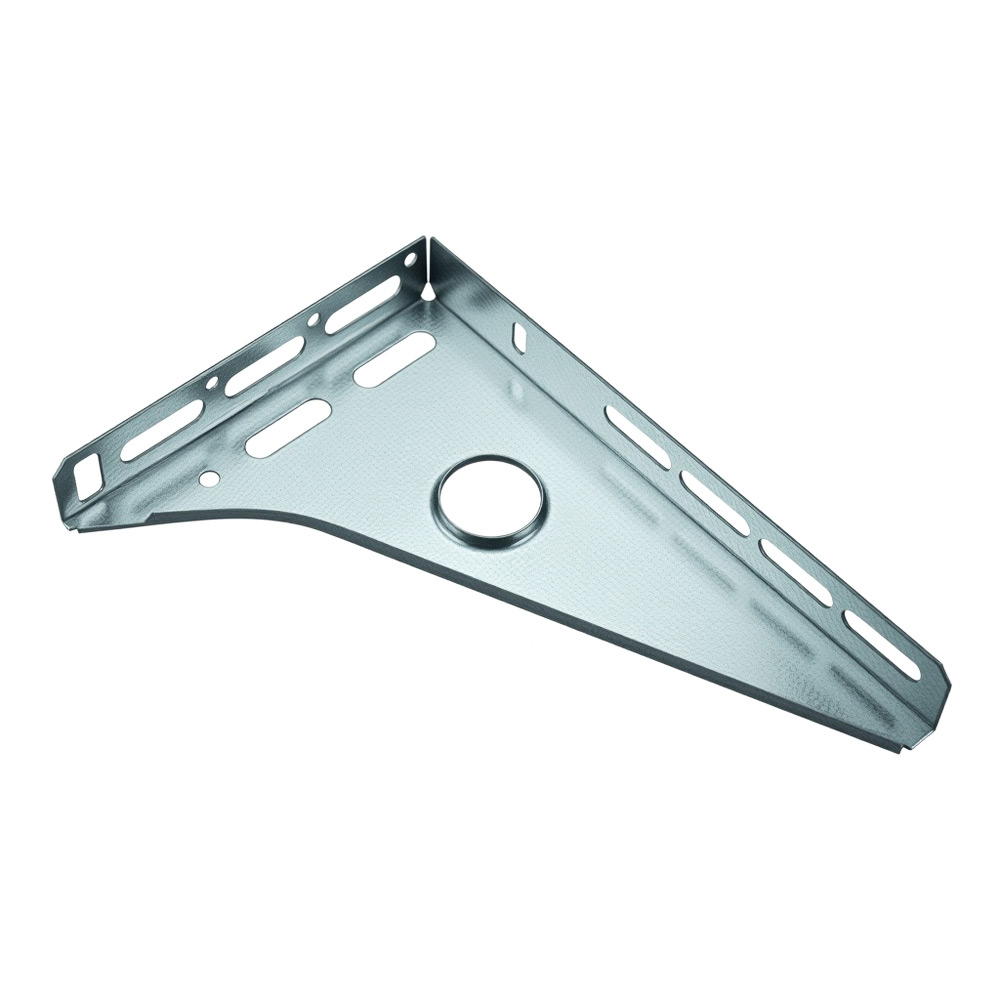
Evaluation of the top bracket’s performance requires a multi-faceted approach, combining visual inspection, mechanical testing, and, where applicable, finite element analysis (FEA) to predict stress distribution under various load conditions. Visual inspection should focus on identifying early indicators of load imbalance, such as asymmetric wear marks, elongation of mounting holes, or the presence of fine cracks near high-stress regions. Mechanical testing, such as pull-out strength assessments or cyclic loading tests, can provide quantitative data on the bracket’s load-bearing capacity and fatigue resistance.
In practice, technicians should employ a structured checklist during routine maintenance, including:
- Verification of bracket alignment relative to the vertical track and door panel
- Measurement of fastener torque and inspection for any signs of loosening
- Assessment of bracket material condition, particularly at high-stress points
- Documentation of any deformation or wear patterns that may indicate underlying load imbalance
For doors operating in environments with high humidity or corrosive agents, additional protective measures such as periodic lubrication or the use of stainless steel brackets may be warranted. However, these modifications must be evaluated for compatibility with the existing door system and should not introduce new points of stress concentration.

Engineering evaluation of load distribution through the top bracket also benefits from the use of FEA models, which can simulate the effects of various loading scenarios and identify regions where stress exceeds material limits. Such analysis is particularly valuable during the specification phase for new installations or when retrofitting older doors with upgraded hardware. The results of these simulations should inform both bracket selection and installation procedures, ensuring that the component’s load-bearing capacity is not compromised by unforeseen operational conditions.
When interpreting the results of structural stress evaluations, it is important to consider the interaction between the top bracket and adjacent components, such as the roller assembly, track supports, and the upper door panel. Any misalignment or excessive play in these interfaces can shift the load path and concentrate forces on the bracket, accelerating wear and increasing the likelihood of failure. For this reason, a holistic approach to maintenance and reliability assessment is recommended, encompassing the entire upper section of the door assembly.
Ensuring long-term performance of the top bracket for garage door
In summary, the top bracket for a garage door is a deceptively simple component whose structural performance is essential to the longevity and safe operation of the entire door system. Addressing the core pain point of load imbalance requires a combination of robust bracket design, precise installation, and diligent maintenance practices. By systematically evaluating the bracket’s material properties, fastener configuration, and load distribution characteristics, technicians can identify potential failure modes before they manifest as operational problems.
Technicians and maintenance engineers are advised to verify all bracket parameters against relevant engineering standards, including material grade, thickness, fastener specification, and installation torque values. Any deviation from specified parameters should be addressed immediately to prevent the escalation of load imbalance and the resultant premature wear. Periodic review of maintenance records and failure reports can provide valuable feedback for refining inspection protocols and informing future bracket selection and installation strategies.
Ultimately, the reliability of the top bracket for a garage door is a function of its ability to distribute structural loads efficiently and to resist the cumulative effects of operational stresses. Through rigorous engineering assessment and adherence to best practices in installation and maintenance, the risk of premature wear due to load imbalance can be minimized, ensuring sustained performance and structural integrity of the door system.
For further technical details and engineering documentation on garage door hardware, refer to the технические условия or explore bracket product categories for compatible solutions.
 English
  Русский
  日本語
日本語  한국어
한국어  Français
  Deutsch
  العربية
  Português
  Español