
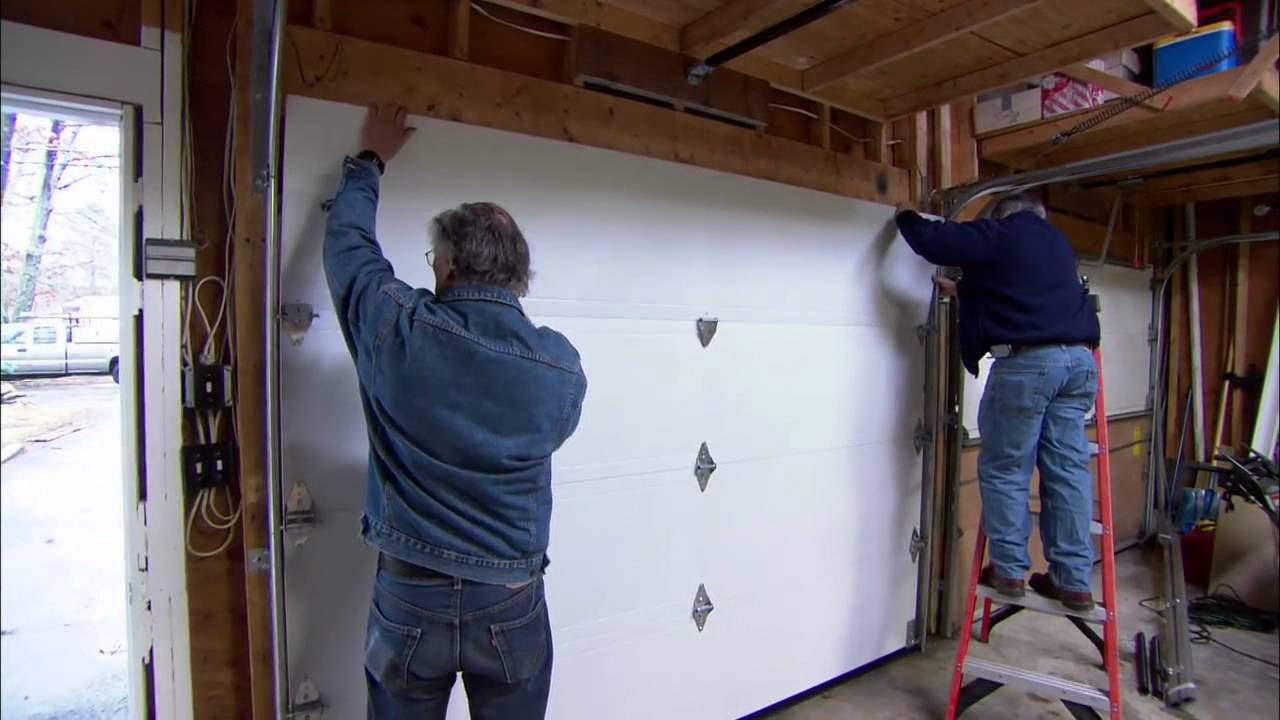
Why installation details shorten the service life of garage door rollers in real garages
In dusty residential garages with frequent temperature swings and occasional moisture, many buyers notice that garage door rollers begin to make noise, bind, or wear out far earlier than expected. The underlying reason is rarely the roller material alone; it is usually a set of installation factors that quietly introduce side-load, contamination, and uneven bearing stress long before visible damage appears.
What failure symptoms usually trigger this question?
The most common complaints reported by distributors and installers are squeaking during travel, uneven rolling, sudden resistance at certain door positions, and visible flat spots or cracking on the roller wheel. These symptoms align closely with the documented failure mode of sustained side-load caused by misalignment, combined with dust ingress and insufficient lubrication. For buyers responsible for warranty risk, these early signals matter because they often precede complete bearing seizure or stem deformation.
How installation geometry changes load paths inside a roller
A garage door roller is designed to convert sliding motion into rolling motion through a small bearing assembly. That advantage only holds when the roller stem, track, and hinge geometry keep the load largely radial. When track spacing drifts, hinges are over-tightened, or door panels are not square, axial and lateral forces increase. The bearing then operates outside its intended load path, accelerating raceway wear and breaking down seals that are meant to keep dust out.
This is why installation tolerance stack-up matters more than any single component dimension. Even a well-made nylon or steel roller can lose most of its cycle life if it is forced to carry continuous side-load that the design never anticipated.
Which installation factors most often shorten roller life?
Track misalignment is the dominant factor. When vertical tracks are not parallel or horizontal tracks are pitched unevenly, rollers are pushed sideways on every cycle. Hinge spacing errors compound this by shifting load away from the center of the wheel. Over-tightening fasteners can also preload the stem, while under-tightening allows micro-movement that wears mounting holes and increases vibration.
Lubrication practices are another frequent contributor. Applying heavy grease that attracts dust can be just as harmful as running dry. In garage environments where sand and debris are carried in from driveways, contaminated lubricant becomes an abrasive paste that accelerates bearing wear rather than preventing it.
Why does the garage environment amplify small installation errors?
Garages combine several stressors that rarely exist alone. Fine dust enters tracks during daily use, temperature swings cause metal tracks to expand and contract, and intermittent moisture introduces corrosion risk at bearing seals. When installation leaves little margin for movement or contamination, these environmental factors quickly expose weaknesses.
This interaction explains why rollers that seem acceptable during installation can fail prematurely within months. The environment does not cause failure by itself; it magnifies installation-induced stress until the bearing and wheel surface can no longer cope.
How buyers can translate these risks into installer warnings
For B2B buyers and brand owners, the practical response is not to demand “better rollers” in isolation, but to define clear installation boundaries. Installation guides should specify allowable track parallelism, hinge spacing checks, and acceptable fastener torque ranges. Requiring documentation of alignment checks at handover creates a shared understanding of responsibility and reduces later disputes.
Many buyers embed these requirements directly into their installation acceptance criteria. This approach aligns with the broader selection logic outlined in the complete buyer guide for garage door roller selection and failure risks, where installation conditions are treated as part of the product system rather than an afterthought.
What can installers and service teams check on site?
Without specialized tools, installers can still detect early risk. Rollers that do not spin freely when unloaded, visible rub marks on track edges, or inconsistent door resistance across its travel all suggest misalignment. During service visits, uneven wheel wear or fine metallic dust near bearings indicates side-load and contamination acting together.
Addressing these findings early often restores acceptable performance without replacing all rollers. Realignment, cleaning, and switching to a lighter, cleaner lubricant are usually more effective than simply installing new parts into the same flawed geometry.
How engineering tests relate to installation-driven failures
Industry rolling fatigue and cycle life tests evaluate how rollers perform under controlled radial loads over defined cycle counts. When side-load conditions are added to these tests, service life drops sharply, mirroring what happens in poorly aligned installations. Although standards do not always prescribe a single numeric limit, the testing logic clearly shows why maintaining intended load paths is essential.
These test methods provide buyers with a verification framework. By selecting rollers that demonstrate stable performance in rolling fatigue and cycle life testing, and by ensuring installation respects those test assumptions, the risk of premature wear becomes measurable and controllable.
Common questions buyers ask before updating installation guidance
One frequent question is whether heavier-duty rollers automatically solve misalignment issues. In practice, higher load ratings only delay failure if side-load persists. Another question concerns lubrication intervals; while periodic lubrication helps, it cannot compensate for persistent geometry errors that keep forcing bearings to operate off-axis.
These answers reinforce the idea that installation quality and product selection must be addressed together, not sequentially.
A decision-focused reminder for procurement teams
When garage door rollers are specified with clear installation tolerances, validated through rolling fatigue and cycle life testing, and matched to dusty, temperature-variable garage environments, their rolling advantage remains intact over the intended service life. Treating misalignment and contamination as controllable parameters rather than random failures allows buyers to turn warranty risk into a defined engineering boundary.
If you are reviewing installation guidelines or updating supplier requirements, a low-risk next step is to request detailed tolerance recommendations and test references from your roller supplier. That information makes it far easier to compare options objectively and align installer practices with long-term reliability expectations.
Standards, methods, and sources behind this analysis
This content is developed based on material performance analysis, rolling fatigue and cycle life testing practices, and real-world garage application conditions involving dust, moisture, and temperature variation. Testing concepts referenced here align with publicly available industry methods published by organizations such as ISO, combined with internal product documentation and field feedback from installation and service teams.
 English
  Русский
  日本語
日本語  한국어
한국어  Français
  Deutsch
  العربية
  Português
  Español