
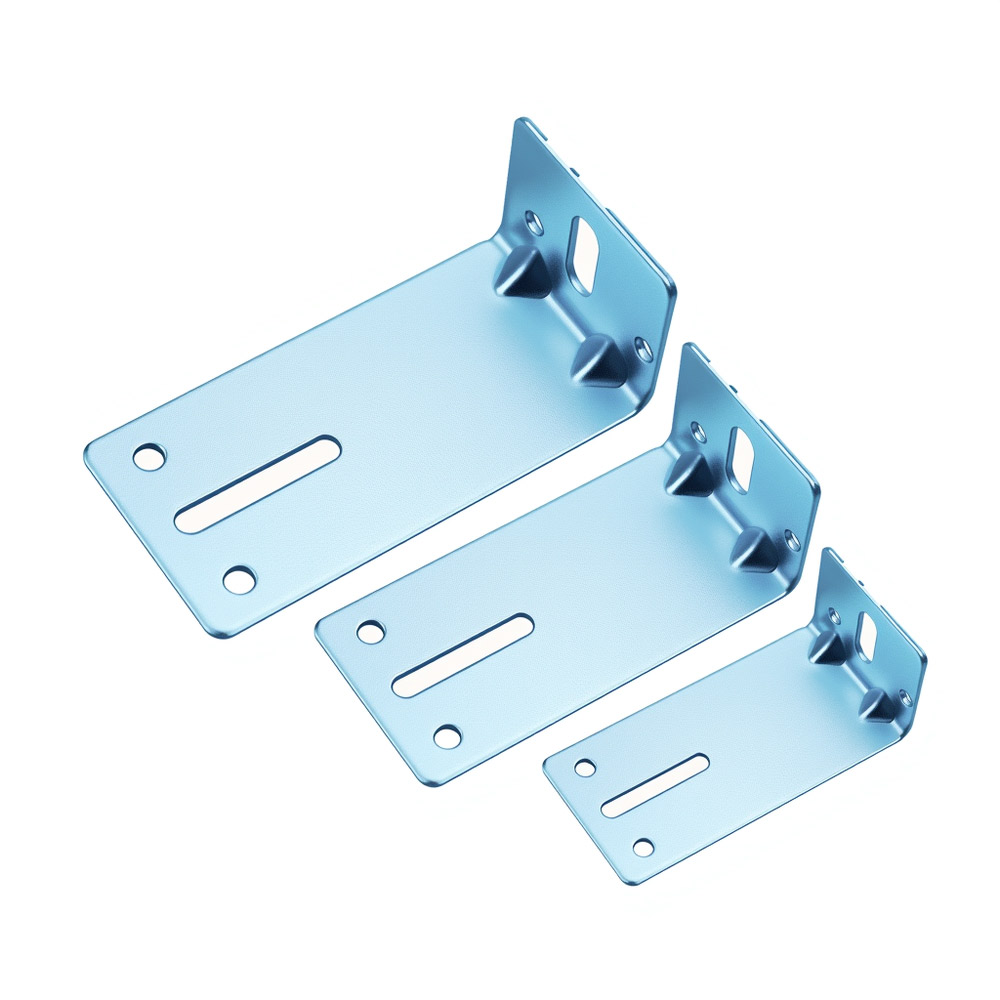
Evaluating Steel Beam Brackets for steel beam brackets,triangular support bracket
Steel beam brackets, particularly triangular support brackets, play a critical role in modern garage door hardware engineering, structural reliability, and long-term performance under load.
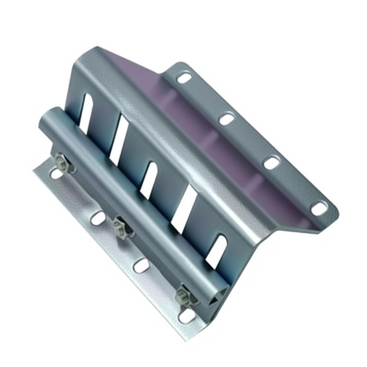
Failure Modes of Steel Beam Brackets
Understanding the potential failure modes associated with steel beam brackets is essential for ensuring their reliability and safety. One of the primary failure modes affecting steel beam brackets is fatigue cracking. This phenomenon occurs when the brackets are subjected to cyclic loading, leading to the gradual accumulation of damage over time.
The repeated application of loads can induce stress concentrations at critical points, particularly around welds and bolt holes, where the material is more susceptible to cracking. In addition to fatigue cracking, deformation can also occur due to excessive loads or improper installation.
Detection of Failure Modes
Detection of potential failure modes in steel beam brackets is vital for maintaining structural integrity. Regular inspections should focus on identifying signs of fatigue cracking, deformation, and corrosion. Non-destructive testing methods, such as ultrasonic testing and magnetic particle inspection, can be employed to detect internal and surface flaws without compromising the bracket’s integrity.
Implementing a robust inspection regime can help identify issues before they escalate into critical failures. For detailed inspection methods, refer to our технические условия.
Environmental Factors Impacting Performance
The performance of steel beam brackets is significantly influenced by environmental factors. For instance, temperature fluctuations can affect the material properties of the steel, leading to changes in strength and ductility. Humidity and exposure to corrosive elements can exacerbate issues, accelerating the onset of corrosion and fatigue cracking.
Understanding the specific environmental conditions in which steel beam brackets operate is essential for predicting their performance and longevity.
Compliance with Industry Standards
Compliance with industry standards is crucial for ensuring the safety and reliability of steel beam brackets. Standards such as the American Institute of Steel Construction (AISC) guidelines provide essential criteria for the design, fabrication, and installation of these components.
Regular testing and verification against these standards can also help identify potential weaknesses in the design or installation process, allowing for timely corrective actions.
Installation Practices for Optimal Performance
Installation practices play a critical role in the performance of steel beam brackets. Proper alignment and secure fastening are essential to ensure that the brackets can effectively transfer loads without experiencing undue stress or deformation.
Engineers must ensure that installation procedures are followed meticulously, and that all components are compatible and properly secured.
Applications of Steel Beam Brackets
Applications of steel beam brackets extend across various sectors, including commercial, industrial, and residential construction. In each of these contexts, the load-bearing capabilities of triangular support brackets are leveraged to provide stability and support for structures ranging from warehouses to residential garages.
 English
  Русский
  日本語
日本語  한국어
한국어  Français
  Deutsch
  العربية
  Português
  Español