
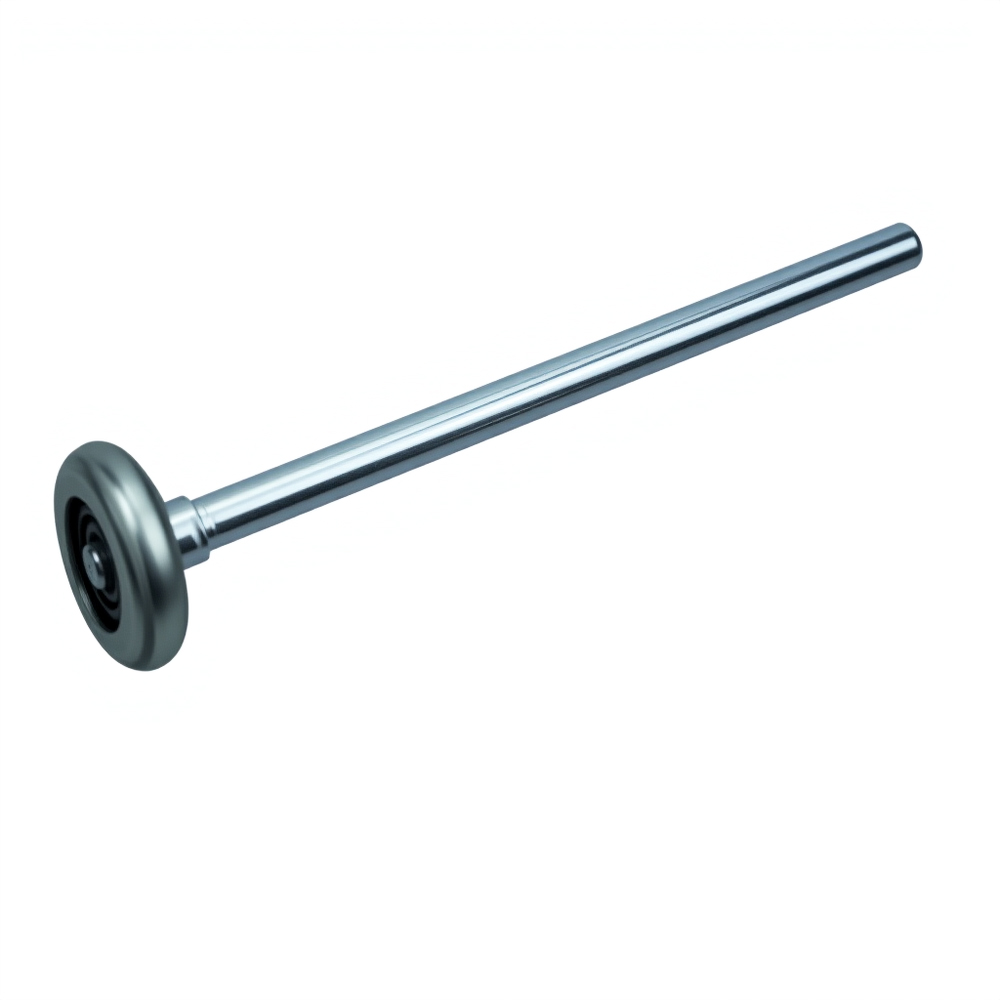
Rolling-friction dynamics in Nylon Wheels Garage Doors Roller for sliding system performance
In modern garage door engineering, Nylon Wheels Garage Doors Roller play a pivotal role in minimizing operational noise and maintaining precise door alignment. By focusing on rolling-friction dynamics, these components ensure that sliding systems operate smoothly and with reduced deviation, supporting long-term reliability and user comfort.
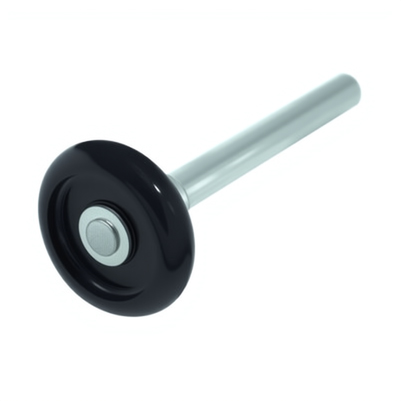
In the context of sectional garage doors, the use of nylon wheels as rollers is a critical factor influencing both operational noise and the precision of door alignment. For door alignment engineers, understanding the rolling-friction dynamics of these components is essential for ensuring that sliding systems function with minimal deviation and optimal smoothness. This article provides a detailed technical evaluation of nylon wheels used in garage door roller mechanisms, with a focus on the interplay between friction control and the mechanical behavior that governs noise generation and alignment stability. The following analysis addresses the structural characteristics of nylon wheels, their reliability under operational loads, the evaluation of their rolling-friction properties, and concludes with actionable steps for alignment verification.
Nylon wheels serve as the principal interface between the garage door panel and the track system, directly impacting the door’s ability to slide smoothly and maintain its intended position throughout repeated cycles. The composition and geometry of these wheels are engineered to reduce rolling resistance while maintaining sufficient structural integrity to handle the imposed loads. The wheel profile, typically rounded or slightly crowned, is designed to minimize point contact stress and distribute loads evenly across the track surface. The nylon material selection is driven by its low coefficient of friction, inherent self-lubricating properties, and resistance to deformation under compressive stress.
The reliability of nylon wheels in garage door applications is fundamentally linked to their ability to maintain consistent rolling behavior under varying environmental and load conditions. Unlike steel wheels, nylon variants exhibit reduced susceptibility to corrosion, which is particularly advantageous in humid or corrosive environments. However, their long-term reliability is contingent upon several factors: material wear resistance, fatigue strength, and dimensional stability. The interaction between the wheel surface and the steel track must be carefully managed to prevent the onset of flat spots or excessive wear, both of which can introduce micro-vibrations and alignment deviations over time.
From a friction control perspective, the rolling mechanism of nylon wheels is characterized by a low rolling resistance, which is a function of both the wheel material and the quality of the bearing assembly. Ball-bearing equipped nylon rollers further reduce frictional losses, supporting smoother operation and minimizing the transmission of vibrational energy that contributes to audible noise. The reduction in noise is not solely a function of material softness but is also influenced by the precision of wheel concentricity and the uniformity of the rolling surface. Any deviation in these parameters can amplify oscillatory motion, leading to increased noise and potential misalignment.
Reliability assessments for nylon wheels in garage door systems often involve accelerated life testing, where repeated cycles are used to simulate long-term usage. Key performance indicators include the retention of roundness, the absence of surface pitting or cracking, and the maintenance of low rolling resistance values. Engineers must also account for the influence of temperature fluctuations, as nylon exhibits a degree of thermal expansion that can affect wheel-track clearance and, consequently, the alignment of the door. Proper wheel sizing and installation tolerances are therefore critical to ensuring that the system remains within acceptable alignment parameters throughout its service life.
Noise generation in garage door systems is a primary concern for both end-users and alignment engineers. The substitution of nylon wheels for traditional metal rollers has been shown to significantly attenuate noise levels due to the damping characteristics of the polymer. However, this benefit can be compromised if the wheels are not properly aligned within the track or if the bearing assembly develops excessive play. Misalignment increases the lateral forces acting on the wheel, which exacerbates rolling friction and can introduce stick-slip phenomena—manifesting as intermittent noise and erratic door movement.
Evaluating the rolling-friction behavior of nylon wheels requires a systematic approach, beginning with the measurement of static and dynamic friction coefficients under representative loading conditions. Laboratory tests typically involve mounting the wheel assembly on a test rig, applying controlled loads, and recording the force required to initiate and sustain rolling motion. Data from these tests are used to calculate the rolling resistance, which directly correlates with the energy required to move the door along its track. Lower rolling resistance values are indicative of efficient friction control, directly contributing to reduced noise and improved alignment stability.
In addition to laboratory testing, field evaluations are necessary to capture the effects of real-world variables such as dirt ingress, lubricant degradation, and track surface irregularities. Engineers must periodically inspect the wheels for signs of uneven wear, material deformation, or bearing failure. Any observed increase in rolling resistance or noise generation should prompt a detailed alignment check, as these symptoms are often precursors to more significant alignment deviations. The use of dial indicators or laser alignment tools can aid in quantifying the degree of deviation and identifying the root cause—whether it be wheel eccentricity, track deformation, or improper installation.
Alignment verification is a critical maintenance activity for ensuring the continued performance of nylon wheels in garage door systems. Engineers should establish a routine inspection protocol that includes the measurement of wheel-to-track clearance, assessment of wheel roundness, and evaluation of bearing play. Any deviations from specified tolerances should be addressed immediately, as even minor misalignments can accelerate wear and increase noise output. The installation process itself must be executed with precision, ensuring that the wheel axles are perpendicular to the track and that the mounting hardware is torqued to the manufacturer’s specifications.
Another important consideration is the interaction between the nylon wheel and the track surface finish. Tracks with rough or damaged surfaces can increase rolling friction and induce localized wear on the wheel, undermining the benefits of the low-friction nylon material. Engineers may specify track surface treatments or periodic cleaning regimens to maintain optimal rolling conditions. In some cases, the application of compatible lubricants can further reduce friction, though care must be taken to select products that do not degrade the nylon material or attract abrasive contaminants.
The evaluation of rolling-friction behavior in nylon wheels also extends to the assessment of environmental durability. Exposure to ultraviolet light, chemical agents, or extreme temperatures can alter the physical properties of nylon, potentially increasing brittleness or reducing load-bearing capacity. Engineers should consider the specific environmental conditions of the installation site when selecting wheel materials and may opt for UV-stabilized or chemically resistant nylon grades where necessary.
To ensure optimal performance and longevity of nylon wheels in garage door roller systems, engineers must adopt a holistic approach that encompasses material selection, precision installation, routine maintenance, and ongoing alignment verification. The core pain point of noise and alignment deviation is best addressed through rigorous friction control practices and the use of high-quality components engineered for the demands of sliding and rolling applications. By systematically monitoring rolling resistance, wheel wear, and alignment parameters, engineers can maintain the desired operational characteristics and prevent premature system failures.
In summary, the technical evaluation of nylon wheels as garage door rollers reveals that their rolling-friction behavior is central to achieving low-noise, stable, and precisely aligned sliding systems. The interplay between material properties, bearing design, installation accuracy, and ongoing maintenance determines the extent to which these components can mitigate noise and prevent alignment deviation. For door alignment engineers, the verification of alignment parameters and frictional performance is not only a matter of routine maintenance but a critical engineering responsibility that directly influences the reliability and service life of the entire door system. Verification of alignment parameters for optimal roller performance should be conducted at regular intervals, utilizing precise measurement tools and adhering to established engineering standards. This disciplined approach ensures that the benefits of nylon wheels—namely, reduced noise and enhanced alignment stability—are fully realized throughout the operational lifespan of the garage door system.
For further technical documentation and best practices on Nylon Wheels Garage Doors Roller installation and maintenance, refer to the Учебники по установке и Техническая документация provided by Baoteng.
 English
  Русский
  日本語
日本語  한국어
한국어  Français
  Deutsch
  العربية
  Português
  Español