
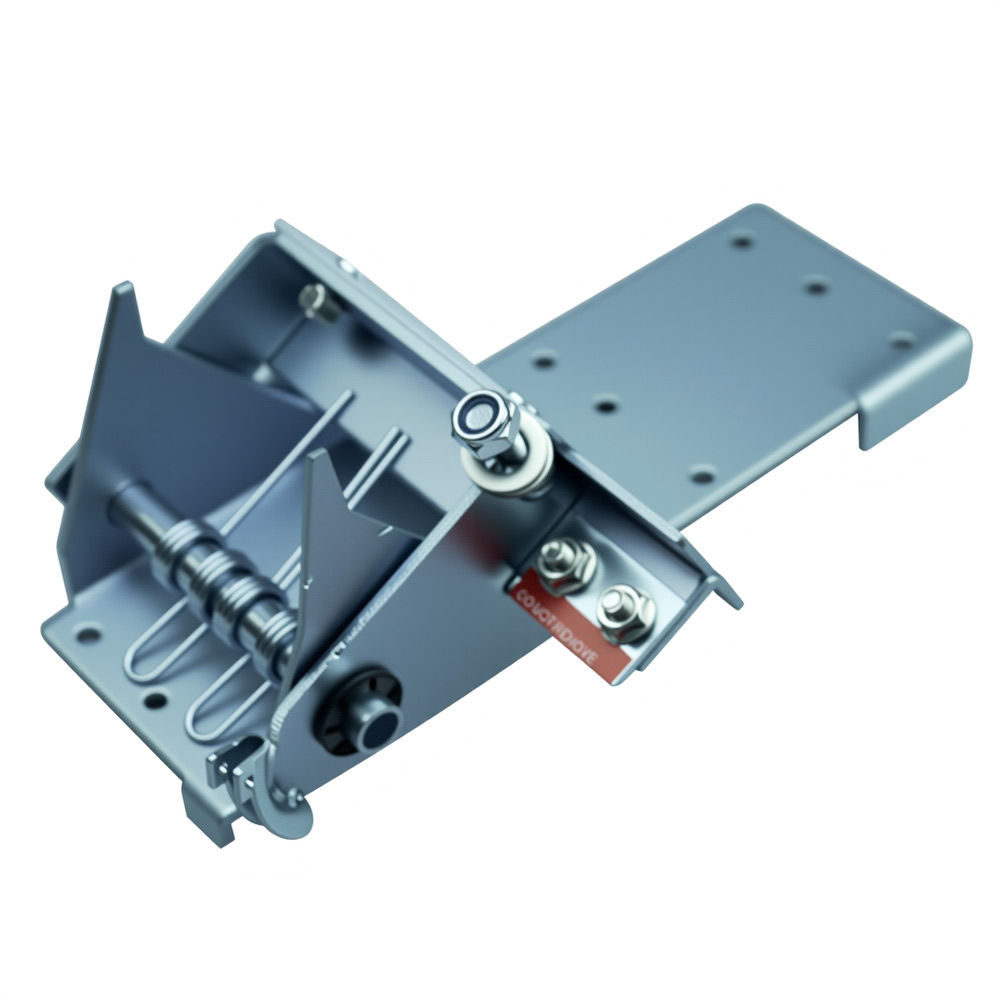
Structural integrity and safety assurance of safety bottom bracket garage door systems
Ensuring the reliability of a safety bottom bracket garage door is essential for maintaining safe operation and preventing unexpected failures. This technical overview explores the critical role of the Safe Bottom Bracket in supporting load-bearing requirements and mitigating risks in modern garage door assemblies.
Material selection and structural design of Safe Bottom Bracket
The safety bottom bracket, also known as the Safe Bottom Bracket, is a fundamental component in sectional garage door assemblies, serving as the primary interface between the door’s bottom section and the lifting cables. For garage door technicians and mechanical maintenance specialists, the structural safety of this bracket is paramount—not only does it support the vertical load of the door, but it also anchors the cable system that counterbalances torsion spring forces. This technical analysis addresses the structural integrity and load-bearing performance of safety bottom brackets within the context of safety support, focusing on risk mitigation and compliance with engineering standards. The evaluation proceeds through a detailed examination of bracket design, material selection, laboratory testing, and concludes with recommendations for field verification and audit.
The Safe Bottom Bracket’s role in safety support is uniquely critical: a failure can result in sudden cable release, uncontrolled door movement, and severe injury risk. Therefore, a structured evaluation of its mechanical properties, manufacturing quality, and in-service reliability is essential for technicians aiming to uphold best practices and minimize operational hazards.
The load-bearing function of the safety bottom bracket is defined by its ability to transfer door weight and dynamic forces to the lifting cables without deformation or fracture. The bracket must also withstand lateral and torsional loads imposed during operation, misalignment, or accidental impacts. These requirements drive the need for robust structural design and precise material engineering.
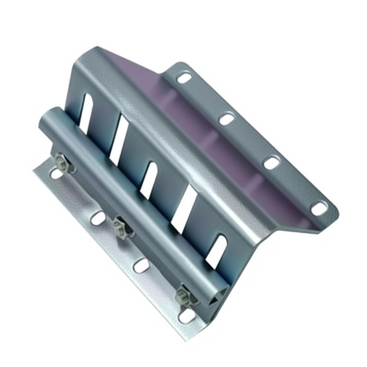
The geometry of a typical safety bottom bracket includes a mounting flange, cable attachment point, and reinforcement ribs. The mounting flange is fastened to the door’s bottom rail using through-bolts or lag screws, distributing the vertical load across the door’s width. The cable attachment point, often a steel clevis or eyelet, must be machined or stamped with tight tolerances to prevent stress concentrations that could initiate fatigue cracks. Reinforcement ribs or gussets are frequently incorporated to resist bending and shear forces, particularly in high-cycle commercial doors.
From a load-bearing structural integrity perspective, the bracket’s design is governed by several key parameters:
- Maximum static load: the total weight of the door section plus any additional forces from wind or manual operation.
- Dynamic impact load: transient forces generated during abrupt door stops or accidental impacts.
- Fatigue life: the number of operational cycles the bracket can withstand without crack initiation or propagation.
Finite element analysis (FEA) is commonly used during the design phase to simulate stress distribution under various loading scenarios. This allows engineers to optimize bracket geometry, minimize weight, and ensure that safety factors meet or exceed industry standards such as ANSI/DASMA 102 for garage door components.
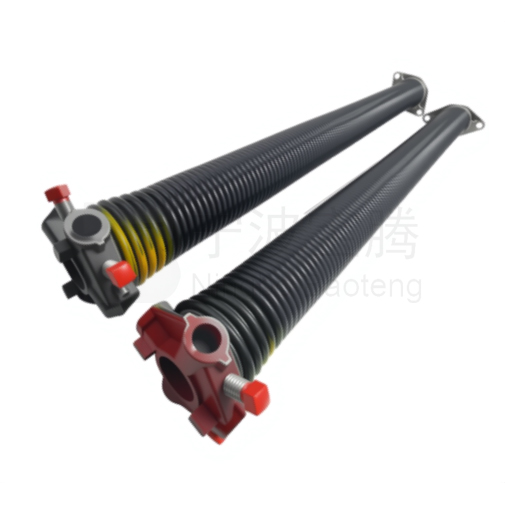
Material selection is a decisive factor in the safety bottom bracket’s ability to mitigate failure risks. The most common materials are cold-rolled steel, galvanized steel, and, in some high-performance applications, stainless steel. Each material presents distinct advantages and trade-offs in terms of strength, corrosion resistance, manufacturability, and cost.
Cold-rolled steel brackets offer high yield strength and are suitable for standard residential doors. However, they require protective coatings to prevent corrosion, especially in humid or coastal environments. Galvanized steel, with its zinc coating, provides enhanced corrosion resistance and is widely adopted for both residential and commercial installations. Stainless steel, while more expensive, delivers superior resistance to both corrosion and fatigue, making it ideal for industrial or high-cycle doors exposed to harsh conditions.
The thickness of the bracket material is typically specified between 2.5 mm and 4 mm, depending on door weight and operational demands. Thicker sections provide greater resistance to bending and shear but can introduce manufacturing challenges such as increased forming force and potential for cracking during stamping. The quality of the steel—measured by its yield strength, tensile strength, and elongation at break—directly impacts the bracket’s ability to absorb shock loads without permanent deformation.
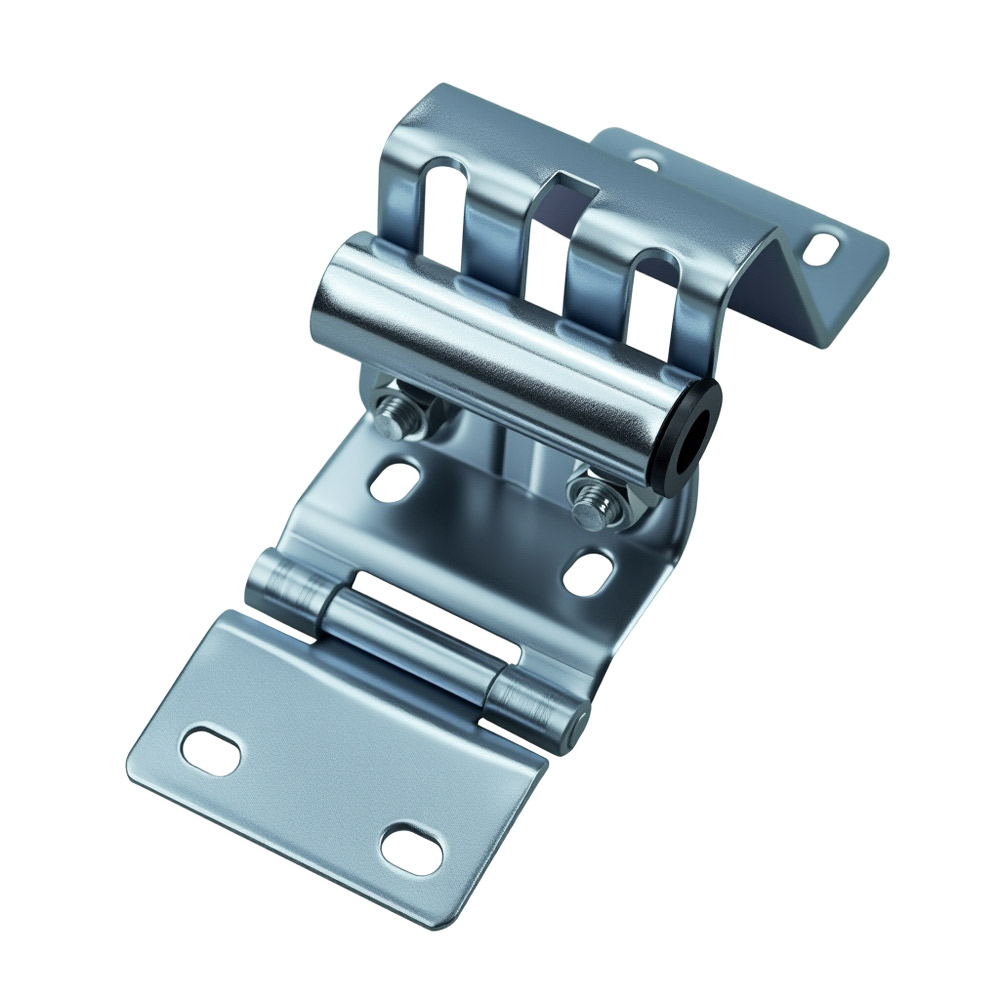
Surface treatments also play a critical role in extending the service life of safety bottom brackets. Common treatments include hot-dip galvanizing, electroplating, and powder coating. These processes form a barrier against moisture and chemical attack, reducing the risk of stress corrosion cracking—a known failure mode in garage door hardware subjected to cyclic loading and environmental exposure.
Testing and field verification of safety bottom bracket garage door
LABORATORY TEST SUMMARY: STATIC AND FATIGUE PERFORMANCE OF SAFE BOTTOM BRACKET (TEST #BT-2024-07)
- Static load test: No plastic deformation observed up to 2.5x rated door weight.
- Fatigue test: Withstood 30,000 cycles at 80% rated load without crack formation.
- Corrosion resistance: No significant mass loss or pitting after 500-hour salt spray (per ASTM B117).
These results confirm that, when manufactured to specification and installed correctly, the Safe Bottom Bracket provides a reliable load-bearing anchor for garage door lifting systems.
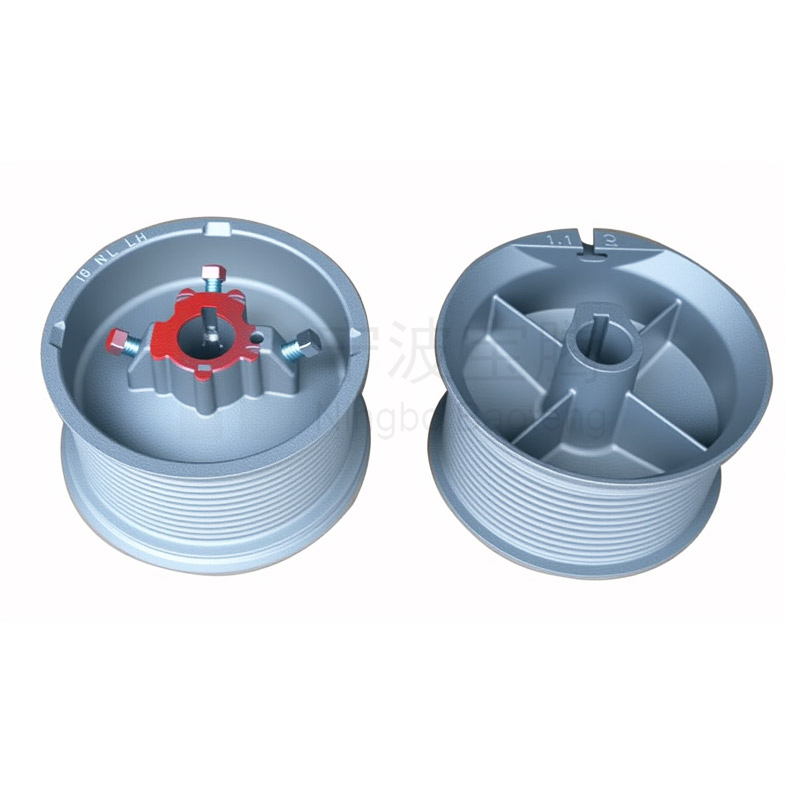
Installation quality is a critical variable in the bracket’s in-service safety performance. Improper mounting—such as under-torqued fasteners, misaligned flanges, or use of non-rated hardware—can compromise the bracket’s ability to bear load and resist dynamic forces. Field technicians must verify that all fasteners are tightened to manufacturer-specified torque values, and that the bracket seats flush against the door’s bottom rail.
Periodic inspection is essential for early detection of fatigue cracks, corrosion, or deformation. Maintenance specialists should look for signs such as:
- Elongation or ovalization of the cable attachment hole
- Visible cracks at reinforcement ribs or welds
- Flaking or blistering of protective coatings
- Loosened or missing fasteners
If any of these conditions are observed, the bracket must be replaced immediately to prevent catastrophic failure.
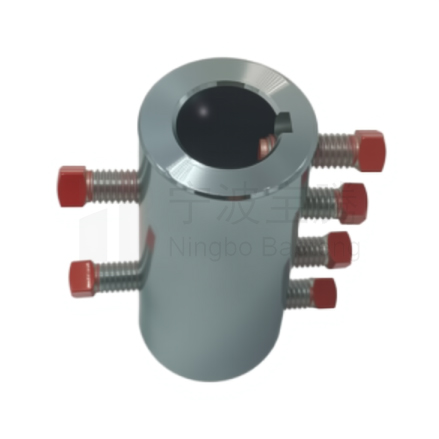
Compliance with recognized standards is a non-negotiable aspect of safety risk mitigation. Technicians should reference ANSI/DASMA 102 и EN 13241 for minimum mechanical properties, corrosion resistance, and dimensional tolerances. Only brackets with verifiable test data and traceable manufacturing records should be accepted for installation.
In addition to structural and material considerations, the Safe Bottom Bracket must be compatible with the specific garage door system in use. Variations in door thickness, bottom rail geometry, and cable diameter necessitate careful selection of bracket type and size. Using an incompatible bracket can introduce unintended stress concentrations and compromise the entire lifting mechanism.

ENGINEERING SAFETY AUDIT RECOMMENDATION
- Always verify bracket material grade and thickness against door weight and operational cycle requirements.
- Confirm that all brackets are stamped or labeled with batch numbers for traceability.
- Perform periodic torque checks on all mounting fasteners as part of preventive maintenance.
- Document all inspections and replacements in the maintenance log for future reference.
For garage door technicians, the ability to identify, evaluate, and address safety risks associated with the bottom bracket is a core competency. Structural integrity is not merely a function of initial design, but of ongoing verification, quality control, and adherence to engineering best practices.
In summary, the Safe Bottom Bracket’s load-bearing structural integrity is the linchpin of garage door safety support. Its design must account for static and dynamic loads, fatigue life, and environmental exposure. Material selection, manufacturing quality, and installation practices all contribute to the bracket’s performance and risk profile. Technicians and maintenance specialists should implement rigorous inspection, testing, and documentation protocols to ensure continued compliance with safety standards and to mitigate the risk of bracket failure.
ENGINEERING SAFETY AUDIT: FIELD VERIFICATION CHECKLIST
- Inspect bracket for deformation, cracks, and corrosion.
- Confirm fastener torque and bracket alignment.
- Verify compatibility with door system and cable assembly.
- Review manufacturer’s test data and certification.
By maintaining a disciplined approach to structural safety assurance, garage door professionals can uphold the highest standards of risk mitigation, ensuring that the Safe Bottom Bracket continues to provide reliable support throughout the service life of the door system.
Maintaining safety and reliability of Safe Bottom Bracket garage door systems
For ongoing safety and performance, technicians should regularly inspect, test, and document the condition of every safety bottom bracket garage door installation. Adhering to engineering best practices and referencing standards such as ANSI/DASMA 102 и EN 13241 ensures the Safe Bottom Bracket meets all load-bearing and safety requirements. For more technical documentation, visit the технические условия или процесс обеспечения качества resources from Baoteng.
Баотэн
Reviewed by Senior Garage Door Hardware Engineer
 English
  Русский
  日本語
日本語  한국어
한국어  Français
  Deutsch
  العربية
  Português
  Español