
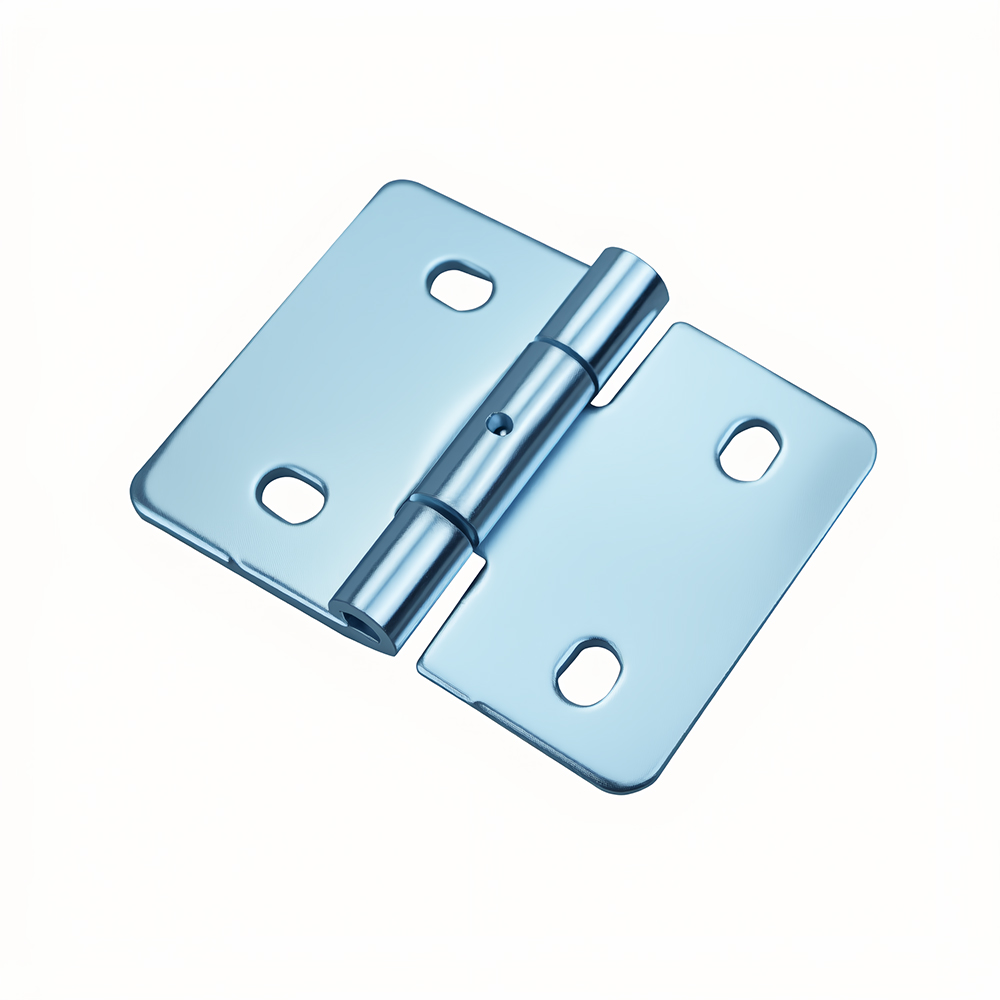
Heavy duty garage door hinges serve as the critical mechanical linkages that facilitate the articulation of sectional door panels in industrial environments. These hinges must reliably support substantial static and dynamic loads while accommodating frequent cycles of opening and closing, often numbering in the tens of thousands annually. The repetitive nature of these operations subjects hinge components to complex stress states, including bending, shear, and torsion, which can lead to fatigue damage over time. Understanding the mechanical behavior of these hinges under such demanding conditions is essential for ensuring operational safety and longevity. This discussion explores the interplay between mechanical loadings, material properties, and environmental factors that influence hinge durability, with a focus on articulation fatigue as the primary failure mode. It also addresses relevant testing standards and practical considerations for hinge integration and maintenance in high-cycle industrial settings.
The fundamental role of heavy duty garage door hinges is to enable smooth articulation between adjacent door panels, allowing the door to transition from a vertical closed position to a horizontal open position along curved tracks. This motion imposes a combination of static and dynamic loads on the hinge components. Static loads primarily arise from the weight of individual door panels, which can vary widely—ranging from approximately 20 kilograms for smaller or lighter panels up to and beyond 100 kilograms for large, insulated steel panels commonly used in industrial applications. Dynamic loads occur during acceleration and deceleration phases as the door moves, introducing additional bending moments and shear forces.
The hinge assembly typically consists of two interlocking leaves connected by a pivot pin, often made of hardened steel to withstand wear and stress concentrations. The geometry of the hinge—specifically leaf length, thickness, and pin diameter—directly influences the distribution of stresses and the angular displacement capacity. During operation, bending stresses concentrate near the pin bore and along the arms of the hinge leaves. These stresses fluctuate cyclically with each door cycle, and if the stress amplitude exceeds the material’s fatigue endurance limit, micro-cracks can initiate and propagate.
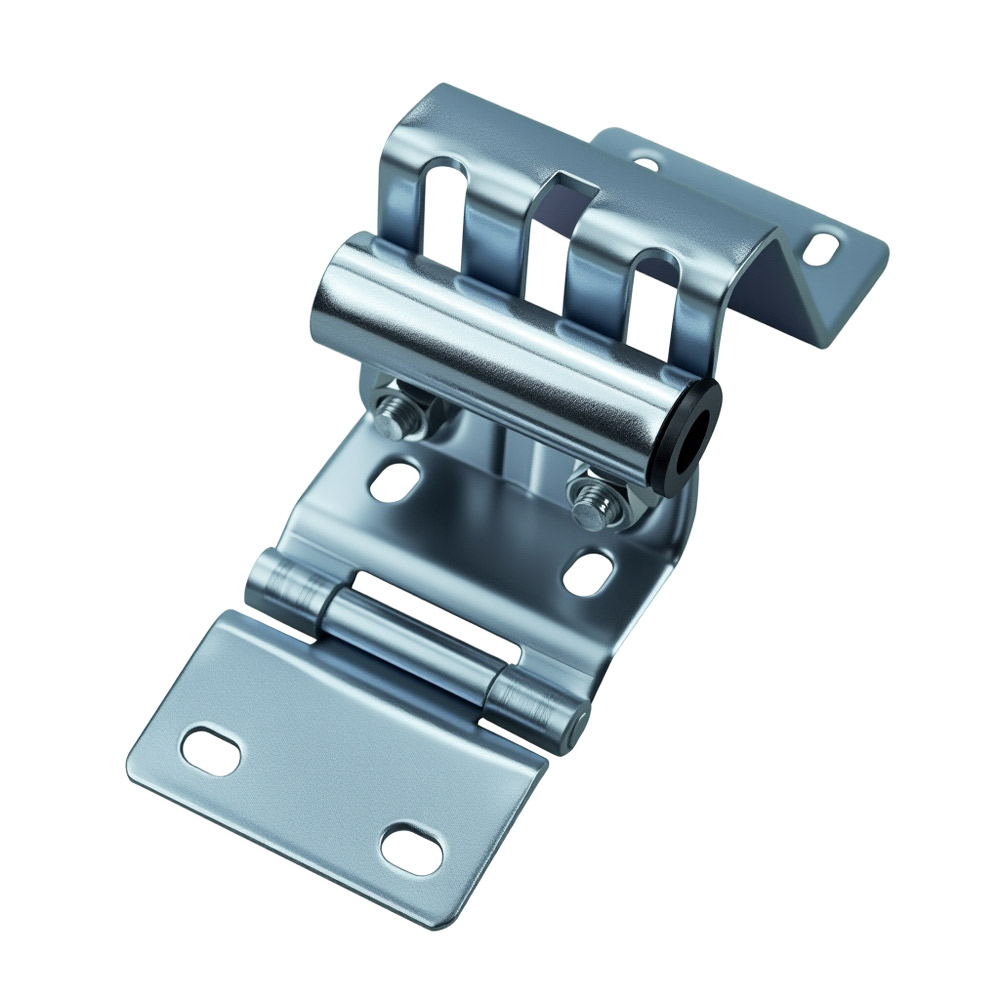
Factors such as door size, panel material, hinge placement, and operational frequency significantly affect load behavior. In high-cycle industrial environments, where doors may cycle tens of thousands of times per year, fatigue damage accumulates rapidly. The pivot interface experiences contact stresses and micro-movements due to manufacturing tolerances and clearances, which can accelerate wear and contribute to crack initiation. To mitigate these effects, hinge designs incorporate precise clearances and lubrication strategies that reduce friction and wear while preserving alignment and smooth articulation.
Material selection plays a pivotal role in managing mechanical demands. Heavy duty hinges are generally fabricated from high-strength carbon or alloy steels, often subjected to heat treatments like quenching and tempering to enhance yield strength and fatigue resistance. Surface treatments such as galvanization, powder coating, or specialized plating provide corrosion protection, which is critical in industrial environments exposed to moisture, chemicals, or particulate contaminants. Pivot pins are typically hardened or coated to resist fretting and wear. Some designs integrate bushings or sealed bearings to distribute loads more evenly and reduce friction, thereby extending fatigue life and minimizing maintenance requirements.
The dominant failure mechanism in heavy duty garage door hinges operating under high-cycle industrial usage is articulation fatigue. This failure initiates at areas of elevated stress concentration, particularly near the pivot pin bore and along the hinge leaf arms where bending stresses peak during articulation. Repeated cyclic loading causes the local stress amplitude to exceed the material’s fatigue endurance limit, leading to the nucleation of micro-cracks. These cracks progressively propagate through the hinge leaf or may cause fracture of the pivot pin itself, culminating in hinge failure and impaired door functionality.
The fatigue process is sensitive to factors such as surface finish quality, manufacturing defects, and geometric stress risers. Sharp corners, notches, or abrupt transitions in hinge geometry act as stress concentrators that exacerbate crack initiation. Additionally, residual stresses from manufacturing processes like welding or machining can influence fatigue performance. Therefore, careful design and quality control are essential to minimize these detrimental effects.
Secondary failure modes include wear and fretting corrosion at the pivot interface. The continuous articulation of the hinge induces micro-slip between the pivot pin and the leaf bore, which progressively degrades the surface finish and reduces the effective cross-sectional area of the pin or bore. This wear not only increases local stress concentrations but also accelerates fatigue crack initiation. Overload events, such as accidental impacts or excessive force application, can cause plastic deformation of hinge leaves, resulting in permanent misalignment. Such deformation increases friction and binding during operation, further accelerating mechanical degradation and wear.
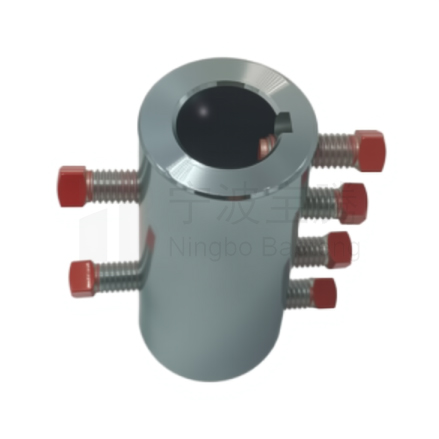
In some cases, corrosion-induced pitting at the pivot interface can exacerbate wear and fatigue damage. The interaction of mechanical wear and chemical degradation often leads to complex failure patterns that require detailed inspection and analysis.
Environmental conditions in industrial settings considerably affect hinge durability. Exposure to moisture, temperature fluctuations, and airborne contaminants promotes corrosion processes that undermine material integrity. When protective coatings are compromised, localized corrosion pits develop on hinge surfaces. These pits act as stress concentrators, facilitating fatigue crack initiation under cyclic loading.
Thermal cycling due to temperature variations induces expansion and contraction in hinge components, generating additional micro-movements at articulation interfaces. These micro-movements can increase fretting wear and contribute to fatigue damage. Moreover, contaminants such as dust, chemical vapors, or abrasive particles can infiltrate hinge clearances, exacerbating wear and corrosion.
Material selection and protective treatments must therefore account for these environmental factors. Corrosion-resistant alloys, robust coatings, and sealed bearing assemblies can mitigate environmental degradation. Regular maintenance, including cleaning and lubrication, is vital to preserve hinge functionality in harsh industrial environments.
Validation of heavy duty garage door hinges for fatigue resistance and mechanical performance relies on adherence to recognized industry standards that define test protocols and performance criteria. ANSI/DASMA 102 specifies requirements for sectional door hardware, including hinge strength and durability under cyclic loading conditions representative of real-world use. UL 325 outlines safety and operational testing procedures for door assemblies, emphasizing hinge reliability during repetitive operation to ensure user safety.
Mechanical fatigue testing conducted in accordance with ASTM E466 provides a rigorous framework for evaluating the endurance limit of hinge materials and designs. This standard involves subjecting hinge specimens to controlled cyclic bending or torsional loads that simulate in-service articulation cycles until failure or a predefined cycle count is reached. The resulting data quantify hinge lifespan and identify failure thresholds, guiding design improvements.
Complementary environmental simulation tests, such as salt spray exposure per ASTM B117, assess corrosion resistance and its impact on fatigue performance. These tests replicate aggressive industrial atmospheres to validate protective coatings and material selection.
Integrating mechanical fatigue testing with environmental durability assessments ensures comprehensive validation of hinge designs. This approach confirms that hinges meet or exceed the performance requirements necessary for reliable operation in demanding high-cycle industrial usage scenarios.
The successful integration of heavy duty garage door hinges into sectional door systems requires careful consideration of load distribution, articulation mechanics, and environmental exposure. Designers must strategically position hinges in relation to panel size and weight to minimize bending moments and prevent uneven load concentrations that could accelerate fatigue damage.
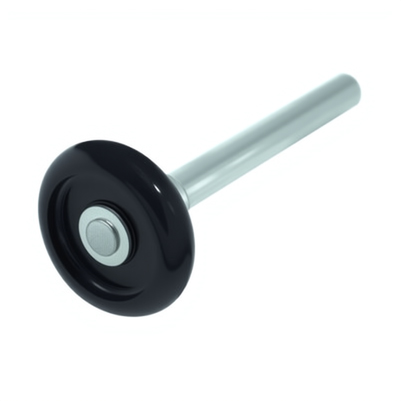
Precise alignment of hinge pivot axes with door panel geometry is crucial to reduce stress concentrations and avoid premature wear. Misalignment can induce binding or uneven loading, which compromises hinge life and door operation. Compatibility of hinge materials with adjoining components such as rollers and track systems influences overall system durability. Material combinations should be selected to minimize galvanic corrosion and ensure consistent wear characteristics.
Lubrication regimes tailored to operational conditions are essential to reduce friction and wear at articulation points. In high-cycle industrial environments, maintenance protocols should include scheduled inspections for early detection of fatigue cracking, wear, corrosion, and misalignment. Proactive maintenance extends hinge service life and prevents unexpected failures.
Advanced hinge designs may incorporate self-lubricating bushings or sealed bearing assemblies to improve articulation smoothness and reduce maintenance demands. Modular hinge components facilitate straightforward replacement and repair, minimizing system downtime and lifecycle costs. Field experience underscores the importance of verifying fastener torque and load transfer behavior during installation to prevent loosening and uneven stress distribution.
Heavy duty garage door hinges in industrial applications must withstand complex mechanical stresses and challenging environmental conditions inherent to high-cycle usage. Articulation fatigue remains the principal failure mode, necessitating robust design, careful material selection, and rigorous validation through fatigue cycle testing standards such as ASTM E466, alongside ANSI and UL requirements. Effective integration requires precise alignment, appropriate lubrication, and proactive maintenance to ensure reliable long-term performance. From an engineering perspective, ensuring the durability of heavy duty garage door hinges depends on a detailed understanding of mechanical articulation and fatigue resistance, supported by comprehensive testing and practical field validation.
This analysis was reviewed by a Senior Garage Door Hardware Engineer with practical field experience under high-cycle industrial usage operating conditions, with validation focused on articulation fatigue in accordance with fatigue cycle test compliance requirements.
From an engineering standpoint, long-term reliability of heavy duty garage door hinges depends on correct fastener selection, verified load transfer behavior, validation under high-cycle industrial usage exposure, and documented compliance with fatigue cycle test alongside ANSI, ASTM, and UL safety benchmarks.

 English
  Русский
  日本語
日本語  한국어
한국어  Français
  Deutsch
  العربية
  Português
  Español