
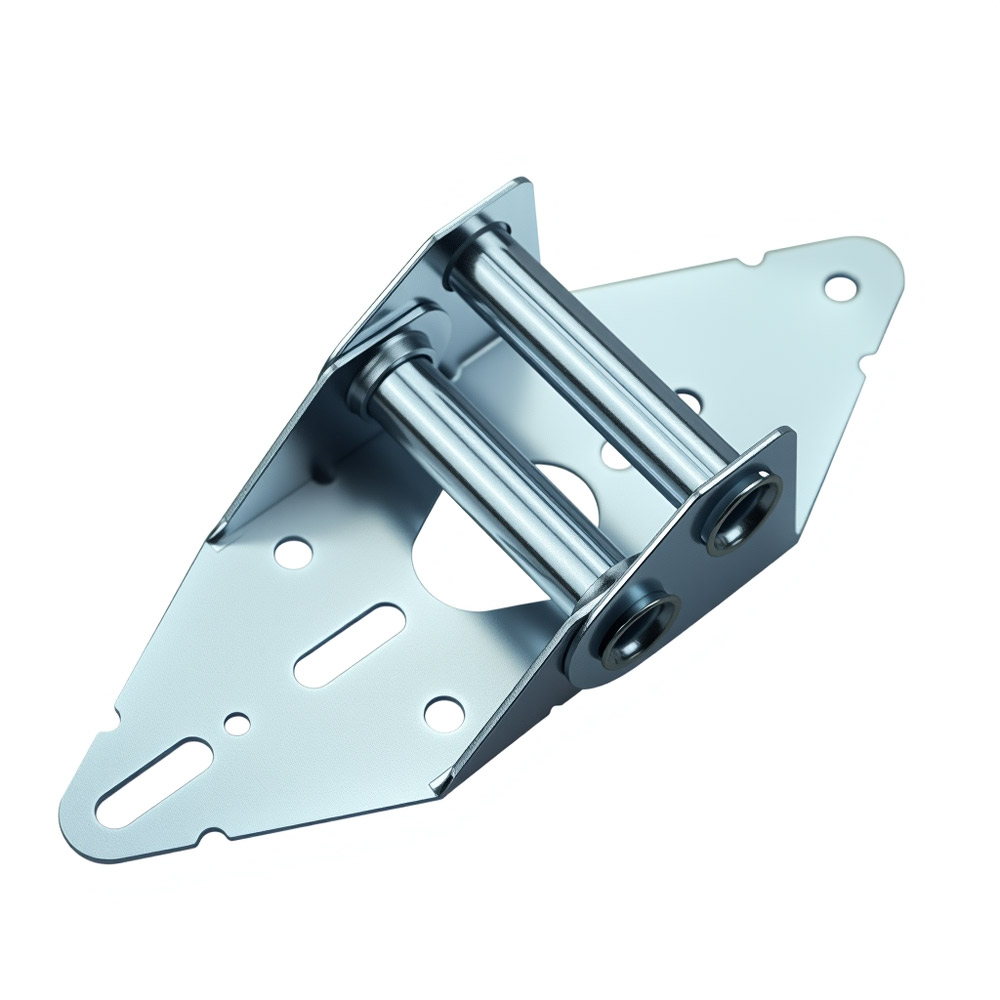
Sectional-Hinge Stress Analysis for Steel Heavy Duty Hinges in Industrial Door Articulation
For industrial sectional doors, the mechanical reliability of Steel Heavy Duty Hinges, especially side hinges, is essential for managing articulation and ensuring long-term system durability. This article explores how stress distribution and fatigue resistance in these hinges directly impact the performance and lifespan of sectional door assemblies.
Reliability of Steel Heavy Duty Hinges in Sectional Door Systems
In the context of industrial sectional doors, the selection and validation of steel heavy duty hinges, particularly side hinges, play a pivotal role in ensuring the articulation and long-term durability of the entire system. Door system designers are frequently confronted with the challenge of managing stress concentration and fatigue failure at hinge points, especially when dealing with repeated sectional movements under substantial loads. This analysis provides a structured technical evaluation of these hinges, focusing on their mechanical stress distribution and their ability to disperse articulation-induced forces. Through an engineering lens, the discussion will cover the structural features of steel heavy duty side hinges, their reliability in stress management, and methods for evaluating their performance in demanding applications.
Steel heavy duty hinges, specifically side-mounted variants, are engineered to facilitate the articulation of sectional doors while bearing significant operational loads. The fundamental architecture of these hinges comprises high-grade steel plates, precision-machined knuckles, and robust pin assemblies. The material selection is typically limited to cold-rolled or hot-rolled steel alloys with high yield strength and fatigue resistance, often treated with anti-corrosive coatings to extend service life in industrial environments.
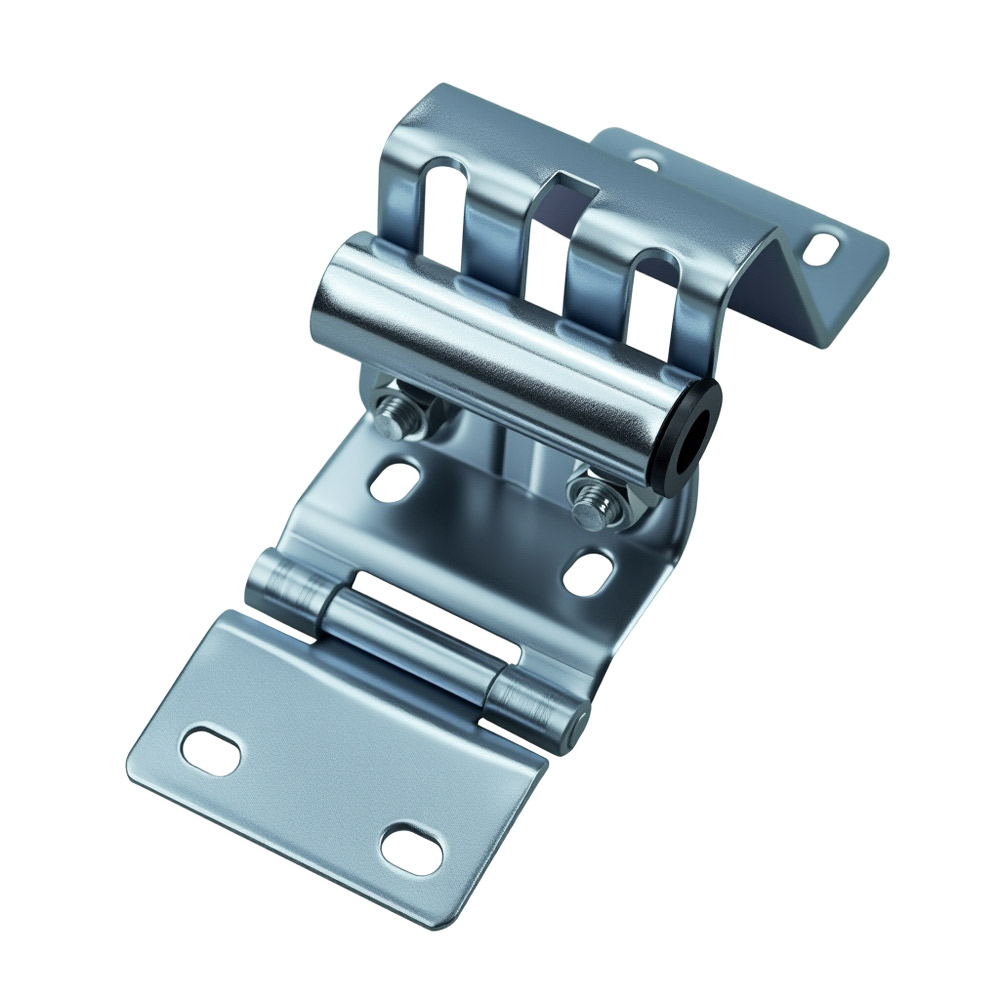
The geometric configuration of the hinge directly influences its ability to distribute mechanical loads. Side hinges are designed with an extended leaf and reinforced webbing to optimize load transfer from the sectional panels to the supporting tracks. The knuckle diameter and pin thickness are calibrated to withstand both shear and bending moments encountered during door articulation. The mounting hole patterns are standardized to ensure uniform stress distribution across the fastener interface, minimizing localized stress risers that could initiate fatigue cracks.
In operation, sectional doors impose cyclic loading on hinges as panels articulate along curved tracks. The hinge’s ability to disperse these stresses is a function of its material properties, cross-sectional area, and the precision of its assembly. For heavy-duty applications, the hinge must resist not only static loads from the door weight but also dynamic forces generated during opening and closing cycles. The articulation points are subjected to alternating tensile and compressive stresses, making fatigue resistance a critical design parameter.
The interface between the hinge and the sectional panel is a common site for stress concentration. This is often exacerbated by misalignment, improper installation torque, or uneven panel loading. To mitigate these effects, heavy duty side hinges incorporate gusset plates or additional fillet welds at high-stress junctions. The use of hardened steel pins and bushings further reduces wear and maintains articulation precision over extended service intervals.
Evaluation Methods and Stress Analysis for Steel Heavy Duty Side Hinges
Reliability in the context of steel heavy duty side hinges is primarily measured by their ability to maintain structural integrity under repeated articulation cycles. The mechanical stress distribution across the hinge assembly must be uniform to avoid premature fatigue failure. Empirical data from cyclic testing indicate that hinges with optimized geometry and material selection exhibit lower rates of crack initiation at the knuckle and mounting interfaces. The presence of microstructural defects in the steel, such as inclusions or improper heat treatment, can significantly reduce fatigue life, underscoring the importance of stringent quality control during manufacturing.
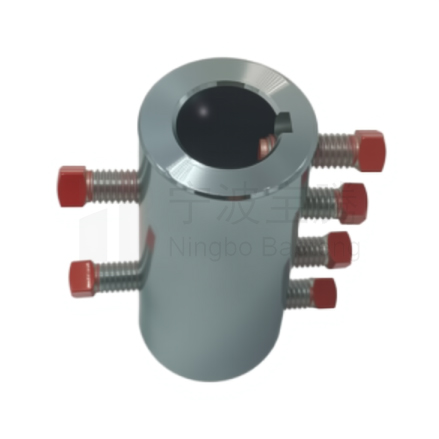
The articulation mechanism itself introduces secondary stresses, particularly at the hinge pin and knuckle interface. These stresses are magnified in applications with high cycle frequencies or where the door panels are subjected to eccentric loading. To address this, advanced hinge designs utilize oversized pins with surface hardening treatments and incorporate self-lubricating bushings to minimize frictional wear. The alignment of the hinge axis with the sectional panel’s center of gravity is also critical for reducing bending moments and ensuring smooth articulation.
Evaluation of hinge reliability extends beyond static load ratings and must encompass dynamic performance under real-world conditions. Fatigue testing protocols for steel heavy duty hinges typically involve subjecting the assembly to a prescribed number of articulation cycles at representative load levels. The test results are analyzed for evidence of plastic deformation, crack propagation, and loss of articulation precision. Hinges that demonstrate stable load-deflection characteristics and minimal wear after extended cycling are considered suitable for heavy-duty sectional doors.
Finite element analysis (FEA) is a standard tool for assessing the mechanical stress distribution in hinge assemblies. By modeling the hinge geometry and applying boundary conditions that replicate operational loads, engineers can identify regions of high stress concentration and optimize the design accordingly. FEA results often reveal that the highest stresses occur at the transition between the hinge leaf and knuckle, as well as at the fastener holes. Design modifications, such as increasing the fillet radius or redistributing material thickness, can significantly reduce peak stresses and enhance fatigue life.
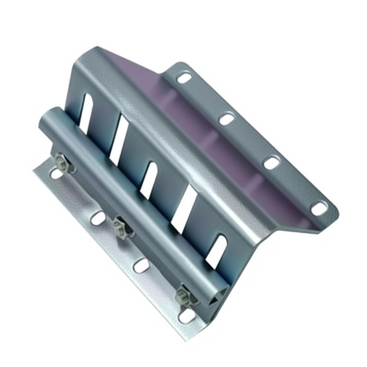
In addition to computational analysis, field evaluations provide critical feedback on hinge performance in actual installations. Monitoring hinge assemblies for signs of wear, deformation, or fastener loosening is essential for validating laboratory predictions and ensuring long-term reliability. Data collected from high-traffic industrial sites indicate that hinges with enhanced stress dispersion features, such as gusseted webs and oversized pins, exhibit superior durability and reduced maintenance requirements.
The primary pain point for door system designers—stress concentration and fatigue failure—can be systematically addressed by integrating engineering validation into the hinge selection and design process. This involves specifying hinges with proven fatigue resistance, verifying material certifications, and conducting periodic inspections to detect early signs of mechanical degradation. The use of standardized testing protocols, such as ASTM E466 for fatigue testing of metallic materials, provides a quantitative basis for comparing hinge performance across different manufacturers and designs.
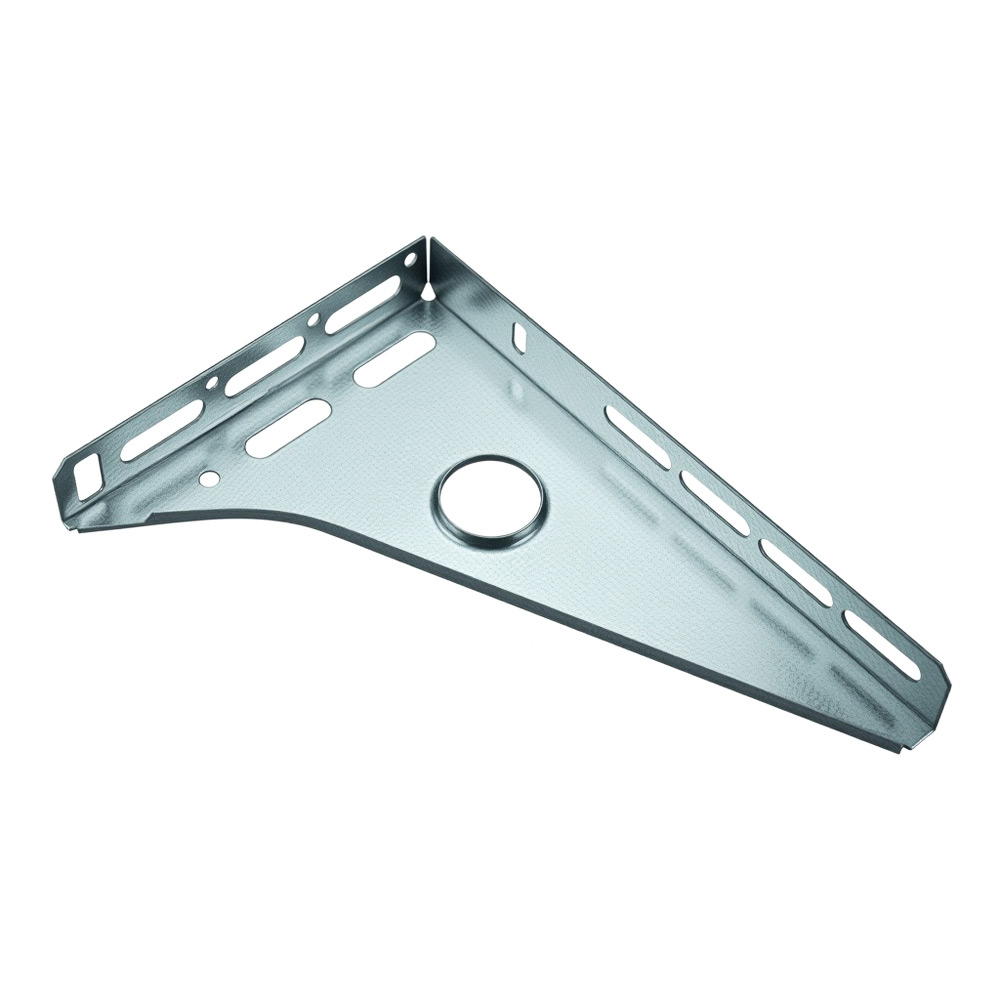
For applications involving oversized or insulated sectional doors, the articulation-induced stresses are further amplified due to increased panel mass and inertia. In these scenarios, the hinge design must be validated for both ultimate strength and fatigue endurance. Analytical calculations should consider the combined effects of door weight, wind loads, and operational accelerations. Safety factors are typically set higher for heavy-duty applications, with recommended values ranging from 2.5 to 4.0 depending on the criticality of the installation.
Installation practices also influence the long-term reliability of steel heavy duty side hinges. Proper alignment of the hinge axis, uniform torque application on mounting fasteners, and verification of panel-to-hinge fitment are essential steps to minimize unintended stress concentrations. Inadequate installation can negate the benefits of an otherwise robust hinge design, leading to premature failure and increased maintenance costs.
In conclusion, the technical evaluation of steel heavy duty side hinges for sectional door articulation must be grounded in a thorough understanding of mechanical stress distribution and fatigue behavior. Door system designers are encouraged to verify hinge parameters using engineering-grade safety checks, including finite element modeling, fatigue testing, and field inspections. Addressing the core pain point of stress concentration and fatigue failure requires a holistic approach that encompasses material selection, geometric optimization, and rigorous quality control. By adhering to these engineering principles, designers can ensure the long-term durability and reliability of sectional door systems operating under demanding conditions.
Further Engineering Resources and Best Practices
For comprehensive technical standards and application guidance on Steel Heavy Duty Hinges and side hinges, designers and engineers can refer to Baoteng’s hinge product documentation и учебники по установке. For further insights into stress management and fatigue resistance in garage door hardware, review the технические условия и отчеты о нагрузочных испытаниях available on the Baoteng website.
 English
  Русский
  日本語
日本語  한국어
한국어  Français
  Deutsch
  العربية
  Português
  Español