
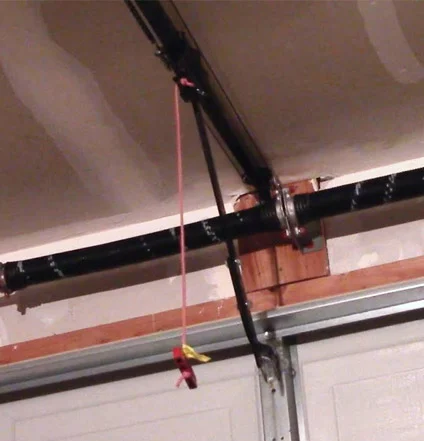
Mechanical Reliability of Top Roller Bracket Garage Door Systems
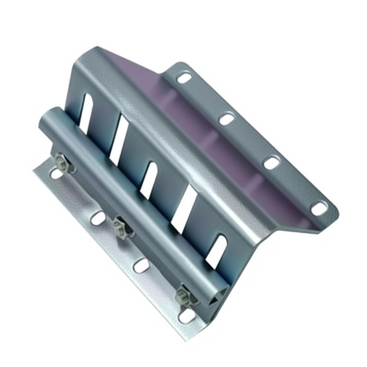
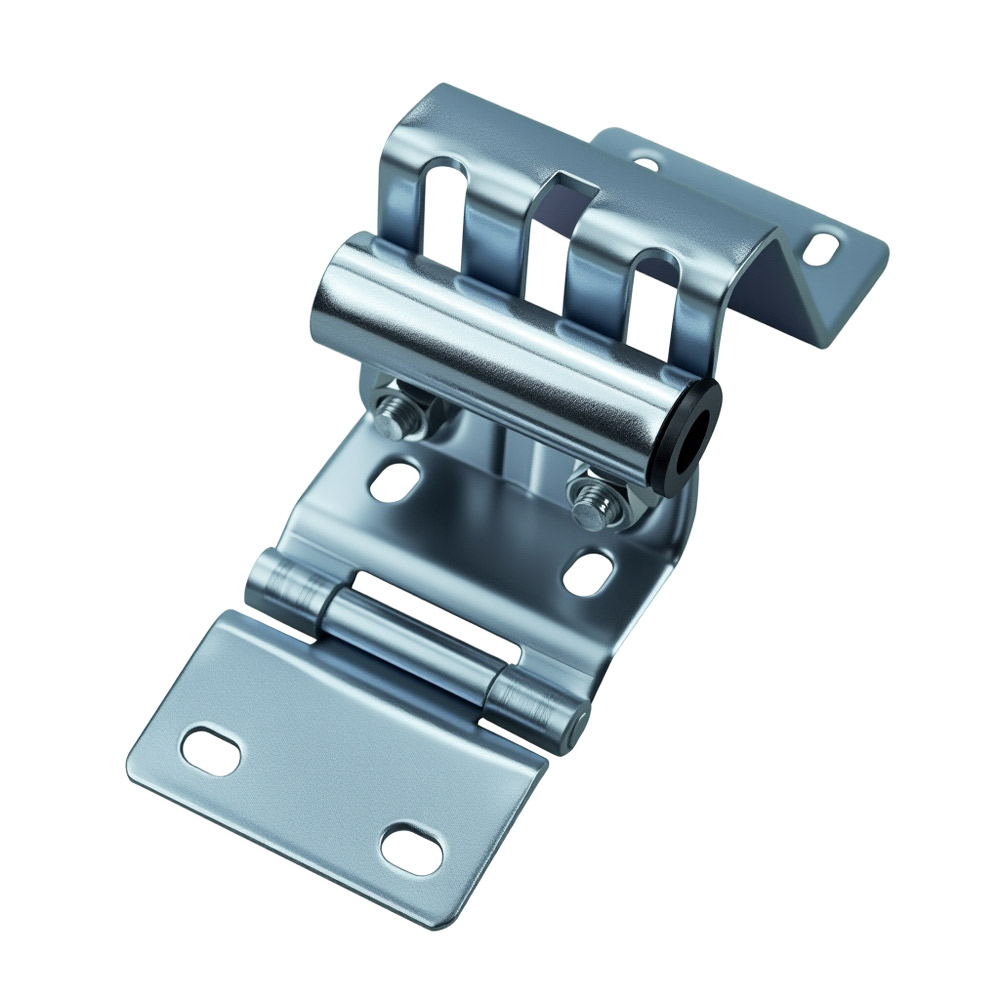
The top roller bracket in a garage door assembly serves as the critical interface between the uppermost roller and the door panel structure. Its geometric configuration, material selection, and mounting precision collectively determine the bracket’s effectiveness in guiding the roller along the track profile. The bracket is typically fabricated from formed steel or high-strength aluminum alloys, with mounting flanges designed for multi-point fastening to the door stile. The bracket’s slot geometry allows for limited vertical and horizontal adjustment, enabling precise roller-to-track engagement during initial installation and subsequent maintenance.
From a rolling-friction perspective, the bracket must maintain the roller’s axis perpendicular to the track plane to avoid skew-induced frictional increases. Misalignment at the bracket interface can cause the roller to bind or track unevenly, amplifying rolling resistance and accelerating wear on both the roller and track surfaces. The bracket’s rigidity is thus a primary factor in resisting deformation under load, especially during door actuation cycles when the upper panel experiences torsional and lateral forces.
Structural Reinforcement and Fastening
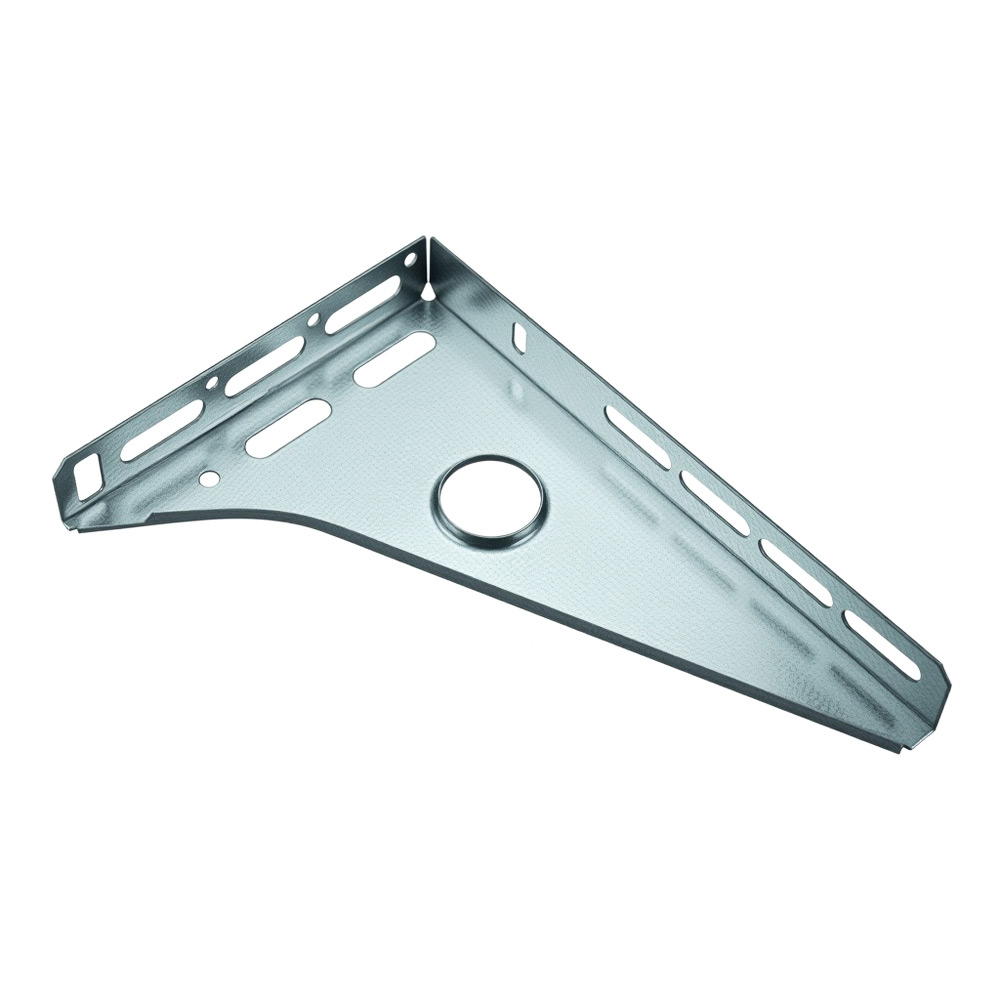
The mechanical reliability of the top roller bracket is influenced by several interrelated parameters: bracket thickness, reinforcement features (such as gussets or ribs), and the quality of fasteners used for attachment. For high-cycle applications, brackets with increased material cross-section and additional weldments at stress concentration zones demonstrate superior resistance to fatigue cracking. The bracket’s mounting surface must be flat and free of burrs to ensure uniform load transfer to the door panel, minimizing the risk of local deformation that could alter roller alignment.
Evaluation of Alignment and Rolling-Friction Behavior
Reliability in the context of rolling and sliding systems is directly linked to the bracket’s ability to maintain alignment over time. Alignment deviation typically manifests as increased gap variation between the door and jamb, uneven panel movement, or abnormal noise during operation. These symptoms are often traced to bracket movement or loosening, which may result from insufficient fastener torque, bracket material yielding, or improper initial adjustment. A systematic approach to bracket installation—using calibrated torque tools and verifying bracket squareness relative to the door edge—substantially reduces the incidence of alignment drift.
Rolling-friction behavior is also affected by the interaction between the bracket and the roller’s bearing assembly. If the bracket’s mounting slot is oversized or the fastener is not adequately torqued, micro-movements can occur at the interface, leading to fretting and eventual elongation of the slot. This progressive wear increases the effective play in the roller’s position, further exacerbating alignment deviation and introducing non-uniform rolling loads. In engineered systems, the use of hardened washers and lock nuts is recommended to maintain consistent clamping force and inhibit loosening from vibration.
Static and Dynamic Assessment
A comprehensive evaluation of top roller bracket performance requires both static and dynamic assessment methodologies. Static evaluation involves measuring bracket deflection under simulated door loads using dial indicators or displacement transducers. Acceptable deflection limits are typically specified by door manufacturers and should not exceed values that would compromise roller-to-track engagement. Dynamic assessment, on the other hand, focuses on the bracket’s performance during repeated door cycles, monitoring for signs of fastener loosening, bracket creep, or slot elongation. Data loggers and high-speed cameras can be employed to capture transient alignment shifts and correlate them with operational anomalies.
Environmental and Installation Factors
In field installations, the most frequent contributors to alignment deviation are improper bracket positioning and insufficient fastener torque. Door alignment engineers must verify that the bracket is installed flush with the door edge and that the roller is centered within the track channel. Any deviation from the nominal position can result in the roller contacting the track flange, generating side loads that increase friction and accelerate bracket wear. Periodic inspection protocols should include verification of bracket tightness, assessment of slot elongation, and measurement of roller free play to detect early signs of misalignment.
Environmental factors, such as temperature fluctuations and humidity, can also impact bracket performance. Thermal expansion and contraction may induce minor shifts in bracket position, particularly in doors exposed to direct sunlight or unconditioned spaces. Engineers should account for these effects during installation by allowing for controlled clearance in the bracket slots and selecting fasteners with appropriate expansion characteristics. In corrosive environments, the use of stainless steel or zinc-plated brackets is recommended to maintain structural integrity and prevent rust-induced binding at the roller interface.
Verification and Maintenance Protocols
When evaluating rolling-friction behavior, it is essential to distinguish between frictional increases caused by bracket misalignment and those resulting from roller bearing degradation. Engineers should isolate the bracket’s contribution by conducting unloaded rolling tests with the bracket fixed in its nominal position, followed by incremental misalignment to quantify the frictional penalty associated with bracket deviation. These tests provide actionable data for refining installation tolerances and specifying bracket designs with enhanced alignment retention features.
The cumulative effect of bracket design, installation precision, and maintenance practices directly influences the mechanical reliability of the garage door system. Alignment deviation, if left unaddressed, can propagate throughout the door assembly, leading to increased actuator loads, premature roller failure, and compromised weather sealing. For door alignment engineers, the systematic verification of top roller bracket parameters—including bracket flatness, fastener torque, slot condition, and roller engagement—is essential for sustaining optimal system performance.
Ensuring Long-Term Performance of Top Roller Bracket Garage Door Assemblies
In summary, the top roller bracket is a foundational component in managing alignment deviation within sliding and rolling garage door systems. Its mechanical reliability is governed by structural rigidity, material selection, installation accuracy, and maintenance discipline. By rigorously assessing rolling-friction behavior and implementing robust alignment verification protocols, door alignment engineers can substantially mitigate the risk of operational anomalies and extend the service life of the door assembly. For optimal performance, it is recommended to periodically verify alignment parameters, inspect bracket and fastener integrity, and document any deviations for corrective action. These engineering-driven practices ensure that the top roller bracket continues to fulfill its critical role in maintaining precise door alignment and reliable system operation.
For further technical resources on garage door hardware, engineers may reference технические условия or review отчеты о нагрузочных испытаниях for comprehensive performance data.
 English
  Русский
  日本語
日本語  한국어
한국어  Français
  Deutsch
  العربية
  Português
  Español