
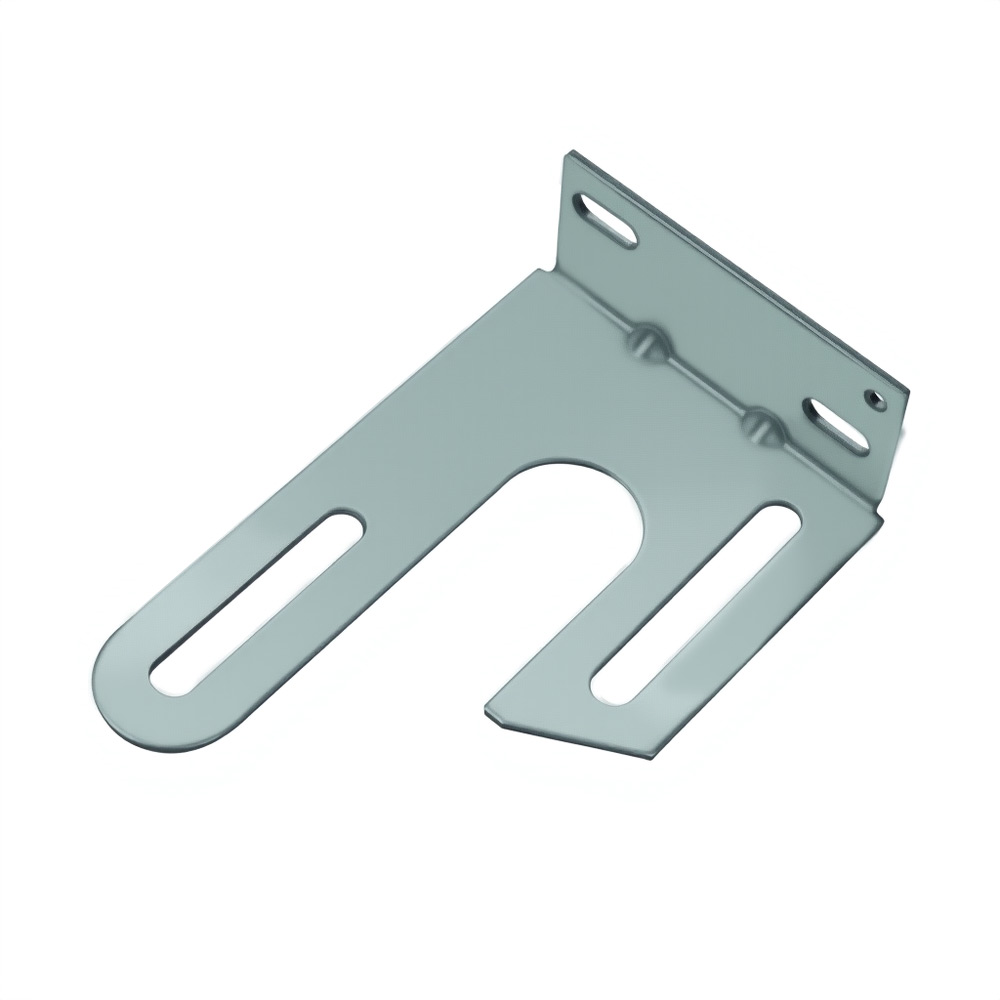
Load Integrity and Safety Mechanisms of the Safety Stopping Bracket Garage Door
Ensuring robust load-bearing performance of the safety stopping bracket garage door is essential for reliable operation and compliance with safety standards. This review highlights the engineering considerations and structural mechanisms that make the Safe Bottom Bracket a critical safeguard in garage door assemblies.
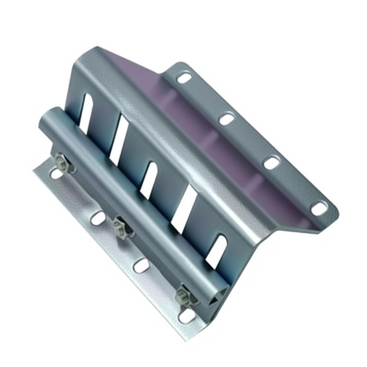
Material selection is foundational to the performance of safety stopping brackets. The bracket must exhibit a combination of high tensile strength, ductility, and resistance to environmental degradation. Most Safe Bottom Brackets are fabricated from cold-rolled or hot-dip galvanized steel, with thicknesses typically ranging from 2.5 mm to 4 mm. The choice of steel grade directly impacts the bracket’s capacity to withstand peak loads without yielding or fracturing. For instance, brackets manufactured from ASTM A653 Grade 50 steel offer a yield strength of approximately 345 MPa, providing a substantial safety margin for typical residential and light commercial doors.
Corrosion resistance is another critical parameter, especially in humid or coastal environments where oxidation can undermine the bracket’s load-bearing capacity over time. Galvanized coatings, applied via hot-dip or electroplating processes, form a sacrificial layer that delays the onset of rust. In applications where chemical exposure is anticipated, stainless steel alloys such as AISI 304 or 316 may be specified, albeit at a higher material cost. The selection of fasteners—often high-grade bolts or rivets—must be compatible with the bracket material to prevent galvanic corrosion and maintain joint integrity.
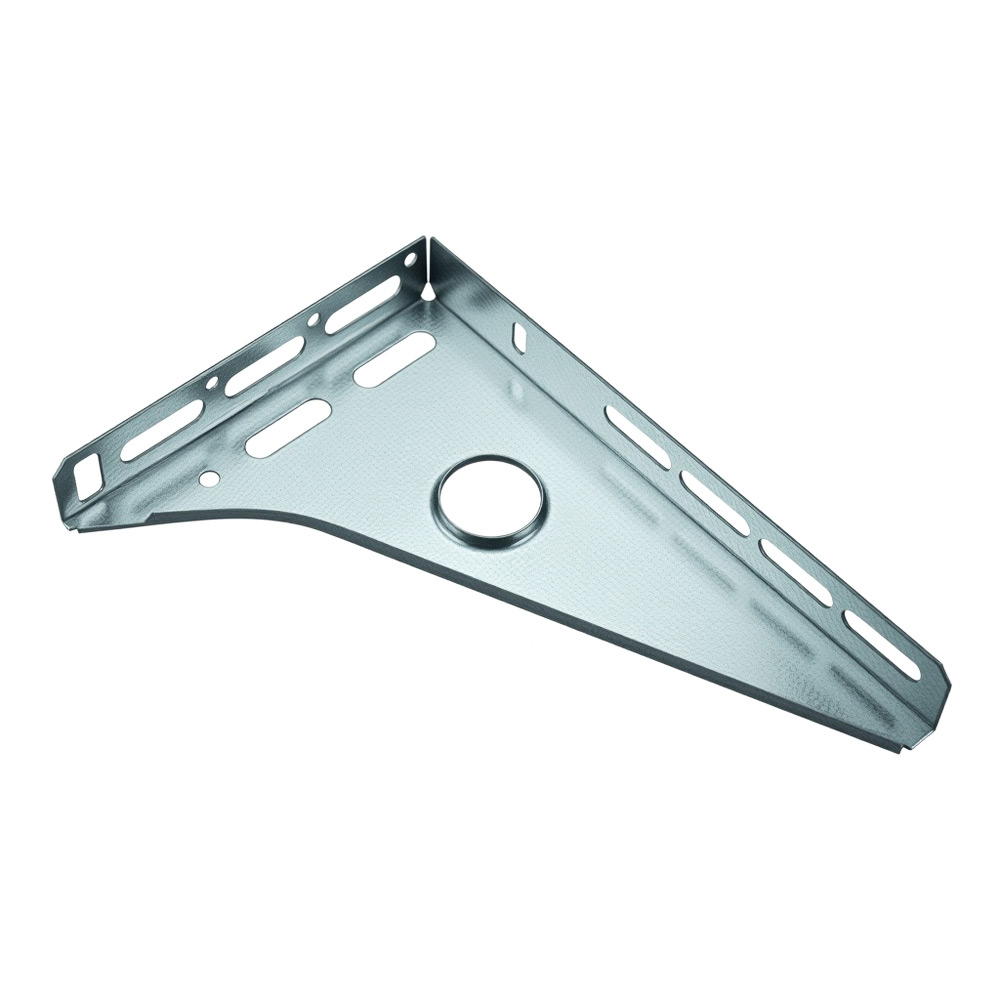
The geometry and structural design of the safety stopping bracket dictate its ability to distribute and resist operational loads. Standard Safe Bottom Bracket designs feature a reinforced U- or L-shaped profile, with gussets or ribs added to enhance rigidity. The bracket is typically mounted at the lower edge of the end stile on each side of the door, providing a secure attachment point for the lifting cable’s loop or swaged fitting. The load path extends from the cable through the bracket and into the door’s stile and frame, necessitating precise alignment and robust fastening.
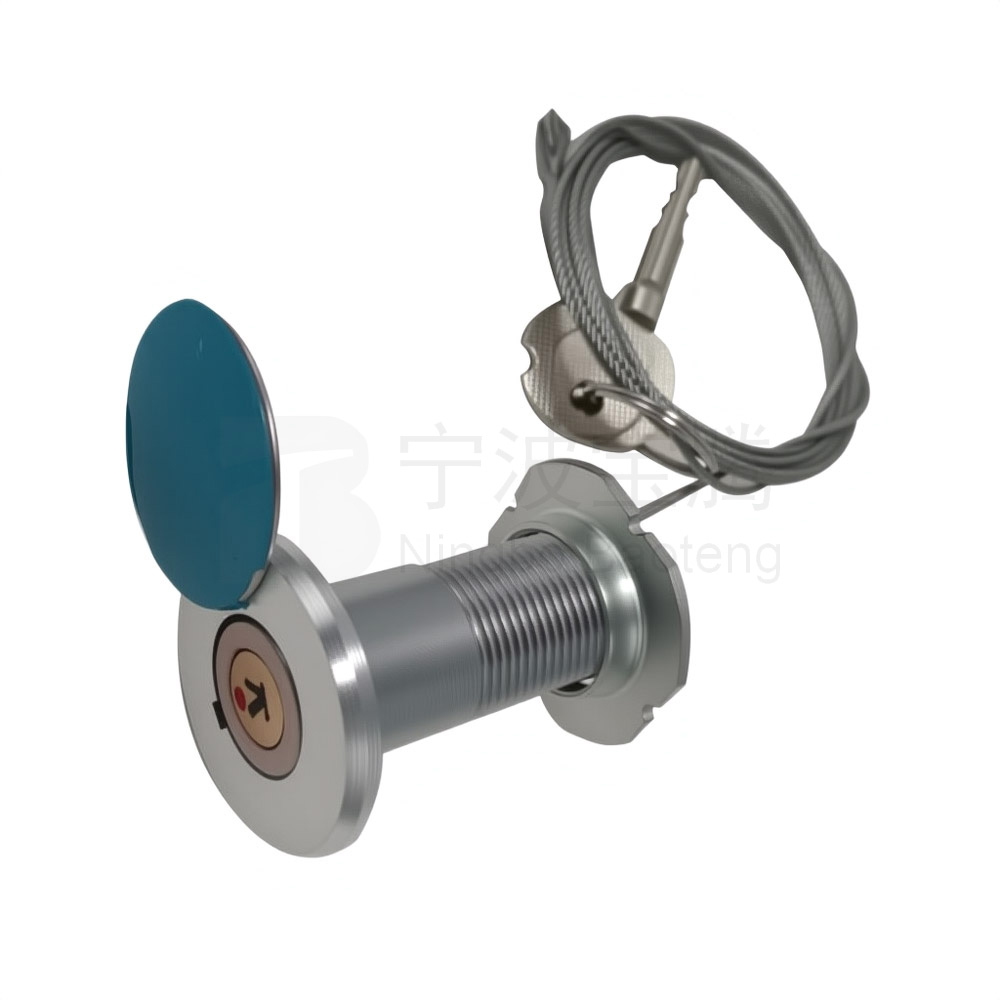
A critical aspect of bracket design is the provision for anti-lift and anti-drop features. Many modern brackets incorporate a cable anchor pin or slot that prevents accidental cable disengagement. Additionally, some designs include an integrated safety stop tab that physically blocks the bracket from moving beyond a predetermined position, even if the cable becomes slack. These features are essential in mitigating the risk of uncontrolled door descent, a core pain point for maintenance professionals concerned with failure risk under mechanical load.
The interface between the bracket and the door panel is another area requiring careful engineering attention. The mounting holes must be precisely located and sized to accommodate the specified fasteners without introducing stress concentrations or local weakening. Inadequate hole placement or oversized clearances can lead to bolt shear or bracket deformation, especially under shock loading conditions. It is recommended to follow manufacturer torque specifications and use lock washers or thread-locking compounds to prevent loosening due to vibration.
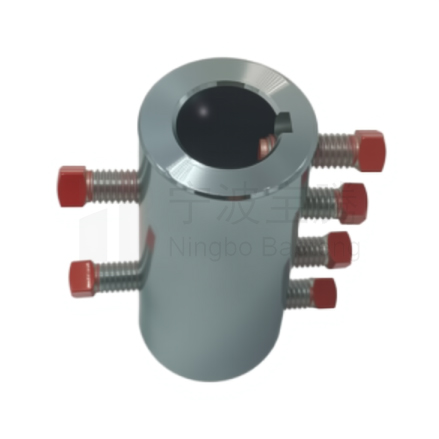
For doors subjected to higher-than-average loads—such as oversized commercial doors or those with heavy insulation—engineers may specify brackets with increased material thickness, additional gusseting, or dual-cable anchor points. In such cases, finite element analysis (FEA) can be employed during the design phase to simulate stress distribution and identify potential failure points. Compliance with recognized industry standards, such as ANSI/DASMA 102 for sectional garage doors, is strongly advised. Detailed requirements for bottom bracket construction and testing can be found in the ANSI/DASMA 102-2015 Standard.
SAFE BOTTOM BRACKET STATIC LOAD TEST – LAB REPORT #SB-2024-07
Test Summary:
– Bracket Type: 3.0 mm galvanized steel, single cable anchor
– Test Load: 2,200 N applied vertically
– Result: No yielding or permanent deformation observed
– Conclusion: Meets ANSI/DASMA 102 static load requirements for residential doors
Routine inspection and maintenance are essential to preserve the structural integrity of safety stopping brackets throughout their service life. Technicians should examine brackets for visible signs of deformation, corrosion, or fastener loosening during scheduled service intervals. Any evidence of metal fatigue—such as cracking near the cable anchor or mounting holes—warrants immediate replacement. It is also critical to verify that the cable is seated correctly and that the safety stop features are unobstructed and functional.
Environmental factors can accelerate bracket degradation. In locations with high humidity, salt exposure, or chemical fumes, the interval between inspections should be reduced, and the use of stainless steel or enhanced corrosion-resistant finishes should be considered. For retrofits or repairs, it is imperative to use OEM-specified brackets and fasteners to ensure compatibility with the door system’s original engineering.
Load-bearing capacity is not solely a function of bracket strength; the integrity of the door stile, track, and overall assembly must be evaluated as part of any safety assessment. A structurally sound bracket installed on a compromised door panel will not provide the intended safety support. Technicians should confirm that the door’s lower stiles are free from rot, delamination, or impact damage, and that the track system is properly aligned and anchored.
From an engineering perspective, failure risk under mechanical load is most acute during abnormal operating conditions, such as spring breakage or cable detachment. In these scenarios, the Safe Bottom Bracket serves as the final safeguard against uncontrolled door movement. Therefore, the safety margin incorporated into the bracket’s design—expressed as the ratio of ultimate strength to maximum expected load—must be sufficient to accommodate transient overloads and installation variances.
Periodic verification of bracket parameters, including material thickness, cable anchor integrity, and fastener torque, is recommended as part of a comprehensive safety compliance program. Technicians should document inspection results and reference applicable standards to ensure that each installation meets or exceeds regulatory requirements. Where possible, photographic records of bracket condition and installation details should be maintained for traceability.
All field modifications to safety stopping brackets, such as drilling additional holes or welding reinforcements, must be evaluated by a qualified engineer to prevent unintended stress concentrations or metallurgical changes that could compromise load-bearing integrity.
Ensuring Compliance and Longevity of Safety Stopping Bracket Garage Door Systems
In summary, the Safe Bottom Bracket is a cornerstone of garage door safety, providing essential load transfer and fail-safe features that protect against catastrophic failure. For maintenance professionals and technicians, adherence to engineering best practices in material selection, installation, and inspection is the most effective strategy for mitigating failure risk under mechanical load. The application of structural safety mechanisms, as outlined in this review, ensures that garage door assemblies remain compliant, reliable, and safe throughout their operational lifespan.
Verify bracket parameters for engineering safety compliance. All technicians are advised to consult the latest manufacturer specifications and relevant industry standards prior to installation or replacement. Where uncertainty exists regarding bracket suitability or observed damage, seek evaluation from a senior mechanical engineer or refer to recognized testing protocols to validate load-bearing performance.
For further technical documentation and support on Safe Bottom Bracket and other garage door hardware, refer to our Technische Dokumentation und After-Sales-Unterstützung pages. For details on compliance and certifications, visit Internationale Zertifizierungen.
 English
  Русский
  日本語
日本語  한국어
한국어  Français
  Deutsch
  العربية
  Português
  Español