

Sectional-Hinge Stress Analysis for Reliable Garage Doors Hinges
Reliable operation of sectional garage doors hinges is fundamental to the structural integrity and fatigue management of modern door systems. By focusing on articulation performance and stress dispersion, engineers can ensure garage doors hinges deliver consistent reliability throughout the door’s service life.
Reliability of garage doors hinges in sectional articulation
The articulation of sectional garage doors relies fundamentally on the performance and reliability of garage doors hinges. For door system designers, understanding the mechanical behavior of these hinges under repeated sectional movement is critical, particularly in relation to stress concentration and the resulting fatigue over time. The following analysis examines the structural role of garage doors hinges, with a focus on how hinge design and material selection influence stress dispersion during sectional articulation. The discussion proceeds through an engineering lens, emphasizing fatigue efficiency and the mitigation of articulation-induced failures, and concludes with technical recommendations for verifying hinge parameters in the context of engineering-grade safety and reliability.
Sectional garage doors are composed of multiple rigid panels connected by hinges, enabling the door to articulate smoothly along a curved track. The hinges serve as the primary mechanical link between panels, transmitting loads and accommodating the rotational movement required for the door to transition from vertical to horizontal positions. The geometry and placement of these hinges are engineered to minimize binding and to distribute forces evenly across the sectional assembly. However, the cyclical nature of door operation imposes significant demands on hinge components, especially at points where stress concentration is likely to occur due to panel articulation.
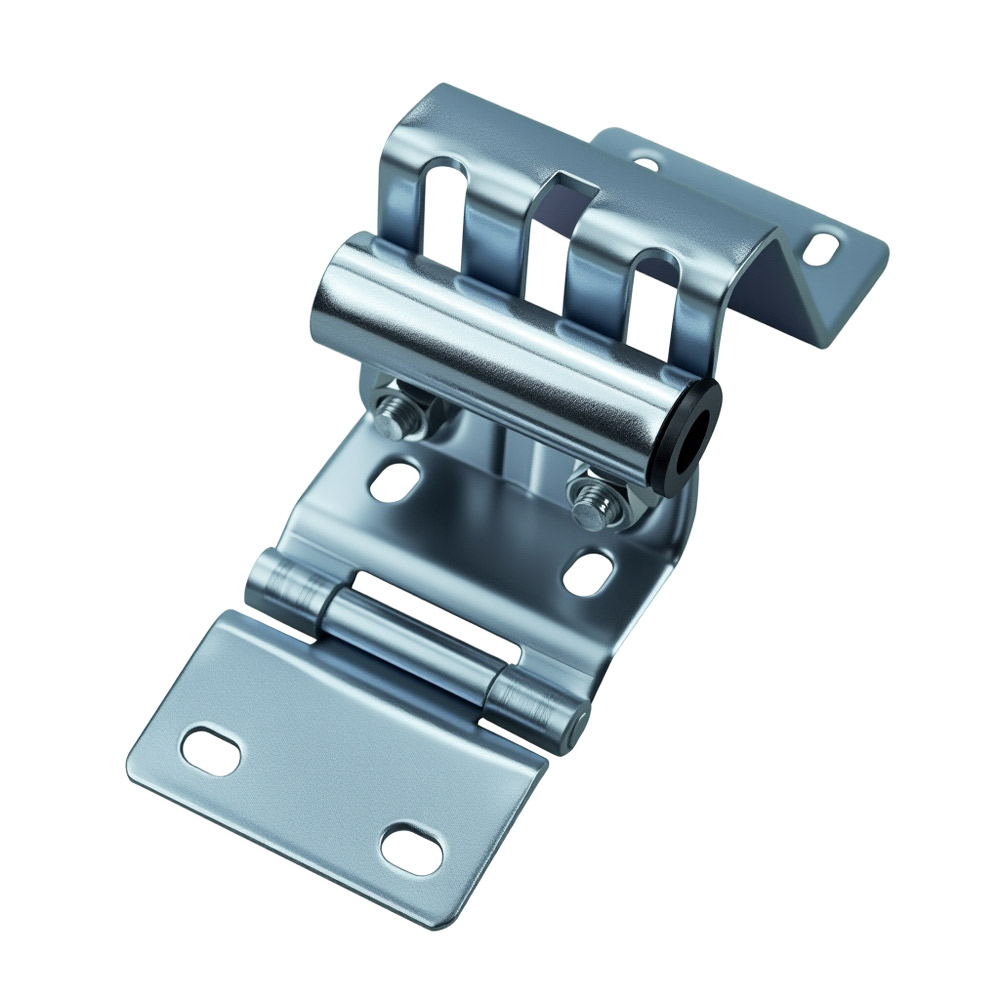
From a structural fatigue perspective, the efficiency of a hinge is determined by its ability to disperse localized stresses that arise during repeated cycles of opening and closing. Articulation points, particularly those near the center of the door span, are subject to higher bending moments and shear forces. These conditions can lead to microcracking, material deformation, or eventual hinge failure if not properly addressed in the design phase. The use of finite element analysis (FEA) is common practice in evaluating hinge performance under simulated loading conditions, allowing designers to identify critical stress risers and optimize hinge profiles accordingly.
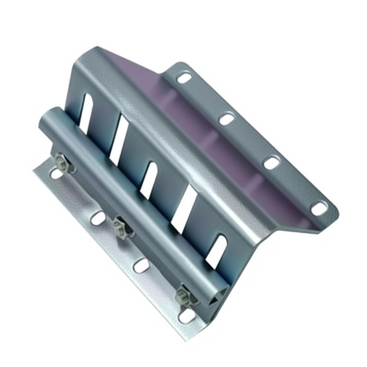
Material selection is a central factor in hinge durability. Most garage doors hinges are fabricated from cold-rolled or galvanized steel, offering a balance between tensile strength, ductility, and corrosion resistance. In high-cycle environments, such as commercial or industrial applications, the fatigue limit of the hinge material becomes a primary design constraint. Stainless steel alloys may be specified for their superior resistance to both environmental degradation and fatigue-induced cracking. Additionally, the thickness and width of the hinge leaf, as well as the diameter and hardness of the hinge pin, must be engineered to withstand the anticipated load spectrum over the service life of the door.
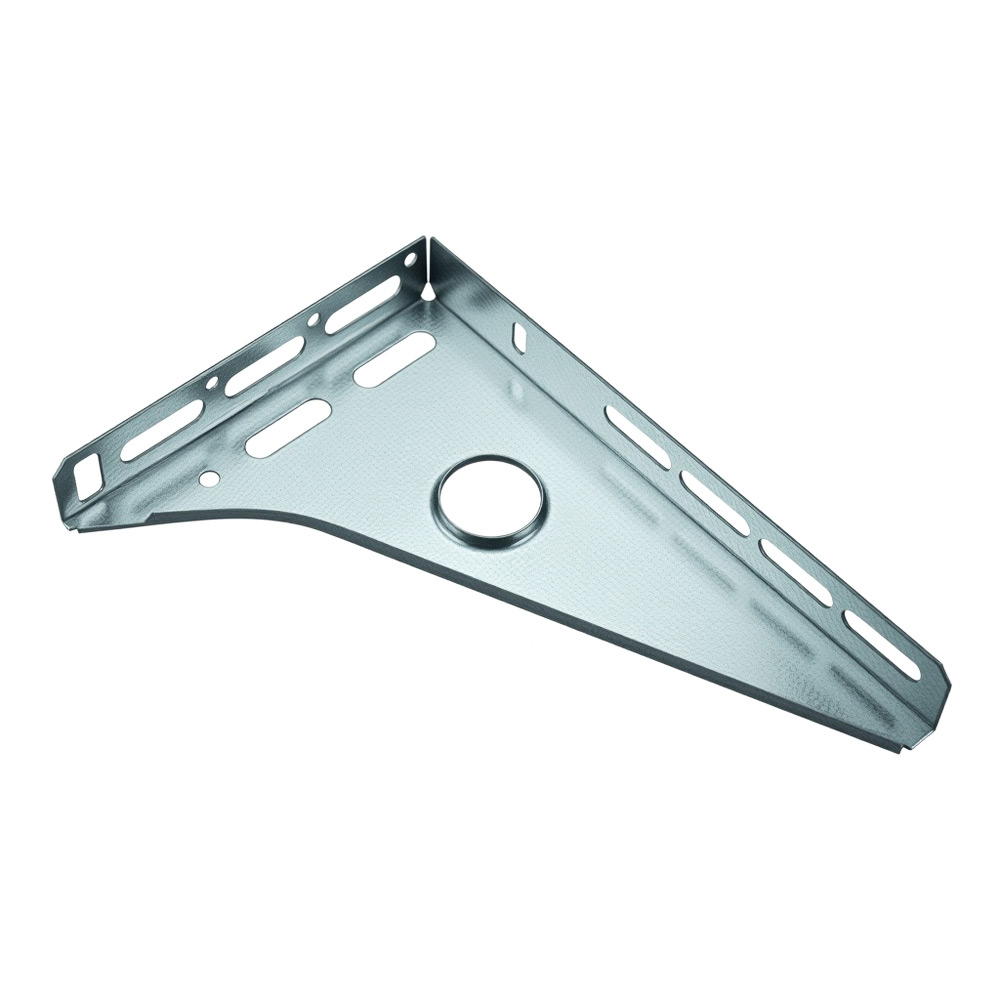
Reliability in garage doors hinges is not solely a function of base material properties, but also of manufacturing quality and assembly precision. Variations in hinge stamping, heat treatment, or pin fit can introduce stress concentrators, such as burrs or misalignments, which accelerate fatigue failure. For door system designers, specifying tight tolerances and robust quality assurance protocols is essential to ensure that each hinge performs consistently under load. Furthermore, the interface between the hinge and the door panel must be engineered to prevent fretting and to maintain alignment throughout the full range of motion.
The most common failure mode in sectional garage doors hinges is fatigue-induced cracking at the knuckle or leaf, typically initiated at points of geometric discontinuity or surface imperfection. Over time, cyclic loading propagates these cracks, eventually resulting in hinge separation and loss of sectional articulation. To mitigate this, hinge profiles are often designed with generous radii at transition points, and surface treatments such as shot peening or electroplating may be employed to enhance fatigue resistance. The use of self-lubricating bushings or bearings within the hinge assembly can further reduce frictional wear and delay the onset of fatigue.
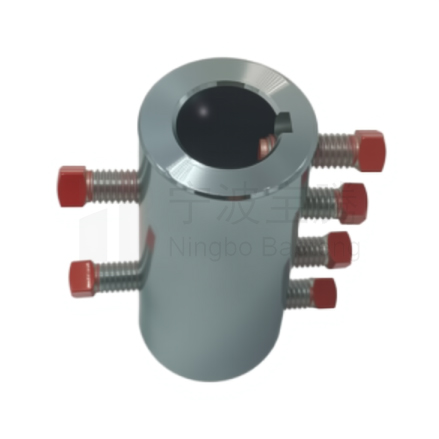
Evaluating the performance of garage doors hinges in the context of sectional articulation requires a systematic approach to stress measurement and fatigue analysis. Laboratory testing protocols typically involve cyclic loading of hinge assemblies to replicate the expected number of door cycles over the product’s lifetime. Strain gauges and displacement sensors are used to monitor deformation and to identify the onset of plasticity or crack initiation. Data from these tests inform design modifications, such as increasing hinge cross-section, optimizing pin diameter, or altering material specification to improve fatigue life.
In field applications, hinge reliability is also influenced by factors such as installation accuracy, maintenance practices, and environmental exposure. Incorrect alignment of hinges during assembly can introduce unintended torsional loads, increasing the risk of premature fatigue. Regular inspection and lubrication are necessary to maintain optimal hinge function and to detect early signs of wear or damage. For doors exposed to corrosive environments, additional protective coatings or the use of non-ferrous alloys may be warranted to preserve hinge integrity.
From an engineering standpoint, the most effective strategy for managing stress concentration and articulation fatigue in garage doors hinges is an integrated design approach. This involves simultaneous consideration of hinge geometry, material selection, manufacturing process, and installation methodology. For example, specifying a hinge with a wider leaf and a larger pin diameter can distribute bending stresses more effectively, reducing the likelihood of localized failure. Similarly, selecting materials with high fatigue strength and applying surface treatments can extend hinge service life, especially in high-cycle or harsh environmental conditions.
The articulation of sectional doors imposes unique demands on hinge components due to the combination of rotational and translational motion. As the door transitions along the curved track, each hinge must accommodate both the relative rotation of adjacent panels and the shifting load path imposed by the door’s weight and applied forces. The resulting stress distribution is non-uniform, with hinges near the middle of the door span typically experiencing the highest loads. Advanced modeling techniques, such as multi-body dynamic simulation, can be employed to predict hinge behavior under varying operational scenarios, allowing designers to optimize hinge placement and specification for maximum fatigue efficiency.
The evaluation of hinge performance must also account for the cumulative effects of minor misalignments, installation variances, and operational anomalies. Even small deviations from the intended hinge axis can introduce secondary stresses, which, when combined with the primary articulation loads, accelerate fatigue accumulation. Therefore, installation guides and quality control checklists should include detailed alignment procedures and measurement criteria to ensure that each hinge is positioned within specified tolerances.
In summary, the structural fatigue efficiency of garage doors hinges is a function of multiple interdependent variables, including material properties, geometric design, manufacturing quality, and installation accuracy. For door system designers, the core challenge lies in minimizing stress concentration at articulation points to prevent premature fatigue and ensure reliable long-term operation. This requires a rigorous engineering approach, leveraging both analytical modeling and empirical testing to validate hinge performance under realistic loading conditions.
Engineering-grade validation and best practices for garage doors hinges
To verify hinge parameters for engineering-grade safety compliance, designers should implement a comprehensive validation protocol encompassing material certification, fatigue testing, and dimensional inspection. All hinge designs intended for high-cycle sectional doors must demonstrate conformance to relevant standards for fatigue life and load capacity, as established by industry organizations. Additionally, periodic field audits should be conducted to assess hinge condition and to identify potential modes of articulation fatigue before they result in system failure. By adhering to these engineering best practices, door system designers can ensure that garage doors hinges deliver the required reliability and structural performance throughout the service life of the sectional door system.
For further technical guidance on hinge design, fatigue analysis, or quality assurance, refer to the Documentation technique or explore the Processus d'assurance qualité at Baoteng. For installation support, see the Tutoriels d'installation.
 English
  Русский
  日本語
日本語  한국어
한국어  Français
  Deutsch
  العربية
  Português
  Español