
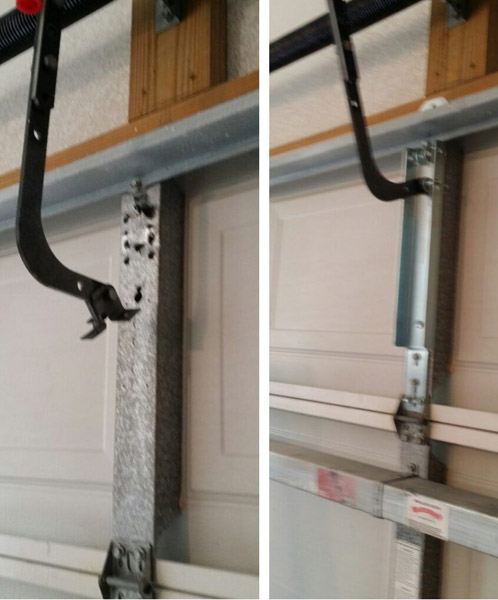
Mechanical reliability and rolling performance of top roller brackets in sliding door systems
In sliding door assemblies, top roller brackets play a crucial role in maintaining smooth, low-resistance movement and long-term system durability. Understanding how alignment deviation impacts top roller brackets is essential for engineers seeking to optimize rolling performance and ensure mechanical reliability.
Structural function and reliability of top roller brackets
In sliding door systems, the precise function of top roller brackets is fundamental to achieving consistent rolling motion and maintaining long-term mechanical reliability. For door alignment engineers, the persistent challenge is to mitigate alignment deviation, which can directly increase running resistance and compromise the smoothness and durability of the entire assembly. This technical analysis addresses the interplay between top roller bracket design, their rolling-friction behavior, and the structural factors that influence system performance. The discussion progresses from the mechanical principles underlying top roller bracket operation, through a focused evaluation of reliability under alignment deviation, to a comprehensive assessment methodology for ensuring optimal component selection and installation.
Top roller brackets serve as the primary interface between the upper section of a sliding or sectional door and its guide track. Their core function is to support vertical loads while facilitating low-resistance, controlled rolling motion along the track. The geometry of the bracket, the material selection for both the bracket and the roller, and the method of attachment to the door panel all directly affect the alignment of the roller axis relative to the track. Even minor misalignments can result in increased lateral forces, leading to non-uniform loading on the roller bearing surfaces and a corresponding rise in rolling friction.
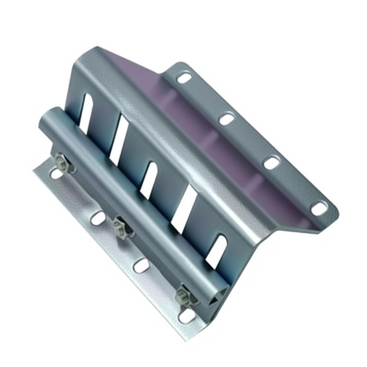
The structural requirements for top roller brackets are dictated by the anticipated loads and the need for precise alignment retention over the service life of the door system. Brackets are typically fabricated from cold-formed steel or high-strength aluminum alloys, chosen for their balance of rigidity and resistance to deformation under cyclic loading. The bracket profile is engineered to provide a stable mounting base, with reinforcement features such as gussets or flanges incorporated to minimize flexural deflection. The roller itself is mounted on a precision axle, often using sealed ball bearings to reduce friction and prevent ingress of contaminants.
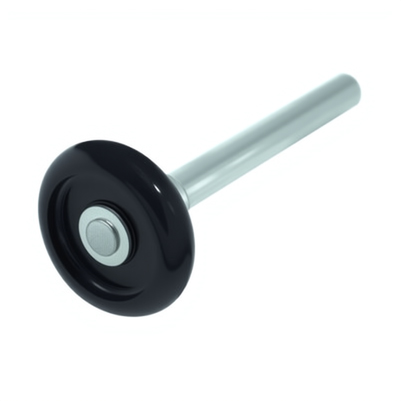
Rolling-friction behavior is a critical parameter for door alignment engineers, as it directly influences both the user experience and the mechanical wear profile of the system. When top roller brackets are installed with correct alignment, the load is distributed evenly across the bearing surfaces, minimizing resistance and ensuring smooth, predictable motion. However, any deviation in bracket position—whether due to installation error, bracket deformation, or wear in the mounting points—introduces angular misalignment. This misalignment causes the roller to contact the track at a non-optimal angle, increasing the normal force and generating additional frictional torque.
Mechanical evaluation and maintenance of top roller brackets
The reliability of top roller brackets is fundamentally linked to their ability to maintain alignment under dynamic loading conditions. During door operation, forces are transmitted through the bracket as the door is opened and closed, with additional loads introduced by wind pressure, impact, or thermal expansion. High-quality brackets are designed with sufficient stiffness to resist permanent deformation, but repeated loading cycles can still induce micro-movements at the mounting interface, particularly if the fasteners are not properly torqued or if the substrate material is prone to creep.
A key aspect of mechanical reliability is the bracket’s resistance to fatigue failure. The cyclic nature of door operation subjects the bracket and its fasteners to repeated stress reversals, which can initiate cracks at stress concentrators such as sharp corners or welds. Engineers must therefore specify brackets with generous radii at transition points, and select materials with high fatigue limits. Additionally, the use of surface treatments such as galvanization or anodizing can enhance corrosion resistance, extending the service life of both the bracket and the roller assembly.
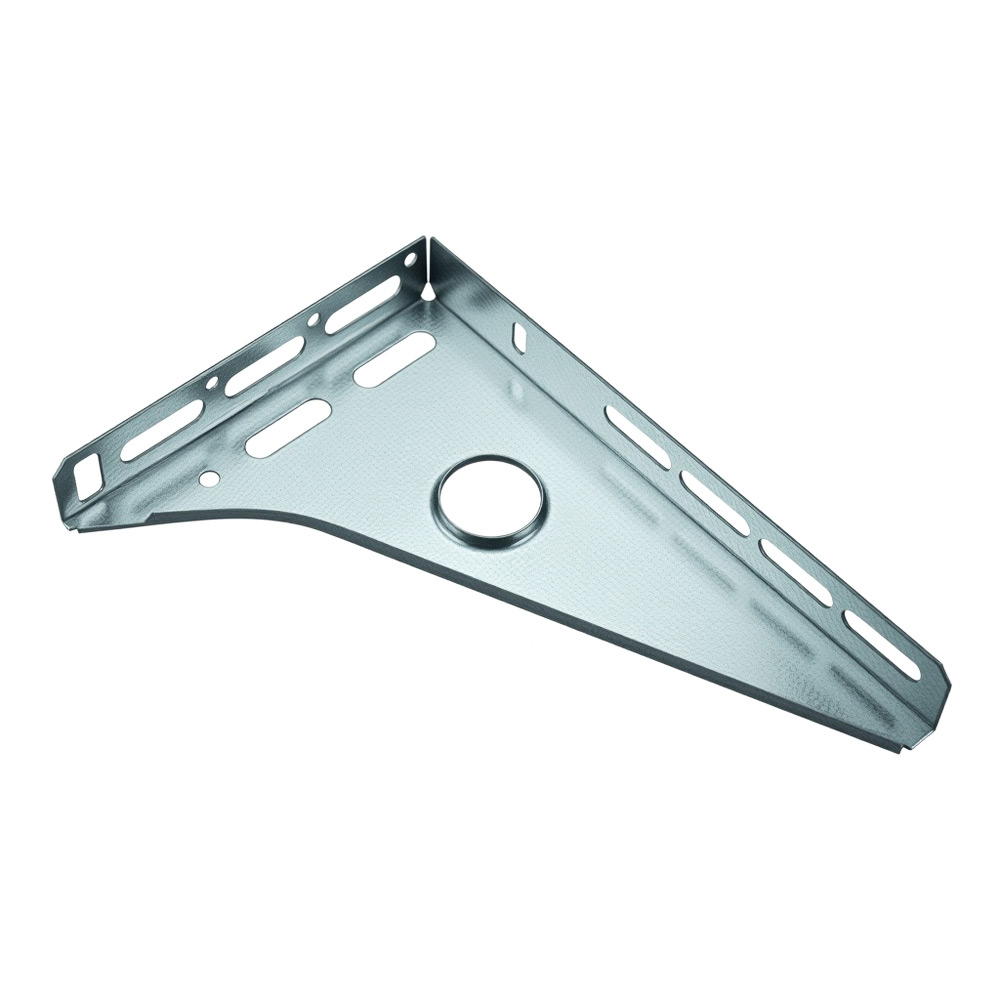
Alignment deviation remains the primary pain point for door alignment engineers, as even small errors can lead to a cascade of mechanical issues. Increased running resistance not only makes the door harder to operate, but also accelerates wear on the roller bearings and the track itself, potentially leading to premature failure. In severe cases, misaligned top roller brackets can cause the roller to climb out of the track profile, resulting in catastrophic loss of support and possible door derailment.
To evaluate the reliability of top roller brackets in practical scenarios, engineers must consider both static and dynamic factors. Static evaluation involves verifying that the bracket geometry and material selection provide adequate safety margins against yielding and buckling under maximum anticipated loads. This includes accounting for the weight of the door, any additional hardware, and environmental loads such as wind or seismic activity. Dynamic evaluation requires assessment of the bracket’s ability to maintain alignment and resist fatigue over thousands of operating cycles. This is typically achieved through accelerated life testing, where door systems are cycled repeatedly while monitoring for increases in rolling resistance, bracket deformation, or fastener loosening.
A structured approach to reliability evaluation begins with precise measurement of bracket and roller alignment during installation. Laser alignment tools or dial indicators can be used to ensure that the roller axis is parallel to the track within specified tolerances, typically less than 0.5 degrees of angular deviation. Post-installation, regular inspection is essential to detect any early signs of misalignment or wear. Engineers should record running resistance values at set intervals, using force gauges to quantify any increase that may indicate developing issues.
In addition to mechanical alignment, the selection of appropriate fasteners and mounting techniques is critical. Self-tapping screws or through-bolts must be sized to provide sufficient clamping force without overstressing the bracket material. Where possible, the use of thread-locking compounds or lock washers can help prevent loosening under vibration. For doors installed in corrosive environments, stainless steel or coated fasteners are preferred to maintain joint integrity over time.

Material compatibility between the bracket, roller, and track is another factor influencing rolling-friction behavior and reliability. Dissimilar metals can lead to galvanic corrosion, especially in humid or coastal environments, which may compromise the mounting interface and lead to misalignment. Engineers should specify compatible materials or include insulating washers to mitigate this risk.
To address the core pain point of alignment deviation and its impact on running resistance, it is advisable to implement a preventative maintenance schedule. This should include periodic re-torquing of fasteners, inspection for bracket or track deformation, and replacement of worn rollers or bearings. Data collected during maintenance can be used to refine installation procedures and component selection for future projects, contributing to continuous improvement in system reliability.
Ensuring long-term performance of top roller brackets
In summary, the mechanical reliability and structural integrity of top roller brackets are pivotal in maintaining the smooth operation and durability of sliding door systems. Alignment deviation is the primary challenge, as it directly increases rolling friction and accelerates wear on critical components. Through careful selection of bracket geometry and materials, precise installation, and ongoing evaluation of alignment and running resistance, engineers can significantly enhance the performance and longevity of door assemblies. When specifying or reviewing top roller brackets, it is essential to verify all component parameters—including material properties, bracket stiffness, fastener selection, and alignment tolerances—to ensure engineering-grade safety and reliability in demanding operational environments.
For further technical documentation and installation guidance on top roller brackets, refer to the spécifications techniques et tutoriels d'installation provided by Baoteng. For after-sales support or maintenance resources, visit the after-sales support center.
 English
  Русский
  日本語
日本語  한국어
한국어  Français
  Deutsch
  العربية
  Português
  Español