
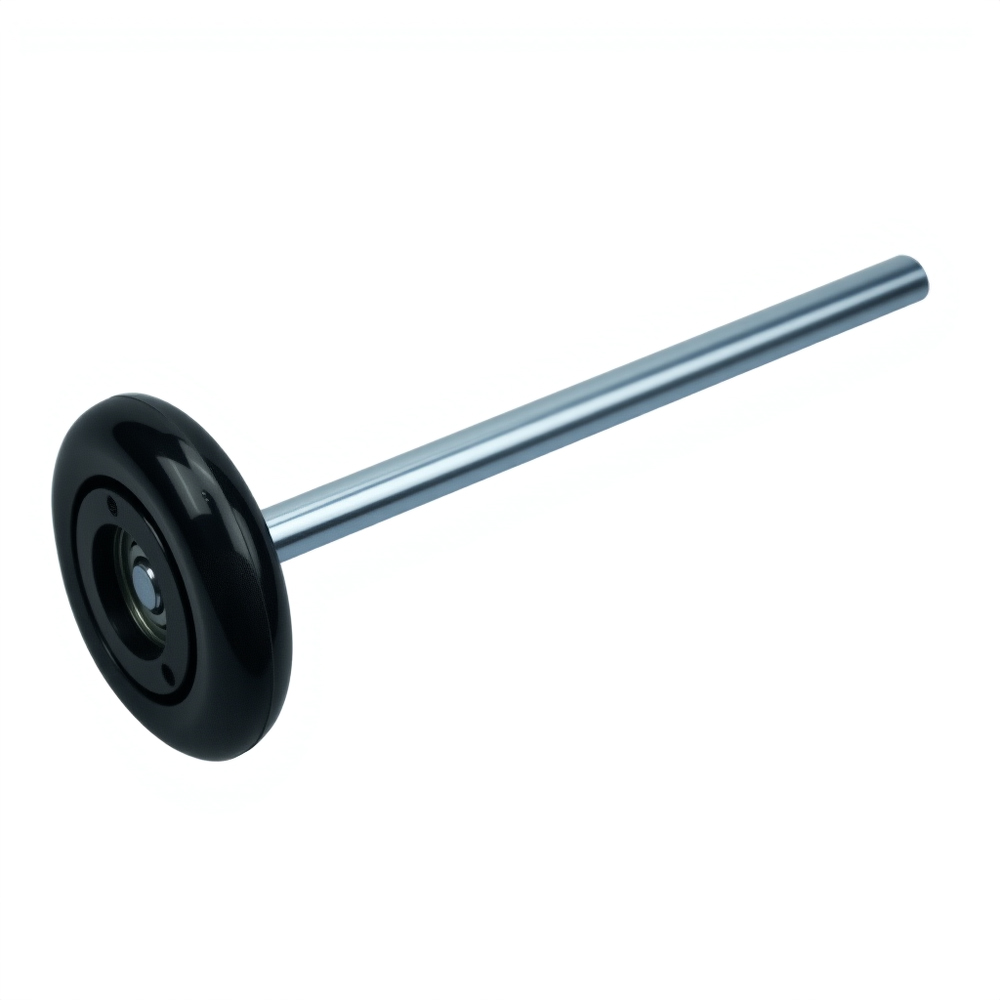
Managing Alignment Deviation in Garage Door Curved Track Systems
Ensuring optimal performance in sliding and rolling applications requires effective management of alignment deviation in garage door curved track systems. This article delves into the technical aspects of maintaining structural rigidity and alignment control, essential for installation planners and specialists.
Engineering Challenges in Garage Door Curved Track Systems
The primary engineering challenge in the installation of garage door curved tracks lies in achieving precise alignment. Deviation from the intended alignment can result in several operational issues, including increased friction, noise, and premature wear of the rollers and tracks. These problems can be exacerbated by factors such as improper installation techniques, material fatigue, and environmental influences. The structural rigidity of the components plays a significant role in maintaining alignment; thus, it is crucial to analyze the interplay between track design, material properties, and installation practices.
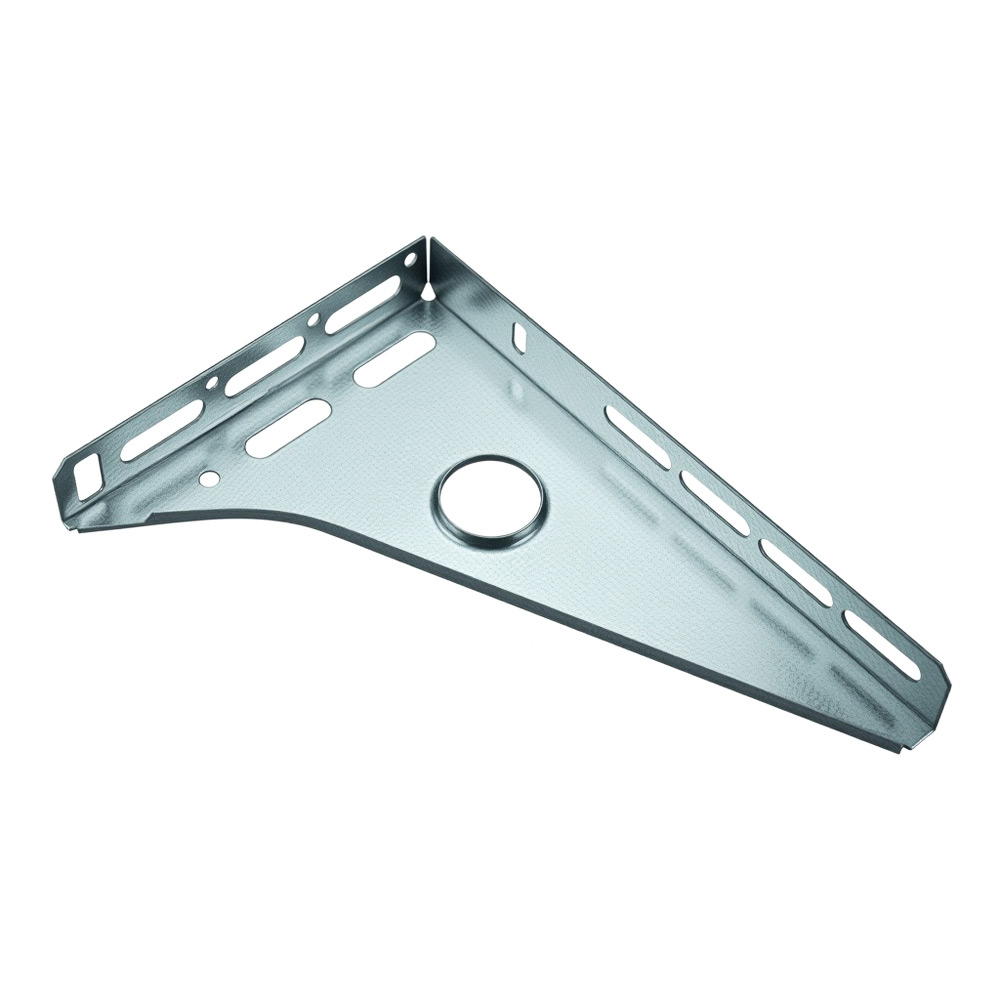
One of the core pain points faced by installation planners is the potential for alignment deviation during the installation process. This deviation can stem from various sources, including the geometry of the garage door opening, the curvature of the track, and the mounting points for the hardware. If the track is not installed with precision, it can lead to misalignment that affects the door’s operation.
Solutions for Alignment Deviation in Garage Door Curved Tracks
To address these challenges, a systematic approach to track alignment is necessary. First, it is essential to ensure that the mounting brackets are installed at the correct height and angle. Utilizing a laser level can provide a precise reference for alignment, allowing for adjustments to be made before securing the track in place. Additionally, the use of adjustable brackets can facilitate fine-tuning of the track position during installation.
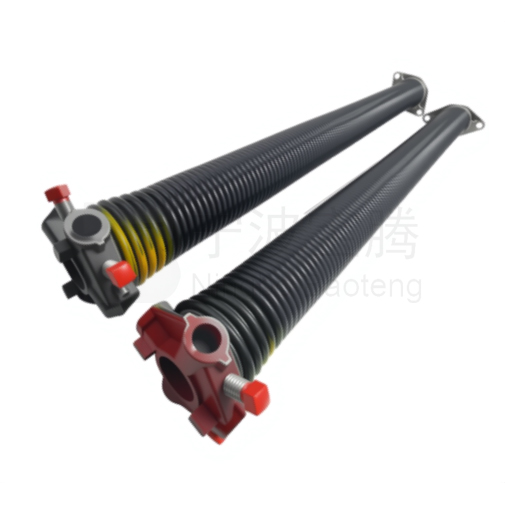
Another critical aspect of managing alignment deviation is the selection of appropriate materials for the track and associated hardware. The material properties, including tensile strength and rigidity, will impact the track’s ability to maintain its shape under load. For example, using high-strength steel for the track can enhance its durability and resistance to deformation.
Once the installation is complete, ongoing maintenance is essential to ensure that alignment is maintained over time. Regular inspections should be conducted to check for signs of wear or misalignment. This includes examining the track for any bends or deformations and ensuring that the rollers are functioning correctly.
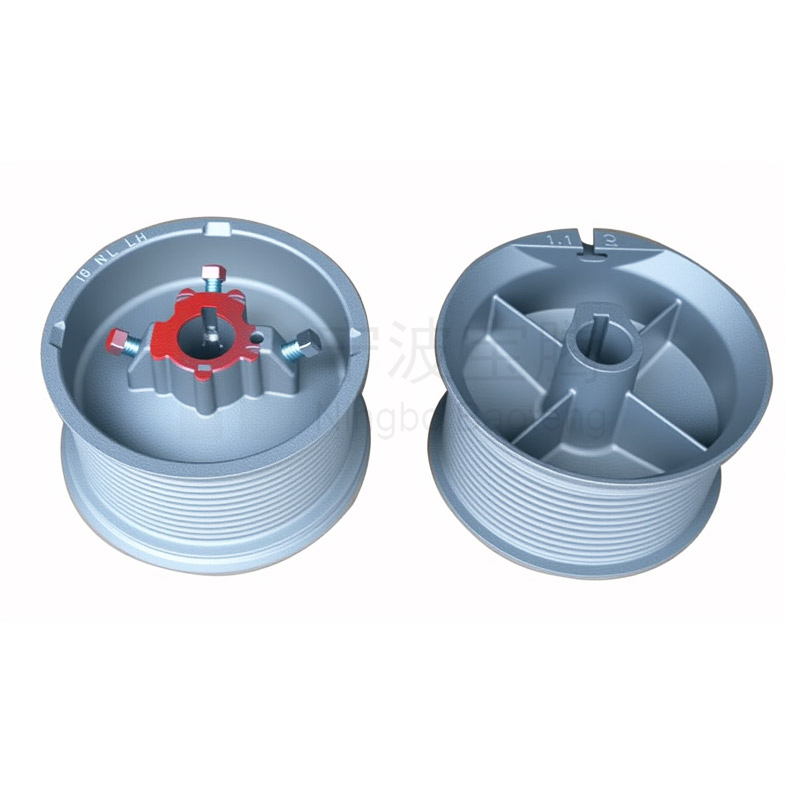
In addition to mechanical inspections, the use of alignment tools can aid in the ongoing monitoring of track performance. Laser alignment tools can provide precise measurements of track alignment, allowing for quick identification of any deviations.
Ensuring Long-Term Reliability in Garage Door Systems
The solutions to alignment deviation in garage door curved tracks involve a combination of meticulous installation practices, material selection, and ongoing maintenance. By adhering to engineering standards and utilizing advanced tools and techniques, installation planners can ensure that the systems they design and implement will operate efficiently and reliably.
For more information on garage door hardware and installation practices, visit Baoteng.
 English
  Русский
  日本語
日本語  한국어
한국어  Français
  Deutsch
  العربية
  Português
  Español