
Hollow-Shaft Load Dynamics Evaluating Torque Loss and Fatigue Resistance in Garage Door Hollow Shaft Systems
The garage door hollow shaft serves as a critical component in the operation of overhead door systems, particularly in the context of torsion spring mechanisms. This cylindrical structure is designed to transmit torque…
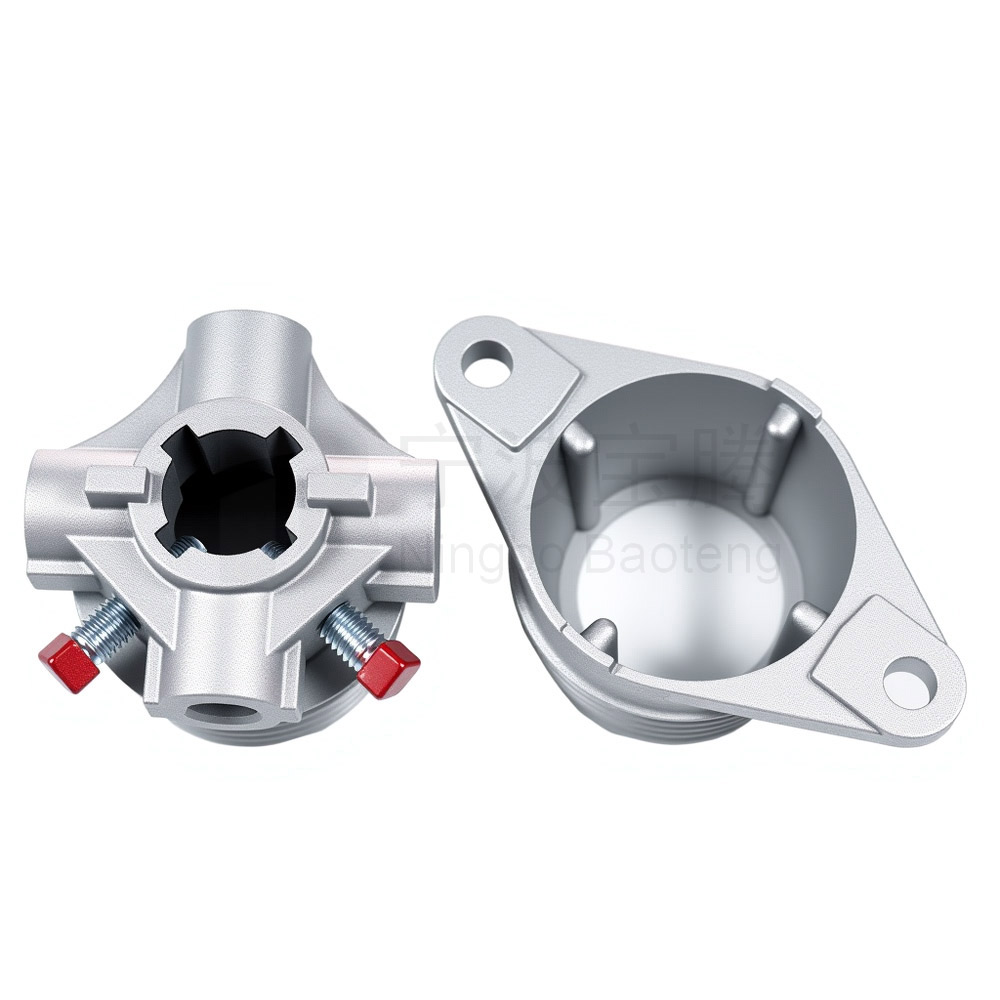
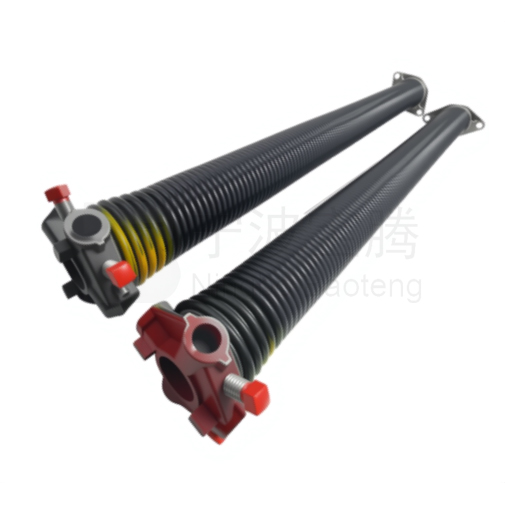
The garage door hollow shaft serves as a critical component in the operation of overhead door systems, particularly in the context of torsion spring mechanisms. This cylindrical structure is designed to transmit torque from the spring assembly to the door, facilitating smooth and efficient operation. A well-engineered hollow shaft ensures that the load is distributed evenly, minimizing stress concentrations that could lead to premature failure. The performance of the garage door hollow shaft is influenced by several factors, including material selection, geometry, and the environmental conditions in which it operates.
Understanding the mechanics of the garage door hollow shaft involves analyzing its load-bearing capabilities and the potential for fatigue over time. The hollow shaft must withstand cyclic loading as the door opens and closes, which can lead to wear and degradation if not properly designed. Failure modes such as torsional fatigue can occur when the shaft experiences excessive stress, often due to improper installation or the use of substandard materials. Evaluating these aspects is essential to ensure the longevity and reliability of the entire garage door system.
Compliance with industry test standards is vital for assessing the performance of garage door hollow shafts. These standards typically evaluate parameters such as torque transmission efficiency, load capacity, and fatigue resistance. By adhering to established testing protocols, manufacturers can guarantee that their products meet safety and performance benchmarks, thereby reducing the risk of failure in real-world applications. This is particularly important in environments where temperature fluctuations and humidity can exacerbate wear and corrosion, further impacting the shaft’s integrity.
The design and implementation of garage door hollow shafts must take into account the specific environmental types they will encounter. For instance, in coastal regions where saltwater exposure is prevalent, corrosion resistance becomes a paramount concern. Material choices, such as galvanized steel or corrosion-resistant alloys, can significantly enhance the performance and lifespan of the hollow shaft. By focusing on these engineering principles, manufacturers can develop robust systems that not only perform effectively but also withstand the rigors of their operational environments.
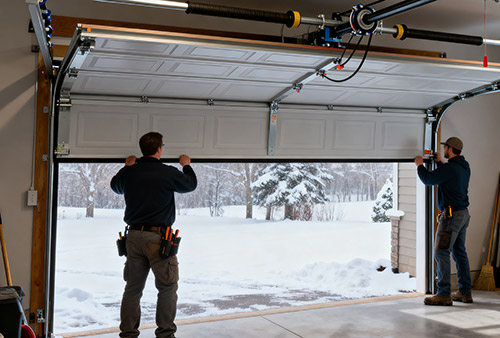
As we delve deeper into the quality assurance processes and testing methodologies for garage door hollow shafts, it becomes clear that a comprehensive understanding of these components is essential for maintaining mechanical reliability and safety in garage door systems.
Quality in the context of garage door hollow shafts is a critical factor that directly influences the performance and longevity of the entire garage door system. The structural integrity of a hollow shaft is paramount, as it must effectively transmit torque while withstanding various loads throughout its operational life. The quality of materials used in manufacturing the hollow shaft plays a significant role in determining its resistance to failure modes such as torsional fatigue. This type of failure is often exacerbated by inadequate material selection or substandard manufacturing processes, which can lead to premature wear and ultimately compromise the safety of the garage door system.
To ensure that garage door hollow shafts meet the necessary performance criteria, adherence to established test standards is essential. These standards typically encompass a range of evaluations, including torque transmission efficiency, load-bearing capacity, and fatigue resistance. By following rigorous testing protocols, manufacturers can validate the quality of their products, ensuring that they not only meet but exceed safety and performance benchmarks. This compliance is particularly vital in environments characterized by extreme temperature fluctuations or high humidity levels, which can significantly affect the mechanical properties of the shaft materials. For instance, in coastal areas where exposure to saltwater is common, the choice of corrosion-resistant materials becomes crucial in maintaining the integrity of the hollow shaft over time.
Moreover, the quality assurance processes employed during the manufacturing of garage door hollow shafts should encompass thorough inspections and testing at various stages of production. This includes evaluating the mechanical properties of the materials used, conducting load tests, and assessing the overall design for potential weaknesses. By implementing a robust quality assurance framework, manufacturers can minimize the risk of failure and enhance the reliability of their products. The emphasis on quality not only ensures that the hollow shafts perform effectively under normal operating conditions but also provides a safeguard against unexpected stresses that may arise during use.
As we transition to the next section, the focus will shift to the assurance processes that further underpin the quality of garage door hollow shafts. Understanding how these processes integrate with the principles of design and testing will provide a comprehensive view of how to achieve optimal performance and reliability in garage door systems.
The assurance of performance in garage door hollow shafts is critical to the overall reliability and safety of the door system. This assurance is achieved through a combination of rigorous testing, quality control measures, and adherence to industry standards. The mechanical integrity of a garage door hollow shaft is paramount, as it directly influences torque transmission and load-bearing capabilities. A failure mode that can occur in these systems is the premature fatigue of the shaft due to inadequate material properties or improper installation. Such failures can lead to catastrophic consequences, including the sudden collapse of the garage door, which poses significant safety risks.
To mitigate these risks, manufacturers must adhere to established test standards that evaluate the performance of garage door hollow shafts under various conditions. These standards typically involve assessing the shaft’s ability to withstand cyclic loading and its resistance to wear and fatigue. For instance, the testing protocols may include dynamic load tests that simulate real-world operating conditions, ensuring that the hollow shaft can endure the stresses imposed during normal use. Compliance with these standards not only enhances the safety of the garage door system but also instills confidence in the product’s durability and longevity.
The environmental conditions in which garage door hollow shafts operate also play a crucial role in their performance. Factors such as temperature fluctuations, humidity, and exposure to corrosive elements can significantly affect the mechanical properties of the materials used. For example, in environments with high humidity or coastal areas where saltwater exposure is prevalent, the risk of corrosion increases. Therefore, selecting appropriate materials that offer corrosion resistance is essential for ensuring the long-term integrity of the hollow shaft. This selection process is an integral part of the quality assurance framework, as it directly impacts the shaft’s ability to perform effectively over time.
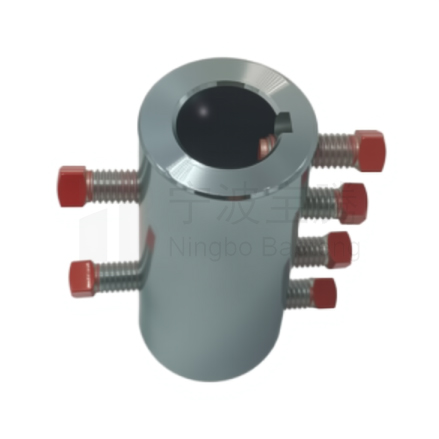
A comprehensive quality assurance process encompasses not only material selection but also continuous monitoring and inspection throughout the manufacturing process. This includes evaluating the mechanical properties of the materials, conducting load tests, and assessing the design for potential weaknesses. By implementing these measures, manufacturers can ensure that their garage door hollow shafts meet or exceed the required performance standards, thereby enhancing the reliability of the entire garage door system. As we move forward, the next section will delve deeper into the specific applications of these assurance processes, highlighting their significance in achieving optimal performance and reliability in garage door systems.
Understanding the critical role of the garage door hollow shaft in the overall system performance is essential for engineers and technicians involved in design and maintenance. The hollow shaft serves as a central component that transmits torque from the motor to the garage door, making its structural integrity vital for optimal operation. A failure mode, such as excessive wear or fatigue due to improper load distribution, can lead to catastrophic failures, resulting in safety hazards and increased repair costs.
To mitigate these risks, adherence to established test standards is crucial. These standards not only evaluate the mechanical properties of the hollow shaft but also ensure that it can withstand the environmental conditions it will face. For instance, the impact of temperature variations and humidity levels on material performance must be thoroughly assessed to guarantee that the hollow shaft maintains its functionality over time.
As we transition to the next section, it is important to consider how the quality assurance processes implemented during manufacturing can enhance the performance and longevity of the garage door hollow shaft. By focusing on rigorous testing and material selection, engineers can ensure that the hollow shaft operates efficiently under various conditions, ultimately contributing to the reliability of the entire garage door system. This understanding will pave the way for a deeper exploration of specific applications and the significance of these assurance processes in real-world scenarios.
Reviewed by: Senior Garage Door Hardware Engineer
All technical viewpoints in this article were reviewed and validated by our senior engineering team, Premium Garage Door Hardware R&D Team.
Learn more in our
aperçu de l'entreprise.
 English
  Русский
  日本語
日本語  한국어
한국어  Français
  Deutsch
  العربية
  Português
  Español