
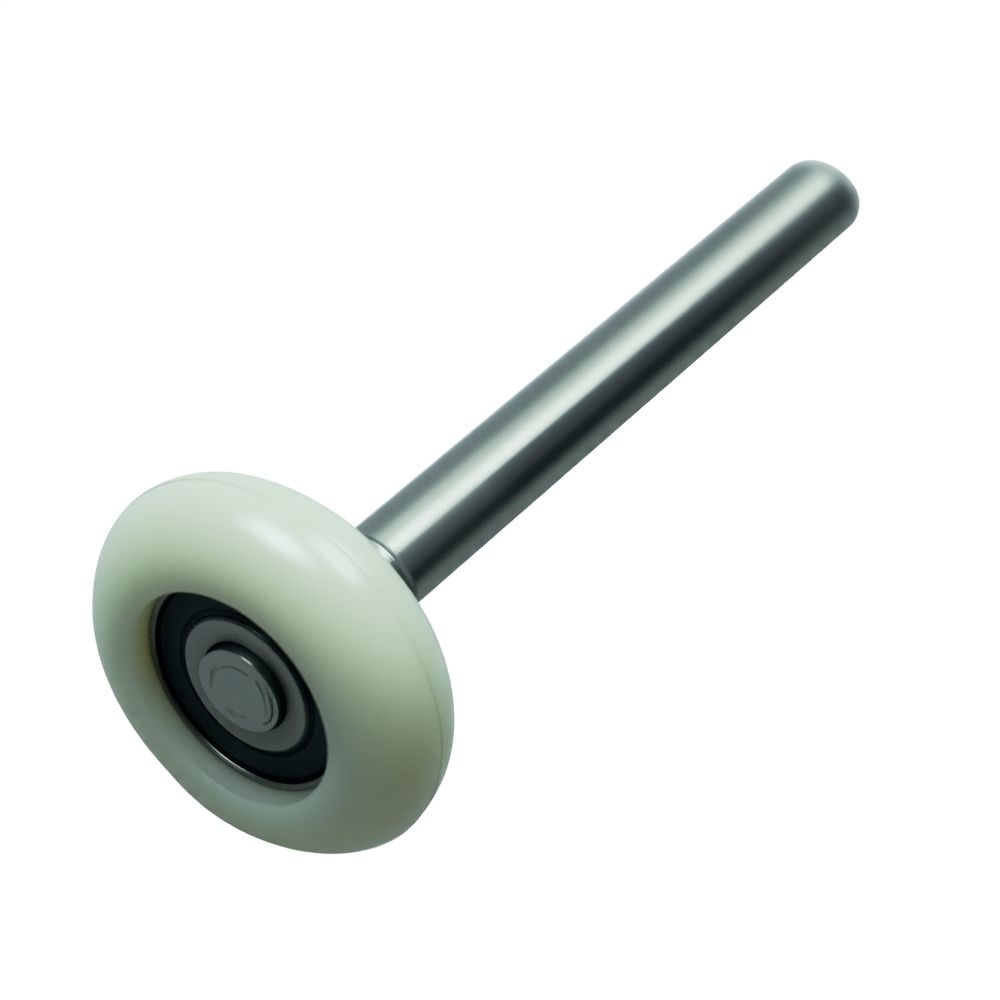
Pulley-Tension Reliability in Garage Door Pulley Systems
In modern garage door assemblies, the garage door pulley is fundamental to safe and predictable tension load management. Its engineering directly impacts structural safety and the long-term performance of the entire door system.
Understanding the mechanical reliability of a garage door pulley is essential for engineers seeking to prevent load imbalance and ensure robust structural support.
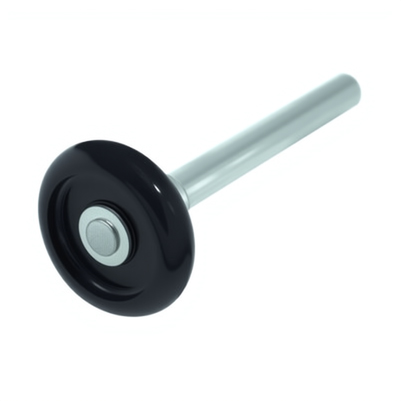
In garage door assemblies, the garage door pulley is a principal component responsible for transmitting and redirecting cable tension loads within the lifting mechanism. For structural support engineers, the mechanical reliability of this element is paramount, particularly in scenarios where tension safety and load distribution are critical to the overall integrity of the door system. The potential for load imbalance introduces significant safety risks, making a rigorous technical assessment of pulley function, material properties, and load handling essential. This report presents a structured evaluation focused on how garage door pulleys manage tension loads, the consequences of imbalance, and the engineering considerations necessary to ensure safe operation within structural support contexts.
The garage door pulley is typically integrated into the counterbalance system, which may employ torsion or extension springs. Its primary function is to facilitate smooth cable movement, redirecting the force exerted by the springs and the door’s mass. The pulley must withstand both static and dynamic loads, accommodating fluctuations as the door cycles through opening and closing phases. Standard pulleys are manufactured from stamped steel or reinforced polymer composites, with a central bore for mounting on a fixed or rotating axle. The groove geometry is engineered to retain the cable securely under variable tension, minimizing the risk of derailment or slippage.
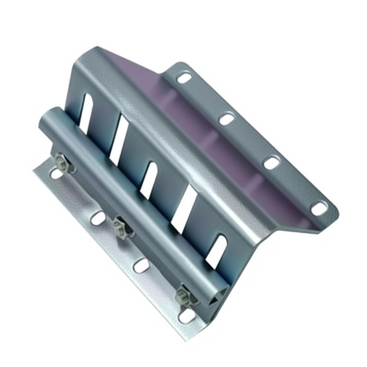
Material selection is governed by anticipated load cycles, environmental exposure, and the required safety factor. Steel pulleys are preferred in high-load scenarios due to superior tensile strength and resistance to deformation, while polymer pulleys may be specified for lighter doors or in environments where corrosion resistance is prioritized. The bearing system—either plain or ball bearing—directly affects the pulley’s ability to rotate under load, influencing both efficiency and service life. Engineers must account for bearing load ratings, lubrication requirements, and the potential for wear-induced eccentricity, which can compromise load distribution and increase the risk of cable misalignment.
The reliability of the garage door pulley is intrinsically linked to its capacity to maintain uniform tension distribution across the lifting cables. In a balanced system, each cable shares the load equally, minimizing stress concentrations on the door panels, tracks, and supporting framework. However, any deviation from this equilibrium—caused by improper cable routing, pulley misalignment, or bearing failure—can result in asymmetric loading. This not only accelerates wear on the pulley and associated hardware but also introduces the risk of structural deformation or catastrophic failure.
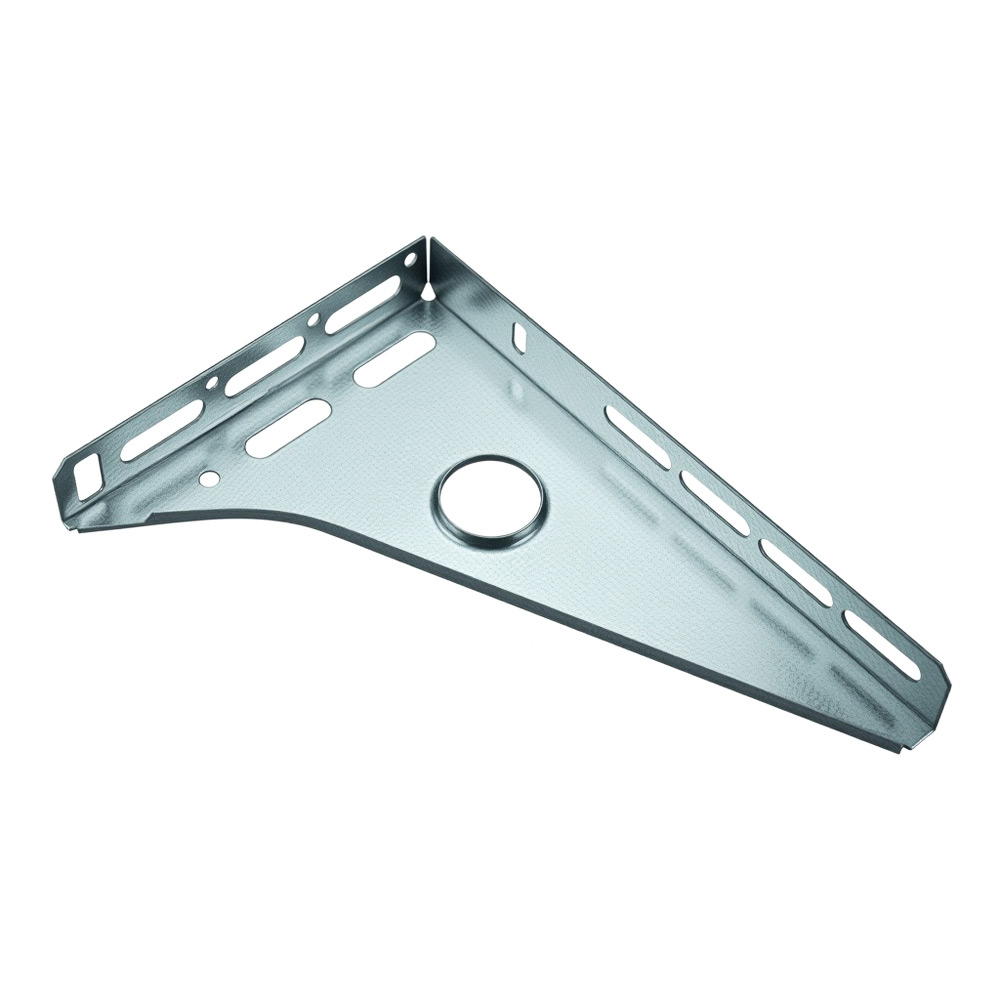
A critical aspect of reliability assessment is the analysis of load paths under both normal and faulted conditions. Engineers must evaluate the maximum expected tension in each cable, considering the door mass, spring force, and frictional losses in the track and roller system. Finite element analysis (FEA) or analytical calculations can be employed to model stress distributions within the pulley body and at the cable interface. The groove profile must be validated to prevent localized stress risers, which could precipitate fatigue cracking or cable fraying over time.
Environmental factors further influence pulley reliability. Exposure to moisture, temperature fluctuations, and airborne contaminants can degrade both metallic and polymeric materials, affecting surface finish and bearing performance. Corrosion or material embrittlement may reduce the effective cross-sectional area of load-bearing elements, increasing the probability of failure under peak tension. Engineers should specify protective coatings or select inherently resistant materials based on the operational environment, and periodic inspection protocols should be established to detect early signs of degradation.
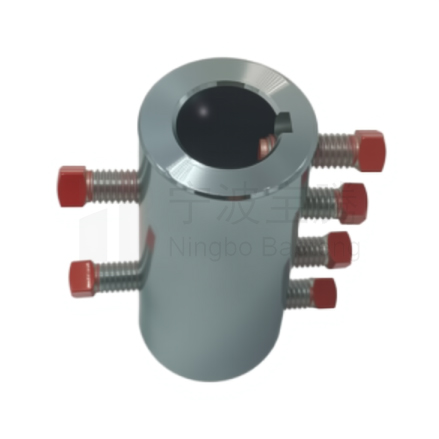
The evaluation of garage door pulley reliability must also consider dynamic effects, such as shock loading and vibration. During rapid door movement or emergency stops, transient forces can exceed nominal design loads, subjecting the pulley to elevated stress. The mounting hardware, including axles and fasteners, must be assessed for both static strength and fatigue resistance. Loosening or deformation of these elements can alter pulley alignment, further exacerbating load imbalance and increasing safety risk.
In practice, load imbalance often manifests as uneven door movement, increased operating noise, or visible cable slack. These symptoms should prompt immediate mechanical inspection, focusing on pulley condition, bearing integrity, and cable seating within the groove. Structural support engineers are advised to implement regular maintenance schedules, including lubrication of bearings, visual inspection for material degradation, and verification of cable tension using calibrated measurement tools.
From a structural safety perspective, the consequences of pulley failure can be severe. Sudden loss of tension in one cable may cause the door to drop or become jammed, imposing unexpected loads on the supporting framework and potentially resulting in damage or injury. To mitigate these risks, redundancy can be engineered into the system through the use of dual pulleys or backup cables, especially in high-cycle or commercial installations. The selection of pulleys with certified load ratings and compliance with relevant engineering standards (such as ANSI/DASMA or EN 12604) is essential for safety assurance.
Advanced monitoring solutions, such as load sensors or vibration analysis systems, can provide real-time feedback on pulley performance and cable tension. These technologies enable early detection of anomalies, allowing for predictive maintenance interventions before load imbalance escalates to a critical failure state. Integration of such systems should be considered in applications where safety margins are minimal or where the operational profile involves frequent cycling and variable loads.
In summary, the mechanical reliability of the garage door pulley is determined by a complex interplay of material properties, load distribution, bearing performance, and environmental durability. The core pain point of load imbalance and associated safety risk necessitates a comprehensive engineering approach, encompassing both design validation and ongoing operational monitoring. Structural support engineers must prioritize accurate alignment, appropriate material selection, and adherence to maintenance protocols to ensure that tension loads are distributed safely and predictably throughout the system.
For engineering safety compliance, it is imperative to verify that all pulley parameters—including material specification, bearing type, groove geometry, and load rating—are matched to the specific requirements of the door assembly and its operational environment. Detailed records of inspection, maintenance, and any component replacements should be maintained to support ongoing reliability assessments. Where uncertainty exists regarding load distribution or component suitability, further analysis using simulation or empirical testing is recommended to validate the system’s integrity under both typical and extreme loading conditions.
Ensuring garage door pulley safety and structural reliability
Through rigorous technical evaluation and adherence to engineering best practices, the risks associated with load imbalance in garage door pulley systems can be effectively managed. Structural support engineers are encouraged to continually review pulley design and installation parameters, ensuring that all aspects of tension load distribution are addressed to uphold the highest standards of mechanical reliability and structural safety.
For further technical documentation and engineering resources on garage door pulleys and related hardware, refer to the Spécifications techniques et Documentation technique provided by Baoteng.
 English
  Русский
  日本語
日本語  한국어
한국어  Français
  Deutsch
  العربية
  Português
  Español