
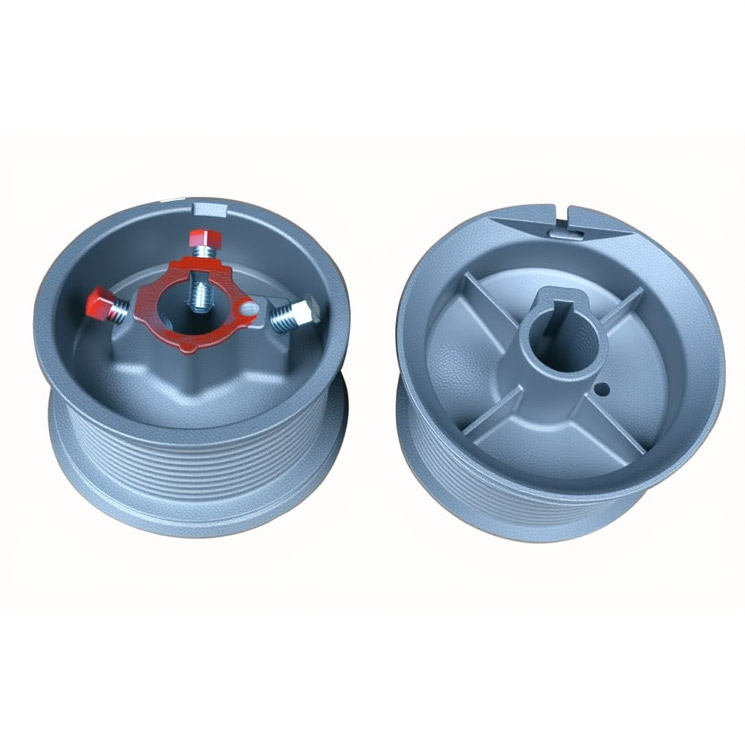
Understanding Overhead Door Cable Drums
Overhead door cable drums play a critical role in modern garage door hardware engineering, ensuring structural reliability and long-term performance under load.
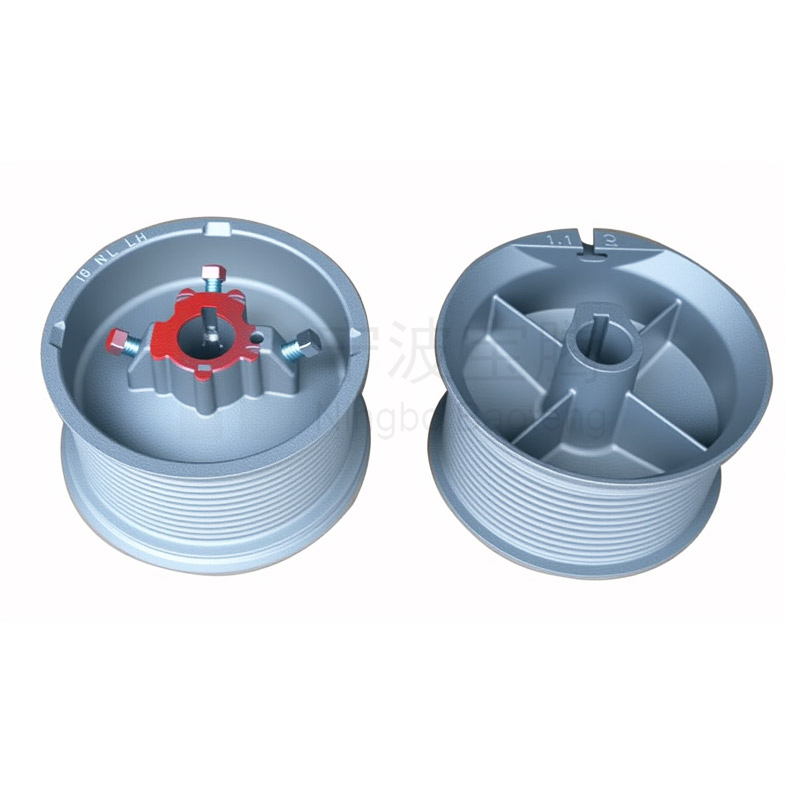
These drums manage cable tension, which directly influences load distribution and the overall integrity of the system. Proper installation and configuration of overhead door cable drums are essential to prevent issues such as cable fraying and tension loss, which can lead to operational failures.
For more detailed guidance on installation, refer to our tutoriels d'installation.
Understanding the mechanics behind these systems allows maintenance specialists to optimize performance and enhance safety, particularly in high-cycle industrial environments.
“The integrity of the garage door system relies heavily on the proper functioning of the cable drums.” – Engineering Insights
Installation Considerations for Cable Drums
The installation of overhead door cable drums requires meticulous attention to detail to ensure they function correctly under varying load conditions. Selecting the appropriate cable drum involves considering the specific requirements of the overhead door system, including door weight, size, and the type of cables used.
Misalignment can lead to uneven wear on the cables, ultimately resulting in premature failure. Engineers must evaluate load paths and ensure that the cable drums are designed to handle the expected forces without compromising safety.
Key Installation Tips
Ensure that the cable drums are securely mounted to the door track, facilitating smooth cable movement. Cables should be wound evenly around the drums, with the correct tension applied to prevent slack. Regular inspections should be conducted to monitor cable condition and maintain optimal tension.
Mechanical Principles of Cable Drums
Understanding the mechanical principles involved in the configuration of overhead door cable drums is crucial. The distribution of loads across the cable drums must be balanced to prevent excessive stress on any single component. When cables are not properly tensioned, they may experience uneven loading, which can lead to cable fraying and tension loss.
This failure mode is particularly concerning in environments with high-cycle usage, where the demands on the system are significantly increased. Engineers must evaluate the load paths and ensure that the cable drums are designed to handle the expected forces without compromising safety.
Key Considerations for Cable Drum Design
Adherence to industry test standards is paramount for ensuring the longevity and reliability of overhead door cable drums. The fatigue cycle test is a critical evaluation method used to assess the performance of cable drums under repeated loading conditions.
“By incorporating the results of fatigue cycle testing into the design and installation processes, maintenance specialists can mitigate risks associated with cable wear and tension imbalance.”
Final Analysis
The effective management of overhead door cable drums is essential for maintaining the integrity and reliability of garage door systems. The interplay between proper installation, cable configuration, and adherence to industry standards plays a crucial role in preventing common failure modes such as cable fraying and tension loss. By prioritizing these aspects, mechanical maintenance specialists can significantly enhance the performance and safety of overhead door systems, ensuring they meet the rigorous demands of high-cycle industrial environments.
Key Takeaways
- Understanding environmental conditions is crucial for selecting materials that enhance the durability of cable drums.
- Regular maintenance and inspections can prevent significant failures and extend the service life of overhead door systems.
- Proper installation and cable management are essential to ensure reliable performance and safety in industrial applications.
- By focusing on tension management and compliance with industry standards, engineers can enhance the safety and efficiency of garage door systems.
Reviewed by: Senior Garage Door Hardware Engineer
All technical viewpoints in this article were reviewed and validated by our senior engineering team, Premium Garage Door Hardware R&D Team.
Learn more in our
aperçu de l'entreprise.
 English
  Русский
  日本語
日本語  한국어
한국어  Français
  Deutsch
  العربية
  Português
  Español