
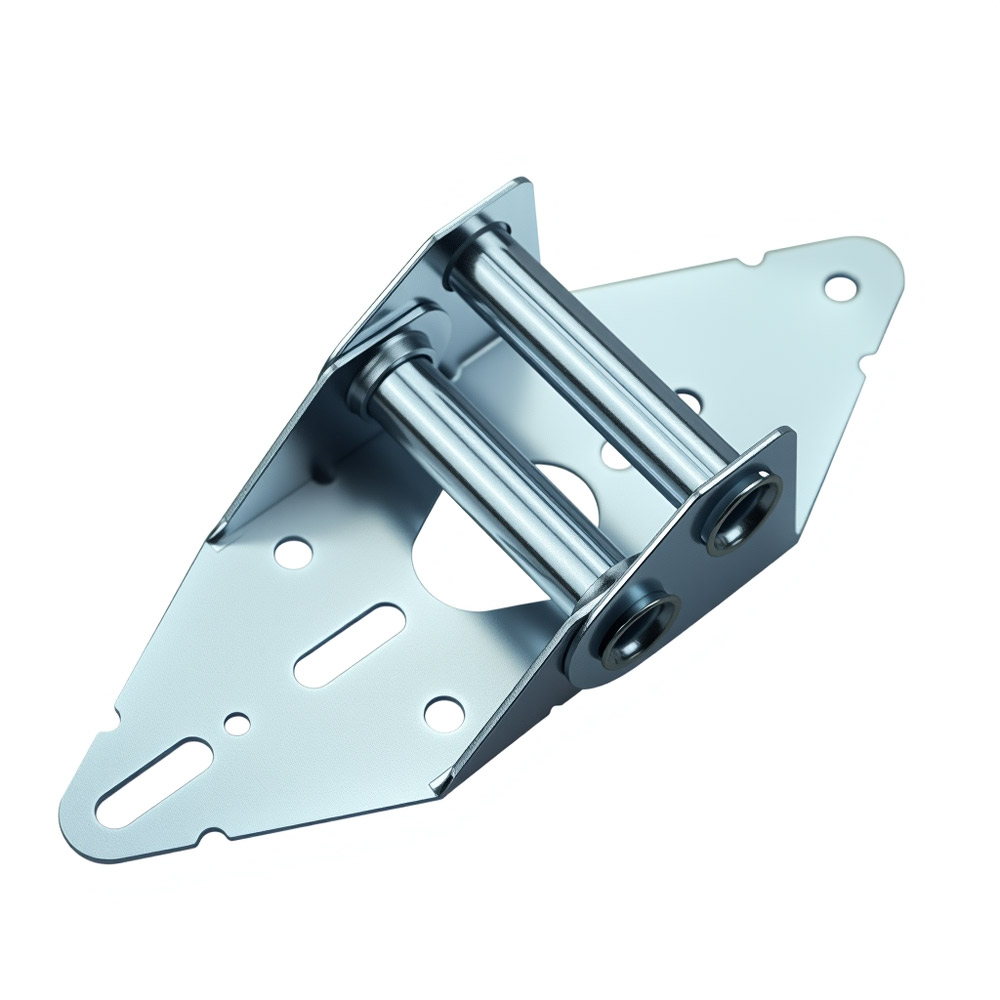
Sectional articulation and reliability of garage door hinges heavy duty
Modern garage door systems rely on robust hardware to ensure consistent performance and safety. In demanding environments, garage door hinges heavy duty are engineered to withstand repeated cycles and high loads, making them essential for long-term reliability in sectional doors.
Understanding the stress dispersion and articulation mechanisms of garage door hinges heavy duty is crucial for optimizing durability and reducing fatigue failure in advanced door assemblies.
Reliability factors in garage door hinges heavy duty
In the context of modern sectional garage doors, the mechanical performance of heavy duty hinges is a primary concern for door system designers seeking to ensure long-term functional reliability. The articulation of sectional panels places unique demands on hinge assemblies, particularly under the cyclical loads encountered during repeated opening and closing operations. These mechanical stresses, if not properly managed, can lead to localized stress concentrations and eventual fatigue failure—a core challenge in the design and specification of garage door hinges heavy duty. This article will systematically address the structural and operational requirements for such hinges, focusing on the mechanisms of stress dispersion, hinge reliability, and the evaluation criteria necessary for robust sectional articulation.
Heavy duty garage door hinges serve as the primary articulating elements between sectional panels, transmitting loads while allowing controlled movement. The design of these hinges must accommodate not only the static weight of the door but also dynamic forces generated by panel movement, wind loads, and incidental impacts. A typical sectional garage door may utilize multiple hinge types, each assigned to specific panel locations according to the required articulation angle and load path. The heavy duty variants are generally employed at high-stress points—such as the bottom and intermediate sections—where bending moments and shear forces are greatest.
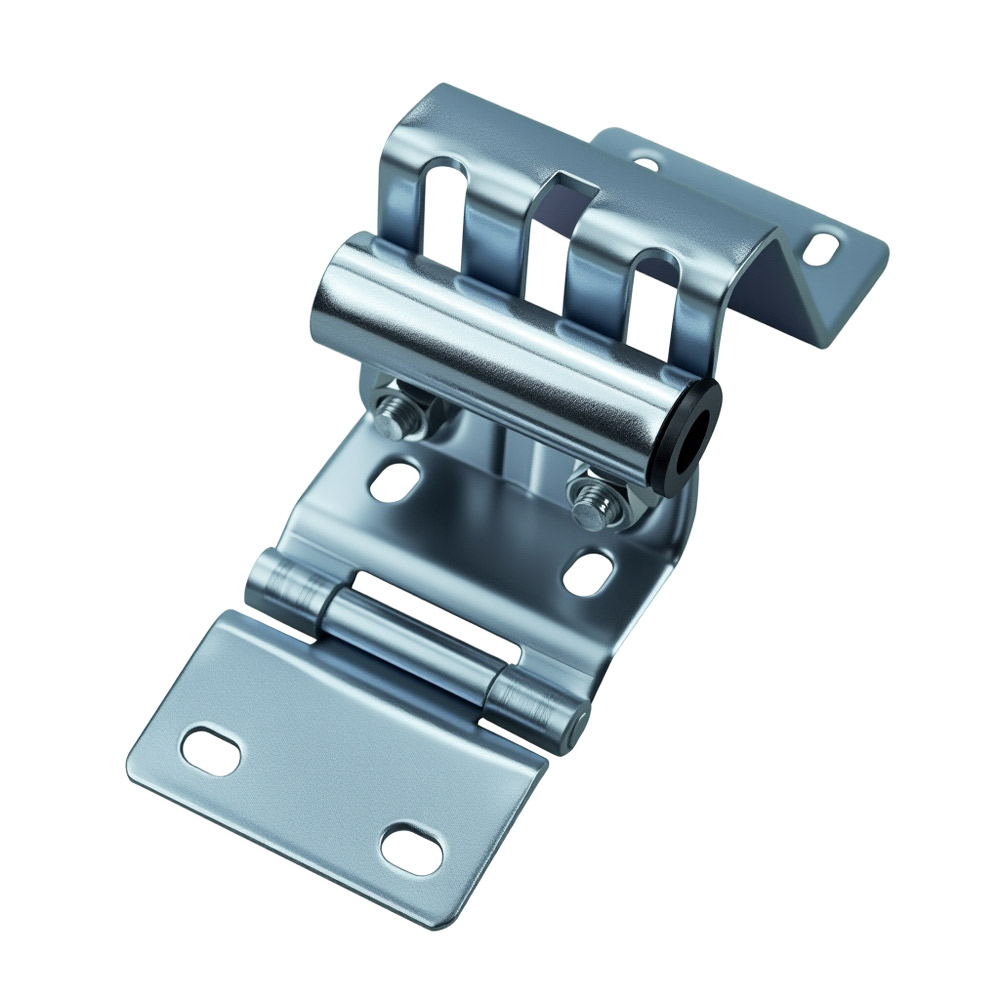
This schematic illustrates the articulation points and stress dispersion in a sectional garage door equipped with heavy duty hinges.
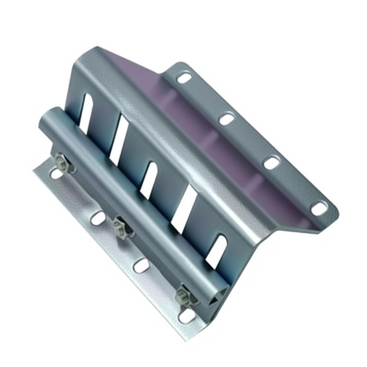
The structural configuration of heavy duty garage door hinges is characterized by increased material thickness, reinforced knuckles, and extended leaf geometries. These features are engineered to distribute stresses over a larger area, thereby reducing the risk of localized yielding or crack initiation. Material selection is critical; high-strength, cold-rolled steel is commonly specified, often with zinc or powder-coated finishes to enhance corrosion resistance. In some advanced applications, stainless steel or composite-reinforced alloys may be employed to further improve fatigue life, especially in environments subject to high humidity or corrosive agents.
Evaluation and stress analysis of garage door hinges heavy duty
A key consideration in hinge design is the articulation angle required by the sectional panels. As the door transitions from the closed to the open position, each hinge must permit relative rotation without binding or excessive play. The knuckle diameter, pin fit, and lubrication regime all contribute to minimizing friction and wear at these pivot points. For heavy duty applications, pins are often case-hardened and fitted with bushings to extend service life. The hinge geometry must also ensure that the load path remains as close as possible to the panel centroid, minimizing eccentric loading and associated bending stresses.
Reliability in heavy duty garage door hinges is fundamentally linked to the management of stress concentrations that arise during sectional articulation. The cyclic nature of door operation imposes alternating tensile, compressive, and shear loads on the hinge assembly. Over time, these repeated loadings can initiate microcracks at geometric discontinuities, such as the knuckle-to-leaf transition or mounting holes. Finite element analysis (FEA) is frequently employed by door system designers to identify these high-stress regions and optimize hinge geometry accordingly. Smooth radii, fillet welds, and generous bearing surfaces are incorporated to reduce peak stress values and enhance fatigue resistance.
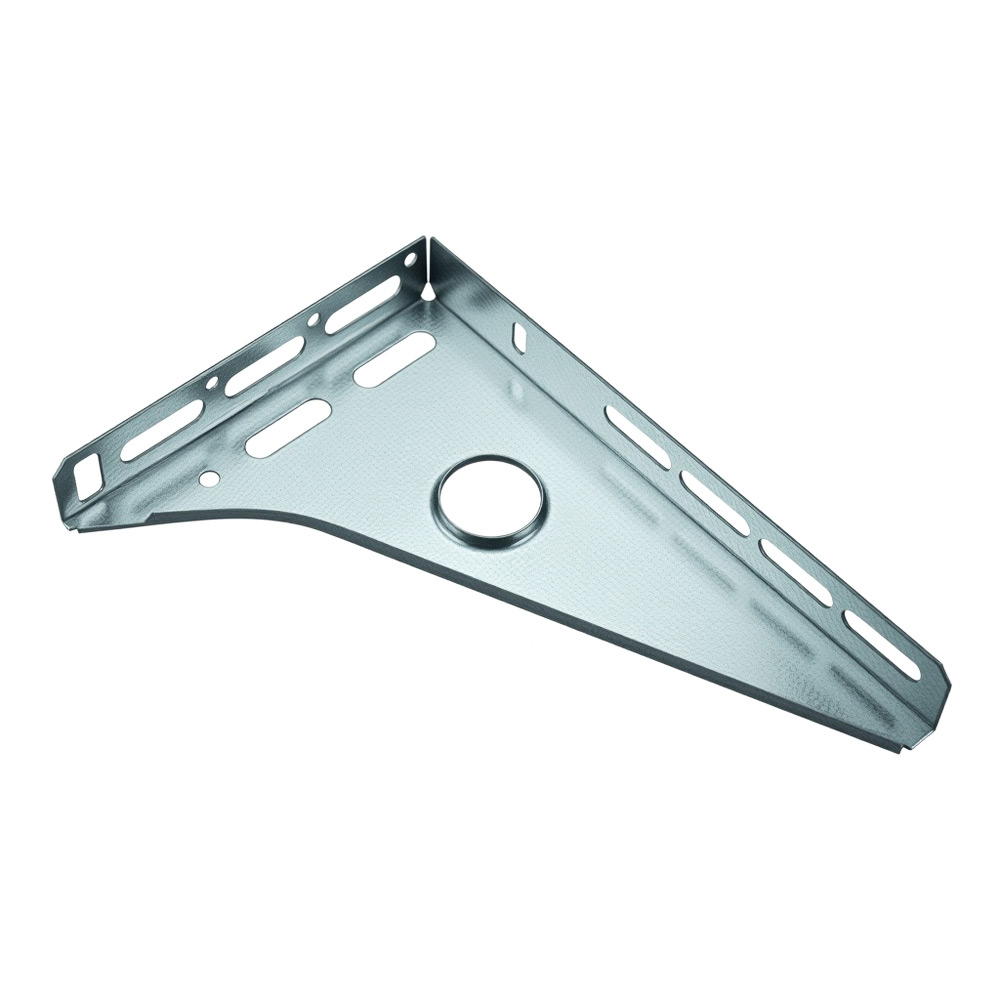
The mounting interface between hinge and door panel is another critical factor in reliability. Fastener selection, hole pattern, and torque specifications must be engineered to prevent loosening or pull-out under load. For heavy duty hinges, through-bolting with locking hardware is preferred over self-tapping screws, particularly at high-cycle installations. The interface must also accommodate minor misalignments without inducing secondary stresses that could compromise hinge integrity.
Environmental factors further influence hinge reliability. Exposure to moisture, temperature fluctuations, and airborne contaminants can accelerate corrosion and degrade lubricants, increasing friction and wear. Heavy duty hinges are therefore specified with robust surface treatments and, where feasible, sealed or serviceable pin assemblies. Periodic inspection and maintenance protocols are recommended, including lubrication and fastener torque checks, to ensure continued performance over the service life of the door system.
Evaluation of heavy duty garage door hinges for sectional articulation requires a comprehensive approach that integrates structural analysis, materials engineering, and operational testing. Laboratory fatigue testing is conducted to simulate the full range of service loads, with cycles often exceeding 20,000 open-close operations. Hinges are monitored for signs of deformation, crack initiation, and pin or bushing wear. Results are correlated with FEA predictions to validate design assumptions and refine component geometry.
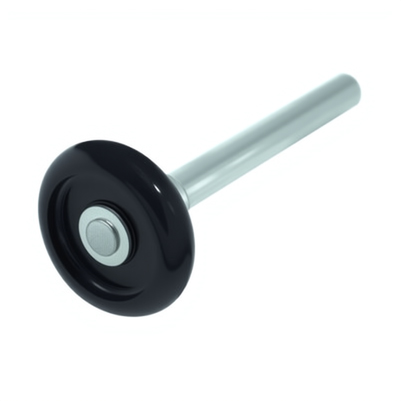
In addition to laboratory testing, in-situ monitoring of installed hinges provides valuable data on real-world performance. Strain gauges and displacement sensors can be used to measure hinge deflection and load transfer during operation. This empirical data informs ongoing design improvements, particularly in addressing the core pain point of stress concentration and fatigue failure. For door system designers, access to such performance metrics enables informed specification of hinge types and materials based on actual articulation demands.
A key performance indicator for heavy duty hinges is their ability to maintain articulation smoothness and load-bearing capacity throughout their service life. Excessive play, binding, or visible deformation are indicators of impending failure and must be addressed through design modification or material upgrade. Door system designers should specify hinges with a safety factor appropriate to the anticipated load spectrum, accounting for both static and dynamic effects. For critical applications, redundancy in hinge placement or the use of oversized hardware may be warranted to further reduce the risk of catastrophic failure.
The evaluation process must also consider the interaction between hinge and adjacent door components. Misalignment between panels, track irregularities, or improper roller engagement can introduce unintended loads that exacerbate stress concentrations at the hinge interface. System-level analysis, incorporating the full articulation path and all interacting elements, is essential to ensure reliable operation under all expected service conditions.
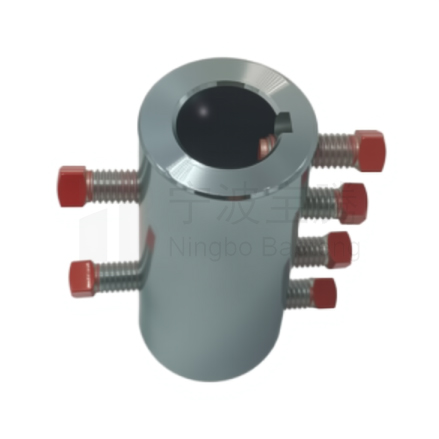
For door system designers, the verification of hinge parameters is a critical step in ensuring system integrity. This includes confirming material certifications, dimensional tolerances, and assembly procedures. Engineering-grade safety checks—such as proof load testing, non-destructive examination (NDE) for weld integrity, and hardness verification—should be incorporated into the quality assurance process. Where possible, hinge performance should be validated under simulated worst-case scenarios, including overload, misalignment, and environmental exposure.
Ensuring long-term performance of garage door hinges heavy duty
In summary, the engineering of garage door hinges heavy duty for sectional articulation demands a rigorous approach grounded in structural stress analysis and durability assessment. By addressing the core pain point of stress concentration and fatigue failure through optimized geometry, material selection, and robust testing protocols, door system designers can achieve reliable, long-lasting articulation in even the most demanding applications. The integration of empirical performance data with advanced simulation tools enables continuous improvement and informed specification, ensuring that heavy duty hinges meet the evolving requirements of modern sectional door systems.
Prior to finalizing hinge selection and installation, it is essential for engineers to verify all hinge parameters using engineering-grade safety checks. This includes reviewing FEA results, confirming laboratory and field test data, and ensuring that all assembly and maintenance protocols are clearly documented. Only through such a comprehensive, technically rigorous process can the long-term reliability and performance of garage door hinges heavy duty be assured in sectional articulation scenarios.
For further technical documentation and quality assurance resources, refer to the Baoteng technical documentation et le processus d'assurance qualité for garage door hardware.
 English
  Русский
  日本語
日本語  한국어
한국어  Français
  Deutsch
  العربية
  Português
  Español