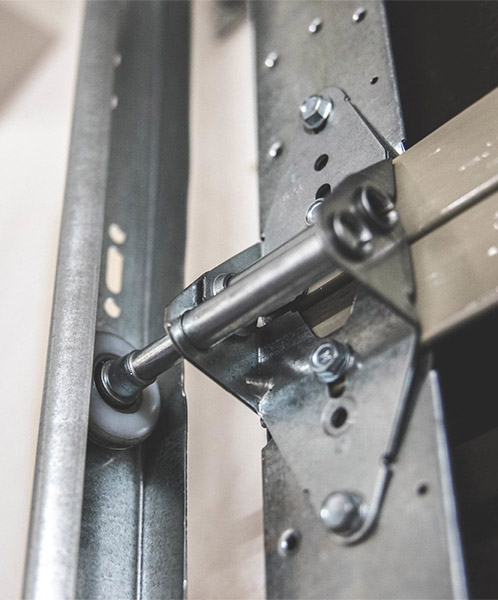
What precision track rollers should mean in procurement terms for runout, bearing play, and noise control

Why “precision track rollers” often mean different things at purchase—and how to define them clearly Procurement-ready meaning of precision track rollers comes down to whether measurable runout, concentricity, bearing clearance, sealing, and corrosion resistance are clearly defined for dusty and humid garage environments. Without those definitions, buyers frequently encounter squeal, drag, or early seizure that only become visible after installation and repeated door cycles. A garage door roller operates under combined radial load, side load, and environmental exposure, making dimensional accuracy and bearing integrity critical. Why procurement teams struggle with the term “precision” In supplier quotations and catalogs, “precision track rollers” is often presented as a qualitative promise rather than … 続きを読む

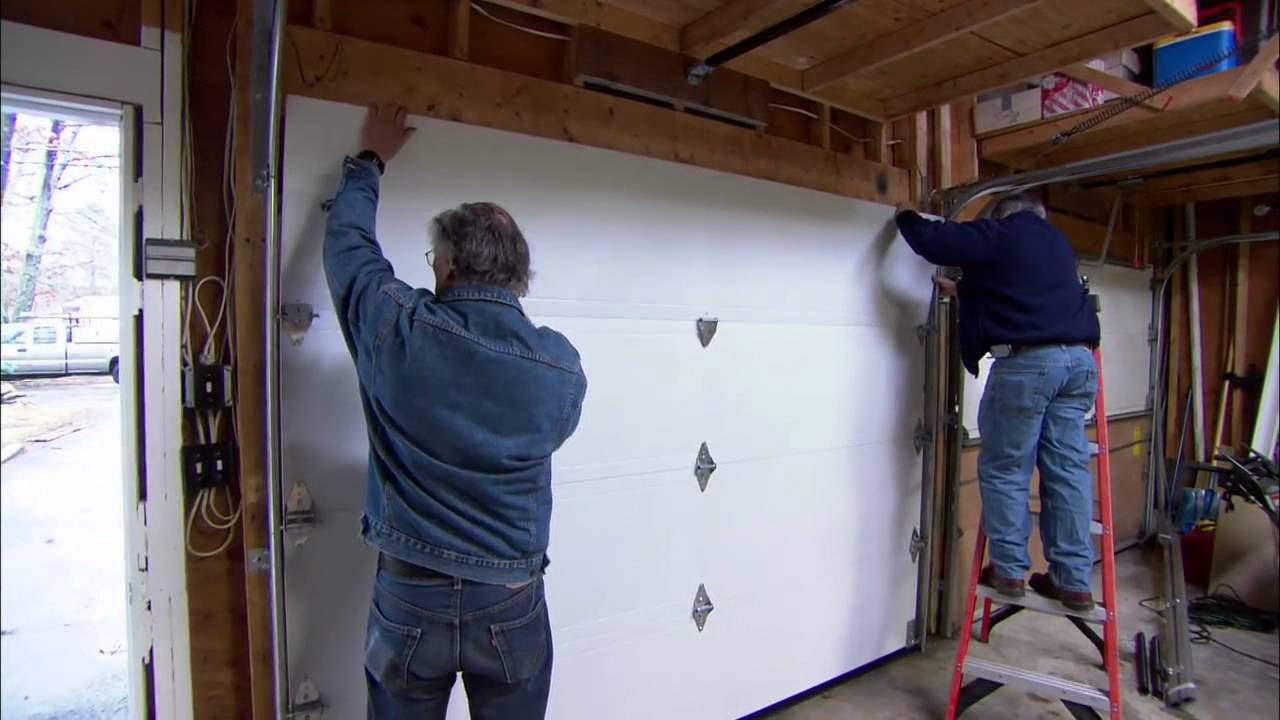
Garage door roller SKU standardization: how to choose quiet upgrade SKUs for distributors

How distributors can standardize quiet upgrade SKUs for garage door rollers without increasing inventory risk Noise complaints after a roller replacement rarely come from a single defective part. In residential and light commercial garage environments where dust, humidity changes, and long maintenance cycles are common, sound issues usually trace back to how bearing sealing, wheel material, and stem fitment interact over time. For distributors responsible for stocking replacement parts, the challenge is deciding how to structure a quiet upgrade program that actually reduces callbacks instead of multiplying SKUs. Why quiet upgrades often fail after a roller swap When installers replace worn rollers, the expectation is straightforward: smoother travel and less … 続きを読む

Why wheel diameter variation across batches causes garage door roller binding, and how to catch it

Why mixed-batch roller wheels bind: understanding diameter variation and practical checks Wheel diameter variation across batches can quietly reduce track clearance and introduce side-load, which is why mixed-batch garage door rollers often start to bind or sound rough after partial replacement. In day-to-day service, installers notice the symptom before the cause: a door that ran smoothly yesterday begins to hesitate or scrape once a few new rollers are installed alongside older ones. What binding looks like in real garage installations In residential and light-commercial garages where dust and grit are common and lubrication is minimal, binding rarely shows up as a sudden failure. Instead, the door feels heavier, travel becomes … 続きを読む

How to prevent binding and wobble: custom garage door roller stem and wheel dimensional inspection checklist

Third-party audit of Baoteng garage door hardware for ISO and ANSI compliance

What to check before installation to avoid binding and wobble in custom garage door roller stems and wheels Out-of-spec stems or wheels often look acceptable at a glance, yet they are the root cause behind noise, hard rolling, and early bearing seizure discovered only after a garage door is already in service. For buyers and QC teams handling incoming inspection, a clear dimensional inspection plan for custom garage door roller stem and wheel assemblies helps surface misfit risks early, before they translate into callbacks or track damage. Why dimensional inspection matters for garage door rollers in real installations In residential and light-commercial garage doors, rollers operate through thousands of open–close … 続きを読む

How to choose garage door roller private label OEM prep checklist for quiet, consistent production runs?

Third-party audit of Baoteng garage door hardware for ISO and ANSI compliance

How OEM buyers prepare private label garage door rollers for quiet, reliable production Private label OEM buyers use a garage door roller private label OEM prep checklist to lock critical specifications, verify rolling smoothness and cycle durability, and align packaging with traceability requirements. When these preparation steps are skipped, noise complaints, seized bearings, and early wear tend to surface only after products are already in the field, where fixes are costly and slow. Why private label preparation matters before garage door roller production For brands and distributors sourcing garage door hardware under their own label, rollers are often underestimated. They appear simple, yet they operate at high frequency in an … 続きを読む

Why MOQ and packaging per SKU for garage door rollers drives catalog and inventory mismatch, and how to prevent it

Why catalog rollouts break when MOQ and SKU-level packaging are misaligned for garage door rollers Catalog rollouts often stall when carton quantities, inner packs, and minimum order quantities fail to match real installation pull, leaving distributors with excess inventory on one side and sudden stock-outs on the other. In warehouse storage and regional distribution environments with repeated handling, these mismatches quietly expose garage door rollers to handling stress that can compromise bearing cleanliness long before the product reaches an installer. What distributors actually see when MOQ and packaging logic drift apart For a B2B distributor product manager maintaining dozens of roller SKUs, the first symptom rarely appears as an obvious … 続きを読む

Replacement rollers vs OEM rollers specifications: which dimensions and bearing details must match?

宝登ガレージドア金物認証申請プロセス

Which specifications must match when comparing replacement rollers with OEM rollers for garage doors? Replacement rollers vs OEM rollers specifications often come down to a small set of dimensions and bearing details that decide whether a garage door runs quietly or develops binding, noise, and track wear over time. For maintenance technicians and buyers working on existing garage doors, the question is not whether replacement rollers are available, but which specifications truly have to match to keep performance predictable without modifying tracks or hinges. Why replacement and OEM rollers are not automatically interchangeable In garage door maintenance, rollers appear deceptively simple. A wheel, a stem, and a bearing seem interchangeable … 続きを読む

How to choose stainless steel nylon pulley rollers for smooth sliding doors with less binding and noise?

ガレージ・ドア・ローラー-アプリケーション

How to select stainless steel nylon pulley rollers that stay smooth and quiet in humid sliding door tracks Selecting stainless steel nylon pulley rollers for humid, dusty sliding-door tracks often comes down to whether groove-to-track fit, wheel/axle tolerance, and bearing sealing are aligned with real operating conditions. When those details are missed, installers and buyers quickly encounter sticking, squeal, or uneven rolling long before the door itself shows wear. Where stainless steel nylon pulley rollers are actually used In garages and semi-outdoor sliding door installations, rollers are exposed to moisture, airborne dust, and frequent open–close cycles. These environments are not extreme, but they are persistent. Over time, small misalignments or … 続きを読む

Why colored nylon garage door rollers cause installation errors when color is mistaken for size

baoteng-セクション-ガレージ-ドア-ハードウェア-品質管理-プロセス

Why color-based identification of nylon garage door rollers leads to sizing mistakes Colored nylon garage door rollers often cause tracking noise or binding when color is treated as a size indicator rather than a warehouse label. In mixed inventory environments, visual color cues are useful for sorting, but relying on them alone ignores the dimensional and bearing parameters that actually determine whether a roller will run smoothly in a residential or light-commercial garage. Why colored nylon garage door rollers exist in the first place In most garage door hardware catalogs, color on nylon rollers is not introduced to signal load rating or performance level. Instead, it functions as a practical … 続きを読む

Why garage door roller installation factors shortening roller life show up: misalignment, side-load wear, and buyer warnings

Case-Study-Extending-Garage-Door-Lifespan-through-Material-Choices

Why installation details shorten the service life of garage door rollers in real garages In dusty residential garages with frequent temperature swings and occasional moisture, many buyers notice that garage door rollers begin to make noise, bind, or wear out far earlier than expected. The underlying reason is rarely the roller material alone; it is usually a set of installation factors that quietly introduce side-load, contamination, and uneven bearing stress long before visible damage appears. What failure symptoms usually trigger this question? The most common complaints reported by distributors and installers are squeaking during travel, uneven rolling, sudden resistance at certain door positions, and visible flat spots or cracking on … 続きを読む