
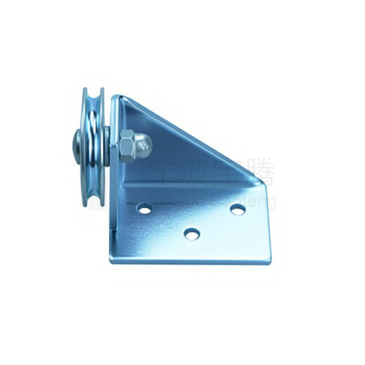
Engineering reliability of garage door bearing bracket in sliding and rolling systems
For precision door alignment, the garage door bearing bracket is indispensable in supporting the torsion shaft and maintaining alignment under demanding load conditions. This article examines how the garage door bearing bracket ensures structural integrity and optimal load distribution, directly addressing alignment deviation and operational resistance in sliding and rolling garage door assemblies.
Reliability factors of garage door bearing bracket
In precision door alignment engineering, the garage door bearing bracket is a critical structural component that directly influences the operational stability and service life of sliding and rolling door assemblies. Its primary function is to support the torsion shaft and maintain consistent alignment under dynamic and static loads, ensuring smooth motion and minimizing resistance during operation. For engineers focused on door alignment, a comprehensive understanding of bearing bracket reliability is essential, particularly when addressing challenges such as alignment deviation and increased operational resistance. This analysis explores the bearing bracket’s role in load distribution, structural integrity, and its impact on the overall performance of garage door systems. The following sections provide a detailed engineering perspective, focusing on the underlying mechanics and evaluation criteria relevant to sliding and rolling door applications.
The garage door bearing bracket operates as a load-transferring interface between the rotating shaft and the stationary mounting structure. Its geometry and material selection are fundamental to maintaining shaft alignment, especially during repetitive opening and closing cycles. In sliding and rolling systems, the bracket must counteract not only vertical loads but also lateral forces induced by misalignment, thermal expansion, and installation variances. These factors can introduce operational resistance, leading to premature wear or system failure if not properly managed. The technical evaluation of bearing bracket reliability, therefore, centers on its ability to preserve alignment and distribute loads efficiently, directly addressing the core pain point of alignment deviation in high-cycle environments.
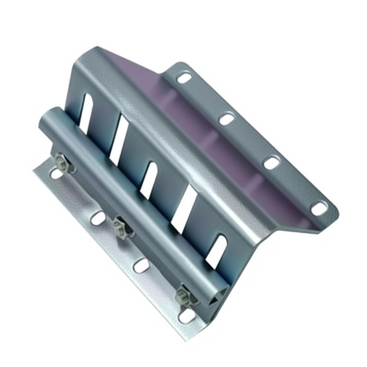
Material selection for garage door bearing brackets typically involves cold-rolled steel or galvanized steel, with thicknesses ranging from 2.0 mm to 3.5 mm depending on load requirements. The bracket must exhibit high yield strength to resist deformation under torsional and bending loads, while also providing sufficient ductility to absorb shock loads without fracturing. In applications exposed to corrosive environments, additional surface treatments such as zinc plating or powder coating are implemented to enhance durability. The interface between the bracket and the mounting surface is another critical aspect; insufficient fastener torque or improper bracket orientation can introduce micro-movements, leading to progressive misalignment and increased operational resistance.
Precision in manufacturing tolerances is vital for the bearing seat, which must securely house the ball bearing or bushing without excessive clearance. Any deviation in concentricity or parallelism can result in shaft wobble, amplifying alignment deviation and causing uneven load distribution across the door panels. For sliding and rolling systems, the bracket’s mounting holes must align precisely with the door frame or wall structure to prevent skewing of the shaft axis. Engineers often specify slotted mounting holes to allow for minor adjustments during installation, but these must be engineered to prevent slippage under load.
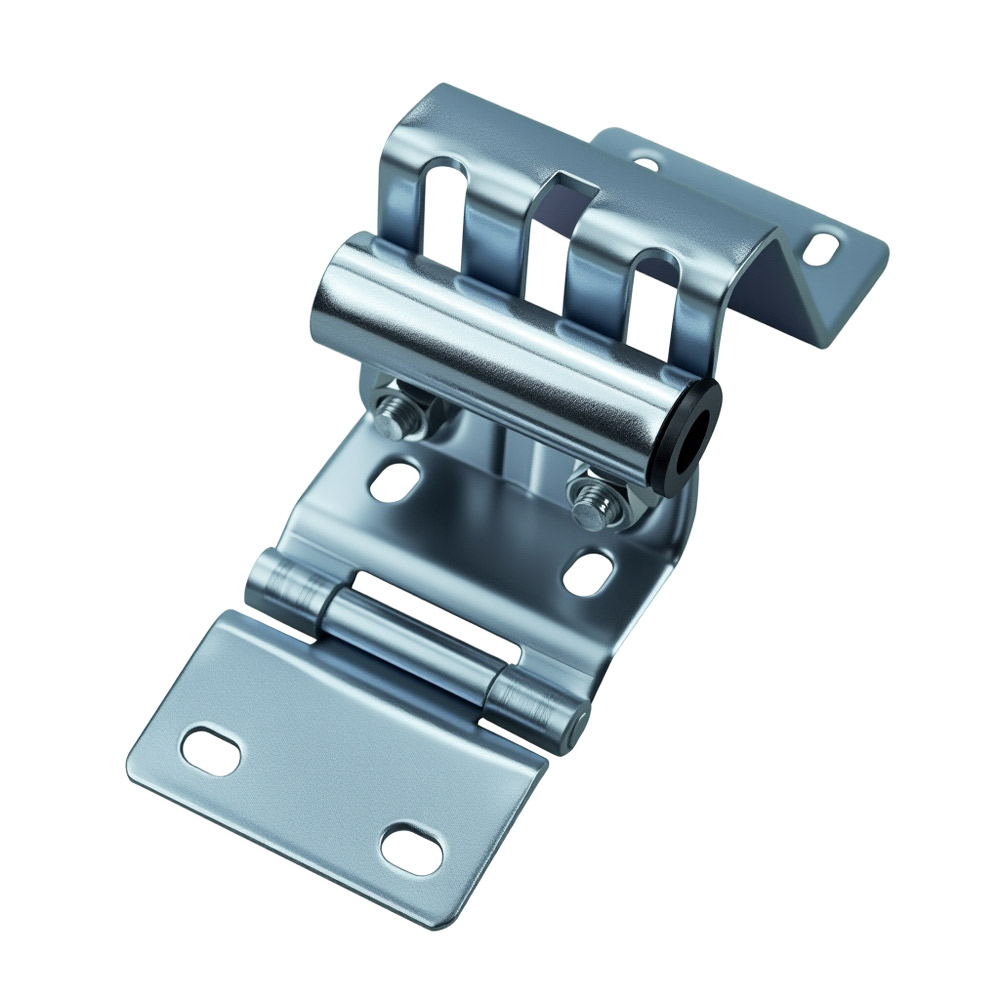
Evaluation and technical testing of garage door bearing bracket
The reliability of a garage door bearing bracket is determined by its capacity to maintain structural integrity throughout the service life of the door system. This involves resistance to fatigue, creep, and stress concentration, especially at the transition zones between the bracket body and the bearing seat. Finite element analysis (FEA) is commonly employed during the design phase to identify potential failure points and optimize material distribution. The bracket must also accommodate dynamic loads generated by door acceleration, deceleration, and impact events, which can induce localized stress spikes.
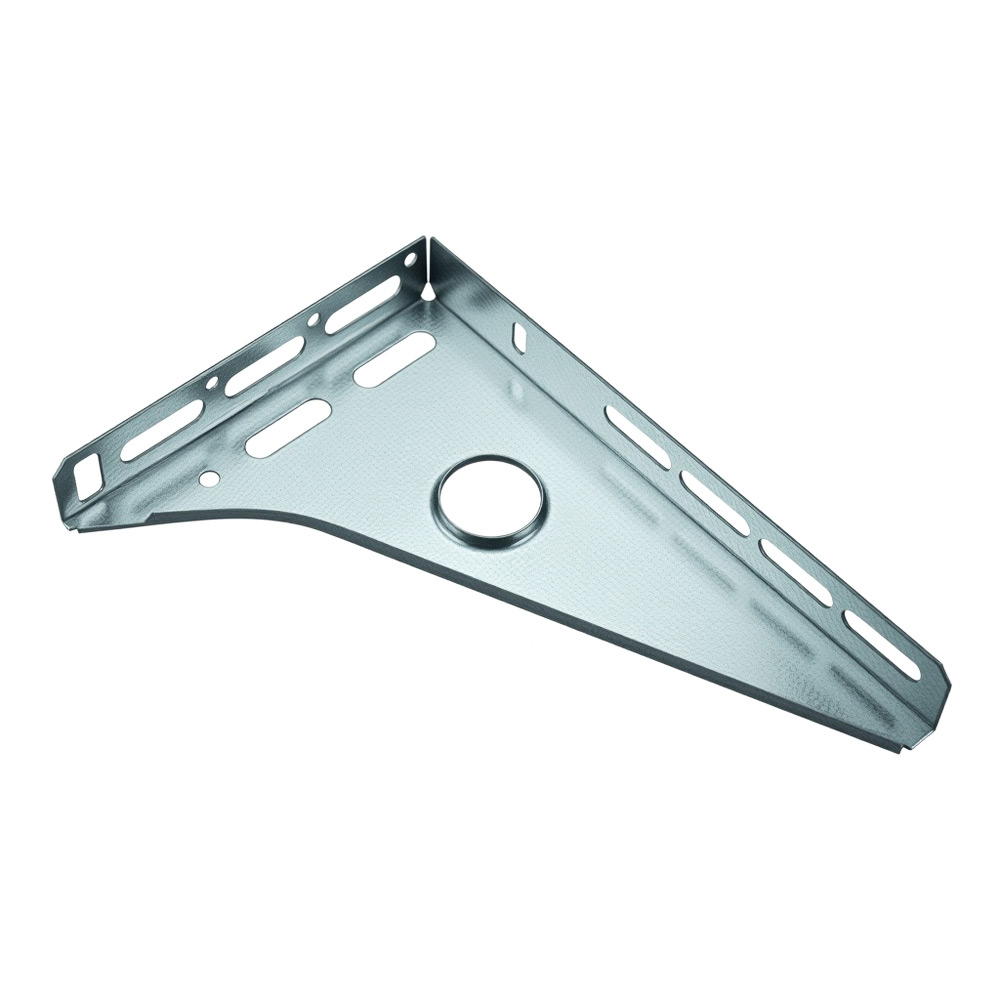
In high-cycle applications, such as commercial or industrial doors, the bearing bracket is subjected to tens of thousands of open-close cycles annually. Engineers must consider the cumulative effects of microplastic deformation, which can gradually alter the bracket geometry and compromise alignment. The use of reinforcing ribs or gussets is a common design strategy to increase stiffness and reduce deflection under load. Additionally, the interface between the bearing and the bracket must minimize friction and wear, often achieved through the use of precision-machined seats and high-quality bearings.
TECHNICAL TEST SUMMARY:
Garage Door Bearing Bracket Fatigue Life Assessment (Test ID: GDBB-2024-07)
Test Protocol: Cyclic loading at 70% of rated capacity, 50,000 cycles
Result: No visible deformation or loss of alignment; bearing seat maintained concentricity within 0.02 mm tolerance
Conclusion: Bracket design meets industrial fatigue life standards for high-cycle door applications
The evaluation of bearing bracket reliability must also account for real-world installation variables. Misalignment during installation, improper fastener selection, or inadequate torque application can all contribute to the core pain point of alignment deviation. Field inspections frequently reveal cases where bracket deformation or fastener loosening has led to increased operational resistance, manifesting as abnormal noise, vibration, or uneven door movement. To mitigate these risks, engineers should specify brackets with integrated alignment features, such as locating tabs or dowel holes, and establish clear installation torque specifications.
Load distribution is another critical factor, especially in wide-span or multi-panel doors. The bearing bracket must evenly transfer loads from the shaft to the supporting structure, preventing localized overstressing that can lead to bracket or frame failure. In some designs, load-spreading plates or backer reinforcements are used to increase the effective mounting area and reduce bearing stresses. The bracket’s geometry should facilitate direct load paths, minimizing eccentric loading and associated bending moments.
Operational resistance is often exacerbated by inadequate lubrication of the bearing or by contamination ingress at the bracket-bearing interface. Engineers should specify sealed bearings and, where feasible, incorporate protective shrouds or covers into the bracket design. Periodic maintenance protocols, including inspection of fastener tightness and bearing condition, are essential to sustaining long-term reliability. In environments subject to vibration or temperature fluctuations, the use of thread-locking compounds and expansion-tolerant mounting solutions can further enhance bracket stability.
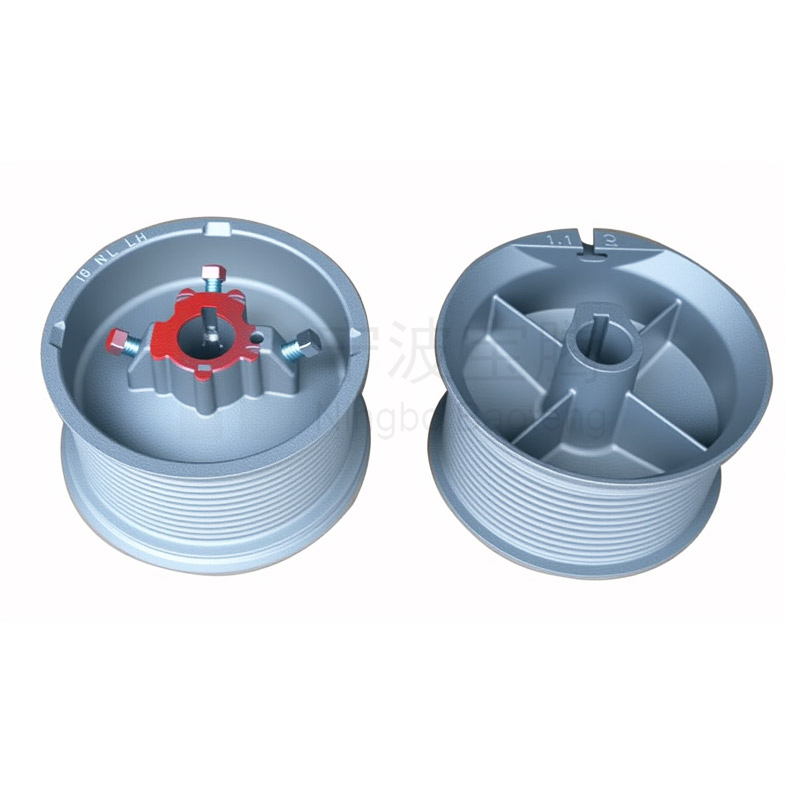
When evaluating garage door bearing bracket performance, it is necessary to reference established engineering standards. For example, ANSI/DASMA 102 provides guidelines for sectional garage door components, including load and cycle life requirements for supporting hardware. Compliance with such standards ensures that the bracket design meets industry benchmarks for safety and durability. Engineers should consult the official ANSI/DASMA documentation (ANSI/DASMA 102) for detailed requirements and testing procedures.
From a structural integrity and load distribution perspective, the following engineering checklist supports reliable bracket selection and installation:
- Confirm bracket material yield strength and surface treatment suitability for the operating environment.
- Verify bearing seat concentricity and parallelism to minimize shaft misalignment.
- Ensure mounting hole alignment and fastener torque specifications are met during installation.
- Incorporate reinforcing features such as ribs or gussets for high-cycle or high-load applications.
- Specify sealed bearings and protective features to prevent contamination and reduce maintenance frequency.
- Reference applicable standards (e.g., ANSI/DASMA 102) for design and performance validation.
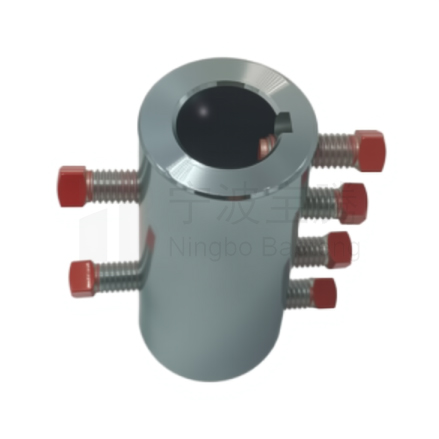
To achieve engineering-grade safety assurance, it is critical to verify all bearing bracket parameters prior to installation and during scheduled maintenance intervals. This includes dimensional checks, fastener inspection, and assessment of bearing condition. Any evidence of bracket deformation, fastener loosening, or increased operational resistance should prompt immediate corrective action to prevent further alignment deviation or system failure. In high-performance or mission-critical installations, periodic non-destructive testing (NDT) methods such as dye penetrant inspection or ultrasonic thickness measurement may be warranted to detect early-stage fatigue or material loss.
In summary, the garage door bearing bracket is a foundational element in sliding and rolling door systems, directly influencing alignment precision, operational smoothness, and long-term durability. By applying rigorous engineering evaluation methods and adhering to industry standards, door alignment engineers can effectively address the persistent challenges of alignment deviation and operational resistance. Continuous improvement in bracket design, material selection, and installation practices remains essential for advancing the reliability and performance of modern garage door assemblies.
ENGINEERING ACTION ITEM:
Verify bearing bracket parameters and installation torque for each project phase to ensure alignment integrity and minimize operational resistance. Document all inspection results and reference ANSI/DASMA 102 compliance for technical validation.
Optimizing garage door bearing bracket reliability for long-term performance
For further technical resources on garage door bearing bracket engineering, including installation tutorials, technical documentation, and quality assurance processes, please visit our 技術文書 そして 品質保証プロセス pages. For comprehensive company information, see our 会社概要.
By adhering to best practices in bracket selection, installation, and maintenance, engineers and installers can ensure that garage door bearing brackets deliver the alignment precision and load distribution required for reliable, long-lasting operation in both residential and commercial settings.
 English
  Русский
  日本語
日本語  한국어
한국어  Français
  Deutsch
  العربية
  Português
  Español