
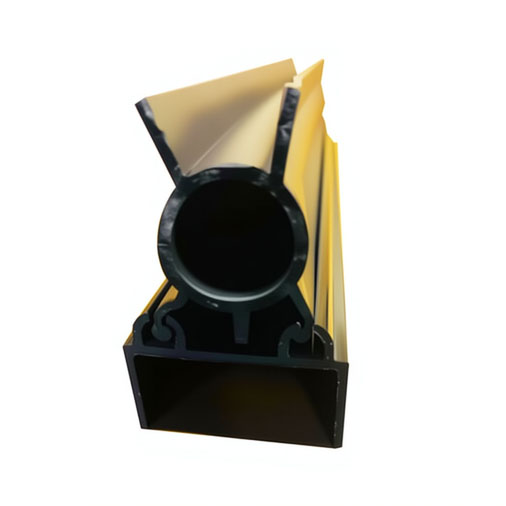
Seal Integrity Challenges in Garage Door Bottom Seals Evaluated for Weatherproofing and Material Performance
This technical review examines garage door bottom seals focusing on seal integrity and environmental resistance to prevent air and water infiltration, ensuring durability and compliance in weatherproofing applications.
Understanding Garage Door Bottom Seals
The integrity of garage door bottom seals plays a critical role in maintaining the efficiency and functionality of garage doors, especially in relation to weatherproofing and energy conservation. This technical review will delve into the performance characteristics of various sealing materials, their resistance to environmental factors, and the implications of seal degradation on air and water infiltration. As an installation specialist, understanding these aspects is vital for ensuring compliance with industry standards and enhancing the durability of garage door systems.
The primary function of garage door bottom seals is to create a barrier that prevents the ingress of air and water, thereby improving the overall energy efficiency of the structure. The performance of these seals is influenced by several factors, including the materials used, the design of the seal, and the environmental conditions to which they are exposed. Common materials for garage door bottom seals include rubber, vinyl, and silicone, each offering distinct advantages and disadvantages in terms of durability, flexibility, and resistance to various environmental conditions.
Rubber seals are widely recognized for their excellent durability and resistance to wear and tear. They can withstand a range of temperatures and are less likely to become brittle over time compared to other materials. However, exposure to UV light can lead to degradation, which may compromise their sealing capabilities. Vinyl seals are often chosen for their cost-effectiveness and ease of installation. While they provide adequate sealing performance, they may not perform as well as rubber seals in extreme weather conditions. Silicone seals, on the other hand, are known for their superior flexibility and resistance to temperature fluctuations, making them ideal for environments with significant thermal variations.

Certification Standards for Garage Door Bottom Seals
In addition to material performance, certification standards play a crucial role in ensuring that garage door bottom seals meet industry requirements. Organizations such as the American National Standards Institute (ANSI) and the International Organization for Standardization (ISO) provide guidelines and standards that help manufacturers produce reliable and effective sealing solutions. Compliance with these standards not only ensures product quality but also enhances the credibility of the installation technician.
For instance, ANSI/UL 325 is a standard that covers the safety of garage door operators and their components, including bottom seals. Compliance with this standard involves rigorous testing to ensure that the seals can withstand various stresses and maintain their integrity over time. Additionally, seals may also be evaluated for their thermal performance, which is critical for energy efficiency in residential and commercial applications.

Ensuring Effective Weatherproofing with Quality Seals
The core pain point for many installation specialists is the potential for seal degradation over time, which can lead to significant issues such as air leaks and water intrusion. These problems not only affect the energy efficiency of the building but can also lead to costly repairs and maintenance. By selecting high-quality seals that are designed for durability and environmental resistance, technicians can minimize these risks and enhance the overall performance of the garage door.

In conclusion, the selection and installation of garage door bottom seals require careful consideration of material performance, environmental resistance, and compliance with certification standards. By focusing on these aspects, installation specialists can ensure that their sealing solutions provide the necessary protection against air and water infiltration, thereby enhancing the durability and energy efficiency of garage door systems.
As a final note, it is recommended that installation technicians regularly review the performance of installed seals and conduct maintenance checks to identify any signs of degradation. This proactive approach can help address potential issues before they escalate, ensuring that the garage door remains effective in its weatherproofing capabilities.

Reviewed by Senior Garage Door Hardware Engineer
 English
  Русский
  日本語
日本語  한국어
한국어  Français
  Deutsch
  العربية
  Português
  Español