
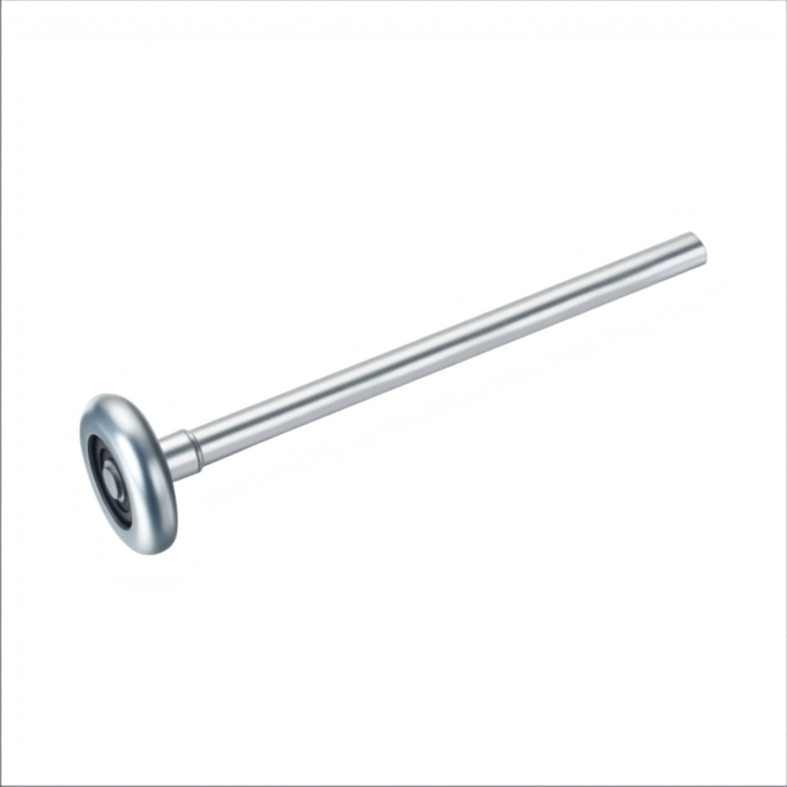
Rolling-friction reliability of Garage Door Roller for stable, low-noise sliding
In modern sectional and sliding garage doors, the Garage Door Roller is essential for ensuring quiet operation and precise alignment. Understanding its rolling-friction behavior is key to achieving both noise reduction and long-term stability in demanding sliding systems.
In the context of sectional and sliding garage doors, the performance of the garage door roller is a determining factor for both operational stability and acoustic comfort. For engineers tasked with maintaining precise door alignment, the roller’s ability to minimize rolling friction and resist wear is central to achieving consistent, low-noise door movement. This analysis examines the technical aspects of garage door roller reliability, focusing on the mechanisms by which friction and wear influence noise generation and alignment deviation. The following sections dissect the roller’s structural features, assess its reliability under typical loading and alignment scenarios, and provide a framework for technical evaluation based on friction control and wear resistance.
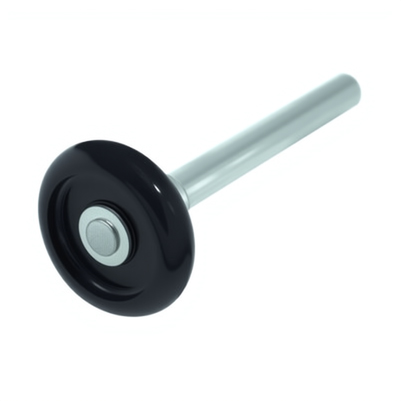
The garage door roller is a composite mechanical component designed to facilitate smooth translation of the door along its track. Its primary function is to convert sliding friction into rolling friction, thereby reducing resistance and enabling precise alignment. Most rollers consist of a wheel (typically nylon, steel, or reinforced polymer), an axle or shaft, and a bearing system. The bearing—either a plain bushing or a ball bearing assembly—plays a critical role in dictating the magnitude of rolling friction and the roller’s service life.
Material selection for the roller wheel is a key factor in both frictional behavior and noise generation. Nylon rollers are favored for their low noise emission and moderate wear resistance, while steel rollers offer superior load capacity but can contribute to higher noise levels due to metal-on-metal contact with the track. Reinforced polymers are sometimes used to balance these properties. The bearing system, when equipped with sealed ball bearings, significantly reduces rolling resistance and shields internal components from dust and debris, thus prolonging operational life.
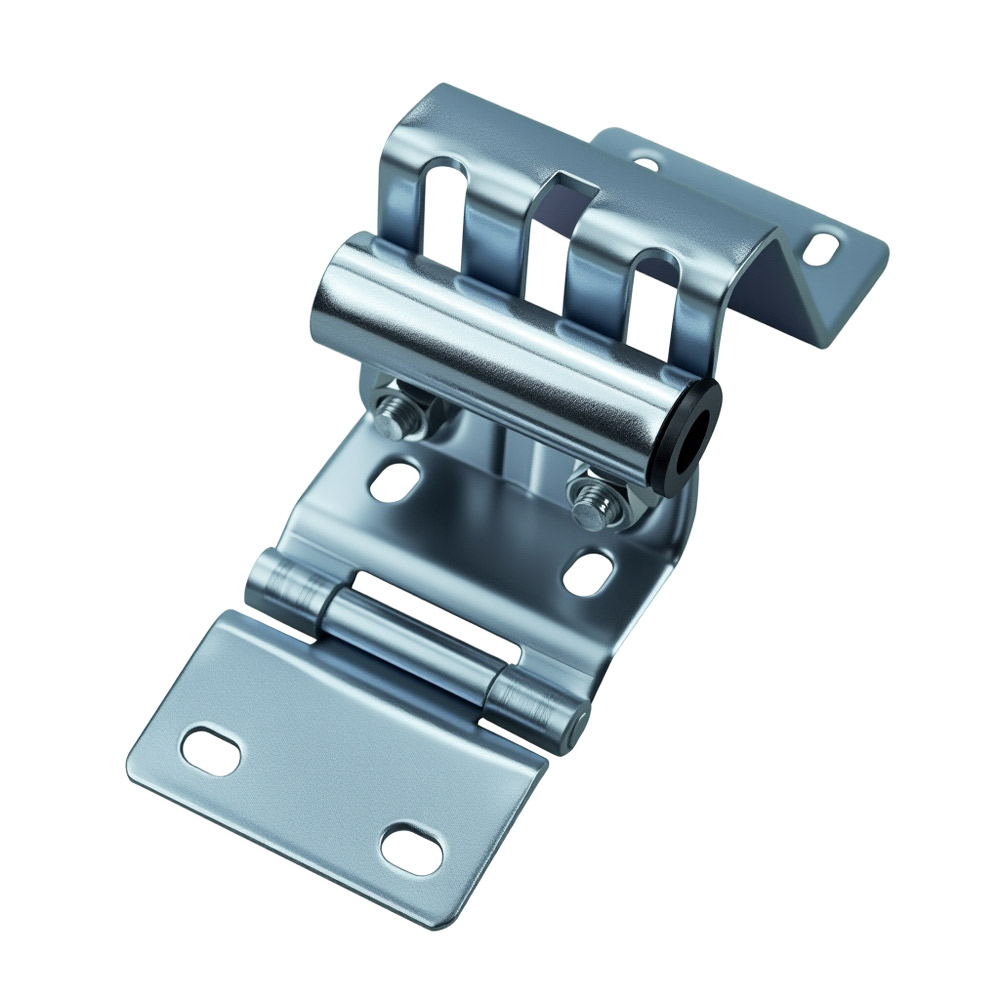
The roller’s shaft must maintain a precise fit within the door’s hinge bracket to prevent lateral play, which could otherwise induce misalignment or uneven load distribution. Tolerances in both the shaft diameter and the bracket bore are engineered to minimize clearance while allowing for thermal expansion and manufacturing variability. Any deviation from these tolerances can manifest as increased vibration, noise, or progressive misalignment.
The reliability of a garage door roller is fundamentally linked to its ability to maintain low rolling resistance and resist wear across thousands of operational cycles. Rolling friction, as opposed to sliding friction, is inherently lower, but the magnitude of rolling resistance depends on the bearing quality, wheel material, and surface finish of the track. Engineers must consider the coefficient of rolling friction (μr), which for a well-lubricated ball bearing system typically ranges from 0.001 to 0.005. Any increase in μr, due to bearing contamination or material degradation, results in higher actuation force requirements and increased noise.
Wear resistance is another critical parameter. The repeated contact between the roller and the track, especially in the presence of abrasive contaminants, can lead to surface pitting, material loss, and dimensional changes. For nylon rollers, wear is primarily a function of material hardness and the presence of lubricants. For steel rollers, surface hardness and corrosion resistance are paramount. Engineers must monitor for signs of flat-spotting or eccentric wear, both of which can compromise door alignment and increase rolling resistance.
Noise generation is closely tied to both friction and wear. A properly functioning garage door roller should produce minimal acoustic output, with most noise arising from track irregularities or misalignment. However, as rollers wear or as bearings degrade, noise levels rise—often manifesting as squeaks, rattles, or grinding sounds. These acoustic signatures are direct indicators of increased friction or loss of bearing integrity.
Alignment deviation is a core concern for door alignment engineers. Even minor misalignments can create uneven loading on individual rollers, accelerating wear and increasing rolling resistance. The roller’s ability to self-align within the track, aided by precise shaft geometry and bearing play, is essential for maintaining parallelism between the door sections and the track. Engineers must routinely verify the concentricity of the roller wheel and the perpendicularity of the shaft relative to the hinge bracket.
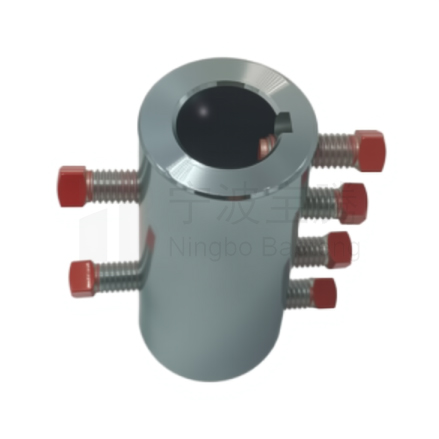
Evaluation of garage door roller reliability involves both static and dynamic testing. Static assessments include measurement of shaft-to-bracket clearance, inspection for visible wear or deformation, and verification of bearing rotation smoothness. Dynamic tests involve operating the door through multiple cycles while monitoring actuation force, noise levels, and any evidence of binding or misalignment. The use of vibration sensors and acoustic monitoring devices can provide quantitative data on frictional behavior and wear progression.
For friction control, the application of appropriate lubricants is essential, particularly for steel rollers or open bearing designs. Engineers must select lubricants with suitable viscosity and temperature stability, ensuring that they do not attract dust or degrade over time. For sealed bearing rollers, lubrication is typically maintenance-free, but periodic inspection for seal integrity is recommended. Excessive lubricant application can lead to accumulation of debris, which may increase rolling resistance and accelerate wear.
Wear resistance can be enhanced through material upgrades or surface treatments. For example, rollers with hardened steel races or polymer wheels with embedded lubricants can extend service life and reduce maintenance intervals. Engineers must balance these enhancements with the need to maintain low rolling friction and avoid introducing excessive weight, which could impact door actuation force.
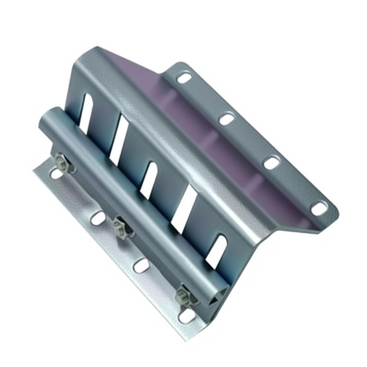
Noise and alignment deviation remain the primary pain points for door alignment engineers. These issues are often interrelated, with increased friction leading to noise, and misalignment exacerbating wear. A systematic approach to roller evaluation—incorporating regular inspection, precise measurement, and dynamic testing—enables early detection of frictional or wear-related problems. When alignment deviation is detected, engineers should assess both the roller geometry and the condition of the track, as track irregularities can induce secondary misalignment even when rollers are within specification.
In practice, the engineering evaluation of garage door rollers should include the following steps:
- Visual inspection for surface wear, deformation, or contamination.
- Measurement of shaft and bracket tolerances to ensure minimal lateral play.
- Rotation testing of the roller to detect bearing roughness or binding.
- Acoustic monitoring during door operation to identify abnormal noise signatures.
- Vibration analysis to detect early-stage bearing or alignment issues.
- Verification of lubricant condition and reapplication as necessary.
- Assessment of track condition and its interaction with the roller.
Each of these steps is rooted in the analysis of rolling friction and wear resistance, directly addressing the core pain points of noise and alignment deviation.
Technical documentation of roller parameters—including wheel diameter, bearing type, material composition, and measured friction coefficients—should be maintained for each installation. This data supports trend analysis and predictive maintenance, allowing engineers to anticipate failure modes and schedule replacements before operational issues arise.
In summary, the garage door roller’s reliability is governed by its rolling-friction behavior and wear resistance, both of which are critical for minimizing noise and maintaining alignment stability. Engineers must approach roller evaluation with a focus on precise measurement, regular inspection, and data-driven analysis. By systematically addressing friction control and monitoring for wear, it is possible to extend roller service life, reduce acoustic disturbances, and ensure consistent door alignment.
Engineers responsible for garage door alignment are advised to verify roller parameters with engineering-grade precision. This includes not only dimensional checks but also dynamic assessments of rolling friction and noise generation. Only through rigorous technical evaluation can the persistent challenges of noise and alignment deviation be effectively mitigated in garage door roller systems.
For more technical resources on garage door hardware, see Baoteng’s technical documentation そして roller load testing reports.
Optimizing Garage Door Roller reliability for stable, quiet operation
By focusing on rolling-friction management and wear resistance, engineers can significantly improve the performance and lifespan of Garage Door Roller assemblies. For further guidance on installation, maintenance, or product selection, visit the Baoteng Garage Door Roller page or consult our FAQs for detailed support.
 English
  Русский
  日本語
日本語  한국어
한국어  Français
  Deutsch
  العربية
  Português
  Español