
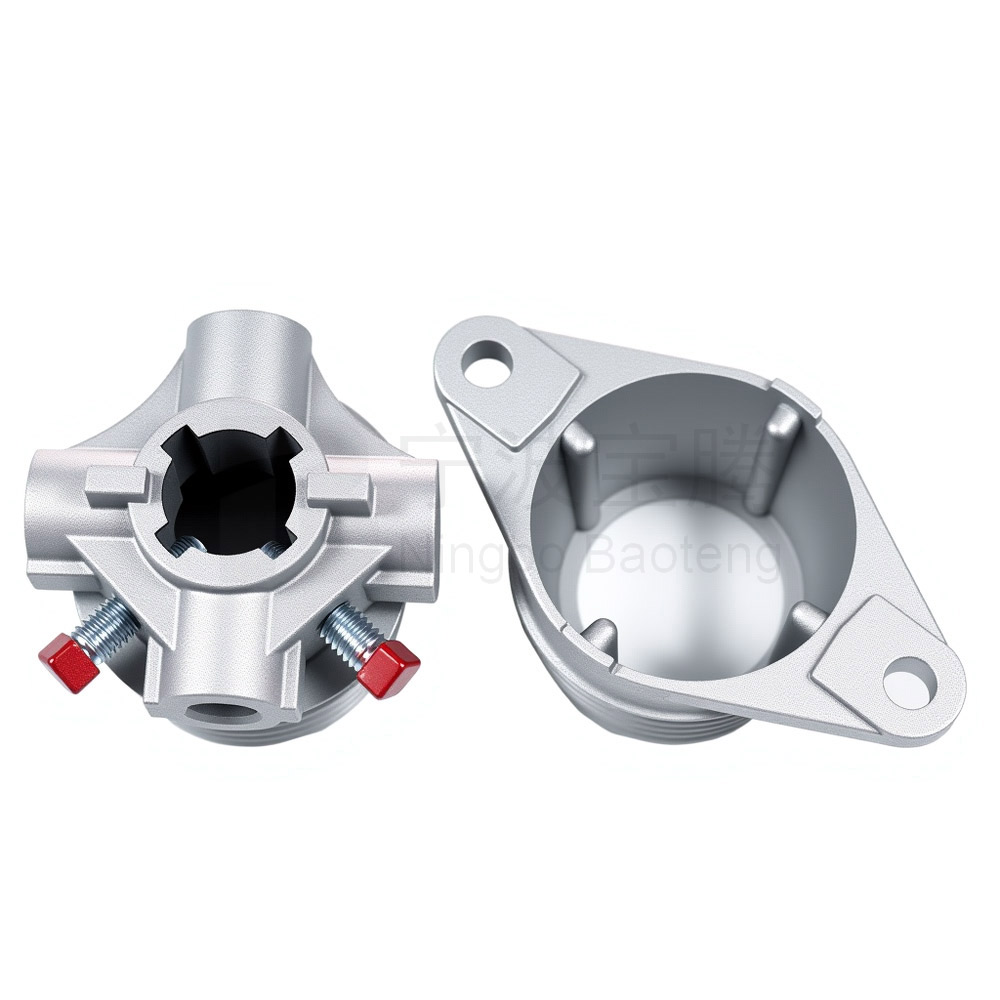
Torque-Balance Dynamics of Torsion Spring Coupling for Managing Torque Loss and Fatigue Resistance in Garage Door Lifting Systems
The torsion spring coupling serves a critical role in garage door lifting systems, where it is essential for managing torque transfer and ensuring operational reliability. This component is designed to connect the…
The torsion spring coupling serves a critical role in garage door lifting systems, where it is essential for managing torque transfer and ensuring operational reliability. This component is designed to connect the torsion springs to the door’s lifting mechanism, facilitating the smooth opening and closing of the door while maintaining balance and stability. In high-cycle industrial environments, where doors are frequently operated, the torsion spring coupling must withstand significant mechanical stress and fatigue.
Understanding the dynamics of torsion spring coupling is vital for engineers and technicians involved in garage door hardware systems. The coupling must be engineered to handle the torque generated by the springs without succumbing to metal fatigue, which can lead to torque loss and ultimately failure of the system. Such failures not only compromise the functionality of the garage door but also pose safety risks to users and surrounding structures.
To mitigate these risks, adherence to industry-relevant testing standards, such as fatigue cycle tests, is imperative. These tests evaluate the coupling’s performance under simulated operational conditions, ensuring that it can endure the repeated stresses of high-cycle usage. By complying with these standards, manufacturers can enhance the safety and longevity of torsion spring couplings, thereby reducing the likelihood of failure modes associated with torque loss.
In environments characterized by high humidity or temperature fluctuations, the materials used in torsion spring couplings must also be carefully selected to resist corrosion and maintain structural integrity. The interplay between environmental factors and mechanical performance is a key consideration in the design and selection of these components.
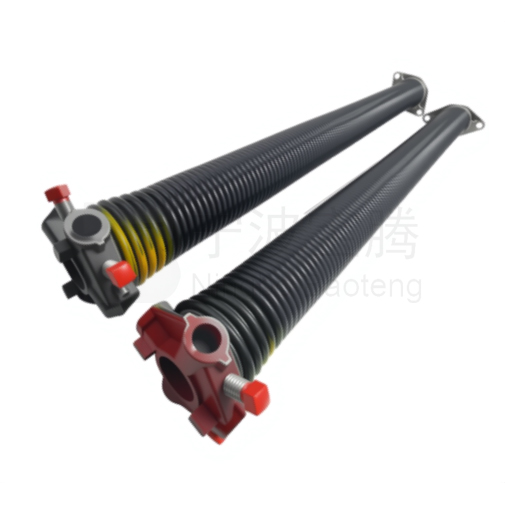
As the discussion progresses, it will be important to delve deeper into best practices for installation and maintenance of torsion spring couplings, as well as the implications of improper handling. Understanding these aspects will further equip engineers and technicians to ensure the reliable operation of garage door systems, ultimately enhancing safety and performance in their applications.
Safety in the context of torsion spring coupling is paramount, particularly in high-cycle industrial applications where the mechanical demands on garage door systems are substantial. The torsion spring coupling must be designed and maintained to prevent failures that could lead to torque loss or metal fatigue. Such failures not only disrupt the operation of the door but also pose significant safety hazards to personnel and equipment in the vicinity.
The primary concern with torsion spring couplings is the potential for torque loss, which can occur when the coupling fails to transmit the necessary rotational force from the springs to the door mechanism. This loss of torque can result from inadequate material selection or insufficient design to handle the repetitive stress experienced during high-frequency operations. Metal fatigue, a critical failure mode, arises from the cyclic loading that the coupling endures. Over time, microscopic cracks can develop in the material, leading to catastrophic failure if not addressed.
Adhering to rigorous testing standards, such as fatigue cycle tests, is essential for ensuring the safety and reliability of torsion spring couplings. These tests simulate the operational conditions that the couplings will face, allowing engineers to evaluate their performance under repeated loading. By analyzing the results of these tests, manufacturers can identify weaknesses in the design and make necessary adjustments to enhance durability. Compliance with these standards not only improves the longevity of the components but also significantly reduces the risk of failure modes associated with improper torque transmission.

Environmental factors play a crucial role in the performance of torsion spring couplings. In high-cycle industrial settings, variations in temperature and humidity can exacerbate wear and corrosion, further compromising the integrity of the coupling. Selecting materials that resist environmental degradation is vital for maintaining performance and safety. For instance, using corrosion-resistant alloys can mitigate the effects of moisture and temperature fluctuations, ensuring that the coupling remains functional over its intended lifespan.
As the focus shifts to best practices for installation and maintenance, it becomes clear that understanding the safety implications of torsion spring couplings is critical. Proper handling and installation techniques can prevent premature wear and failure, thereby enhancing the overall safety of garage door systems. Ensuring that technicians are well-trained in these practices will contribute to the reliable operation of the system, safeguarding both users and the surrounding environment.
Implementing best practices in the installation and maintenance of torsion spring couplings is essential for optimizing performance and minimizing the risk of failure. Proper alignment and torque specifications during installation are critical to ensure that the coupling operates within its designed parameters. Misalignment can lead to uneven stress distribution, resulting in torque loss and accelerated metal fatigue. Engineers should emphasize the importance of using calibrated torque wrenches to achieve the manufacturer-recommended specifications, as this ensures that the coupling can effectively manage the load without exceeding its fatigue limits.
Regular inspection and maintenance routines are also vital in prolonging the lifespan of torsion spring couplings. Technicians should be trained to recognize early signs of wear, such as surface cracking or deformation, which may indicate impending failure. Implementing a scheduled maintenance program that includes visual inspections and functional testing can help identify issues before they escalate into significant problems. Utilizing fatigue cycle tests as part of the maintenance protocol can provide valuable insights into the coupling’s performance under operational conditions, allowing for timely interventions that prevent catastrophic failures.
The choice of materials used in torsion spring couplings plays a crucial role in their overall performance, especially in high-cycle industrial environments. Selecting alloys with high fatigue resistance and corrosion resistance can significantly enhance the durability of the coupling. Materials that are specifically engineered to withstand harsh conditions, such as temperature fluctuations and humidity, will reduce the likelihood of environmental degradation, thereby maintaining the integrity of the coupling over time.
Understanding the specific operational environment is essential for tailoring maintenance practices. In high-cycle applications, where the frequency of use can lead to rapid wear, it is imperative to monitor the coupling’s performance closely. Adjustments to maintenance schedules may be necessary to account for the increased load cycles, ensuring that the coupling remains effective in managing torque and preventing metal fatigue. By adhering to these best practices, engineers and technicians can significantly enhance the reliability and safety of torsion spring couplings in garage door systems, ultimately contributing to their longevity and operational efficiency.
The effective management of torsion spring coupling in garage door systems is critical for ensuring operational reliability and safety. Engineers must prioritize the analysis of torque loss and metal fatigue, particularly in high-cycle industrial applications where the frequency of use can accelerate wear and degradation. Implementing rigorous fatigue cycle tests is essential to evaluate the performance of torsion spring couplings under realistic load conditions. These tests not only help identify potential failure modes but also provide insights into the coupling’s ability to withstand repeated stress without compromising structural integrity.
Regular monitoring and maintenance of torsion spring couplings are vital for preventing torque loss, which can lead to operational failures. Technicians should be equipped with the knowledge to detect early signs of fatigue, such as surface wear or deformation, which may indicate an impending failure. By establishing a proactive maintenance schedule that incorporates fatigue cycle testing, engineers can ensure that the couplings remain within their operational limits, thereby extending their lifespan and enhancing safety.
In environments characterized by high cycles, the selection of appropriate materials is equally important. Utilizing advanced alloys with superior fatigue resistance can significantly mitigate the risks associated with metal fatigue. Understanding the specific environmental conditions, such as temperature fluctuations and humidity, allows for more informed decisions regarding material choices and maintenance practices. By focusing on these engineering principles, professionals can optimize the performance of torsion spring couplings, ensuring they meet the demands of their intended applications while maintaining safety and reliability.
Reviewed by: Senior Garage Door Hardware Engineer
All technical viewpoints in this article were reviewed and validated by our senior engineering team, Premium Garage Door Hardware R&D Team.
Learn more in our
会社概要.
 English
  Русский
  日本語
日本語  한국어
한국어  Français
  Deutsch
  العربية
  Português
  Español