

사용 빈도가 높은 주거용 차고문용 하드웨어: 소음과 고장 위험을 줄여주는 부품 선택 방법
Specifying Garage Door Hardware for high-cycle residential or light-commercial doors with fewer callbacks and safety issues starts with knowing exactly what to look for in rollers, hinges, tracks, and springs for your environment and duty cycle. When the right components are matched to real-world use instead of only to door size, the system runs quietly for years instead of becoming a source of noise, misalignment, and repeated service visits.
How high-cycle residential use changes Garage Door Hardware selection
In many modern homes the garage door is used like a front door, opening and closing every time someone leaves or returns. A family with multiple cars, deliveries, and school runs can easily rack up twenty or more cycles per day. Over a year this adds up to thousands of operations, and over several years the cumulative load begins to resemble small commercial usage rather than traditional low-cycle residential assumptions.
Each cycle bends hinges, rolls bearings along the track, twists torsion springs, and pulls on brackets and fasteners. If any of these parts was only sized for occasional operation, fatigue and wear show up as roller bearing seizure, hinge cracking, track deformation, or spring fracture. The first symptom is usually a change in sound or smoothness rather than a complete breakdown.
For installers, builders, and maintenance managers, this means that Garage Door Hardware must be chosen with cycle life and environment in mind, not just door height and width. High-cycle residential doors need components that behave more like light-commercial hardware: better bearings, stronger hinges, thicker tracks, and springs designed for elevated cycle counts.
What types of Garage Door Hardware are you really choosing between?
Garage Door Hardware is a system of interacting parts rather than a single catalog line. Understanding the main groups makes later selection choices much clearer.
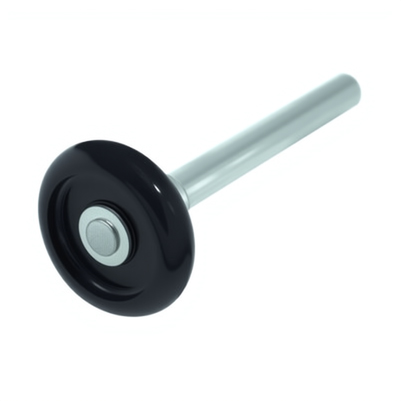
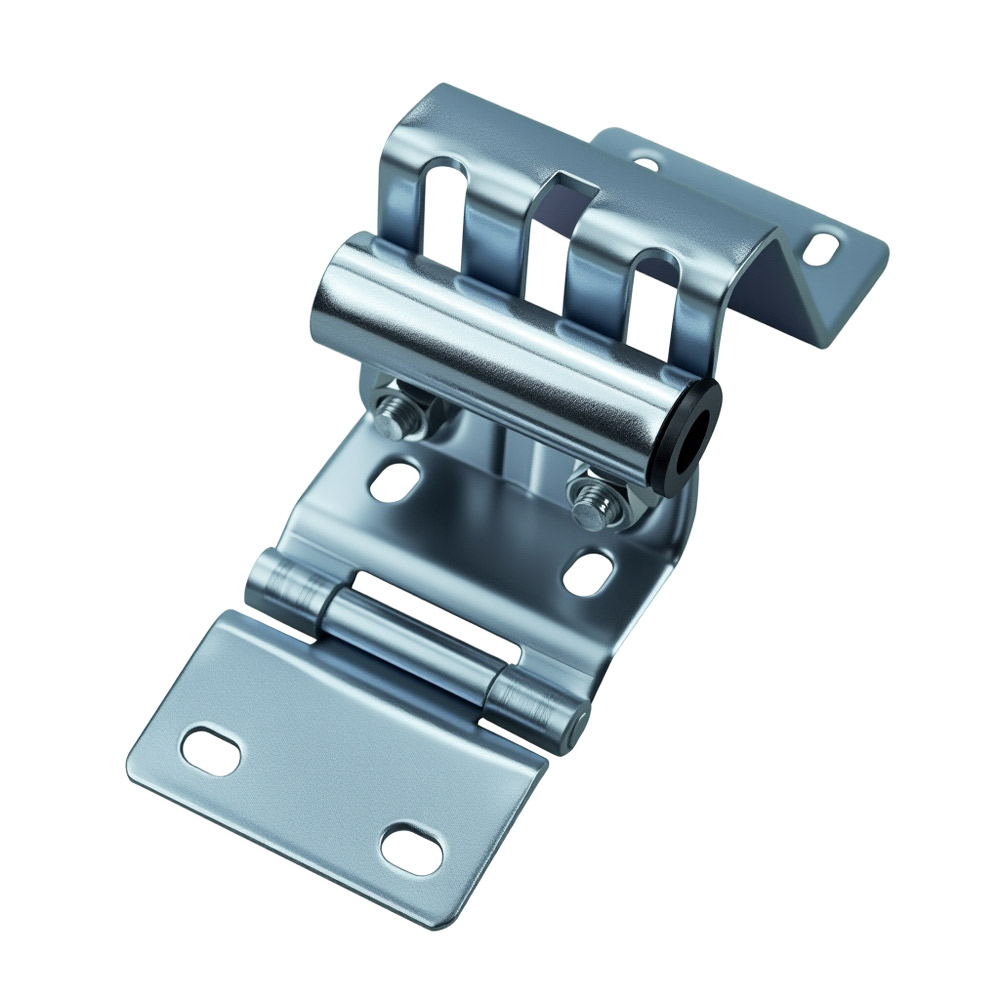
Rollers support the door as it travels along the curved and horizontal track. They control rolling friction, noise level, and how smoothly the door transitions between positions. Hinges link door sections, transferring bending and shear loads while allowing panels to articulate. Tracks define the motion path and transfer forces into the building structure, so their gauge and geometry determine alignment stability.
Torsion or extension springs, working with shafts and cable drums, store and release energy to counterbalance the door’s weight. Brackets, fasteners, and mounting hardware tie everything safely to the building, while handles and locks provide user interface and security. A weakness in any group shifts stress to the others and shortens overall service life.
How to choose Garage Door Hardware by load path and cycle rating
The simplest way to think about Garage Door Hardware is to trace the load path: from the door panels into the hinges, through the rollers into the tracks, out into the brackets and fasteners, and finally into the structure. At the same time, count how many times per day this path is loaded and unloaded. High-cycle residential doors stress the same zones again and again.
Rollers benefit from sealed precision bearings that maintain low friction over time. For high-cycle doors, a roller designed with higher load ratings and better bearing quality will keep noise low and motion consistent even after thousands of cycles. Hinges with thicker material and well-formed knuckles resist deformation when the door is partially open and exposed to wind or misalignment.
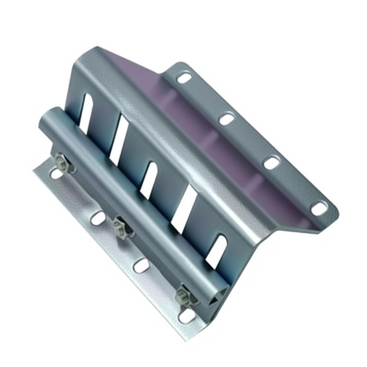
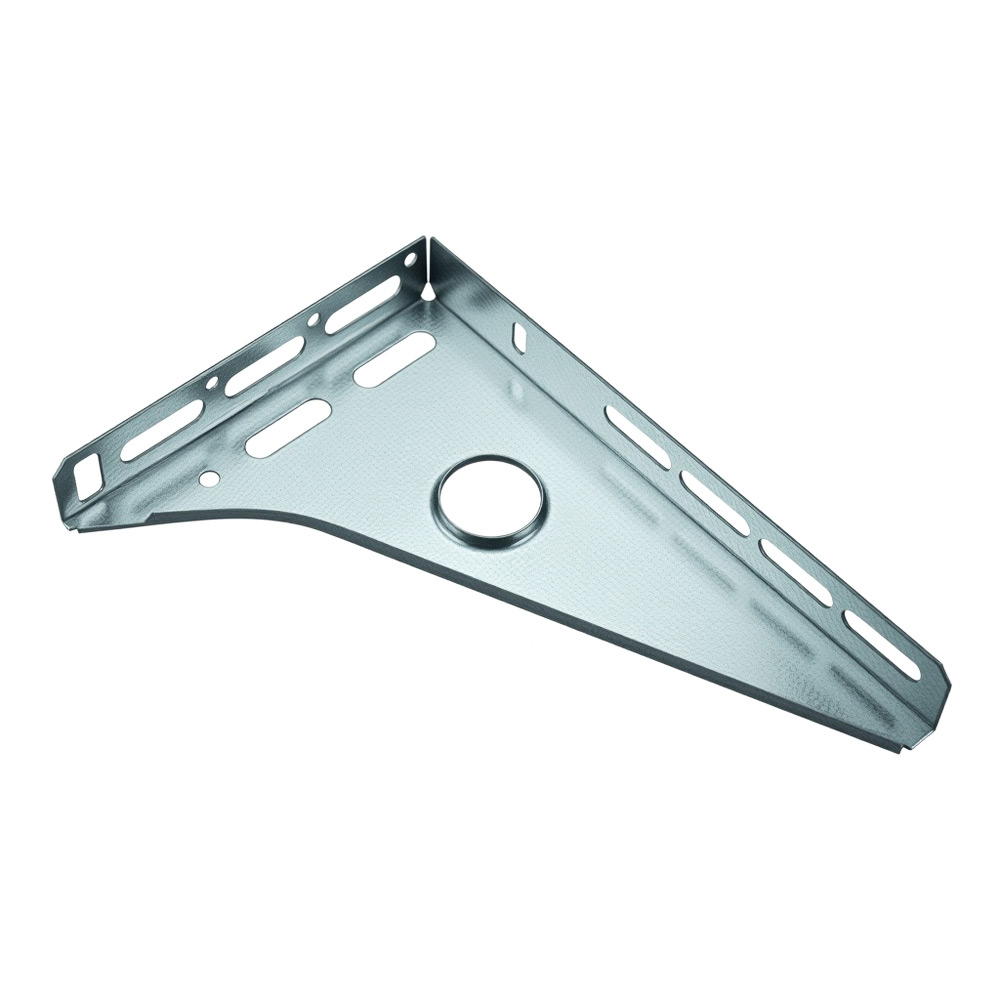
Tracks and brackets should be selected with a gauge and shape that resist twisting and spreading when the opener applies force or when vibration occurs. Springs must be rated not just for weight but for cycle life: a low-cycle spring might be designed for a few thousand operations, while a high-cycle design targets a much larger number, reducing the chance of sudden fracture in a busy household.
Matching Garage Door Hardware to real residential environments
Environment is often the hidden variable that explains why apparently similar hardware ages differently. Unheated garages, coastal locations, and large temperature swings all accelerate wear and corrosion in specific ways.
High-humidity or coastal garages
In coastal regions and high-humidity climates, condensation and airborne salt attack unprotected carbon steel. Roller bearings can rust internally, seizing or grinding long before their nominal fatigue life is reached. Hinges may look acceptable on the surface but develop pits that become crack origins under cyclic bending.
In such environments, hardware with improved coatings and corrosion testing history is essential. Hinges, brackets, and tracks with robust zinc or zinc-aluminum coatings and properly cured powder coats hold up better. Specs and documentation from manufacturers that publish corrosion resistance testing—such as salt spray performance—provide stronger assurance than decorative finishes alone.
Unheated garages with large temperature swings
In regions with cold winters and warm summers, unheated garages see wide temperature swings. Lubricants thicken at low temperatures and thin at high ones, changing how bearings and springs behave. Plastic components become brittle in extreme cold, while thermal expansion and contraction gradually loosen fasteners and shift alignment.
For these conditions, Garage Door Hardware with consistent lubrication performance and generous material margins makes a difference. Springs should be specified with suitable safety factors for temperature range, and installers should pay particular attention to track alignment and fastener torque during commissioning.
High-frequency families and light-commercial use
Some residential installations behave almost like light-commercial doors: home offices, shared driveways, or small businesses attached to houses can see continuous traffic throughout the day. In these cases, selecting only “residential grade” parts is a frequent source of premature hardware failures.
Upgrading to components closer to light-commercial specifications—stronger rollers, heavier tracks, higher cycle springs—moves the door into a more comfortable operating zone. The decision is less about overbuilding and more about aligning hardware to real usage instead of brochure assumptions.
Typical failure modes and what they feel like during daily use
Most homeowners will never read a test report, but they immediately notice when a door sounds or feels wrong. Translating user symptoms into likely failure modes helps both buyers and installers focus on the right components during selection.
Growing rumbling or grinding noises often point to roller bearing seizure or contamination, especially if the sound tracks the door’s motion along the curve of the track. Rattling or clanking suggests loosened fasteners, hinge ovalization, or slight track spreading. Sharp bangs during travel can indicate spring fatigue events or cable slippage at the drums.
When these symptoms begin appearing earlier than expected, it is often because the hardware was never matched to the environment or usage frequency. High-cycle residential doors benefit from treating these failure modes as design inputs rather than after-the-fact problems. A dedicated support page on roller bearing seizure causes and fixes can then dive deeper into this specific issue.
Step-by-step decision path: which Garage Door Hardware is right for you?
To turn these technical points into a concrete buying path, it helps to move through a simple sequence instead of trying to weigh all factors at once. First, quantify usage: estimate the number of cycles per day and multiply by the years you expect the system to run with minimal intervention. Second, classify the environment: coastal humid, cold seasonal, or relatively stable and dry.
Third, align each component group to those conditions. For rollers, that might mean choosing sealed precision bearings and materials that handle either corrosion or temperature extremes. For hinges and brackets, it means choosing thickness and coatings that limit deformation and corrosion over the intended lifetime. For springs, it means stepping up to a higher cycle rating when usage clearly exceeds typical residential assumptions.
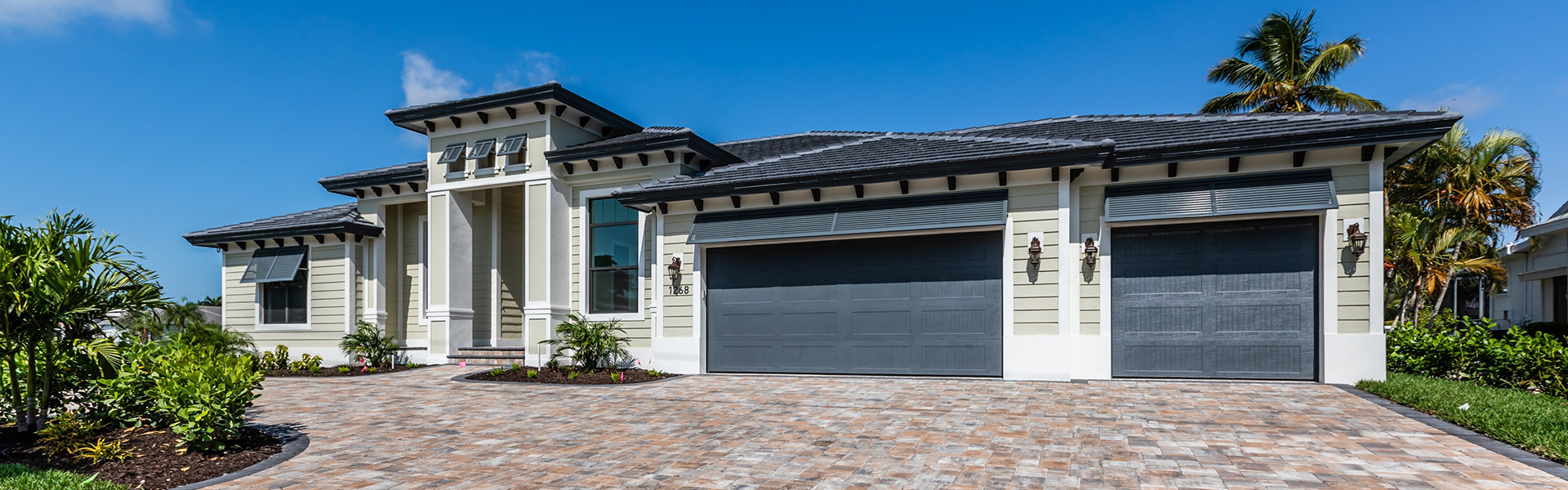
For buyers who prefer a structured view, referring to engineering-oriented pages such as the 엔지니어링 사양 그리고 단계별 설치 guides can help align the chosen hardware set with installation practices that preserve its design intent.
Installation quality: why even the best hardware can fail early
Even well-chosen Garage Door Hardware can fail prematurely if installation is not aligned with manufacturer tolerances. Slight track misalignment increases side loads on rollers, leading to accelerated bearing wear and noise. Incorrect spring sizing or improper tensioning introduces unbalanced forces that stress hinges, brackets, and shafts far beyond their nominal design loads.

Over-tightened fasteners can introduce residual stress at the threads or under the heads, encouraging crack initiation when cyclic loads are applied. Under-tightened fasteners, on the other hand, allow movement that elongates holes and shifts the load path away from its intended route. This is why detailed installation tutorials and torque guidelines matter as much as the underlying component specifications.
Noise as a practical health indicator for Garage Door Hardware
From a maintenance and user comfort perspective, noise is a powerful, low-cost diagnostic tool. When a high-cycle door that used to run smoothly begins to squeak, grind, or rattle, that is a strong indication that lubrication, alignment, or component integrity has changed. Treating noise changes as a prompt for inspection rather than an annoyance to be ignored can catch developing failure modes early.
In larger properties or small facilities with multiple doors, tracking which installations generate more noise and at what point in their life cycle can reveal patterns. Doors in unheated, humid garages may need different lubrication intervals or more corrosion-resistant rollers and hinges than doors in climate-controlled spaces.
How testing methods and standards validate Garage Door Hardware choices
Behind the scenes, laboratory and field testing turn the ideas of “high-cycle” and “corrosion-resistant” from marketing language into measurable performance. Cycle life testing subjects rollers, hinges, and springs to thousands of operations to see when friction rises, cracks appear, or springs lose force. Static load tests apply peak forces to brackets, tracks, and mounting hardware to check that they do not deform permanently under worst-case conditions.
Corrosion resistance is typically evaluated through controlled exposure to high-humidity and salt environments. Even when a specific ASTM or ISO document is not cited on a product label, many test methods are informed by the practices codified by organizations such as ASTM 국제 및 International Organization for Standardization. These institutions publish standardized approaches for simulating long-term environmental exposure in compressed timeframes.

Buyers who request or review load test reports and corrosion test summaries gain a clearer picture of whether a given hardware set has been validated for environments similar to their own. This is particularly relevant in high-humidity or coastal garages, where ENVIRONMENT_TYPE can shorten the practical life of parts that look robust in a showroom.
Safety, locks, and after-sales support in the buying decision
Safety-related hardware—handles, locks, emergency release devices, and safety catches—does not typically carry the full load of the door, but it plays an outsized role in risk control. These components must function reliably even after long periods of infrequent use, exposure to dust, and varying temperatures.
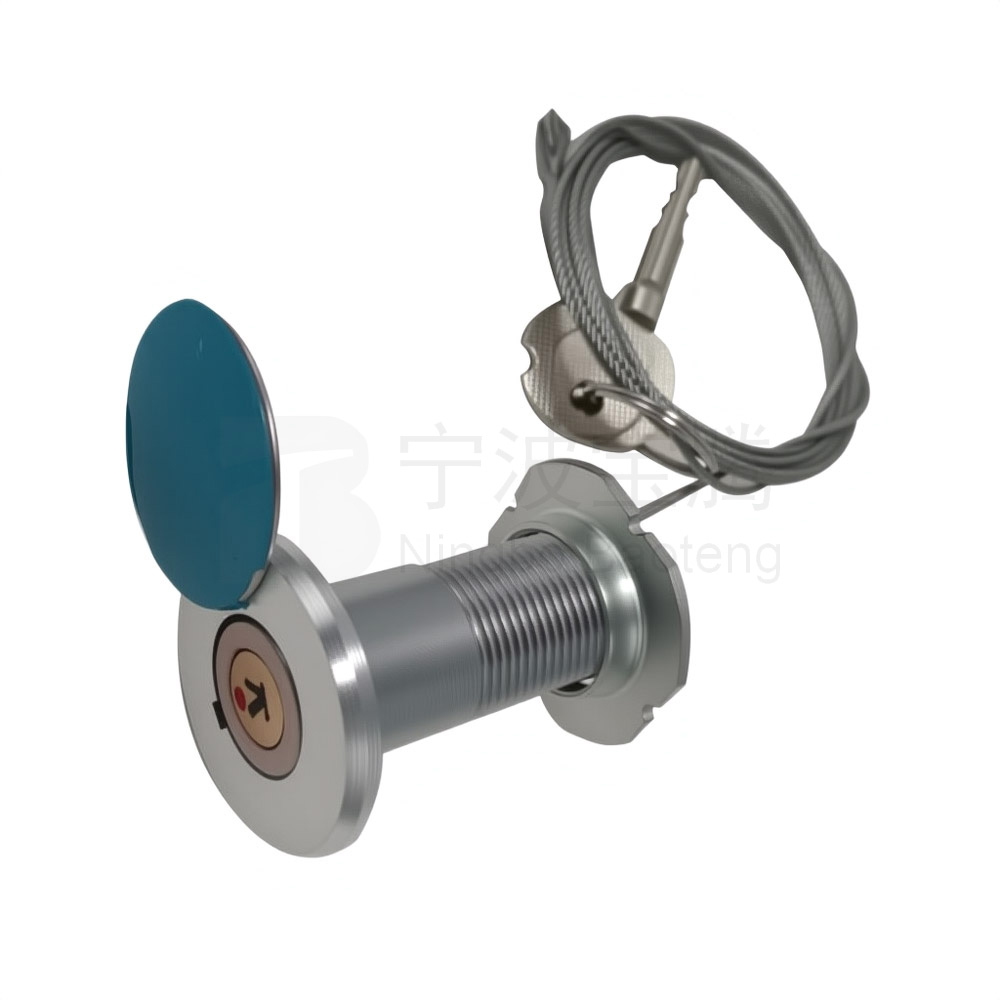
Safety compliance often references broader regional frameworks and independent evaluation bodies, including well-known names like Underwriters Laboratories. While buyers do not need to become certification experts, choosing hardware from manufacturers who routinely submit components for independent testing is one more way to reduce long-term risk.
After-sales support also matters. Access to documented 사후 지원 and compatible replacement parts ensures that if a spring, roller, or hinge eventually reaches the end of its life, the system can be restored without creating new imbalances or hidden stress concentrations.
Key buyer questions before committing to a hardware set
How many cycles should Garage Door Hardware survive in my situation?
Cycle expectations should be driven by real usage instead of generic “residential” labels. A door that cycles around 7,000 times per year and is expected to run for a decade places a much heavier demand on springs and rollers than a door cycled only a few times each day. Asking suppliers for indicative cycle ratings and test conditions turns this from a guess into a grounded input.
Which components need the biggest upgrade for high-humidity garages?
In high-humidity garages, the most critical upgrade targets are rollers, hinges, and springs. Rollers with sealed bearings and corrosion-resistant materials delay seizure, hinges with robust coatings and material thickness resist pitting and cracking, and springs with better corrosion protection reduce the chance that rust pits will trigger fatigue failure. A separate selection-focused page on garage door hardware for coastal garages can walk through this scenario in more depth.
Are nylon or steel rollers better for my high-cycle residential door?
The choice between nylon and steel rollers depends on noise tolerance, environment, and load. Nylon rollers often run quieter and can be an excellent choice for many high-cycle residential doors, especially when combined with sealed bearings. Steel rollers may handle very heavy doors or harsher environments better but generally transmit more noise. A dedicated comparison such as nylon vs steel garage door rollers explores these trade-offs in detail.
How to interpret standards and test data when making a decision
When data sheets mention that components have passed certain cycle counts, load levels, or corrosion exposure hours, the key is to relate those numbers back to your own conditions. If a roller has been tested to many times your expected lifetime cycles at loads similar to your door, it is unlikely to be the weak link. If corrosion tests simulate environments harsher than your garage, coating integrity is probably adequate.
Standards and testing frameworks published by bodies such as ISO and ASTM help align manufacturers and buyers on what these tests mean. Even when a product does not list a specific standard number, knowing that its tests are based on widely recognized practices—rather than informal, undocumented trials—adds confidence that the hardware is prepared for the fatigue, corrosion, and alignment challenges in your environment.
Why a system-level view of Garage Door Hardware improves long-term reliability
Choosing Garage Door Hardware for high-cycle residential doors is less about chasing the thickest steel or the flashiest finish and more about aligning each component with environment, usage, and validated performance. When rollers, hinges, tracks, springs, brackets, and safety hardware are selected as a coherent system and installed according to clear specifications, noise tends to remain low, failure modes are delayed, and maintenance becomes predictable rather than reactive.
The guidance in this buyer-focused overview is built on material performance analysis, mechanical testing references from organizations such as ISO and ASTM, and documented experience from high-humidity, high-cycle residential garages. Product data, load test reports, and corrosion evaluations translate into practical selection rules: match components to cycles and climate, insist on evidence of testing, and treat noise or alignment changes as early warning signals instead of background inconvenience. When Garage Door Hardware is chosen with these factors in mind, long-term reliability in demanding residential environments becomes an achievable outcome rather than a matter of luck.
 English
  Русский
  日本語
日本語  한국어
한국어  Français
  Deutsch
  العربية
  Português
  Español