
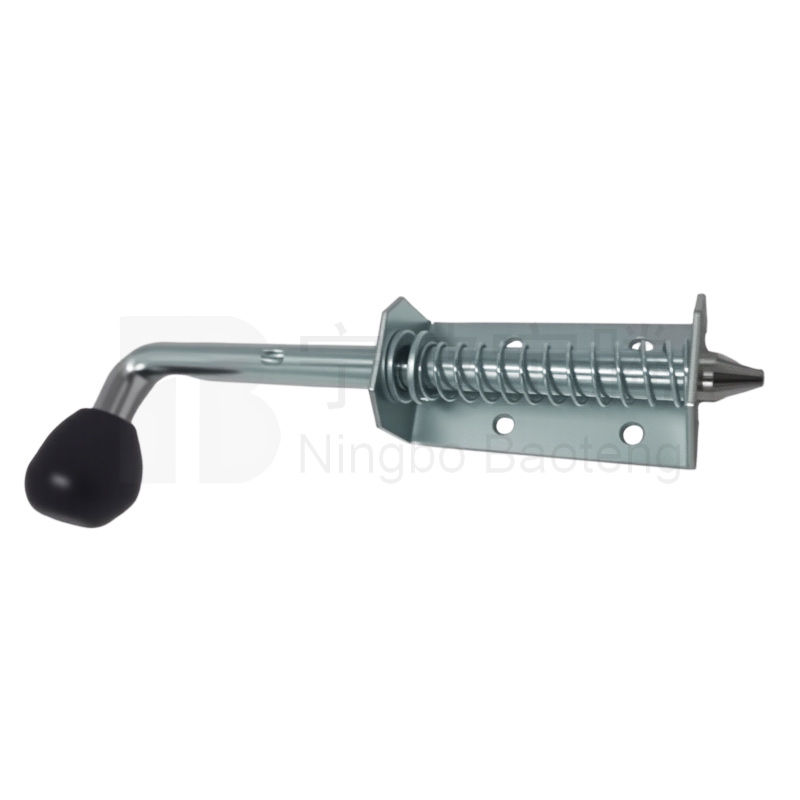
Spring-Load Dynamics of Garage Door Bumper Spring
The garage door bumper spring plays a crucial role in the operation and safety of garage door systems. It is specifically designed to provide the necessary counterbalance to the weight of the door, facilitating smooth operation and reducing the risk of mechanical failure. As with any mechanical component, the performance of a garage door bumper spring is subject to various stresses and environmental conditions that can lead to failure modes such as metal fatigue and torque loss. Understanding these failure modes is essential for maintenance technicians and mechanical engineers to ensure the longevity and reliability of garage door systems.
For further reference, you can review our 회사 개요.
Failure Modes
Metal fatigue is a common failure mode in garage door bumper springs, particularly in high-cycle industrial usage environments where the springs are subjected to repeated loading and unloading cycles. Over time, the material of the spring can develop micro-cracks due to the repetitive stress, leading to a gradual loss of strength and ultimately, failure. Torque loss can occur as the spring loses its ability to maintain the necessary tension, which is critical for the proper functioning of the garage door. This can result in the door becoming unbalanced, leading to uneven wear on other components and potential safety hazards during operation.
Testing
To mitigate the risk of failure due to metal fatigue, it is essential to implement rigorous testing protocols. One widely recognized method is the fatigue cycle test, which evaluates the durability of the garage door bumper spring under simulated operational conditions. This test measures the spring’s performance over a specified number of cycles, assessing its ability to withstand the stresses imposed during regular use. Compliance with established testing standards not only enhances the safety and performance of the spring but also provides valuable data for engineers to analyze and improve design specifications.
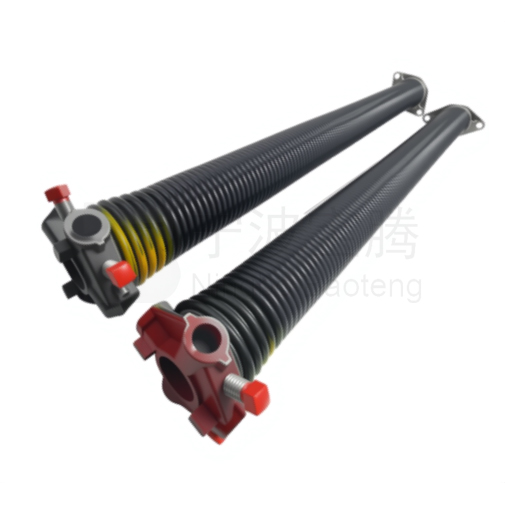
Environmental Considerations
In a high-cycle industrial environment, the impact of temperature, humidity, and load cycles on the performance of garage door bumper springs cannot be overlooked. Elevated temperatures can accelerate the aging process of the spring material, while high humidity levels may lead to corrosion, further compromising the integrity of the spring. Additionally, the frequency of load cycles in such environments can exacerbate the effects of metal fatigue, necessitating more frequent inspections and maintenance. Understanding these environmental factors is crucial for engineers and maintenance specialists to implement effective preventative measures and ensure the reliability of garage door systems.
Proactive Testing Approaches
Testing protocols, such as the fatigue cycle test, are essential for evaluating the performance of garage door bumper springs under these challenging conditions. By simulating the effects of repeated loading and environmental stressors, engineers can identify potential failure points and make informed decisions regarding material selection and design modifications. This proactive approach not only enhances the safety of garage door systems but also extends the service life of the components, ultimately reducing maintenance costs and downtime.
Importance of Rigorous Testing
The garage door bumper spring is a vital component that requires careful consideration in terms of design, testing, and maintenance. The potential for failure due to metal fatigue and torque loss highlights the importance of rigorous testing standards, such as the fatigue cycle test, to ensure the reliability and safety of the system. Furthermore, understanding the implications of high-cycle industrial usage on the performance of these springs is essential for effective maintenance strategies. By prioritizing these engineering principles, maintenance technicians can significantly enhance the operational integrity of garage door systems, ensuring safety and efficiency in their applications.
 English
  Русский
  日本語
日本語  한국어
한국어  Français
  Deutsch
  العربية
  Português
  Español