
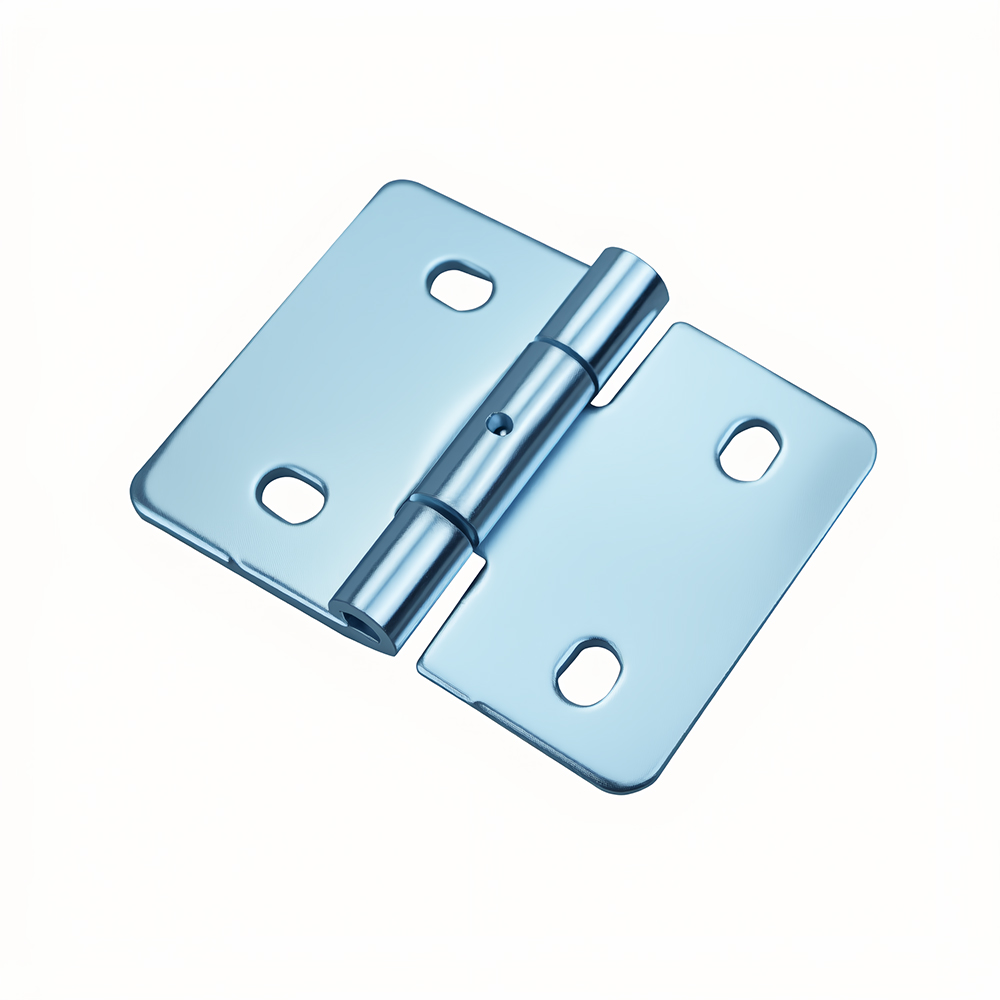
Reliability and Articulation Performance of Garage Door Middle Hinge
In modern sectional garage door systems, the garage door middle hinge is essential for reliable panel articulation and long-term structural performance. Its design and installation directly impact stress concentration, fatigue resistance, and overall durability—factors that are critical for maintaining smooth sectional movement and system safety.
Understanding the mechanical reliability of the garage door middle hinge helps engineers and designers optimize sectional door articulation, ensuring that stress dispersion and fatigue life meet demanding operational requirements.
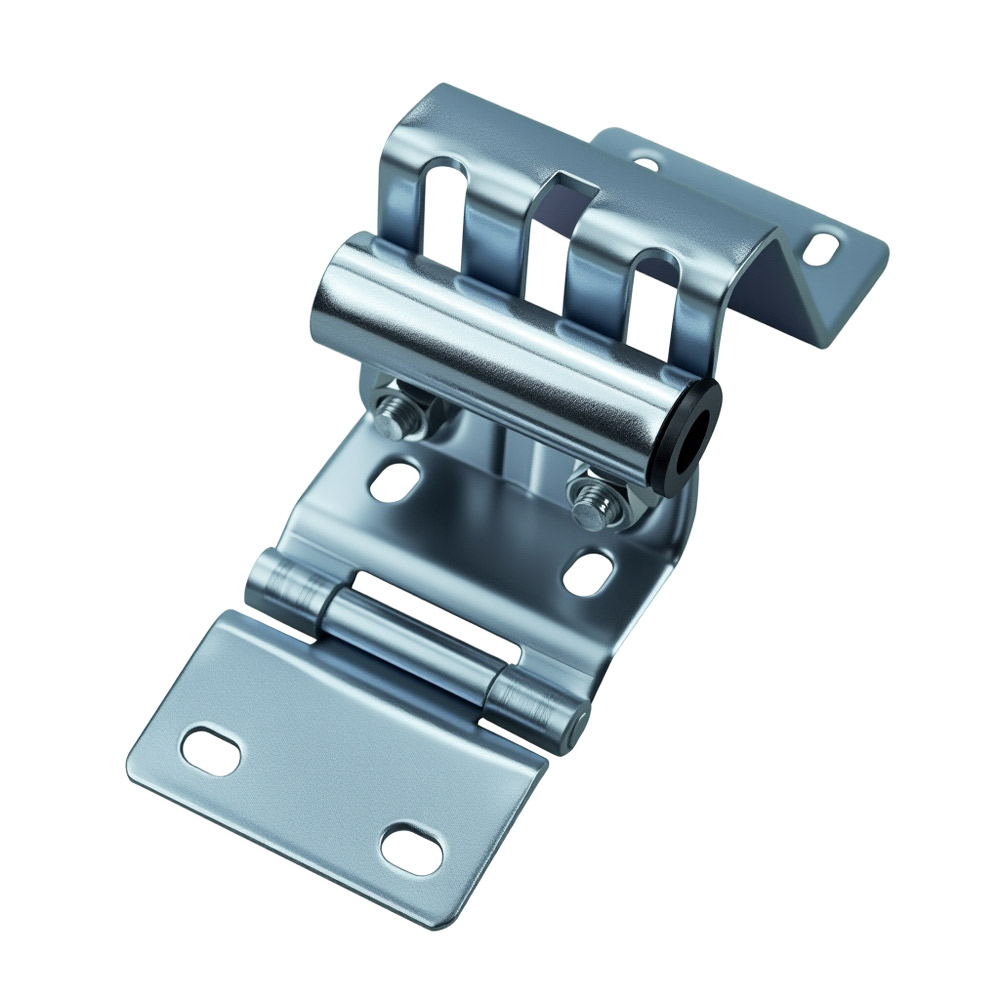
In sectional garage door assemblies, the middle hinge is a critical structural component responsible for connecting adjacent door panels while enabling their relative articulation during opening and closing cycles. For door system designers, understanding the mechanical reliability and articulation performance of garage door middle hinges is essential, especially in scenarios where repeated sectional movement induces complex stress patterns. The following analysis provides a technical examination of how hinge design, material selection, and installation practices influence stress dispersion, fatigue resistance, and overall reliability, with particular emphasis on the core pain point of stress concentration and fatigue failure. This discussion is structured to support engineering decisions for optimizing sectional articulation and ensuring long-term system durability.
The garage door middle hinge serves as the primary pivot point between sectional panels, allowing for the necessary angular displacement as the door transitions along the curved track. Unlike end hinges, which primarily provide lateral support and alignment, the middle hinge is subjected to compound loading conditions, including bending, shear, and torsional stresses. These arise from both the dead weight of the panels and dynamic loads imposed during operation. The articulation mechanism must accommodate these forces without excessive deformation or premature wear, necessitating careful attention to geometric design, fastener placement, and material properties.
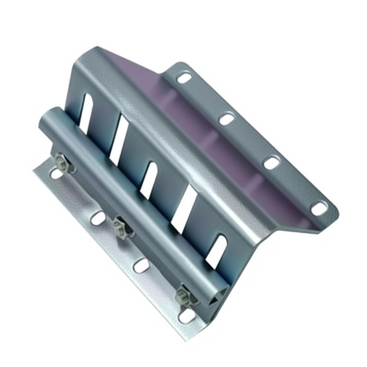
The reliability of the garage door middle hinge is fundamentally linked to its ability to disperse stresses generated at the articulation interface. Inadequate stress dispersion leads to localized concentrations, particularly at the knuckle and mounting flange, which are common initiation sites for fatigue cracks. The hinge’s geometry—specifically the radius of curvature at the knuckle, the width and thickness of the hinge leaf, and the spacing of fastener holes—directly influences the stress flow path. A hinge with sharp internal corners or insufficient cross-sectional area at the pivot will exhibit higher peak stresses under cyclic loading, accelerating the onset of fatigue failure.
Material selection is another crucial factor in hinge reliability. Middle hinges are typically fabricated from cold-rolled steel or stainless steel, with thicknesses ranging from 1.5 mm to 2.5 mm depending on the door’s size and weight class. The choice of material affects both the yield strength and the fatigue limit. For high-cycle applications, designers often specify hinges with a higher fatigue endurance limit and incorporate surface treatments such as galvanization or powder coating to mitigate corrosion-induced stress risers. The presence of microstructural defects or surface discontinuities can serve as nucleation points for fatigue cracks, especially in environments with significant humidity or temperature fluctuations.
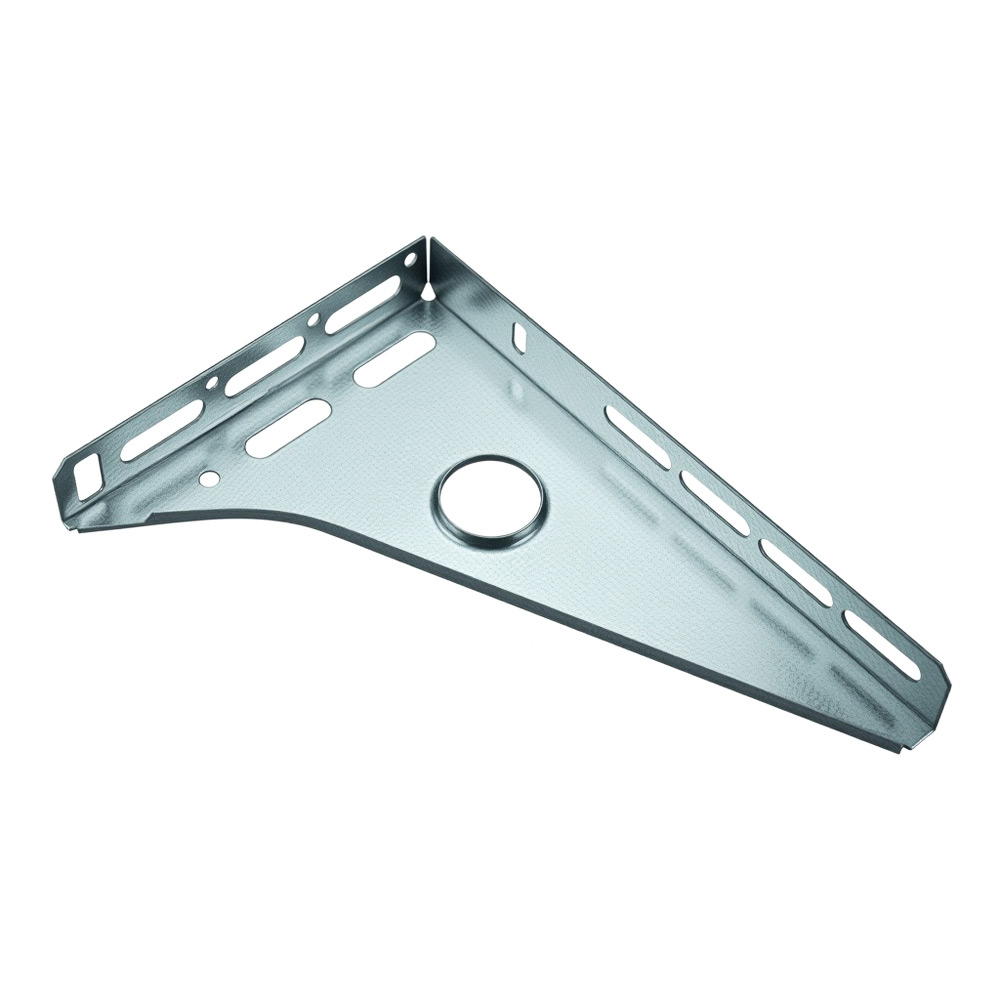
The articulation performance of the garage door middle hinge is closely tied to its mechanical reliability. During sectional movement, the hinge must provide smooth, low-resistance rotation while maintaining precise panel alignment. Excessive play or binding at the hinge interface can introduce secondary stresses, leading to uneven load transfer and increased wear. To address this, advanced hinge designs incorporate features such as oversized knuckles, precision-formed pivot pins, and self-lubricating bushings. These enhancements reduce friction, minimize backlash, and extend service life by ensuring consistent articulation behavior throughout the door’s operational envelope.
Installation practices also play a significant role in the in-situ reliability of middle hinges. Misalignment during mounting, over-tightening of fasteners, or the use of incompatible hardware can introduce unintended stresses, undermining the hinge’s ability to disperse loads effectively. For optimal performance, fastener holes should be accurately located and deburred, and mounting surfaces must be flat and free of contaminants. Periodic inspection and maintenance, including lubrication and fastener torque checks, are recommended to detect early signs of fatigue or misalignment before catastrophic failure occurs.
To quantitatively evaluate the mechanical reliability of garage door middle hinges, finite element analysis (FEA) is commonly employed. FEA allows for detailed mapping of stress concentrations under simulated loading conditions, enabling designers to optimize hinge geometry for maximum stress dispersion. Critical parameters such as maximum principal stress, von Mises stress, and fatigue life can be extracted to inform design modifications. Experimental validation, including cyclic loading tests and metallurgical analysis of failed components, further substantiates the reliability assessment.
In field applications, the most prevalent failure mode for garage door middle hinges is fatigue cracking at the knuckle or adjacent to fastener holes. This is typically a consequence of repeated articulation cycles combined with inadequate stress dispersion. The rate of crack propagation is influenced by the magnitude of cyclic stress, hinge material properties, and the presence of surface defects. For high-use installations, such as commercial garages, the cumulative effect of tens of thousands of cycles can result in hinge failure if design margins are insufficient.
Design strategies to mitigate stress concentration and enhance fatigue resistance include increasing the radius at the hinge knuckle, optimizing the distribution and diameter of fastener holes, and specifying materials with superior fatigue properties. Additionally, the use of double- or triple-leaf hinge constructions can distribute loads over a larger area, reducing peak stresses at any single point. In some advanced designs, composite materials or hybrid metal-polymer constructions are explored to combine high strength with reduced weight, though these approaches require careful validation for long-term reliability.
The evaluation of articulation performance extends beyond static strength and fatigue resistance. It encompasses the hinge’s ability to maintain consistent movement characteristics over the full range of door travel and throughout its service life. Wear testing, friction coefficient measurements, and articulation torque profiling are employed to assess the long-term behavior of middle hinges. Hinges exhibiting excessive wear or increased articulation resistance may compromise door alignment and place additional loads on adjacent components, leading to system-level reliability issues.
From an engineering perspective, the core pain point of stress concentration and fatigue failure in garage door middle hinges is best addressed through a combination of robust design, precise manufacturing, and diligent installation practices. The integration of computational analysis, material science, and empirical testing enables door system designers to predict and mitigate potential failure modes. Continuous feedback from field performance data should inform iterative improvements in hinge geometry, material selection, and assembly protocols.
For door system designers focused on sectional garage door articulation, verifying hinge parameters against engineering-grade safety standards is essential. This includes confirming that the selected hinge design meets or exceeds specified fatigue life requirements, that installation procedures ensure proper load transfer, and that materials are certified for the intended environmental conditions. Regular technical audits and failure analysis of returned components provide valuable insights for ongoing reliability enhancement.
In summary, the garage door middle hinge is a mechanically complex component whose performance directly impacts the reliability and longevity of sectional door systems. By prioritizing stress dispersion, optimizing articulation behavior, and rigorously evaluating hinge reliability through analytical and empirical methods, door system designers can effectively address the core challenges of stress concentration and fatigue failure. Engineering-driven validation and continuous improvement are fundamental to ensuring that garage door middle hinges deliver consistent, safe, and durable performance in demanding operational environments.
Further Reading and Technical Resources
- 탐색 corrosion resistance testing for garage door hinges for insights into material durability.
- Review 엔지니어링 사양 for hinge design and fatigue performance.
- Consult 설치 튜토리얼 to ensure correct mounting and alignment of garage door middle hinges.
For additional technical support and product selection guidance on garage door middle hinge solutions, visit the Baoteng hinge product center or contact our engineering team for consultation.
 English
  Русский
  日本語
日本語  한국어
한국어  Français
  Deutsch
  العربية
  Português
  Español