
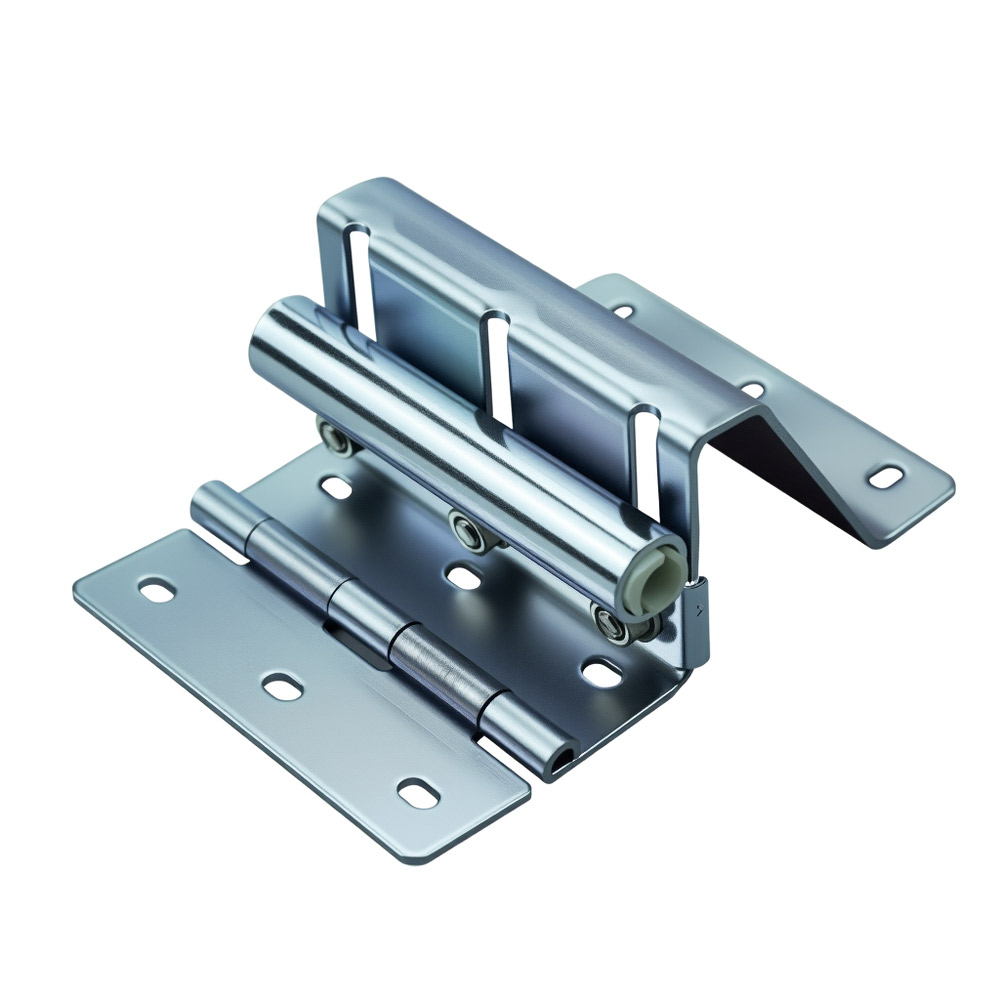
Stress dispersion and reliability in heavy duty garage door hinges
In demanding industrial and commercial settings, the operational reliability of sectional doors is closely tied to the performance of heavy duty garage door hinges. These hinges are engineered to manage complex mechanical stresses and ensure smooth articulation, making them a cornerstone for durable and safe door systems.
Understanding the mechanical principles behind heavy duty garage door hinges is essential for designers aiming to prevent fatigue failure and optimize stress distribution throughout sectional articulation.
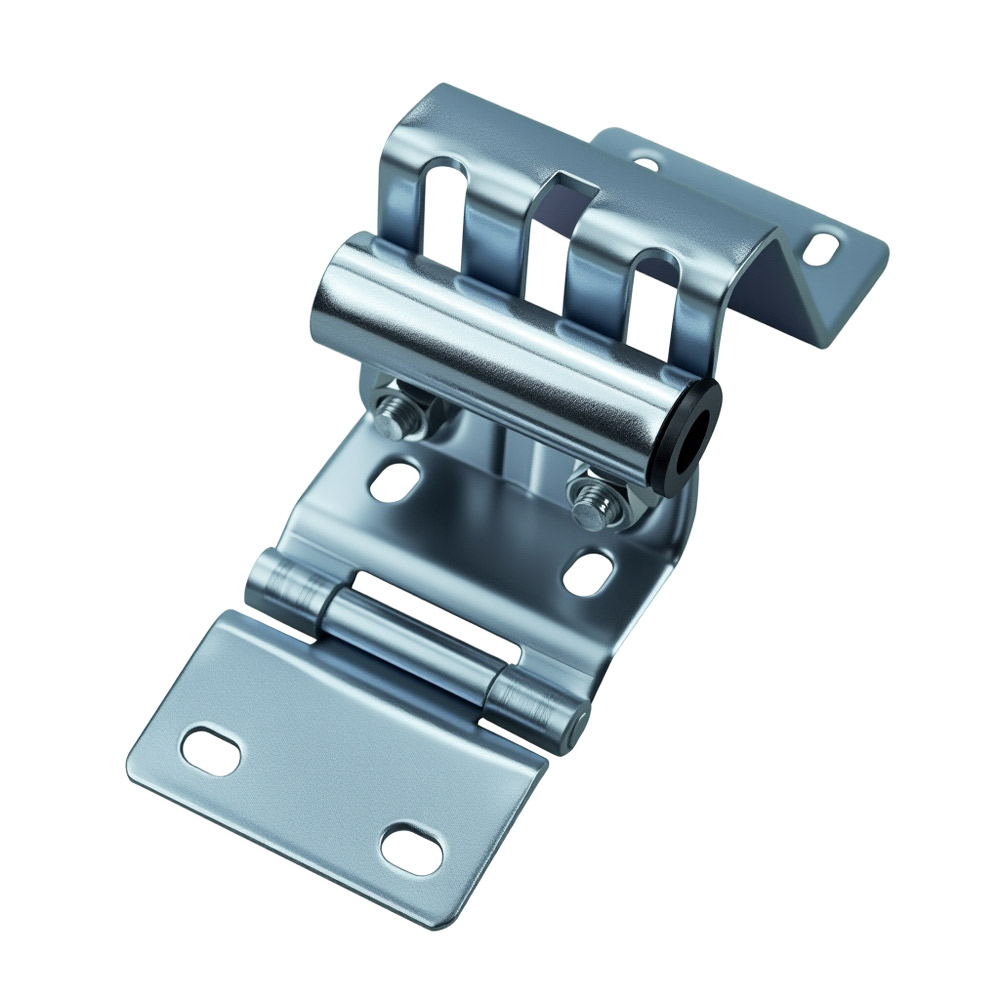
In industrial and commercial environments, the performance of heavy duty garage door hinges is a critical factor influencing the operational reliability of sectional doors. These hinges serve as the primary articulation points, enabling multi-panel doors to flex and move smoothly along their tracks. For door system designers, the challenge lies in ensuring that these hinges can disperse mechanical stress effectively, minimizing localized fatigue and preventing premature failure. The following analysis examines the structural and mechanical principles that govern hinge reliability, focusing on how stress is distributed across articulation points during repeated sectional movement. The discussion will systematically address the engineering aspects of hinge design, reliability under load, and the evaluation methods necessary for verifying suitability in heavy-duty applications.
The architecture of heavy duty garage door hinges is defined by their role as the connective elements between adjacent door panels. These hinges are typically fabricated from high-strength materials such as galvanized steel or stainless steel, selected for their resistance to deformation and corrosion under cyclic loading. The geometry of the hinge—its leaf thickness, knuckle diameter, and pin configuration—directly affects its ability to withstand the complex loading conditions imposed by sectional articulation.
In a typical sectional door, each hinge is subjected to a combination of shear, bending, and tensile forces as the door transitions from vertical to horizontal positions. The distribution of these forces depends on several factors: the weight of the door, the spacing and number of hinges, and the presence of reinforcing plates or gussets. For heavy-duty applications, hinge leaves are often reinforced with additional material at the mounting points to reduce the risk of localized stress concentration—a primary cause of fatigue failure.
The articulation movement inherent to sectional doors introduces repeated cycles of loading and unloading at each hinge. This cyclic stress can initiate microcracks, particularly at the knuckle or pin interface, where stress risers are most prevalent. To counteract this, high-performance hinges employ hardened pins and bushings to distribute loads more evenly and extend service life. The use of precision-formed knuckles and closely toleranced pins further reduces play and uneven loading, which are known contributors to premature hinge degradation.
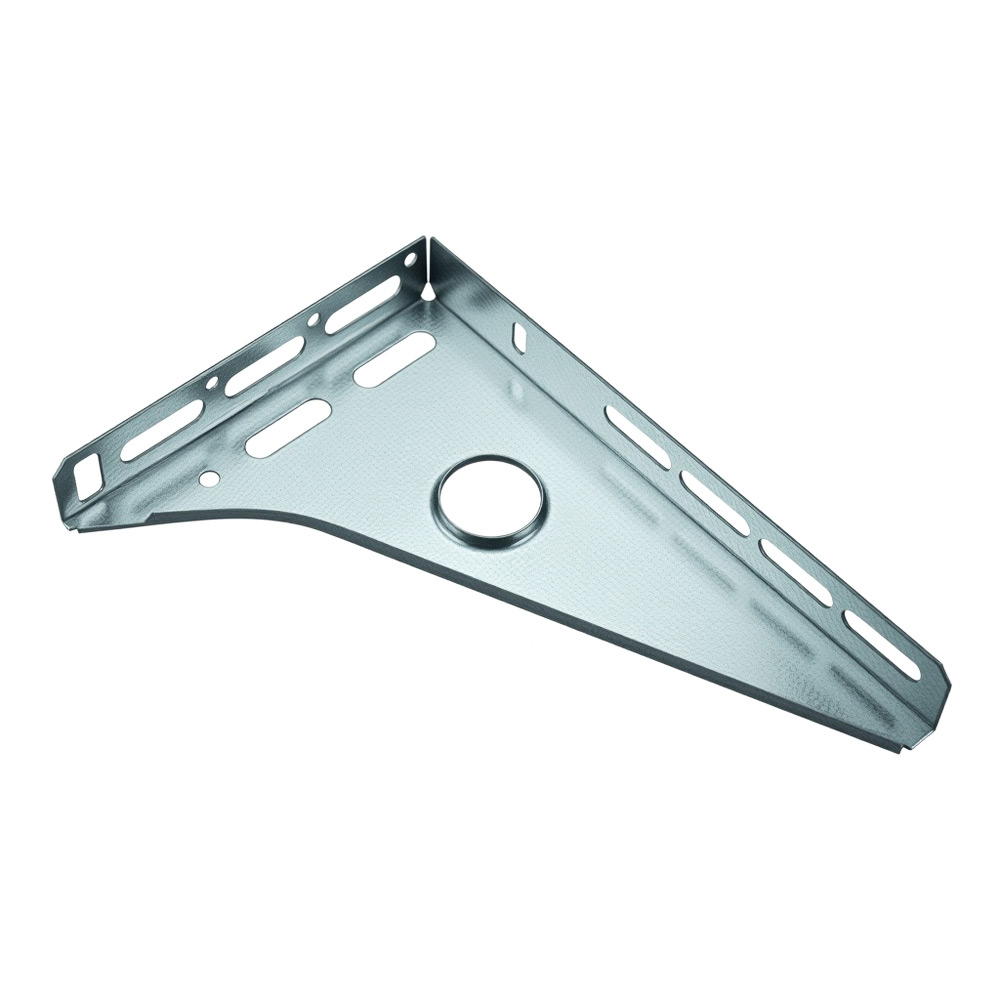
Reliability in heavy duty garage door hinges is fundamentally a question of how well the hinge design mitigates stress concentration and distributes loads across its structure. The articulation points must be engineered to avoid sharp transitions or abrupt changes in cross-section, as these features act as stress risers under load. Finite element analysis (FEA) is commonly utilized during the design phase to model stress distribution and identify potential failure points. By simulating real-world loading scenarios, designers can optimize hinge geometry to ensure that no single region is subjected to excessive stress.
Material selection plays an equally vital role in hinge reliability. For industrial-grade hinges, high-carbon steels with heat-treated surfaces are preferred for their superior fatigue resistance. Corrosion-resistant coatings, such as hot-dip galvanizing or epoxy powder coating, are applied to protect against environmental degradation, which can exacerbate fatigue crack initiation. The mounting hardware—bolts, screws, and backing plates—must also be specified to match the mechanical properties of the hinge itself, ensuring that the entire assembly maintains structural integrity under repeated cycling.
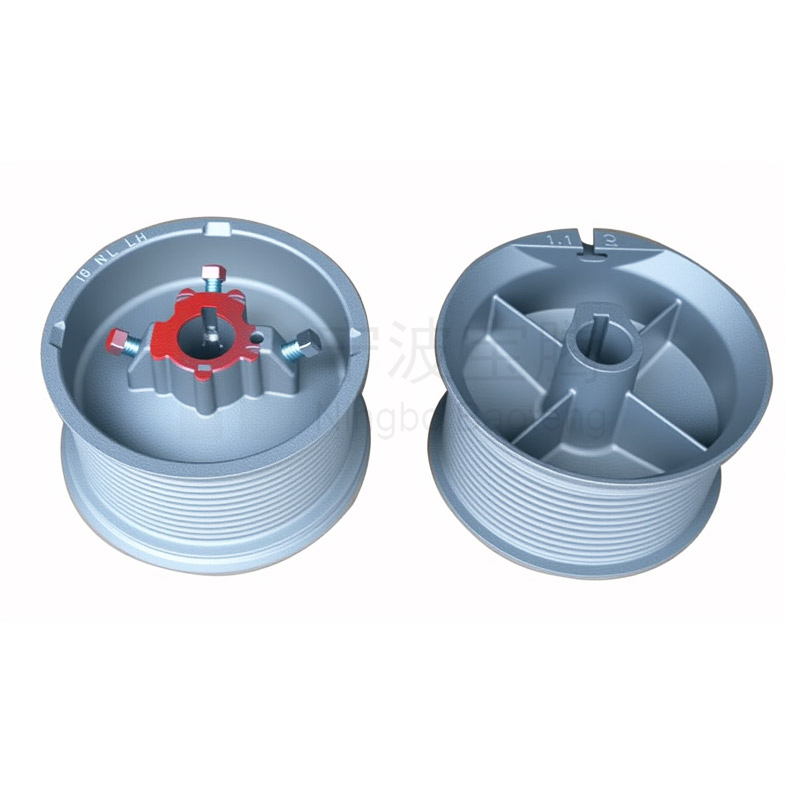
To evaluate the reliability of heavy duty garage door hinges in real-world conditions, several mechanical tests are employed. Fatigue testing, in which hinges are subjected to thousands or even millions of articulation cycles under controlled loads, provides direct evidence of service life and failure modes. Load-to-failure tests determine the maximum static and dynamic loads a hinge can withstand before deformation or fracture occurs. These results are compared against the expected operational loads for the specific door system, with appropriate safety factors applied according to engineering standards.
A critical aspect of reliability assessment is the identification and mitigation of stress concentration zones. In practice, this involves both laboratory testing and field observation. Hinges that exhibit early signs of cracking or deformation at the knuckle, leaf, or mounting holes are typically redesigned to incorporate smoother transitions, increased material thickness, or alternative pin configurations. The use of self-lubricating bushings or bearings can also reduce frictional wear, further enhancing hinge longevity.
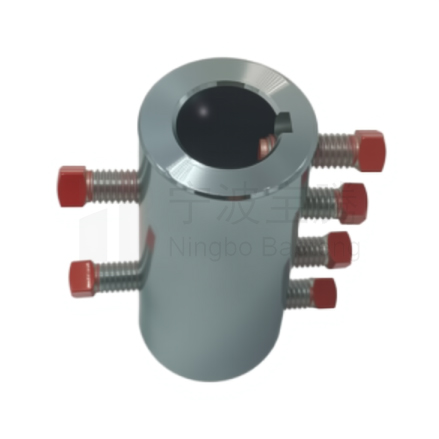
For door system designers, the core pain point remains the risk of stress concentration leading to fatigue failure, particularly in high-cycle, heavy-load environments. Addressing this requires a holistic approach that considers not only the hinge itself but also its integration with the door panels, track system, and mounting hardware. Misalignment during installation, improper torque on mounting fasteners, or inadequate reinforcement at the hinge attachment points can all contribute to uneven load distribution and accelerated wear.
The evaluation of hinge performance must therefore extend beyond laboratory testing to include field audits and periodic inspections. Wear patterns, deformation, and evidence of microcracking should be documented and analyzed to inform future design improvements. In many cases, retrofitting existing systems with upgraded hinges or reinforcing plates can significantly extend service life and reduce maintenance intervals.
Ensuring long-term reliability of heavy duty garage door hinges
From a mechanical engineering perspective, the most reliable heavy duty garage door hinges are those that achieve optimal stress dispersion through a combination of robust materials, precise geometry, and high-quality manufacturing processes. The articulation mechanism must be designed to accommodate both the static loads of the door panels and the dynamic forces generated during operation. Proper lubrication and maintenance further contribute to consistent performance and reduced risk of fatigue-related failures.
In summary, the technical evaluation of heavy duty garage door hinges for sectional articulation hinges on a detailed understanding of mechanical stress distribution and durability. Door system designers must prioritize hinge designs that minimize stress concentration, employ high-performance materials, and undergo rigorous testing to validate their reliability under real-world conditions. The integration of these hinges into the broader door system—including panel reinforcement, track alignment, and mounting hardware specification—must be executed with precision to ensure long-term operational integrity.
To ensure that heavy duty garage door hinges meet the demands of industrial applications, it is essential to verify all hinge parameters against established engineering-grade safety standards. This includes reviewing material certifications, fatigue test data, load ratings, and field performance records. Where possible, finite element analysis should be used to model stress distribution and predict potential failure points before installation. Regular inspection and maintenance schedules should be established to monitor hinge condition and address any emerging issues before they compromise system reliability.
Door system designers are encouraged to collaborate closely with hinge manufacturers, specifying detailed performance criteria and requiring documentation of compliance with relevant mechanical and durability standards. By adopting a systematic, engineering-driven approach to hinge selection and evaluation, the risk of stress concentration and fatigue failure can be substantially reduced, ensuring that sectional doors perform reliably even in the most demanding industrial environments.
For further technical documentation and engineering support, visit the 기술 문서 page or explore 힌지 내식성 to deepen your understanding of durability standards for heavy duty garage door hinges.
 English
  Русский
  日本語
日本語  한국어
한국어  Français
  Deutsch
  العربية
  Português
  Español