
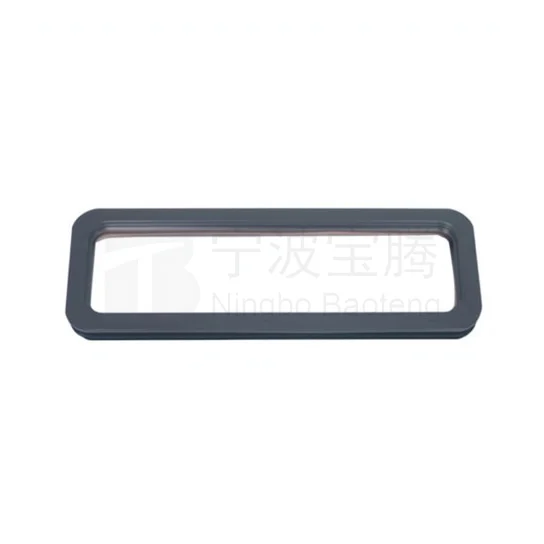
Sectional overhead doors with integrated window units introduce complex structural and fatigue considerations that differ markedly from solid-panel designs. While windows provide essential benefits such as natural illumination and visibility, their inclusion disrupts the continuity of panel stiffness and mass distribution. This disruption affects the articulation mechanics and load transfer through hinges, rollers, and panel joints, especially under high-cycle industrial usage where doors may operate tens of thousands of cycles annually. Understanding how window integration influences mechanical stresses and fatigue resistance is vital for ensuring the long-term durability and safety of these door systems. This discussion focuses on the mechanical load behavior, predominant failure modes—particularly articulation fatigue—and the role of fatigue cycle test standards in validating sectional doors equipped with window assemblies.
Sectional overhead doors function through the coordinated rotation of multiple hinged panels, which move along curved tracks from a closed vertical position to an open horizontal orientation overhead. The hinges, rollers, and tracks are subjected to complex combinations of bending, shear, and torsional forces concentrated at panel junctions. The integration of window units interrupts the uniformity of panel stiffness and mass distribution, creating localized discontinuities that alter these load paths.
Window assemblies typically consist of glazing materials such as tempered glass or polycarbonate, mounted within frames fabricated from aluminum alloys or reinforced polymers. These frames break the continuous metal panel surface, generating stress concentration zones around window openings. The additional mass of window units increases inertial forces during acceleration and deceleration phases of door movement, amplifying bending moments and shear forces at hinge locations.
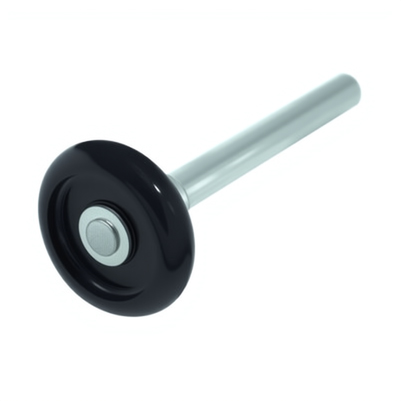
Panels endure combined static and dynamic loading. Static bending arises from the self-weight of the panels and windows, while dynamic inertial forces stem from acceleration and deceleration during operation. Shear forces at hinge connections accommodate panel rotation but increase due to the altered stiffness and mass distribution caused by window integration. Moreover, differential thermal expansion between glazing materials and metal panels induces cyclic stresses at frame-to-panel interfaces, particularly in environments with significant temperature fluctuations.
Accurate mechanical assessment requires detailed consideration of hinge geometry, articulation radius, material stiffness mismatch, and altered load paths. Finite element analysis (FEA) is commonly employed to simulate stress distributions and identify critical fatigue zones. These simulations guide design modifications aimed at ensuring smooth articulation, reducing hardware wear, and extending service life under demanding high-cycle industrial conditions.
Articulation fatigue remains the principal failure mechanism in sectional overhead doors incorporating window units. Repeated bending and torsional stresses at panel hinges accumulate over extensive operational cycles, leading to fatigue crack initiation and propagation. The presence of window frames exacerbates this effect by introducing stiffness discontinuities that concentrate stresses near hinge mounts and panel edges adjacent to window openings. These localized stress concentrations accelerate fatigue damage, manifesting as hinge pin wear, deformation of panel edges, and eventual fracture of panel materials.
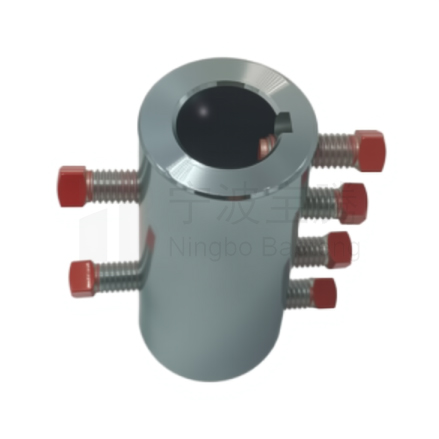
In high-cycle industrial usage environments, fatigue life is a critical design parameter. Failure to adequately address articulation fatigue can result in premature hardware breakdown, increased maintenance demands, and safety risks from sudden component failure. Fatigue cracks often initiate at welds, rivet holes, or sharp geometric transitions, which become more pronounced with window frame integration. This necessitates meticulous design, careful material selection, and stringent quality control measures to mitigate fatigue risks effectively.
Secondary failure modes frequently arise from degradation of materials surrounding window seals and frames. Exposure to moisture, ultraviolet radiation, and temperature cycling deteriorates sealants and adhesives, allowing water ingress that promotes corrosion of adjacent metal components. Corrosion reduces effective cross-sectional areas and surface quality at hinge interfaces, increasing local stress concentrations and friction, which further accelerates fatigue damage.
Mechanical cycling can loosen glazing retention components or induce cracks in window panes, compromising structural integrity and safety. Seal failure undermines weatherproofing and accelerates corrosion processes, creating a feedback loop detrimental to door durability. These degradation mechanisms highlight the importance of robust sealing systems and corrosion-resistant materials in window assembly design.
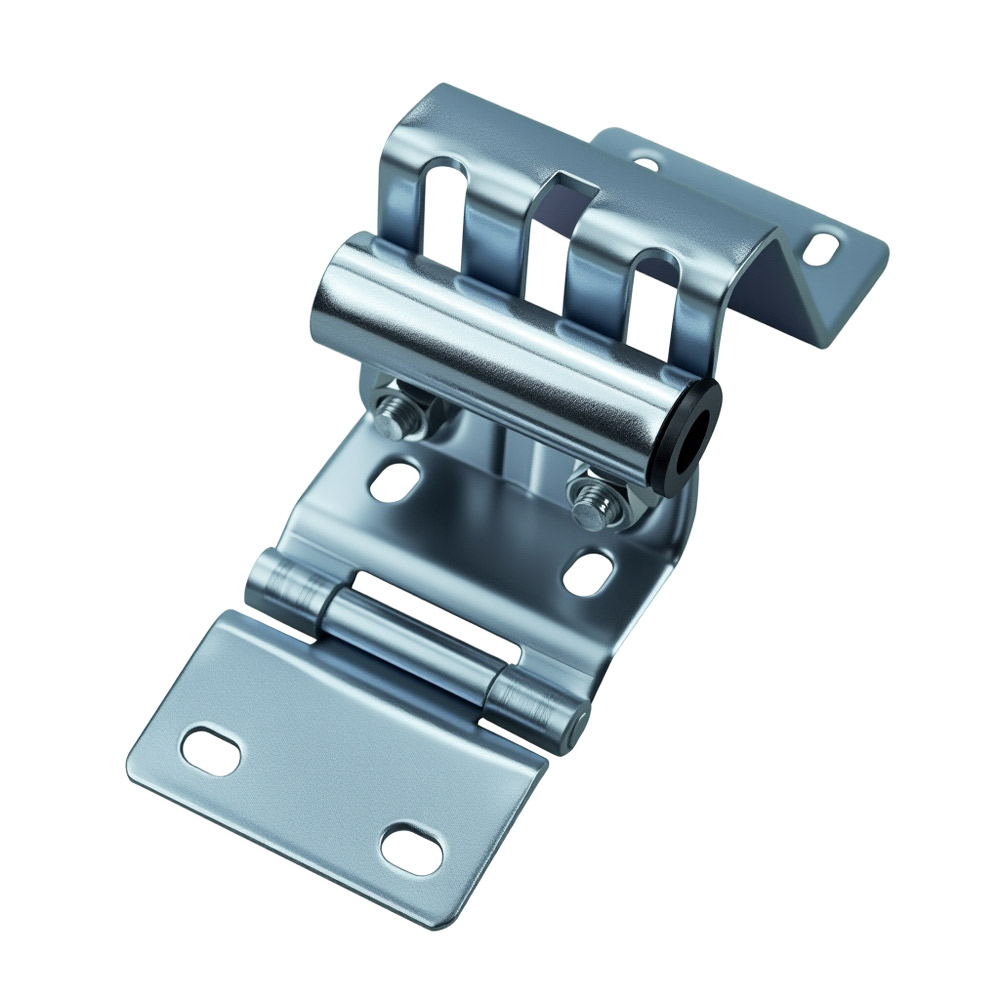
Environmental conditions typical of high-cycle industrial usage substantially influence the fatigue resistance of door components with integrated windows. Temperature extremes induce cyclic thermal stresses due to differential expansion between glazing and metal panels, compounding mechanical fatigue effects. High humidity and moisture ingress accelerate corrosion of hinge pins, fasteners, and panel edges, degrading articulation smoothness and increasing wear rates.
Chemical exposure and particulate contamination common in industrial atmospheres degrade polymer seals and lubricants, impairing mechanical performance. Accumulation of dust and debris in tracks and roller assemblies elevates frictional resistance, imposing higher loads on articulation hardware and hastening fatigue damage.
Mitigation strategies include selecting corrosion-resistant materials such as stainless steel or coated alloys for hardware, employing flexible sealants that accommodate thermal expansion, and designing hardware for ease of maintenance. Regular inspection and lubrication are essential to preserve articulation smoothness and prolong service life under demanding environmental conditions.
Ensuring the durability of sectional overhead doors with integrated window units under articulation fatigue requires adherence to established fatigue cycle test standards. The ANSI/DASMA 102 standard is widely recognized for sectional door hardware performance, specifying hinge strength and fatigue cycle requirements. It mandates accelerated fatigue testing that simulates repetitive articulation, verifying that hinges and panel joints can withstand operational loads without premature failure.
UL 325 addresses safety requirements for door operators and associated hardware, including impact resistance and structural integrity of door components. Window assemblies must meet impact retention criteria to prevent hazardous breakage during door movement or accidental collisions, ensuring occupant safety and operational reliability.
Additionally, ASTM standards such as E1886 and E1996, originally developed for exterior glazing impact resistance, provide relevant test methods for evaluating window strength, seal durability, and resistance to cyclic environmental exposure. These standards complement fatigue testing by assessing material resilience under combined mechanical and environmental stresses.
Testing protocols typically involve subjecting door sections with integrated windows to high-cycle fatigue loading while monitoring hinge wear, crack initiation, and seal degradation. Environmental chambers simulate temperature and humidity fluctuations to evaluate material and seal performance under realistic conditions. Data obtained from these tests inform design refinements, material selection, and maintenance scheduling aimed at enhancing fatigue resistance and system reliability.
Integrating window assemblies into sectional overhead doors demands a comprehensive engineering approach that balances mechanical performance, environmental resilience, and functional requirements. Window size, placement, and frame material selection must minimize adverse effects on articulation mechanics and fatigue life.
Window frames fabricated from materials with mechanical properties closely matched to door panels—such as aluminum alloys or reinforced polymers—reduce stiffness mismatches and associated stress concentrations. Employing flexible sealants and gasket materials that accommodate differential thermal expansion mitigates cyclic stresses at frame-to-panel interfaces. Design details should avoid sharp corners and abrupt transitions that serve as fatigue crack initiation sites.
Hardware components must be specified to accommodate increased loads resulting from added window mass. High-strength hinge pins with enhanced fatigue resistance and corrosion-resistant coatings extend service life in harsh industrial environments. Roller assemblies equipped with sealed bearings and abrasion-resistant tracks reduce friction and wear, preserving smooth articulation.
Glazing materials should comply with impact resistance standards to prevent breakage during door operation or accidental impact. Laminated or tempered glass is preferred due to its strength and safety characteristics.
Maintenance accessibility is critical; hardware should allow straightforward inspection, lubrication, and replacement. Replaceable seals help maintain weatherproofing and prevent corrosion. In high-cycle industrial applications, scheduled inspection intervals are necessary to detect early signs of articulation fatigue or material degradation, enabling timely corrective actions and minimizing downtime.
The integration of window assemblies into sectional overhead garage doors introduces structural discontinuities and material mismatches that significantly impact articulation fatigue life. Under high-cycle industrial usage, these factors accelerate fatigue damage in hinges and panel joints, compounded by environmental effects such as thermal cycling and corrosion. Compliance with fatigue cycle test standards like ANSI/DASMA 102 and UL 325 is essential to validate design robustness and ensure operational safety. Engineering solutions must incorporate compatible materials, optimized frame geometries, and upgraded hardware capable of withstanding demanding service conditions. Long-term reliability of overhead garage door windows depends on rigorous mechanical analysis, validated load transfer behavior, and adherence to established fatigue testing protocols.
This analysis was reviewed by a Senior Garage Door Hardware Engineer with practical field experience under high-cycle industrial usage operating conditions, with validation focused on articulation fatigue in accordance with fatigue cycle test compliance requirements.
From an engineering standpoint, long-term reliability of Overhead Garage Door Windows depends on correct fastener selection, verified load transfer behavior, validation under high-cycle industrial usage exposure, and documented compliance with fatigue cycle test alongside ANSI, ASTM, and UL safety benchmarks.

 English
  Русский
  日本語
日本語  한국어
한국어  Français
  Deutsch
  العربية
  Português
  Español